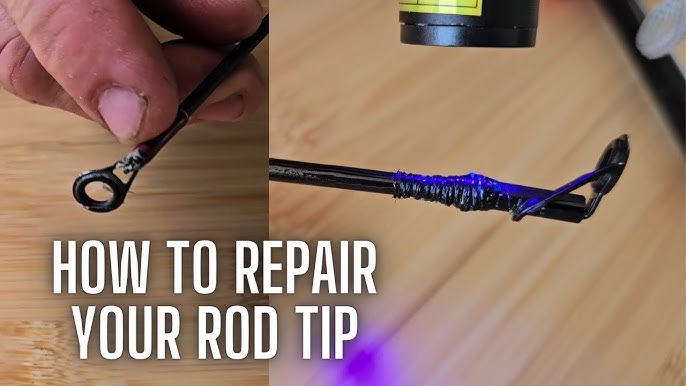
Is your fishing rod not working the way it used to? Maybe the tip is broken, the guides are loose, or the reel won’t spin smoothly.
Don’t let these problems spoil your time by the water. You can fix your fishing rod yourself and get back to catching fish faster than you think. In this guide, you’ll find simple, step-by-step solutions that anyone can follow. Keep reading to learn how to bring your fishing rod back to life and enjoy your next fishing trip without hassle.
Common Fishing Rod Issues
Fishing rods can face many problems from regular use. Knowing these common issues helps you fix them quickly.
Fixing your fishing rod keeps it working well and saves money. Let’s look at some frequent problems.
Guide Ring Damage
Guide rings help the fishing line move smoothly. They can crack, break, or get bent after use.
Damaged guide rings can cut or fray your line. Fix or replace them to avoid losing fish.
- Check all guide rings for cracks or bends.
- Use a small screwdriver to remove broken rings.
- Replace with new guide rings using strong glue or thread wrap.
- Ensure new rings align properly along the rod.
Handle Wear And Tear
Handles often wear out from sweat, dirt, and friction. Foam and cork handles are the most affected.
Worn handles reduce comfort and grip. You can clean, repair, or replace them to improve use.
- Clean the handle with mild soap and water.
- Use fine sandpaper to smooth rough cork handles.
- Replace foam grips if torn or soft.
- Wrap handles with new grip tape for better hold.
Blank Cracks And Breaks
The rod blank is the main shaft. It can crack or break from impact or heavy use.
Small cracks weaken the rod and can grow bigger. Fixing cracks early helps avoid full breaks.
- Inspect the blank for any visible cracks or splits.
- Use epoxy glue to seal small cracks carefully.
- Let the glue dry completely before using the rod again.
- Replace the blank if the damage is severe or the rod breaks.
Loose Reel Seats
The reel seat holds the reel firmly on the rod. It can become loose over time or after heavy use.
A loose reel seat makes fishing difficult and may cause reel damage. Tightening or repairing it fixes this problem.
- Check if the reel seat moves or wiggles on the rod.
- Tighten the locking rings or screws if possible.
- Apply epoxy or strong adhesive to secure the seat if loose.
- Replace the reel seat if it does not hold the reel firmly.
Essential Repair Tools
Fixing a fishing rod needs the right tools. These tools help you repair and keep your rod strong.
Using proper tools makes the repair last longer and works better on the water.
Epoxy And Glue Types
Epoxy and glue hold broken parts of the fishing rod together. They must be strong and waterproof.
Choose fast-drying epoxy for quick repairs. Use flexible glue for parts that bend a lot.
- Two-part epoxy: strong and waterproof
- CA glue (super glue): quick but brittle
- Flexible resin glue: good for joints and wraps
Replacement Guides And Rings
Guides and rings help the fishing line run smoothly. Broken guides can cause line damage.
Pick guides that match the size and style of your rod. Rings come in different materials like stainless steel.
- Match the guide size to your rod
- Use stainless steel or ceramic rings
- Replace damaged or bent guides immediately
Sandpaper And Tape
Sandpaper smooths rough or broken spots on the rod. Use fine grit to avoid more damage.
Tape helps hold parts while glue or epoxy dries. Masking tape is easy to remove after repair.
- Use 400-600 grit sandpaper for smoothing
- Apply masking tape to hold parts in place
- Do not sand too hard to avoid weakening the rod
Rod Wrapping Thread
Thread wraps hold guides securely on the rod. Use strong nylon or polyester thread for wrapping.
Wrap the thread tightly and evenly. Finish with epoxy to protect the thread and keep it in place.
- Use nylon or polyester thread for strength
- Keep wraps tight and smooth
- Apply epoxy to seal and protect wraps
Fixing Guide Rings
Fishing rods sometimes need repair. One common issue is broken guide rings. Guide rings help control the fishing line. Fixing them is not hard.
This guide will explain how to fix guide rings. You will learn to remove broken guides and add new ones.
Removing Broken Guides
First, take off the damaged guide. Use pliers to grip the guide. Gently twist and pull it away. Be careful not to damage the rod.
Remove any leftover glue. Use sandpaper if needed. The rod surface should be smooth for the new guide.
Aligning New Guides
Choose a new guide that fits. Place it on the rod where the old one was. Check that it lines up with the other guides. Proper alignment is important for smooth line flow.
Use a marker to note the position. This will help when securing the guide.
Securing With Thread Wrap
Wrap thread around the guide foot. Start at one end and move to the other. Keep the wraps tight and even. This holds the guide in place.
- Use nylon thread for durability
- Overlap the starting end to secure it
- Finish with a tight knot
Applying Epoxy Coating
Mix epoxy resin according to instructions. Use a brush to apply it over the thread wraps. This seals and protects the thread.
Let the epoxy dry completely. This may take several hours. Once dry, your guide ring is ready for use.

Credit: anglersresource.net
Repairing Rod Blanks
Fishing rod blanks can crack or break after heavy use. Fixing them can save money and keep your rod in good shape.
This guide explains how to repair rod blanks safely and effectively.
Identifying Crack Severity
Check your rod blank carefully for cracks. Small cracks may only be surface deep. Large cracks can split the rod.
Look for changes in color or texture. Press gently to see if the area feels weak or soft.
- Surface cracks are usually safe to repair with epoxy.
- Deep cracks may need splicing or replacement.
- Large breaks require stronger reinforcement.
Using Epoxy For Small Cracks
Epoxy works well for small cracks in rod blanks. It seals and strengthens the damaged area.
First, clean the crack with rubbing alcohol. Then apply a thin layer of epoxy and let it dry fully.
- Use clear epoxy for a neat look.
- Apply with a small brush or toothpick.
- Allow 24 hours for curing before use.
Splicing Techniques For Breaks
Splicing joins broken rod pieces together. It needs care to keep strength and alignment.
Use a rod splice sleeve or a short tube to connect both ends. Apply epoxy inside the sleeve and slide the rod pieces in.
- Sand the broken ends lightly for better glue grip.
- Keep pieces aligned while epoxy sets.
- Check the splice before fishing.
Reinforcing With Fiberglass Tape
Fiberglass tape adds strength to repaired rod blanks. It wraps around the damaged area for extra support.
After applying epoxy, wrap the tape tightly around the repair. Add another layer of epoxy over the tape and let it dry.
- Use thin tape for smooth wrapping.
- Wrap evenly to avoid bumps.
- Let epoxy cure fully before use.
Handle And Reel Seat Repairs
Fixing your fishing rod’s handle and reel seat can improve your fishing experience. These parts often wear out or become loose over time.
Simple repairs can extend the life of your rod and keep it comfortable to use on long fishing trips.
Replacing Worn Handle Grips
Handle grips wear out from use and exposure to water. Replace them to keep your grip strong and comfortable.
Remove the old grip by cutting or sliding it off. Clean the handle before adding a new grip. Use grip tape or cork grips for better hold.
- Cut off the old grip carefully
- Clean the handle with rubbing alcohol
- Apply grip tape or slide on a new cork grip
- Secure with adhesive if needed
Tightening Loose Reel Seats
A loose reel seat can cause the reel to wobble or fall off. Tighten it to keep the reel secure during fishing.
Check the reel seat threads and locking rings. Turn the locking rings clockwise to tighten. If still loose, inspect for damage or wear.
- Inspect reel seat threads for dirt or damage
- Clean threads with a soft brush
- Turn locking rings clockwise to tighten
- Replace damaged parts if necessary
Re-gluing Reel Seats
Sometimes the reel seat can come loose from the rod handle. Re-gluing fixes this problem and secures the seat again.
Remove the reel seat carefully. Clean the rod handle and seat surface. Use waterproof epoxy glue to attach the reel seat back. Let it dry fully before use.
- Remove the reel seat gently
- Clean surfaces with rubbing alcohol
- Apply waterproof epoxy glue evenly
- Press the reel seat firmly in place
- Let the glue dry for at least 24 hours
Customizing Handle Comfort
Comfort matters during long fishing trips. Customize your handle with added padding or different grip materials.
Try foam sleeves or cork wraps for a softer feel. You can also sand or shape cork grips to fit your hand better.
- Add foam or rubber sleeves for extra cushioning
- Wrap cork grip tape for better texture
- Sand cork grips to smooth rough spots
- Test your grip comfort before fishing
Maintenance Tips To Prevent Damage
Taking care of your fishing rod helps it last longer. Simple maintenance stops damage before it starts. Follow these tips to keep your rod in good shape.
Regular care prevents costly repairs and keeps your fishing trips enjoyable. Focus on storage, cleaning, weight limits, and inspections.
Proper Storage Practices
Store your fishing rod in a dry, cool place. Avoid leaving it in direct sunlight or damp areas. Use rod holders or racks to keep it straight and safe.
- Keep rods off the ground to prevent bending
- Use rod tubes or sleeves for extra protection
- Store rods vertically or horizontally with support
- Avoid heavy items on top of stored rods
Regular Cleaning Routine
Clean your rod after every use. Salt, dirt, and grime can cause damage over time. Wipe down the rod and guides with fresh water and a soft cloth.
| Cleaning Step | Details |
| Rinse | Use fresh water to remove salt and dirt |
| Wipe | Dry rod with a soft, clean cloth |
| Check Guides | Inspect for cracks or damage during cleaning |
| Lubricate | Apply reel oil to reel seat and moving parts |
Avoiding Overloading Rods
Do not use your rod to pull fish heavier than its limit. Overloading can break the rod or damage the guides. Always check the rod’s weight rating before fishing.
- Know your rod’s line weight range
- Match the reel and line to the rod’s rating
- Use proper casting techniques to reduce stress
- Stop pulling if the rod feels too strained
Inspecting Before And After Use
Check your rod for damage before and after fishing. Look for cracks, loose guides, or worn reel seats. Early detection helps you fix small problems fast.
- Examine rod blank for cracks or scratches
- Check guides for bent or broken rings
- Test reel seat for tightness and damage
- Inspect handle for wear or loose parts
When To Seek Professional Help
Fixing a fishing rod can be simple sometimes. But some problems need expert care. Knowing when to ask for help saves your rod.
Professional repair can protect your rod from more damage. It also keeps your fishing gear safe to use.
Severe Blank Damage
The blank is the main part of a fishing rod. If it cracks deeply or breaks, you should see a pro. Fixing big damage needs special tools.
Trying to fix severe cracks at home can make problems worse. Professionals can repair or replace the blank safely.
Complex Guide Replacements
Guides help the fishing line move smoothly. Some rods have many guides in hard-to-reach spots. Replacing these guides can be tricky.
Professionals know how to remove and install guides without harming the rod. They use the right glue and tools for a strong hold.
- Removing old guides without damage
- Using correct glue and drying methods
- Aligning guides for best line flow
Warranty And Manufacturer Support
Check if your rod still has a warranty. Many manufacturers offer repair or replacement services under warranty.
Trying to fix a rod under warranty can void it. Professionals often work with manufacturers to keep your warranty active.

Credit: www.reddit.com

Credit: www.amazon.com
Frequently Asked Questions
How Do I Repair A Broken Fishing Rod Tip?
Replace the broken tip by removing the old one carefully. Use a rod tip replacement kit and strong adhesive. Align the new tip properly to ensure smooth casting and retrieval.
What Causes Fishing Rod Guides To Break?
Fishing rod guides break due to impact, corrosion, or wear from fishing line friction. Regular inspection and gentle handling help prevent damage.
Can I Fix A Cracked Fishing Rod Blank?
Small cracks can be repaired using epoxy resin and fiberglass tape. Clean the area, apply resin, wrap tape tightly, and let it cure fully before use.
How To Fix A Loose Reel Seat On A Fishing Rod?
Tighten loose reel seats by using epoxy or rod seat adhesive. Remove the reel, apply adhesive, and secure the seat firmly to the blank.
Conclusion
Fixing a fishing rod is easier than it seems. Small steps can solve common problems quickly. Check the guides, reel seat, and rod blank first. Use the right tools for each repair task. Taking care of your rod saves money and time.
A well-maintained rod improves your fishing experience. Practice these fixes to keep your gear ready. Now, you can enjoy fishing without worries. Try these tips next time your rod breaks. Simple repairs help you fish longer and better. Keep your fishing rod in top shape always.