Are you struggling to keep the right humidity level in your grow tent? If your plants look thirsty or the air feels too dry, it’s time to take action.
Adding the right amount of humidity can make a huge difference in how your plants grow and thrive. In this guide, you’ll discover simple, effective ways to boost humidity in your grow tent—without spending a fortune or complicated setups. Keep reading to learn easy tips that will help your plants stay healthy and strong every step of the way.
Benefits Of Proper Humidity
Maintaining the right humidity in your grow tent helps your plants stay healthy. Proper humidity supports water absorption and nutrient use.
It also reduces stress on plants and lowers the chance of disease. Keeping humidity balanced is key for strong plant growth.
Impact On Plant Growth
Humidity affects how plants breathe and absorb water. If humidity is too low, plants lose water quickly and may dry out.
Too much humidity can cause mold and slow growth. Proper humidity helps plants open and close their stomata for gas exchange.
- Helps roots take up water
- Supports photosynthesis
- Prevents leaf wilting
- Reduces pest problems
Common Humidity Levels For Plants
Different plants need different humidity levels. Seedlings need higher humidity than mature plants to grow well.
| Plant Stage | Ideal Humidity (%) |
| Seedlings | 65 – 70 |
| Vegetative | 40 – 70 |
| Flowering | 40 – 50 |
| Harvest | 30 – 40 |

Credit: canadagrowsupplies.com
Measuring Humidity In Grow Tent
Humidity is key for healthy plants in your grow tent. You must measure it right to keep plants happy.
Using the correct tools and placing them well helps you get true humidity readings. This guide shows how.
Choosing The Right Hygrometer
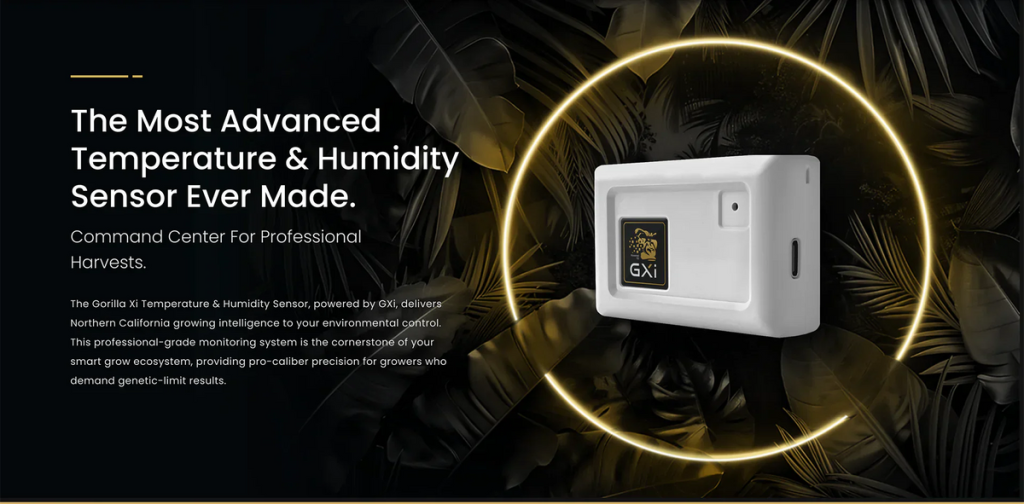
A hygrometer measures moisture in the air. Picking one with good features matters for your grow tent.
- Look for digital models for easy reading.
- Check the accuracy range; ±2% is good.
- Choose one with a temperature sensor for dual data.
- Pick devices with memory to track changes over time.
- Consider a model with a backlight for low-light environments.
Placement Tips For Accuracy
Where you put your hygrometer affects its readings. Follow these tips for the best spots inside the tent.
| Placement | Reason |
| Center of the tent | Measures average humidity level for plants |
| Away from vents | Prevents false readings from airflow |
| At plant canopy height | Shows humidity where plants breathe |
| Off the floor | Avoids damp air near soil |
| Not near heat sources | Prevents heat from skewing results |
Simple Ways To Increase Humidity
Maintaining the right humidity in a grow tent is crucial for healthy plant growth. Various simple methods can help you increase humidity effectively.
Let’s explore some easy techniques to boost humidity in your grow tent.
Using A Humidifier
A humidifier is an efficient way to raise humidity. It releases moisture into the air, creating a perfect environment for plants.
Make sure to use a humidifier that suits your tent size. Regular cleaning prevents mold and bacteria.
Water Trays And Pebble Trays
Place water trays around the tent. As water evaporates, it adds moisture to the air. This is a simple and cost-effective method.
Pebble trays are another option. Fill trays with pebbles and water. The water evaporates slowly, increasing humidity.
- Ensure pebbles are clean
- Keep water level below pebble tops
- Check water levels regularly
Misting Plants Regularly
Misting plants is a quick way to boost humidity. Use a spray bottle to mist leaves with water.
Do this several times a day for best results. Avoid over-misting to prevent mold growth on plants.

Credit: www.spider-farmer.com
Natural Methods To Boost Humidity
Keeping the right humidity in your grow tent helps plants grow healthy. You can increase humidity without machines. Natural ways work well and are simple to do.
This guide shows two natural methods to raise humidity: grouping plants and using moss or water features.
Grouping Plants Together
Placing plants close to each other raises humidity naturally. Plants release moisture through their leaves. Grouping them creates a small humid area.
- Choose plants with similar water needs.
- Arrange pots close but not touching.
- Use trays to catch water under pots.
- Check soil moisture often to avoid overwatering.
Adding Live Moss Or Water Features
Live moss and small water features add humidity by releasing moisture slowly. Moss holds water well and releases it over time. Water trays or small fountains also increase moisture.
| Method | How It Works | Care Tips |
| Live Moss | Stores water and releases moisture | Keep moss moist, avoid direct light |
| Water Tray | Evaporates water into air | Refill water regularly |
| Small Fountain | Circulates water, adds humidity | Clean to prevent algae |
Maintaining Consistent Humidity Levels
Keeping steady humidity in your grow tent helps plants grow well. Too much or too little moisture can harm them. It is important to control the environment for the best results.
Two main ways to keep humidity balanced are managing ventilation and temperature. Both work together to create the right air moisture for your plants.
Ventilation Control
Good airflow helps keep humidity stable inside your grow tent. It moves moist air out and fresh air in. You must adjust fans and vents carefully to avoid drying or over-wetting the air.
- Use exhaust fans to remove humid air
- Adjust intake vents to bring in fresh air
- Use oscillating fans to circulate air evenly
- Check and clean filters regularly to keep air flow strong
- Seal any gaps in the tent to prevent unwanted air leaks
Temperature Management
Temperature affects how much moisture the air can hold. Warmer air holds more water vapor. Cooler air holds less. Keeping the right temperature helps keep humidity levels steady.
| Temperature (°F) | Ideal Humidity Range (%) |
| 65 – 75 | 50 – 70 |
| 75 – 85 | 40 – 60 |
| 85+ | 30 – 50 |

Credit: www.spider-farmer.com
Avoiding Common Humidity Mistakes
Adding humidity to a grow tent is important for plant health. Too much or too little humidity causes problems.
Learn how to avoid common mistakes to keep your plants safe and growing well.
Preventing Mold And Mildew
Mold and mildew grow easily in high humidity. They harm plants and reduce yields.
- Keep humidity below 70% to stop mold growth.
- Use a hygrometer to check humidity levels daily.
- Remove dead leaves and debris promptly.
- Clean the grow tent regularly to kill mold spores.
- Avoid overwatering plants to reduce moisture buildup.
Balancing Humidity With Airflow
Good airflow helps control humidity and keeps plants healthy. It stops mold and strengthens stems.
| Tip | Why It Matters |
| Use fans inside the tent | Circulates air and prevents hot spots |
| Keep vents open | Allows fresh air to replace humid air |
| Place intake fan low and exhaust fan high | Moves air efficiently through the tent |
| Check airflow regularly | Ensures no areas have stagnant air |
Frequently Asked Questions
How Can I Increase Humidity In My Grow Tent?
Use a humidifier or place water trays inside the tent. Misting plants occasionally also helps raise humidity levels efficiently.
What Is The Ideal Humidity For A Grow Tent?
Most plants thrive at 40-60% humidity. Seedlings prefer 60-70%, while mature plants do well at 40-50%.
Can Adding Humidity Prevent Plant Stress In Grow Tents?
Yes, maintaining proper humidity reduces plant stress. It supports healthy growth and prevents issues like drying or wilting.
How Often Should I Monitor Humidity In A Grow Tent?
Check humidity daily using a hygrometer. Consistent monitoring ensures optimal conditions and timely adjustments for plant health.
Conclusion
Adding humidity to your grow tent helps plants stay healthy and grow well. Use simple tools like humidifiers or water trays to keep moisture levels right. Check humidity often to avoid problems like mold or dryness. Small changes can make a big difference in plant growth.
Keep watching your plants and adjust humidity as needed. This care will help your garden thrive inside the tent.