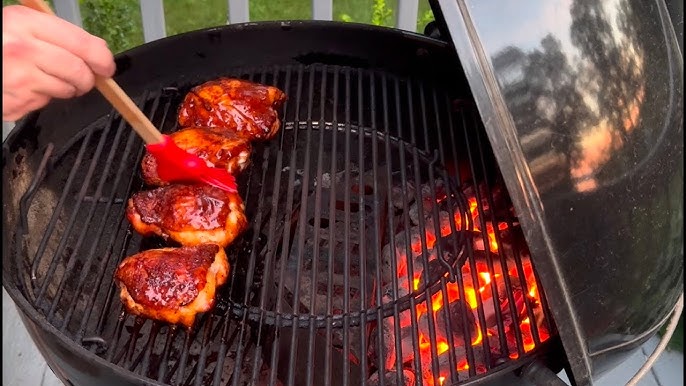
Grilling on a Weber charcoal grill can turn your backyard into a flavor-packed paradise. If you’ve ever wanted to master the art of charcoal grilling but felt unsure where to start, this guide is made for you.
Imagine the smoky aroma, the perfect sear, and juicy bites that make every meal unforgettable. You’re just a few simple steps away from becoming the grill master your friends and family will admire. Ready to unlock the secrets of your Weber charcoal grill and cook like a pro?
Let’s dive in.
Choosing The Right Charcoal
Grilling on a Weber charcoal grill needs the right charcoal. The type of charcoal changes the heat and flavor of your food.
Picking the best charcoal helps you cook better and enjoy your grilling time more.
Lump Charcoal Vs Briquettes
Lump charcoal is made by burning wood until only carbon is left. It lights fast and burns hot. It gives food a smoky flavor.
Briquettes are made from compressed charcoal and other ingredients. They burn evenly and last longer but may have less smoky taste.
- Lump charcoal:burns hotter, lights faster
- Briquettes:burns longer, more consistent heat
- Lump gives stronger smoke flavor
- Briquettes are easier to control
Natural And Flavored Options
Natural charcoal has no additives and gives pure smoke flavor. It is good for those who want clean taste.
Flavored charcoal adds extra taste like hickory or mesquite. It can enhance your food but may cover original flavors.
- Natural charcoal:no chemicals, pure smoke
- Flavored charcoal:adds specific wood flavors
- Natural is better for simple grilling
- Flavored is good for bold taste
Preparing Your Weber Grill
Preparing your Weber charcoal grill is important for a great grilling experience. Clean and set up your grill carefully before cooking.
This helps your food cook evenly and keeps the grill safe to use. Follow simple steps to get your grill ready.
Cleaning And Maintenance
Start by removing old ashes from the grill’s bottom. This keeps airflow clear and the fire strong.
Use a grill brush to clean the cooking grates. This removes leftover food and grease.
- Wait until the grill is cool before cleaning
- Brush the grates to remove debris
- Empty the ash catcher or pan
- Check vents for blockages
Setting Up The Grill For Cooking
Place charcoal briquettes in the grill’s charcoal grate. Arrange them for direct or indirect heat.
Light the charcoal using a chimney starter or lighter cubes. Let the coals burn until covered with white ash.
- Use a chimney starter for easy lighting
- Wait 15-20 minutes for coals to ash over
- Spread coals for even heat
- Place the cooking grate back on the grill
- Adjust vents to control temperature
Lighting The Charcoal
Grilling on a Weber charcoal grill starts with lighting the charcoal. A good start ensures even cooking.
Learn how to light your charcoal safely and efficiently using simple methods.
Using A Chimney Starter
A chimney starter is a simple tool for lighting charcoal. It helps get the coals burning evenly.
Place the charcoal in the chimney. Light a fire starter under it and wait until the top coals are gray.
- Fill the chimney with charcoal
- Place newspaper or a fire starter under it
- Light the paper or starter
- Wait for 15-20 minutes
- Pour the hot coals into the grill
Avoiding Lighter Fluid
Lighter fluid can leave a chemical taste on your food. It’s best to avoid it when lighting charcoal.
Using natural methods like chimney starters or electric starters can help you light your grill safely.
- Use natural fire starters
- Try an electric charcoal starter
- Consider using a blow torch
- Avoid using lighter fluid

Credit: www.siuhaau.com
Mastering Temperature Control
Grilling on a Weber charcoal grill needs good temperature control. You can cook food evenly and avoid burning.
Two key ways to control heat are adjusting air vents and creating heat zones. These help you set the right cooking temperature.
Adjusting Air Vents
The air vents on your Weber grill control how much oxygen reaches the charcoal. More oxygen means hotter fire.
- Open vents fully for high heat and fast cooking.
- Close vents partially for medium heat and steady cooking.
- Close vents mostly to lower heat or to slow down the fire.
- Always adjust vents slowly to avoid sudden temperature changes.
Creating Heat Zones
Heat zones help you cook different foods at the right temperature on the same grill. Use direct heat for quick cooking and indirect heat for slow cooking.
| Zone | Charcoal Position | Use |
| High Heat | Charcoal piled directly under cooking area | Searing steaks, burgers |
| Medium Heat | Charcoal spread out in one half of grill | Grilling chicken, vegetables |
| Low Heat | Charcoal on one side only, other side empty | Slow cooking, smoking |
Grilling Techniques
Grilling on a Weber charcoal grill is simple and fun. You can cook many types of food with different techniques.
Understanding how to use heat and control the fire will help you get tasty results every time.
Direct Vs Indirect Heat Cooking
Direct heat cooking means placing food right above the coals. This cooks food fast and gives a nice sear.
Indirect heat cooking places food away from the coals. This is good for slow cooking or bigger cuts of meat.
- Use direct heat for burgers, steaks, and veggies.
- Use indirect heat for chicken, ribs, or roasts.
- You can combine both methods by moving food around.
Managing Flare-ups
Flare-ups happen when fat drips on the hot coals. This causes flames that can burn your food.
To manage flare-ups, keep a spray bottle of water nearby. Spray small amounts to control flames.
- Trim excess fat before grilling to reduce drips.
- Move food to cooler spots if flames get too high.
- Keep the grill lid open or closed depending on flare intensity.
Using A Grill Thermometer
A grill thermometer helps check the temperature inside the grill. This lets you cook food at the right heat.
Insert the thermometer probe into thick parts of meat to check if it is done. This prevents undercooking or overcooking.
- Low heat is 225°F to 275°F for slow cooking.
- Medium heat is 300°F to 400°F for general grilling.
- High heat is 450°F and above for searing.

Credit: www.youtube.com
Perfecting Your Bbq Recipes
Grilling on a Weber charcoal grill can bring out bold flavors in your food. Understanding how to use marinades, rubs, timing, and smoke will help you cook better BBQ.
Each step adds a layer of flavor that makes your meat taste delicious and juicy. Let’s look at some key tips to improve your grilling skills.
Marinades And Rubs
Marinades add moisture and flavor to meat before grilling. Rubs create a tasty crust and enhance the natural taste. Both are important for great BBQ.
- Use acidic ingredients like vinegar or citrus juice in marinades to tenderize meat.
- Include herbs and spices such as garlic, paprika, and black pepper in your rubs.
- Apply rubs evenly and let meat rest for at least 30 minutes before grilling.
- Marinate meat in the fridge for 2 to 8 hours depending on the cut.
Timing For Different Meats
Cooking time varies by the type and thickness of meat. Knowing the right timing prevents overcooking or undercooking.
| Meat Type | Approximate Grill Time | Internal Temperature (°F) |
| Chicken Breast | 6-8 minutes per side | 165 |
| Steak (1 inch thick) | 4-5 minutes per side | 130-140 (medium rare) |
| Pork Chops | 5-7 minutes per side | 145 |
| Ribs | 3-4 hours (low heat) | 190 |
Adding Smoke Flavor
Smoke adds a rich, smoky taste to your grilled food. Use wood chips or chunks designed for charcoal grills.
Tips for adding smoke flavor:
- Soak wood chips in water for 30 minutes before grilling.
- Place soaked chips directly on hot charcoal or in a smoker box.
- Use mild woods like apple or cherry for a subtle flavor.
- Keep the grill lid closed to trap smoke inside.
Safety Tips For Charcoal Grilling
Grilling with charcoal is fun and tasty. You must follow safety rules to avoid accidents.
Knowing how to handle hot coals and where to place your grill helps keep you safe.
Handling Hot Coals
Hot coals can cause burns or fires. Always use tools made for grilling to move coals.
Wear heat-resistant gloves and keep a safe distance when adding or spreading coals.
- Use long-handled tongs or a metal shovel
- Never touch coals with bare hands
- Keep a bucket of water or sand nearby to put out coals
- Do not add lighter fluid after the fire is lit
Proper Grill Placement
Place your grill on a flat, stable surface. This stops it from tipping over.
Keep the grill away from buildings, trees, and anything that can catch fire.
- Set the grill at least 10 feet from your house or deck
- Do not grill under low branches or roof eaves
- Keep children and pets away from the grill area
- Make sure the grill is in a well-ventilated space
Cleaning After Grilling
Cleaning your Weber charcoal grill after use keeps it ready for the next cookout. Proper care helps the grill last longer and work better each time.
Focus on removing ashes and keeping the grill grates clean. Both tasks are simple and quick when done right.
Removing Ashes
After the coals cool down, remove the ashes to prevent buildup. Ashes block airflow and make lighting the grill harder next time.
- Wait until the ashes are completely cool to touch.
- Open the bottom vent to let air flow and dry the ashes.
- Use a small shovel or scoop to remove ashes from the charcoal grate.
- Dispose of ashes in a metal container to avoid fire risk.
- Wipe the ash catcher with a damp cloth if your model has one.
Maintaining Grill Grates
Clean grill grates after each use to stop food and grease buildup. This keeps food tasting good and prevents flare-ups.
| Cleaning Tip | How to Do It |
|---|---|
| Scrape Grates | Use a grill brush to remove stuck food while grates are warm. |
| Wash with Soap | After cooling, clean grates with warm soapy water and a sponge. |
| Dry Thoroughly | Dry grates well to avoid rusting before storing. |
| Oil the Grates | Apply a light coat of cooking oil to prevent rust and sticking. |

Credit: www.yahoo.com
Frequently Asked Questions
How Do I Start Charcoal On A Weber Grill?
Use a chimney starter for easy lighting. Fill it with charcoal and place newspaper underneath. Light the paper and wait 15-20 minutes until coals are covered with gray ash.
What Is The Best Charcoal For Weber Grills?
Use natural lump charcoal for hotter, cleaner burns. Avoid briquettes with fillers or chemicals. Lump charcoal provides better flavor and temperature control.
How Do I Control Temperature On A Weber Charcoal Grill?
Adjust the air vents at the bottom and lid. Opening vents increases oxygen for higher heat; closing them lowers temperature. Use the built-in thermometer to monitor heat levels.
How Long Should I Preheat My Weber Charcoal Grill?
Preheat your grill for 15-20 minutes with the lid closed. This ensures even heat distribution and optimal cooking temperature before grilling.
Conclusion
Grilling on a Weber charcoal grill brings great flavor to your food. It takes some practice but is worth the effort. Start with clean charcoal and control the heat well. Use the vents to manage airflow and temperature. Keep your grill tools close and stay patient.
Enjoy the smoky taste only charcoal grilling can give. Soon, cooking outdoors will feel easy and fun. Try different recipes to find what you like best. Your Weber grill can turn simple meals into tasty treats. Happy grilling!