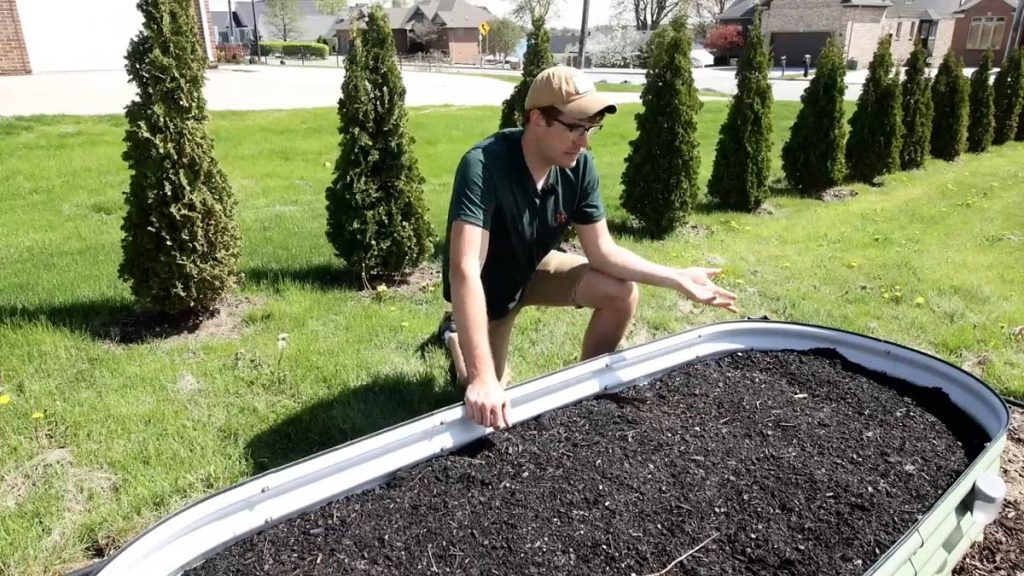
Are you ready to turn your raised garden beds into a thriving oasis without spending a fortune? Filling raised beds can sometimes feel overwhelming and expensive, but it doesn’t have to be that way.
Imagine creating rich, healthy soil for your plants while saving money and making smart choices. In this guide, you’ll discover simple, budget-friendly ways to fill your raised garden beds that anyone can follow. Keep reading, and you’ll learn how to get the most out of your garden space without breaking the bank.
Your garden—and your wallet—will thank you!

Credit: www.hgtv.com
Choosing Affordable Fill Materials
Filling raised garden beds does not have to be expensive. You can use low-cost materials that help plants grow well. Using affordable fill saves money and benefits the environment.
Look for natural and recycled options near you. These choices often work just as well as costly soil mixes. Let’s explore some smart ways to fill your beds cheaply.
Using Local Soil And Compost
Local soil is a budget-friendly option. Mixing it with homemade compost improves nutrients and drainage. Collect soil from your yard or a nearby area that is free from chemicals.
Compost can be made from kitchen scraps and garden waste. It adds rich organic matter to your soil mix. The right balance creates a healthy growing space for plants.
- Gather soil from safe, untreated areas
- Make compost using vegetable scraps and leaves
- Mix soil and compost for better texture
- Test soil pH if possible for best results
Recycling Yard Waste
Yard waste is a useful resource to fill raised beds. Leaves, grass clippings, and small branches break down into nutrient-rich material. This recycling reduces waste and helps your garden.
| Yard Waste Type | Use in Garden Bed |
|---|---|
| Leaves | Layer for mulch or compost base |
| Grass Clippings | Mix into compost for nitrogen |
| Small Branches | Use as bottom layer for drainage |
| Plant Trimmings | Add to compost pile |
Sourcing Free Or Cheap Mulch
Mulch protects soil and keeps moisture. You can find free or low-cost mulch from many places. Check with local tree services, garden centers, or community groups.
- Ask tree trimmers for wood chips
- Look for free mulch giveaways in your area
- Use shredded leaves or straw as mulch
- Buy bulk mulch from local suppliers for a low price
Layering For Efficiency
Filling raised garden beds can be done cheaply by using layers of different materials. Layering saves money and helps plants grow better.
Each layer plays a special role. Start with bulk fillers and add nutrient-rich layers on top. Finish with organic matter to improve soil health.
Starting With Bulk Fillers
Bulk fillers take up space and reduce the amount of expensive soil needed. Use materials that drain well and break down slowly.
- Wood chips or small branches
- Straw or hay
- Cardboard or newspaper layers
- Dry leaves
- Old compost or manure
Adding Nutrient-rich Top Layers
Place nutrient-rich soil or compost near the surface. This layer feeds the plant roots and helps them grow strong.
| Material | Benefits |
| Compost | Provides nutrients and improves soil texture |
| Topsoil | Supports root growth and water retention |
| Manure | Supplies nitrogen and other minerals |
Incorporating Organic Matter
Organic matter keeps the soil healthy by improving moisture and air flow. It also helps soil microbes thrive.
- Mix shredded leaves or grass clippings into the top layers.
- Add worm castings for extra nutrients.
- Use kitchen scraps in a compost layer.
Diy Composting Tips
Filling raised garden beds can be affordable with homemade compost. Composting helps recycle kitchen scraps and yard waste into nutrient-rich soil.
Learn simple ways to compost at home. These tips will help you manage your compost pile effectively.
Composting Kitchen Scraps
Kitchen scraps are a great source of compost material. Use items like fruit peels, vegetable scraps, and coffee grounds.
Avoid composting meat, dairy, and oily foods. These can attract pests and create odor problems.
- Chop scraps into small pieces for faster breakdown
- Store scraps in a sealed container to prevent smells
- Mix scraps with dry leaves for balance
Managing A Backyard Compost Pile
Choose a shady spot for your compost pile. This helps maintain moisture levels.
Turn your compost regularly to aerate it. This encourages bacteria to break down materials.
- Layer green and brown materials
- Keep compost moist, like a damp sponge
- Cover with a tarp to retain heat
Speeding Up Decomposition
To speed up decomposition, maintain a good mix of materials. Use two parts brown to one part green.
Adding a compost accelerator can also help. This boosts microbial activity.
- Shred or chop materials for quicker breakdown
- Keep pile warm with a cover
- Turn pile weekly for airflow

Credit: www.epicgardening.com
Using Alternative Fill Options
Filling raised garden beds can be costly if you use only soil. You can save money by using other materials. These options break down over time and add nutrients to the soil.
Using layers of different materials creates a rich and healthy garden bed. This method helps improve drainage and retains moisture well for plants.
Cardboard And Newspaper Layers
Cardboard and newspaper are great base layers for your garden bed. They block weeds and slowly decompose, adding organic matter to the soil. Avoid glossy or colored papers, as these may contain harmful chemicals.
- Lay down flattened cardboard sheets without tape or staples.
- Cover with several layers of newspaper, wetting them to keep in place.
- Add compost or soil on top to start planting.
Wood Chips And Straw
Wood chips and straw are useful for filling raised beds cheaply. They improve soil structure as they break down. Straw is lighter and easier to handle, while wood chips last longer.
| Material | Benefits | Notes |
| Wood Chips | Long-lasting, good for drainage | Use aged chips to avoid nitrogen loss |
| Straw | Lightweight, adds nutrients quickly | Keep away from seeds to prevent weeds |
Grass Clippings And Leaves
Grass clippings and leaves are easy to find and free. They add nitrogen and other nutrients. Mix them well to avoid clumping and bad odors. Use only dry leaves to prevent mold.
- Collect grass clippings from untreated lawns.
- Spread leaves in thin layers to speed decomposition.
- Turn the pile to add air and reduce smell.
- Avoid thick layers that trap moisture.
Maximizing Soil Health On A Budget
Filling raised garden beds does not need to be expensive. You can create healthy soil without spending much money. Good soil helps plants grow strong and produce more food.
Using simple and natural methods keeps costs low. This guide shows ways to improve soil health while saving money.
Natural Fertilizers And Amendments
Natural fertilizers add nutrients to the soil without high costs. Compost, manure, and leaf mold are affordable options. These materials improve soil texture and fertility.
Mix these natural amendments into your raised beds to feed your plants. They release nutrients slowly, making soil richer over time.
- Use kitchen scraps and yard waste to make compost
- Add aged manure from local farms
- Collect fallen leaves to create leaf mold
- Mix in wood ash for potassium and calcium
Encouraging Beneficial Microorganisms
Healthy soil has many tiny living organisms. They break down organic matter and help plants absorb nutrients. You can support these microorganisms without spending money.
Adding organic material and avoiding harsh chemicals keeps microbes active. Turning the soil gently adds air, which they need to survive.
- Use compost to feed microbes
- Avoid digging too deep to protect soil life
- Keep soil moist but not waterlogged
- Plant cover crops to provide food for microbes
Avoiding Costly Chemicals
Many chemical fertilizers and pesticides are expensive. They can also harm beneficial soil life. Instead, choose natural ways to keep soil healthy.
Use homemade sprays and organic pest controls to protect plants. Natural soil care keeps your garden safe and budget-friendly.
- Make compost tea to feed plants naturally
- Use neem oil or soap sprays for pests
- Practice crop rotation to reduce pests and diseases
- Plant flowers that attract helpful insects
Credit: www.youtube.com
Smart Shopping And Sourcing
Filling raised garden beds can be costly, but smart shopping helps save money. You can find good materials without spending too much.
Look for deals and use community resources to get soil, compost, and other supplies cheaply or free.
Finding Deals At Garden Centers
Garden centers often have sales on soil and compost. Check for discounts on bulk purchases or end-of-season deals.
Some centers sell slightly damaged bags at lower prices. These still work well for filling raised beds.
- Visit garden centers late in the day or week for clearance sales
- Ask about discounts on bulk soil or compost
- Look for damaged packaging sales
- Sign up for store newsletters to get alerts on deals
Community Swaps And Freecycle Groups
Community swaps are great places to trade or get free soil and mulch. Many people share extra garden materials.
Freecycle groups online connect neighbors who want to give away garden supplies. Check local groups often.
- Join local gardening clubs or Facebook groups
- Attend community swap events
- Post requests for soil or compost in freecycle groups
- Offer something in exchange to get materials for free
Using Online Marketplaces
Online marketplaces offer used or leftover garden soil and compost at lower prices. Check listings near you.
Sometimes people sell or give away topsoil from home projects. Buying from neighbors saves delivery costs too.
- Search for soil, compost, or mulch in local buy/sell groups
- Negotiate prices for bulk items
- Look for free giveaways to save money
- Check reviews or ratings of sellers before buying
Frequently Asked Questions
What Materials Are Cheapest For Filling Raised Garden Beds?
Using compost, shredded leaves, grass clippings, and kitchen scraps is cost-effective. These materials enrich soil naturally without buying expensive soil mixes.
Can I Use Cardboard To Fill Raised Garden Beds Cheaply?
Yes, cardboard can suppress weeds and decompose over time. Layer it at the bottom before adding soil and organic matter for an affordable base.
How To Create Nutrient-rich Soil Without Spending Much?
Mix homemade compost with local topsoil and organic waste. This blend provides nutrients and structure, reducing the need to purchase commercial soil amendments.
Is Using Mulch A Good Way To Fill Raised Beds Cheaply?
Mulch helps retain moisture and adds organic matter as it breaks down. Use wood chips, straw, or grass clippings to fill space economically.
Conclusion
Filling raised garden beds does not need to be costly. Use local soil, compost, and mulch to save money. Mixing materials helps plants grow strong and healthy. Regularly adding organic waste keeps soil rich and alive. Small efforts bring big results in your garden.
Start with what you have and build over time. Enjoy fresh vegetables and flowers without spending much. Gardening can be simple, fun, and affordable for everyone.