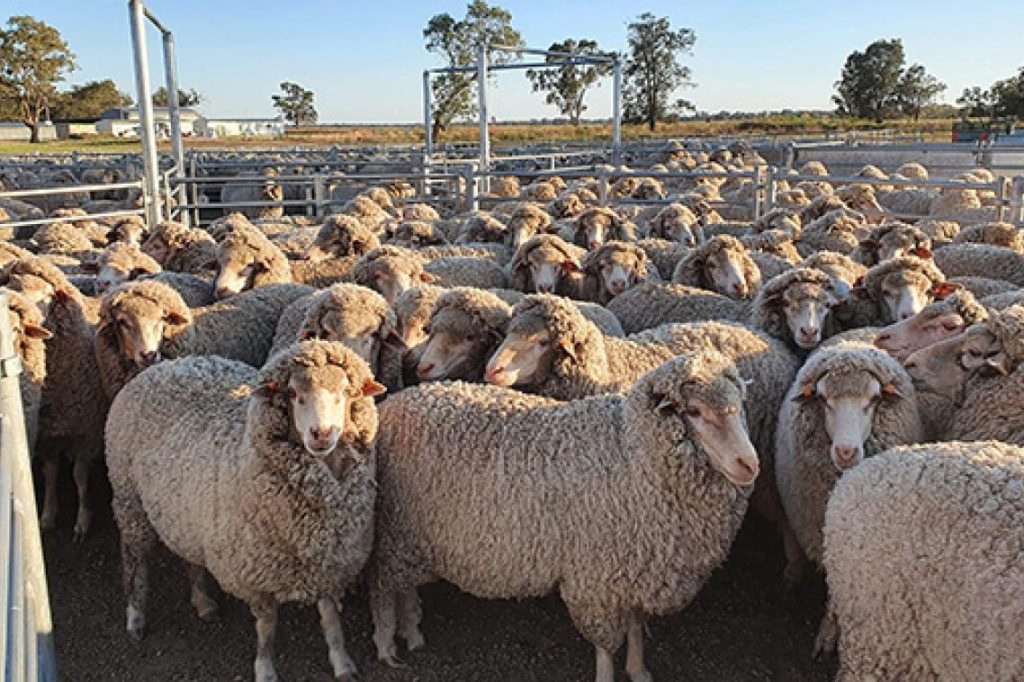
Have you ever wondered how often a sheep needs to be sheared? If you’re curious about sheep care or just fascinated by these fluffy animals, understanding their shearing schedule is key.
Knowing when and why sheep get sheared can help you appreciate the process and even improve wool quality if you’re involved in farming. Stick with me, and you’ll discover the surprising facts behind sheep shearing that many people don’t know.
By the end, you’ll see shearing in a whole new light—and maybe even find yourself eager to learn more!
Sheep Shearing Basics
Sheep shearing is the process of cutting off a sheep’s wool. It is done to keep the sheep healthy and comfortable.
Knowing how often to shear sheep helps farmers care for their animals properly. It also affects wool quality.
Purpose Of Shearing
Shearing removes the thick wool coat from sheep. This stops the wool from getting too heavy and dirty.
Shearing helps prevent problems like overheating and skin infections. It also makes it easier to check the sheep’s health.
- Keep sheep cool in warm weather
- Remove dirt, pests, and parasites
- Prevent wool from matting and becoming unusable
- Allow farmers to inspect skin and health
Sheep Wool Growth Cycle
Sheep wool grows continuously but at different rates for each breed. Most sheep are sheared once a year.
Wool grows back after shearing. The cycle repeats to produce new wool for farmers to collect.
- Wool grows about 2.5 cm (1 inch) per month
- Shearing usually happens in spring or early summer
- Sheep need at least one year of wool growth before shearing
- Frequent shearing can harm the wool quality and sheep health
Frequency Of Shearing
Shearing is the process of cutting wool off sheep. How often sheep get sheared depends on several factors. This helps keep sheep healthy and comfortable.
Understanding the frequency of shearing helps farmers plan their care routines. It also affects wool quality and sheep wellbeing.
Annual Shearing Norms
Most sheep are sheared once a year. This usually happens in the spring or early summer. Shearing before hot weather helps sheep stay cool.
- Shearing once a year is common for wool breeds.
- Some breeds grow wool faster and may need shearing twice a year.
- Shearing too often can stress the sheep and reduce wool quality.
Factors Affecting Shearing Frequency
Shearing frequency changes based on sheep type, climate, and farming practices. Farmers watch these factors closely to decide when to shear.
| Factor | Impact on Shearing Frequency |
| Sheep Breed | Fast-growing wool breeds may shear twice a year |
| Climate | Hot climates require earlier or more frequent shearing |
| Wool Quality | Finer wool may need careful timing to avoid damage |
| Health | Sheep health may delay or speed up shearing |
Seasonal Considerations
Shearing sheep is an important task for farmers. The timing affects the sheep’s health and wool quality. Seasons play a big role in deciding when to shear sheep.
Understanding seasonal patterns helps farmers plan shearing. It ensures wool is at its best and sheep remain healthy.
Best Time To Shear
Spring is often the best time to shear sheep. The weather is mild and the sheep are comfortable. Shearing in spring helps sheep stay cool in the summer.
Some farmers shear in late winter. This gives sheep time to regrow some wool before the cold. It is important to avoid shearing too close to winter.
- Spring shearing keeps sheep cool in summer
- Winter shearing allows regrowth for warmth
- Timing depends on local climate
Impact Of Climate On Shearing
Climate affects shearing schedules. In warmer climates, sheep may be sheared more often. This keeps them comfortable and prevents overheating.
In colder regions, shearing happens less often. Farmers ensure sheep have enough wool to stay warm. The timing must be just right to avoid cold stress.
- Warmer climates require more frequent shearing
- Colder climates need careful timing
- Local weather patterns guide shearing plans

Credit: realranchers.com
Shearing Techniques
Shearing is the process of cutting wool off sheep. It keeps them cool and healthy. There are two main ways to shear sheep. Each way has its own tools and steps.
Choosing the right method depends on skill, speed, and safety. Both ways help farmers get wool for making clothes and other goods.
Hand Shearing Vs Machine Shearing
Hand shearing uses manual tools like hand shears. Machine shearing uses electric clippers. Hand shearing is slower but needs less power. Machine shearing is fast but needs electricity and more skill.
- Hand Shearing:Done with scissors or blades held by hand.
- Machine Shearing:Uses powered clippers with sharp blades.
- Speed:Machines shear sheep faster than hands.
- Skill:Hand shearing needs steady hands. Machine shearing needs control of the tool and sheep.
- Wool Quality:Both methods can produce good wool if done well.
Safety For Sheep And Shearers
Shearing can hurt sheep or shearers if done wrong. Safety is important. Shearers must protect their hands and backs. Sheep need gentle handling to avoid cuts and stress.
| Safety Aspect | For Sheep | For Shearers |
| Injury Risk | Use sharp tools carefully to avoid cuts. | Wear gloves and keep blades sharp to prevent slips. |
| Handling | Hold sheep gently to reduce stress and injury. | Use proper posture to avoid back strain. |
| Environment | Shear in clean, dry areas to prevent infections. | Keep work area clear to avoid tripping. |
After Shearing Care
Shearing is an important task for sheep, but care must continue after it. Proper aftercare helps keep sheep healthy and their wool in good shape.
Good handling and care after shearing prevent problems and prepare the wool for use.
Wool Handling And Storage
After shearing, wool needs careful handling to keep it clean and strong. Store wool in a dry place to avoid damage and pests.
- Remove dirt and vegetable matter from the fleece
- Keep wool dry and away from direct sunlight
- Use breathable bags for storage
- Label wool batches by shearing date and sheep type
- Check stored wool regularly for signs of moths or mold
Sheep Health Post-shearing
Sheep can feel cold or stressed after shearing. Watch them closely for cuts or infections.
| Care Action | Purpose |
| Check sheep for cuts | Prevent infections |
| Provide shelter | Protect from cold and rain |
| Offer clean water and food | Help sheep recover energy |
| Keep sheep calm | Reduce stress |

Credit: feltingandfiberstudio.com
Special Cases
Sheep shearing schedules can change depending on special cases. Some sheep breeds need different care. Wool that grows too long also needs special handling.
Understanding these differences helps keep sheep healthy and comfortable. It also ensures the wool stays in good condition.
Shearing Different Sheep Breeds
Not all sheep are the same. Some breeds grow wool faster or slower. Some have wool that mats easily. This affects how often they should be sheared.
- Merino sheep grow fine wool that needs shearing at least once a year.
- Suffolk sheep have coarser wool and may be sheared less often.
- Cotswold sheep produce long wool that can be sheared every 12 to 18 months.
- Some rare breeds need special care due to wool type or growth speed.
Farmers must watch their sheep closely. They need to check wool length and condition for each breed.
Handling Overgrown Wool
Wool that is too long can cause problems. It may get dirty, tangled, or cause overheating. Overgrown wool needs careful shearing to avoid harming the sheep.
| Problem | Solution | Notes |
| Matted wool | Use special combs before shearing | Prevents pulling the sheep’s skin |
| Very thick wool | Shear in sections | Reduces stress on the animal |
| Dirty wool | Clean sheep before shearing | Improves wool quality |
| Wool causing heat stress | Shear early in warm seasons | Keeps sheep cool and healthy |
Proper tools and gentle handling are key. Overgrown wool takes extra time but protects the sheep’s well-being.

Credit: www.reddit.com
Frequently Asked Questions
How Often Should Sheep Be Sheared Annually?
Sheep are typically sheared once a year, usually in spring. This timing helps keep them cool in summer and prevents wool overgrowth.
Why Is Annual Shearing Important For Sheep Health?
Annual shearing prevents wool from becoming matted and heavy. It reduces parasite risks and helps maintain sheep’s overall comfort and hygiene.
Can Sheep Be Sheared More Than Once A Year?
Some breeds can be sheared twice yearly, but most sheep only require once. Over-shearing can stress the animal and impact wool quality.
What Happens If Sheep Are Not Sheared Regularly?
Unshorn sheep can suffer from heat stress, infections, and mobility issues. Excessive wool can harbor pests and cause discomfort or health problems.
Conclusion
Sheep need shearing about once a year to stay healthy. Regular shearing helps prevent wool from becoming too thick. Thick wool can cause overheating and discomfort for sheep. Farmers watch the wool growth to decide the best time to shear.
Proper shearing keeps sheep clean and comfortable. It also helps farmers get quality wool for use. Taking care of sheep with yearly shearing is important. This simple step supports both the animal and the farmer well.