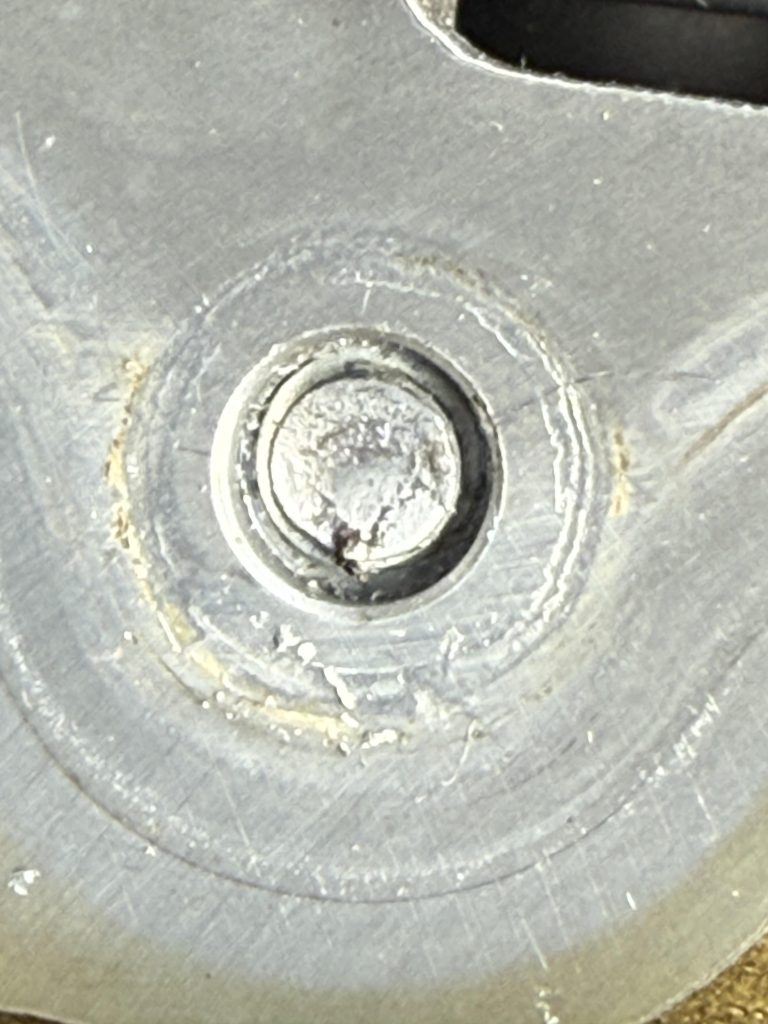
Have you ever faced the frustration of a sheared bolt stuck tight, refusing to budge? Removing it can feel like an impossible task, especially if you don’t know the right steps.
But don’t worry—you’re not alone, and you can fix this. In this guide, you’ll discover simple, effective methods to remove a sheared bolt without damaging your tools or materials. By the end, you’ll have the confidence to tackle this common problem and get your project back on track.
Keep reading to learn the tricks that make bolt removal easier than you thought.

Credit: www.reddit.com
Tools Needed
Removing a sheared bolt can be tough. Having the right tools helps you do it safely and fast. This guide shows the tools you need.
These tools include basic hand tools, special bolt extractors, and safety gear. Each plays an important role in the process.
Basic Hand Tools
Basic hand tools help you prepare and work on the bolt. You will need tools to grip, turn, and drill into the bolt.
- Hammer for tapping and loosening the bolt
- Center punch to mark the bolt’s center
- Drill with metal drill bits to make pilot holes
- Wrenches or pliers to grip the bolt head
- Screwdrivers for removing any covers or parts
Specialized Bolt Extractors
Specialized bolt extractors help pull out the broken bolt from the hole. They are designed for bolts that cannot be removed by normal tools.
- Left-hand drill bits that drill in reverse to loosen bolts
- Spiral screw extractors that bite into the bolt for removal
- Socket extractors for rounded or damaged bolt heads
- Easy outs that screw into the bolt to pull it out
Safety Gear
Safety gear protects you during the bolt removal process. It prevents injuries from flying metal and sharp tools.
- Safety goggles to protect your eyes from metal chips
- Work gloves to protect your hands from sharp edges
- Ear protection if you use loud power tools
- Dust mask to avoid inhaling metal dust
Assessing The Damage
Removing a sheared bolt starts with checking the damage carefully. You need to know how bad the bolt is before you try to remove it.
Assessing the damage helps you choose the right tools and methods. It also prevents more damage to the parts around the bolt.
Check Bolt Condition
Look closely at the broken bolt. See if the bolt is rusted, bent, or stuck. This tells you how hard it will be to remove.
Check if the bolt is sheared cleanly or if parts are jagged. Clean breaks are easier to handle than jagged ones.
Identify Bolt Type
Knowing the bolt type helps you pick the right removal tools. Different bolts need different tools and methods.
- Check if the bolt is metric or standard size
- Note the bolt head type: hex, square, or Torx
- Identify the material: steel, stainless steel, or alloy
This information helps avoid damage and speeds up the removal process.
Evaluate Surrounding Material
Look at the material around the sheared bolt. It could be metal, plastic, or wood. This affects how you remove the bolt safely.
Check if the material is cracked or weakened. Damaged material may need extra care to avoid breaking more.
Preparation Steps
Removing a sheared bolt can be tricky. Proper preparation makes the task easier and safer.
Follow these steps to prepare effectively before attempting to remove a sheared bolt.
Clear Work Area
Begin by organizing your workspace. A clean area helps in focusing on the task.
- Remove any tools or debris around the bolt.
- Ensure you have adequate lighting.
- Wear protective gear like gloves and goggles.
Apply Penetrating Oil
Penetrating oil loosens rust and debris. This makes it easier to remove the bolt.
Heat Application Techniques
Heat can expand metal, helping to release the bolt. Use this method carefully.
- Use a heat gun or propane torch.
- Direct the heat to the bolt for about 30 seconds.
- Allow the bolt to cool slightly before attempting removal.

Credit: www.reddit.com
Removing The Sheared Bolt
Sheared bolts can stop your project if you do not remove them correctly. Removing a sheared bolt needs patience and the right tools. This guide shows simple ways to take out a stuck bolt.
Use the right method based on your tools and the bolt’s condition. Safety is important, so wear protective gear while working.
Using Pliers Or Vice Grips
Pliers or vice grips can help if the bolt sticks out. Grip the bolt firmly and turn it slowly to remove it. Make sure the grips hold the bolt tightly to avoid slipping.
If the bolt is flush or below the surface, this method might not work. Use pliers only if you can get a solid hold on the bolt’s edge.
Drilling And Using Extractor Bits
Drill a small hole in the center of the sheared bolt. Use an extractor bit to turn and remove the bolt. Extractor bits grip inside the hole and twist the bolt out.
- Choose the right size drill bit for the bolt
- Drill slowly to avoid damaging the surrounding material
- Insert the extractor bit and turn counterclockwise
- Apply steady pressure until the bolt comes out
This method works well for bolts stuck deep inside holes. Use steady hands to avoid breaking the extractor bit inside the bolt.
Tapping With A Hammer And Punch
Use a hammer and punch to tap the bolt loose. Place the punch on the bolt’s edge and tap gently with the hammer. This can help break rust or debris holding the bolt.
Tap around the bolt to move it slightly. After tapping, try turning the bolt with pliers or an extractor. Repeat tapping if needed but avoid hitting too hard.
Preventing Future Shearing
Sheared bolts can cause delays and damage in projects. Preventing future shearing saves time and money. Proper care and techniques keep bolts strong.
Following simple steps helps avoid bolt failure. Use the right tools and materials for best results. This guide covers key ways to prevent shearing.
Proper Torque Application
Applying the correct torque is vital to avoid shearing bolts. Too much force can break the bolt, while too little can loosen it.
Use a torque wrench to tighten bolts to the recommended level. Check manufacturer guidelines for the exact torque values needed.
- Always calibrate your torque wrench before use
- Do not guess the torque; use proper tools
- Tighten bolts gradually and evenly
Regular Maintenance
Regularly inspect bolts for wear and damage. Catching problems early prevents bolts from shearing during use.
Clean bolts and threads to remove dirt and rust. Lubricate bolts if needed to reduce friction and stress.
- Schedule periodic checks for all bolts
- Replace damaged or corroded bolts immediately
- Keep bolts clean and lubricated
Using Quality Fasteners
Choose high-quality bolts made from strong materials. Cheap or low-grade fasteners break more easily under stress.
Look for bolts that meet industry standards. Better fasteners offer more strength and last longer in tough conditions.
- Buy bolts from trusted manufacturers
- Check for proper grade and size
- Avoid reused or damaged bolts

Credit: www.reddit.com
When To Seek Professional Help
Removing a sheared bolt can be tricky. Sometimes, it is best to ask for expert help.
Professionals have the right tools and skills. They can avoid further damage to your equipment.
Complex Or Rusted Bolts
Bolts that are rusted or in hard-to-reach places need special care. Trying to remove them without skill can break tools.
Experts know how to handle these bolts safely. They use techniques to loosen rust and reach difficult spots.
- Bolts stuck due to rust or corrosion
- Bolts in tight or hidden spaces
- Bolts that have broken deep inside
Damage To Surrounding Parts
Sheared bolts near sensitive parts can cause more harm if removed carelessly. Professionals protect these parts during removal.
If you see scratches, cracks, or other damage near the bolt, call a professional. They can prevent worsening the damage.
- Bolts close to fragile components
- Areas with visible damage around bolts
- Parts that require precise handling
Frequently Asked Questions
How Do I Remove A Sheared Bolt Safely?
To remove a sheared bolt safely, use a bolt extractor set. First, drill a small hole in the bolt’s center. Then, insert the extractor and turn it counterclockwise. This method avoids damaging surrounding materials and ensures a secure grip on the bolt.
What Tools Are Best For Extracting Sheared Bolts?
The best tools include bolt extractors, drill bits, and pliers. Bolt extractors grip the broken bolt securely. Drills create pilot holes for extractors. Pliers help remove loosened bolts. Using the right tools makes removal easier and prevents damage.
Can Heat Help In Removing A Sheared Bolt?
Yes, applying heat can expand the metal around the bolt. Use a heat gun or torch cautiously to avoid damage. Heat loosens rust and corrosion, making bolt removal easier. Always wear safety gear when using heat.
How To Prevent Bolts From Shearing In The Future?
Prevent shearing by using the correct bolt grade and size. Avoid over-tightening and use a torque wrench for precision. Regularly inspect bolts for wear and corrosion. Proper maintenance extends bolt life and reduces breakage risk.
Conclusion
Removing a sheared bolt does not have to be hard. Use the right tools and take your time. Start with simple methods like gripping or drilling. If needed, try special extractors designed for stuck bolts. Stay patient and work carefully to avoid damage.
With practice, you will gain confidence in fixing bolts. Keep safety in mind during every step. This skill can save you time and money in repairs.