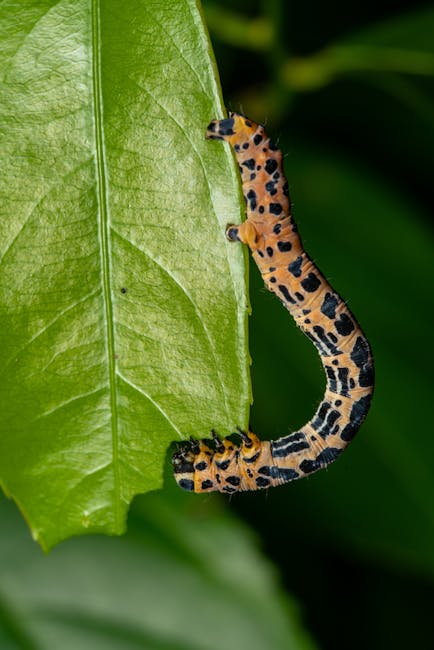
Have you ever spotted a fuzzy caterpillar crawling on a tree and wondered if it could harm you? The Eastern Tent Caterpillar is a common sight in many backyards, but many people ask: Is the Eastern Tent Caterpillar poisonous?
If you want to keep your family and pets safe while enjoying the outdoors, it’s important to know the truth about this insect. Keep reading to discover what you need to watch out for and how to protect yourself from any risks.
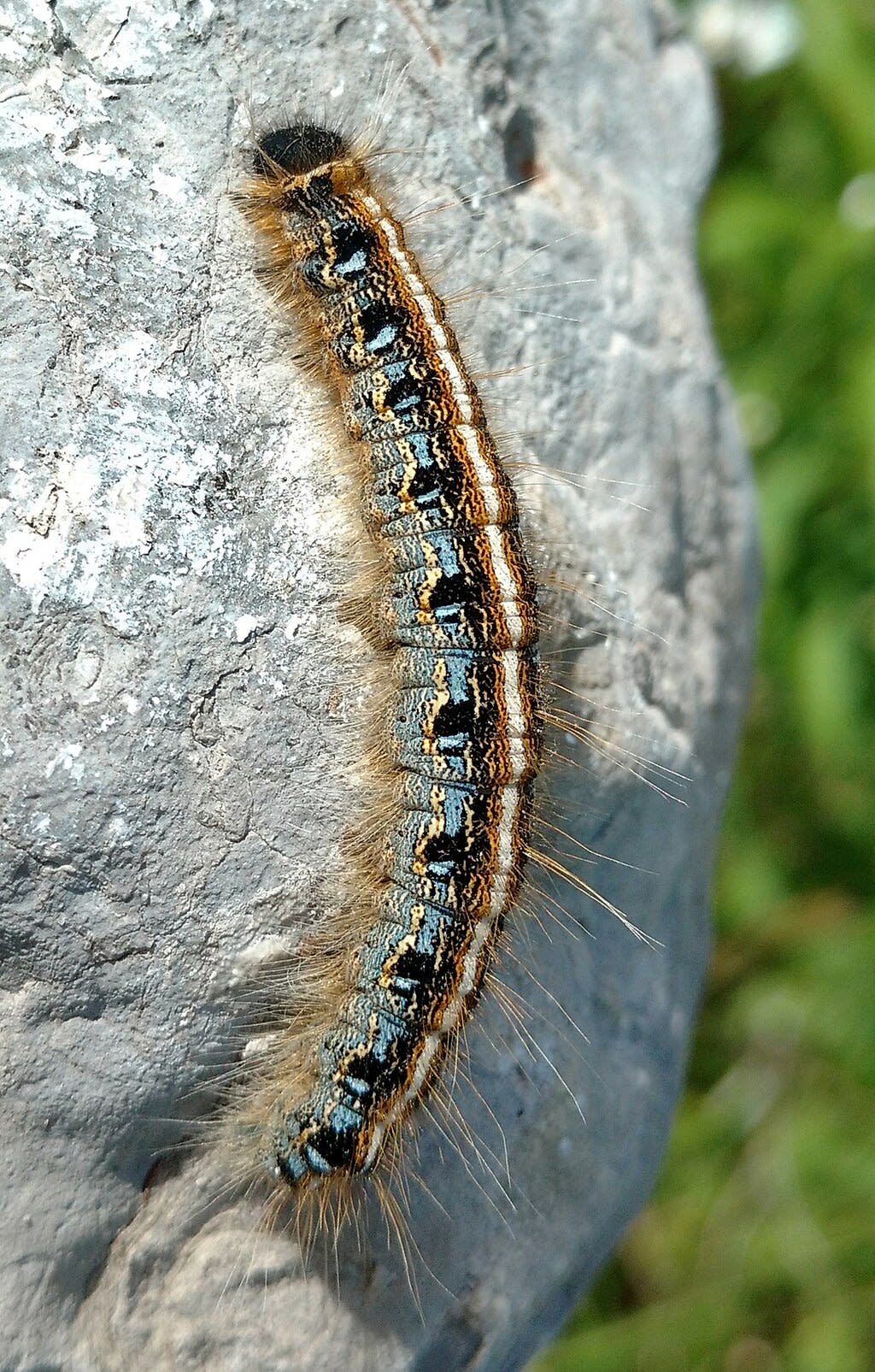
Credit: owlcation.com
Eastern Tent Caterpillar Basics
The Eastern Tent Caterpillar is a common insect found in North America. It is known for creating silk tents in tree branches. Many people wonder if this caterpillar is poisonous.
This guide covers its identification, where it lives, and its life cycle stages. Understanding these basics helps you recognize and safely observe these insects.
Identification Features
The Eastern Tent Caterpillar has a unique look that makes it easy to spot. It has a hairy body with a dark color and a white stripe down its back.
- Length: About 2 inches when fully grown
- Color: Dark brown or black with white lines
- Hair: Fine hairs cover the body
- Tent: Creates a silk tent in tree branches
Habitat And Range
Eastern Tent Caterpillars live mainly in deciduous trees like cherry and apple. They are found mostly in the eastern parts of the United States and Canada.
| Region | Common Trees |
| Eastern US | Cherry, Apple, Crabapple |
| Canada | Wild Cherry, Apple |
| Southern US | Less common |
Life Cycle Stages
The life cycle of the Eastern Tent Caterpillar has four main stages. Each stage changes how the caterpillar looks and behaves.
- Eggs: Laid on tree branches in late spring
- Larvae: Hatch and build silk tents while feeding on leaves
- Pupae: Form cocoons to change into moths
- Adult Moths: Emerge to mate and start the cycle again

Credit: www.butterfliesandmoths.org
Toxicity Myths And Facts
The Eastern Tent Caterpillar is a common insect found in many parts of North America. People often wonder if it is poisonous or harmful. There are many myths about its toxicity.
This article explains the truth about the Eastern Tent Caterpillar and its effects on humans.
Common Misconceptions
Many people believe the Eastern Tent Caterpillar is poisonous because it looks fuzzy and bright. Some think touching it causes serious harm. Others say it can poison pets or children.
These ideas are mostly wrong. The caterpillar is not poisonous in the usual sense. It does not have venom or toxins that cause serious illness or death.
- It is not venomous like some snakes or spiders.
- Touching it does not cause poisoning.
- It does not bite or sting.
Scientific Findings
Scientists have studied the Eastern Tent Caterpillar to check for toxins. They found no evidence of poison that affects humans. The caterpillar’s hairs can cause mild skin irritation in some people.
The irritation happens because the hairs are small and can scratch the skin. No serious allergic reactions or poisonings have been reported from these caterpillars.
- No venom or harmful chemicals in the caterpillar’s body.
- Hairs may cause mild itching or rash in sensitive people.
- Most people have no reaction at all.
Effects On Humans
When people touch the Eastern Tent Caterpillar, they usually feel nothing or mild irritation. Some may get red bumps or a slight rash. The symptoms go away in a few hours or days.
The caterpillar does not bite, sting, or inject poison. It is safe to handle carefully. Washing hands after touching it helps prevent irritation.
- Mild skin irritation or rash possible for some.
- No dangerous bites or stings.
- Wash skin to reduce irritation.
- Seek medical help only if severe reaction occurs.
Risks To Pets And Wildlife
The Eastern Tent Caterpillar is common in many regions. People often worry if it is dangerous to pets and wildlife.
These caterpillars are not usually harmful to humans. But, they can pose risks to animals.
Reported Cases
Some animals have become ill after eating these caterpillars. Horses are most at risk, especially pregnant mares.
Horses may suffer from a condition called Mare Reproductive Loss Syndrome (MRLS).
- Horses eating caterpillars can lead to pregnancy issues.
- Pets rarely eat enough to cause harm.
- Wildlife often avoids these caterpillars.
Symptoms In Animals
Animals that eat these caterpillars might show symptoms. In horses, symptoms are severe and can include pregnancy loss.
Other animals might have mild discomfort or upset stomachs.
- Horses: Pregnancy issues, loss of foal.
- Pets: Vomiting, stomach upset.
- Wildlife: Usually no symptoms as they avoid them.
Precautionary Measures
There are ways to protect animals from eating these caterpillars. Check pastures and remove caterpillars if possible.
Keep pets supervised when outside, especially in areas with many caterpillars.
- Inspect and clean animal habitats regularly.
- Supervise pets in infested areas.
- Consult a vet if symptoms appear.
Handling And Safety Tips
The Eastern Tent Caterpillar is a common insect found in many areas. While it is not poisonous, it can cause skin irritation. Proper handling is important to avoid discomfort.
This guide covers how to remove these caterpillars safely, what gear to wear, and when to get medical help.
Safe Removal Methods
Removing Eastern Tent Caterpillars from trees or plants should be done carefully. Avoid touching them with bare hands to prevent skin irritation.
- Use a stick or long tool to gently dislodge the caterpillars.
- Cut away branches with large nests and dispose of them properly.
- Spray water to knock caterpillars off plants into a container for removal.
- Do not burn nests as this can harm trees and the environment.
Protective Gear Recommendations
| Protective Gear | Purpose |
| Gloves | Prevent skin contact and irritation |
| Long Sleeves | Protect arms from hairs and bites |
| Eye Protection | Keep irritants away from eyes |
| Mask | Avoid inhaling hairs or dust |
Wearing the right gear reduces the risk of allergic reactions. Always wash clothes after handling caterpillars.
When To Seek Medical Help
Most people only get mild irritation from the Eastern Tent Caterpillar. But some may need medical care.
- Seek help if you have severe swelling or rash.
- Get treatment if you experience difficulty breathing.
- See a doctor for an allergic reaction or infection signs.
- Visit a healthcare provider if irritation lasts more than a few days.
Impact On Trees And Gardens
The Eastern Tent Caterpillar affects many trees and garden plants. These caterpillars feed on leaves and can change the look of trees in spring. Gardeners often worry about how much harm they cause.
Understanding their feeding, damage, and control helps protect trees and gardens. This guide explains each part clearly.
Feeding Habits
Eastern Tent Caterpillars eat mostly the leaves of fruit trees like cherry, apple, and plum. They live in groups inside silk tents on tree branches. They leave the tents to feed during the day and return at night.
- They prefer young, tender leaves in spring.
- Caterpillars feed in large numbers.
- They can strip leaves quickly, exposing branches.
Damage Assessment
The leaf loss from these caterpillars can stress trees but usually does not kill them. Trees may look bare early in the season. This can reduce fruit production and slow growth.
| Damage Type | Effect on Tree or Garden |
| Leaf Defoliation | Reduces photosynthesis and growth |
| Silk Tents | Unattractive appearance on branches |
| Fruit Yield Drop | Fewer or smaller fruits |
| Tree Stress | Increased risk of other pests and diseases |
Control Strategies
Managing Eastern Tent Caterpillars can protect trees and gardens. Control starts early in spring before they spread.
- Remove and destroy silk tents by hand.
- Use natural predators like birds and wasps.
- Apply insecticidal soap or neem oil if needed.
- Prune affected branches to reduce caterpillar numbers.
- Keep trees healthy with watering and fertilizing.
Natural Predators And Biological Control
Eastern tent caterpillars are common insects found on trees in spring. They can cause damage to leaves but are not poisonous to humans. Nature helps control their numbers through predators and natural enemies.
This article explains how birds, parasitoids, and beneficial insects help keep the caterpillar population in balance. It also shows ways to encourage this natural control in your garden.
Birds And Parasitoids
Many birds eat eastern tent caterpillars. These birds reduce the caterpillar numbers and protect trees. Parasitoids, which are tiny wasps and flies, lay eggs on or inside the caterpillars. Their young feed on the caterpillars and kill them.
Common birds that eat these caterpillars include:
- Chickadees
- Blue jays
- Warblers
- Crow species
- Woodpeckers
Beneficial Insects
Besides parasitoids, other insects also help control caterpillars. Predatory beetles, spiders, and ants hunt and eat them. These insects lower the caterpillar population naturally without harming plants.
| Beneficial Insect | Role in Control |
|---|---|
| Lady beetles | Eat caterpillar eggs and larvae |
| Ground beetles | Hunt caterpillar pupae and adults |
| Spiders | Trap and consume caterpillars |
Encouraging Natural Balance
To help natural predators, plant native trees and shrubs. Avoid using pesticides that kill beneficial insects. Provide fresh water sources and safe places for birds and insects to live.
- Plant diverse native plants
- Limit chemical spray use
- Place bird feeders and baths
- Leave some leaf litter for insects
- Observe and protect natural habitats

Credit: www.boston25news.com
Frequently Asked Questions
Are Eastern Tent Caterpillars Poisonous To Humans?
No, Eastern Tent Caterpillars are not poisonous to humans. They do not have venom or toxins that cause harm. However, their hairs can cause mild skin irritation in some people.
Can Eastern Tent Caterpillars Harm Pets Or Children?
Eastern Tent Caterpillars are generally harmless to pets and children. They do not sting or bite. Still, it is best to avoid direct contact to prevent skin irritation.
What Should I Do If Stung By Eastern Tent Caterpillars?
If you experience skin irritation from Eastern Tent Caterpillars, wash the area with soap and water. Apply a soothing lotion or antihistamine cream to reduce itching.
Do Eastern Tent Caterpillars Pose Any Health Risks?
Eastern Tent Caterpillars pose minimal health risks. They are mostly a nuisance due to their nests and feeding habits on trees, not because they are toxic.
Conclusion
The Eastern Tent Caterpillar is not poisonous to humans. It may cause mild skin irritation for some people. Birds and other animals often eat these caterpillars. They play a role in nature’s cycle. You can safely observe them from a distance.
Knowing the facts helps reduce worry and fear. These caterpillars are more of a nuisance than a danger. Stay informed and enjoy watching their unique tents. Nature has many interesting creatures to discover.