When you’re out on the beach, ready to catch that big surf fish, one question might be on your mind: what size line should you use? Choosing the right fishing line can make all the difference between landing a trophy catch or losing it to the waves.
You want a line strong enough to handle powerful fish, but not so thick that it scares them away or limits your casting distance. You’ll discover exactly how to pick the perfect line size for surf fishing. Keep reading to make sure your next fishing trip is a success from the very first cast.
Choosing The Right Line Strength
Picking the right fishing line strength is key for surf fishing success. The line must hold up against waves, sand, and big fish.
The strength you choose depends on the fish you want and the conditions you face on the shore.
Light Vs Heavy Lines
Light lines are easier to cast far and feel fish bites well. They work best with smaller fish and calm water.
Heavy lines are stronger and resist breaking on big fish and rough waves. They are less sensitive but more durable in tough surf.
- Light lines: 6 to 12 pounds test
- Heavy lines: 20 to 30 pounds test or more
- Light lines suit small to medium fish
- Heavy lines suit large fish and rough surf
Matching Line To Target Species
Each fish species needs a certain line strength to catch it safely. Using the right line helps avoid broken lines and lost fish.
Check the size and power of the fish before picking your line. Stronger fish need stronger lines.
| Target Species | Recommended Line Strength |
| Whiting, small bream | 6 to 10 pounds |
| Bluefish, flathead | 12 to 20 pounds |
| Snapper, large tailor | 20 to 30 pounds |
| Kingfish, big mulloway | 30+ pounds |

Credit: greatdaysoutdoors.com
Monofilament Lines For Surf Fishing
Monofilament lines are popular for surf fishing. They offer good stretch and strength. These lines handle rough saltwater well.
Choosing the right line size is key. The size affects casting distance and fish control. Let’s explore the benefits, drawbacks, and recommended sizes.
Benefits And Drawbacks
Monofilament lines have many benefits for surf fishing. They are easy to handle and knot. They also absorb shock, which helps when a fish pulls hard.
- Good abrasion resistance on rough surfaces
- Cost-effective compared to other line types
- Floats on water, making it easier to spot
- Stretches to reduce sudden breaks
- Can degrade faster under sun exposure
- More stretch means less sensitivity to bites
- Less durable than braided lines in heavy cover
Recommended Sizes
Choose a line size based on the fish you want to catch. Thicker lines offer more strength but less casting distance. Thinner lines cast farther but may break easier.
| Fish Type | Line Size (lb Test) | Notes |
| Small Fish (Pompano, Croaker) | 10-15 | Good balance for light tackle |
| Medium Fish (Striped Bass, Redfish) | 15-25 | Stronger line for larger pulls |
| Large Fish (Shark, Bluefish) | 30-50 | Heavy duty for big fish fights |
Braided Lines In The Surf
Braided fishing lines are popular for surf fishing. They offer great strength and sensitivity. Many anglers choose braided lines for their durability. These lines can help catch bigger fish.
Choosing the right size braided line is important. It affects your fishing success. The line size depends on the fish you want to catch. It also depends on the fishing conditions.
Strength And Sensitivity
Braided lines are known for their strength. They can handle large fish. This makes them ideal for surf fishing. These lines are less likely to break under pressure.
Sensitivity is another key feature. Braided lines let you feel the smallest bites. This helps you react quickly. You can catch fish more effectively with a sensitive line.
- Strong enough for big fish
- High sensitivity for detecting bites
- Durable in rough conditions
Best Diameter Choices
The diameter of a braided line affects its performance. Thinner lines cast farther. They also offer more sensitivity. However, thicker lines provide more strength.
For surf fishing, a diameter of 20-30 lb test is common. This range balances strength and sensitivity. It is suitable for most surf fishing situations.
- 20-30 lb test for general use
- Thinner for longer casts
- Thicker for more strength

Credit: www.reddit.com
Fluorocarbon Lines For Surf Use
Fluorocarbon fishing lines are popular for surf fishing. They offer strong resistance to sun and saltwater.
Choosing the right size line affects your fishing success. Fluorocarbon lines work well with many surf fishing setups.
Abrasion Resistance
Fluorocarbon lines resist abrasion better than many other lines. This helps when fishing near rocks or sharp shells.
Strong abrasion resistance means the line lasts longer and breaks less often in rough conditions.
- Protects line from cuts and damage
- Improves durability in rough environments
- Helps avoid losing fish near rocky areas
Ideal Thickness
The best thickness depends on the fish size and surf conditions. Thicker lines hold more weight but are less invisible.
For most surf fishing, lines between 15 to 30 pounds test work well. This range balances strength and invisibility.
| Fish Size | Line Thickness (Pounds) |
|---|---|
| Small to Medium Fish | 15-20 lbs |
| Medium to Large Fish | 20-30 lbs |
| Very Large Fish or Heavy Surf | 30+ lbs |
Factors Affecting Line Size Selection
Choosing the right fishing line size is important for surf fishing success. The line must handle the environment and fish well.
Many factors change which line size works best. Knowing these helps pick the best line for your fishing trip.
Water Conditions And Currents
The water type and current strength affect the line size you need. Strong currents need thicker, stronger lines.
Clear water means thinner lines can work well because fish see the line better. Murky water allows for thicker lines.
- Strong currents require lines of 20-30 lb test or higher
- Calm water may allow lines as light as 10-15 lb test
- Thicker lines resist abrasion from rocks and debris
- Clear water calls for lighter, less visible lines
Fish Behavior And Size
Big fish need stronger lines to avoid breakage. Smaller fish allow use of lighter lines.
Fish that fight hard need thicker lines. Slow, gentle fish can be caught with thinner lines.
- Large, strong fish may need 25-50 lb test line
- Smaller, less active fish do well with 10-20 lb test
- Aggressive fish require tougher, abrasion-resistant line
- Behavior affects how much line strength you need
Casting Distance Needs
Long casts need thinner lines that fly through the air easier. Thick lines slow down your cast.
If you fish close to shore, a thicker line can work fine. For far casting, choose a lighter, thinner line.
- Thin lines help achieve longer casting distances
- Thicker lines reduce casting distance but add strength
- Balance casting needs with fish size and water conditions
- Use line weights around 10-15 lb for long casts

Credit: www.bdoutdoors.com
Tips For Maintaining Line Performance
Surf fishing line needs care to keep working well. Good maintenance helps avoid breaks and tangles.
Simple habits can make your fishing line last longer. Check it often and store it right.
Regular Inspection
Look at your fishing line before every trip. Check for cuts, frays, and weak spots.
Small damage can cause the line to break when you catch a fish. Replace damaged sections immediately.
- Run your fingers along the line to feel for nicks
- Look for discoloration or worn areas
- Check knots for slipping or loosening
Proper Storage
Keep your line in a cool, dry place when not fishing. Avoid direct sunlight to prevent damage.
Use a spool or container to keep the line neat. This stops tangles and keeps the line smooth.
- Store line away from heat and humidity
- Use a sealed container to protect from dust
- Keep line out of reach of pets and children
Replacing Worn Lines
Change your fishing line regularly. Old line loses strength and can snap easily.
Replace line after a big catch or if it shows signs of wear. Use the right size for surf fishing.
- Use 15-30 lb test line for most surf fishing
- Choose line that matches your reel and rod
- Cut off old line before adding new line
Popular Line Size Recommendations
Choosing the right line size for surf fishing is very important. The line must be strong enough to handle the fish you want to catch.
The size depends on the type and size of fish. This guide helps you pick the best line size for your needs.
For Small To Medium Fish
For small to medium fish, a lighter line works well. It offers good casting distance and sensitivity.
Lines with a test strength between 10 and 20 pounds are common. They can handle species like whiting, small bass, and croaker.
- 10-12 lb test for small fish
- 15-20 lb test for medium fish
- Monofilament or braided lines are good choices
For Large Game Fish
Large game fish need stronger lines to avoid breaking. Use heavier lines with high test strength.
Lines with 30 to 50 pounds test can handle species like striped bass, bluefish, or sharks. Braided lines are popular for strength and durability.
- 30-40 lb test for large fish
- 40-50 lb test for very large fish
- Choose braided lines for extra strength
Combining Line Types For Best Results
Choosing the right fishing line matters a lot in surf fishing. Combining different line types can improve strength and casting distance. Anglers often mix lines to get the best performance on the water.
Using leaders and setting up your line correctly helps to handle tough fish and rough conditions. It also reduces line visibility in the water, making fish less cautious.
Using Leaders
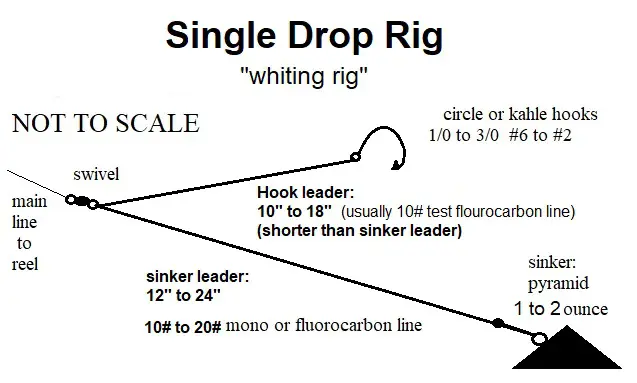
Leaders are a short length of line tied to the main fishing line. They protect the main line from sharp teeth, rocks, and rough sand. Leaders also help to keep bait natural and less visible.
- Use a leader with higher abrasion resistance than the main line.
- Choose a leader that is thinner to improve bait presentation.
- Monofilament leaders are good for flexibility and stretch.
- Fluorocarbon leaders work well because they are less visible underwater.
- Make leaders about 2 to 4 feet long for surf fishing.
Line Setup Examples
| Main Line | Leader Type | Leader Strength | Best Use |
|---|---|---|---|
| 20 lb Braided | Fluorocarbon | 15 lb | Clear water, long casts |
| 15 lb Monofilament | Monofilament | 12 lb | General surf fishing |
| 30 lb Braided | Fluorocarbon | 20 lb | Rough surf, big fish |
| 25 lb Monofilament | Fluorocarbon | 18 lb | Low visibility conditions |
Frequently Asked Questions
What Size Fishing Line Is Best For Surf Fishing?
A 15-30 lb test line is ideal for surf fishing. It balances strength and casting distance well. Choose based on target fish size and surf conditions.
How Does Line Size Affect Surf Fishing Success?
Line size impacts casting distance, strength, and sensitivity. Thicker lines offer strength but less distance. Thinner lines cast farther but may break easily.
Can I Use Braided Line For Surf Fishing?
Yes, braided line is popular for surf fishing. It offers high strength and excellent casting distance. Pair it with a fluorocarbon leader for abrasion resistance.
What Line Size Is Good For Catching Big Surf Fish?
For large surf fish, use 25-30 lb test line. It provides the strength needed to handle heavy, powerful fish in rough surf.
Conclusion
Choosing the right line size makes surf fishing more fun and successful. Thicker lines handle bigger fish but can cast less far. Thinner lines cast better but may break easily. Think about the fish you want to catch and the ocean conditions.
Test different sizes to find what works best for you. Good line choice helps you enjoy fishing and catch more fish. Keep it simple, and happy fishing!