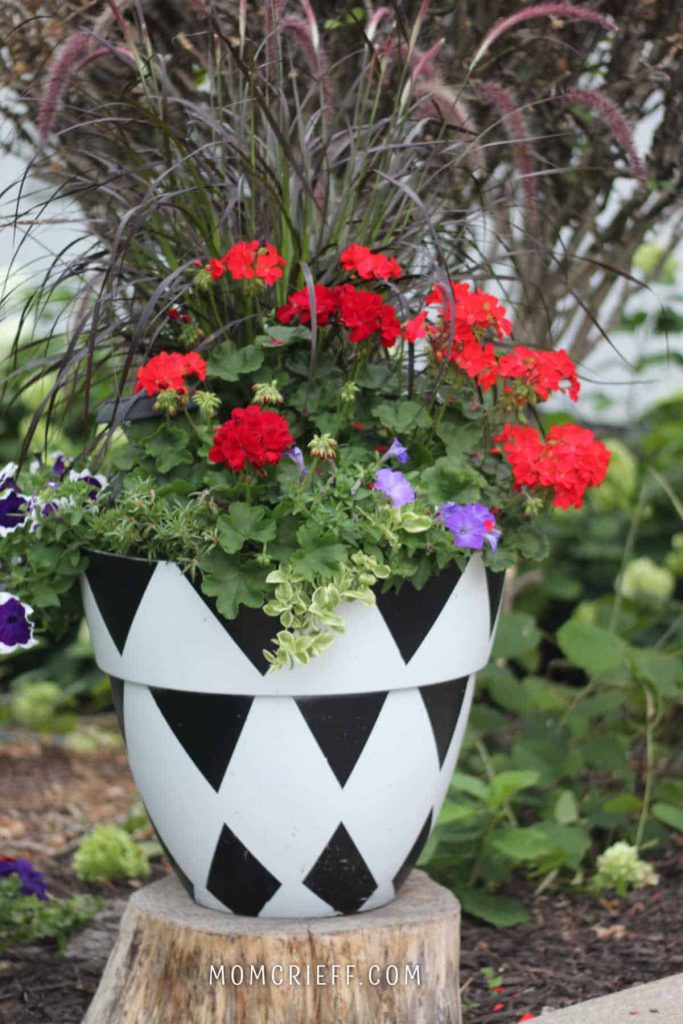
Are you ready to transform your outdoor space with stunning large planters? Potting big plants can feel tricky, but with the right steps, you’ll create a thriving, eye-catching display that brings life to your garden or patio.
Imagine how satisfying it will be to see your plants grow strong and healthy in their perfect new home. In this guide, you’ll discover simple, effective tips to pot large planters like a pro—no guesswork, no mess, just clear, easy instructions.
Keep reading and unlock the secrets to making your big planters flourish!
Choosing The Right Planter
Picking the right planter is key to potting large plants well. The right choice helps plants grow strong and stay healthy.
Consider the planter’s material, size, shape, and drainage. These factors affect plant growth and ease of care.
Material Options
Planters come in many materials. Each type affects plant health and planter weight differently.
Common materials include plastic, ceramic, clay, and metal. Choose based on style and plant needs.
- Plastic: Lightweight and affordable, but less breathable.
- Ceramic: Stylish and strong, holds moisture well.
- Clay: Porous and natural, lets soil breathe.
- Metal: Durable and modern, can heat up quickly.
Size And Shape Considerations
Pick a planter size that gives roots space to grow. Large planters help big plants stay stable.
Shape affects how roots spread and how much soil fits inside. Round and square shapes work well.
- Choose planters wider than the root ball.
- Deep planters support tall plants better.
- Round shapes allow even root growth.
- Square shapes fit in corners and tight spaces.
Drainage Importance
Good drainage prevents water from pooling at the roots. This stops root rot and keeps plants healthy.
Make sure your planter has holes at the bottom. Use a layer of rocks or gravel to improve drainage.
- Drainage holes let excess water escape.
- Without holes, roots can drown and die.
- Adding a gravel layer stops soil from blocking holes.
- Check drainage often, especially after watering.
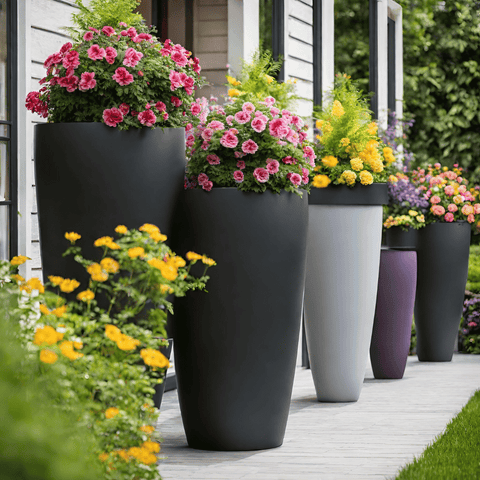
Credit: www.outdoorartpros.com
Selecting Suitable Plants
Choosing the right plants is key for large planters. The plants must fit the space and environment well.
Think about the conditions and how the plants will grow over time. This helps your planter look good longer.
Climate Compatibility
Select plants that match your local climate. Some plants need warm weather, others need cooler temperatures.
Check if the plant can handle your area’s sun, rain, and temperature changes. This keeps them healthy.
- Choose drought-tolerant plants for dry areas
- Pick frost-resistant plants for cold zones
- Use shade-loving plants if sunlight is limited
Growth Patterns
Know how plants grow to avoid overcrowding. Some plants spread wide, others grow tall or stay small.
Plan for space so roots and leaves don’t compete. This helps each plant thrive in the planter.
- Trailing plants hang over the edge
- Tall plants add height and structure
- Compact plants fill gaps without crowding
Color And Texture Choices
Use colors and textures to make your planter interesting. Mix bright and soft colors for contrast.
Combine smooth leaves with rough or fuzzy ones. This adds depth and beauty to your planter.
- Pair bold flowers with delicate foliage
- Use glossy leaves with matte textures
- Choose colors that blend or pop
Preparing The Planter
Getting your large planter ready is an important first step. Proper preparation ensures healthy plant growth.
Follow these simple steps to make sure your planter is in top shape before you plant.
Cleaning And Inspection
Start by cleaning your planter thoroughly. Remove any old soil and debris that may still be inside.
Check for cracks or damage. A damaged planter might not hold soil or water well.
- Wash with mild soap and water
- Rinse thoroughly
- Inspect for cracks or chips
Adding Drainage Layers
Drainage is crucial for plant health. Without it, water can pool and damage roots.
Add a layer of stones or broken pottery at the bottom. This helps water escape and keeps roots dry.
- Use small stones or pebbles
- Layer about one inch thick
- Ensure even coverage
Soil Mix Selection
Picking the right soil mix is essential. Different plants need different soil types.
Choose soil that matches your plant’s needs. This ensures good growth and strong roots.
- Research your plant’s soil needs
- Choose a mix with good drainage
- Consider adding compost for nutrients
Potting Techniques
Potting large planters can be easy with the right methods. Using good techniques helps plants grow strong.
Follow simple steps to arrange plants, add soil, and water correctly for best results.
Arranging Plants Strategically
Place taller plants in the center or back of the planter. Put shorter ones near the edges. This gives all plants enough light.
- Group plants with similar water needs together.
- Leave some space between plants for air flow.
- Use plants with different colors and textures for a nice look.
Backfilling With Soil
Fill the planter with soil carefully to support roots and keep plants stable. Use good quality potting mix for best growth.
| Soil Layer | Purpose |
| Bottom Layer | Drainage and root space |
| Middle Layer | Main root support |
| Top Layer | Protects roots and holds moisture |
Watering Tips
Water plants deeply but not too often. Check soil moisture before watering again.
- Water until it drains from the bottom
- Avoid letting soil dry out completely
- Use room temperature water
- Water in the morning for best absorption
Maintaining Large Planters
Large planters add beauty and greenery to your space. They need regular care to stay healthy. Proper maintenance helps plants grow strong and look good.
Follow simple steps to keep your large planters thriving. Focus on watering, fertilizing, and pruning for best results.
Regular Watering Schedule
Large planters dry out faster than garden beds. Check soil moisture often. Water deeply to reach all roots. Avoid overwatering, which can harm plants.
- Water early in the morning or late in the evening
- Feel soil about two inches deep to check dryness
- Use a drip system or slow watering to avoid runoff
- Adjust watering frequency during hot or rainy weather
Fertilizing Tips
Plants in large planters need nutrients to grow well. Use fertilizer suited for your plant type. Follow label instructions carefully to avoid damage.
| Fertilizer Type | Use Frequency | Notes |
| Balanced (NPK 10-10-10) | Every 4-6 weeks | Good for most plants |
| Slow-Release | Every 3 months | Feeds plants over time |
| Liquid Fertilizer | Every 2 weeks | Quick nutrient boost |
Pruning And Care
Pruning helps plants stay healthy and grow well. Remove dead or damaged leaves and branches. This improves air flow and light inside the planter.
- Use clean, sharp tools for cutting
- Trim back overgrown stems to shape plants
- Check plants regularly for pests or diseases
- Remove weeds and fallen debris from the soil surface

Credit: www.amazon.ca
Troubleshooting Common Issues
Potting large planters can bring many challenges. Some common problems affect plant health and growth.
This guide covers how to fix issues like overwatering, pests, and soil troubles. Knowing these tips helps your plants thrive.
Dealing With Overwatering
Overwatering causes roots to stay too wet, leading to rot and poor plant health. Watch for yellow leaves and soft stems.
- Check drainage holes to ensure water flows out well.
- Use well-draining soil to avoid water buildup.
- Water only when the top inch of soil feels dry.
- Remove excess water from saucers under planters.
- Lift the planter to feel its weight before watering again.
Pest Management
Pests like aphids and spider mites can harm plants in large planters. Look for holes, sticky residue, or webbing on leaves.
| Pest | Signs | Control Method |
| Aphids | Sticky leaves, curled edges | Use insecticidal soap or neem oil |
| Spider Mites | Fine webbing, yellow spots | Spray water to remove mites, apply miticide |
| Mealybugs | White cottony patches | Wipe with alcohol-soaked cotton swabs |
Soil And Root Problems
Poor soil or root issues stop plants from growing well. Look for stunted growth or bad smells from the soil.
Here are tips to keep soil and roots healthy:
- Use fresh, quality potting mix for large planters.
- Loosen compacted soil before planting.
- Check roots yearly; trim dead or rotten parts.
- Add slow-release fertilizer for steady nutrients.
- Ensure planter has proper drainage holes.

Credit: www.hgtv.com
Frequently Asked Questions
How Do I Prepare Large Planters For Potting?
Start by cleaning the planter and ensuring drainage holes are clear. Add a layer of gravel or broken pottery for drainage. Use high-quality potting soil suitable for your plants. Avoid heavy garden soil to prevent waterlogging and root rot.
What Soil Mix Is Best For Large Planters?
Use a well-draining potting mix rich in organic matter. A blend of peat moss, compost, and perlite works well. Avoid dense or clay soils, as they retain too much water and hinder root growth.
How Much Soil Should I Add To A Large Planter?
Fill the planter about two-thirds full with soil before planting. Leave enough space at the top to water without overflow. This allows roots to spread and prevents soil from spilling out.
Can I Plant Multiple Plants In One Large Planter?
Yes, choose plants with similar water and sunlight needs. Space them properly to avoid overcrowding and competition. Mixing tall and trailing plants can create an attractive arrangement.
Conclusion
Potting large planters can be simple and fun. Choose the right soil and drainage first. Place your plant carefully to avoid damage. Water your plant well but don’t overdo it. Check the planter regularly to keep your plant healthy. With these easy steps, your large planter will thrive.
Enjoy the beauty it brings to your space. Gardening with big planters is rewarding and satisfying. Start potting today and watch your plants grow strong.