If you’ve ever struggled with tangled fishing line or lost a catch because your line twisted, learning how to put a swivel on your fishing line can make a huge difference. This simple step can save you time, reduce frustration, and improve your overall fishing experience.
You’ll discover an easy, step-by-step guide to adding a swivel that even beginners can follow. Keep reading, and you’ll soon enjoy smoother casts and fewer snags every time you head out to fish.

Credit: www.youtube.com
Choosing The Right Swivel
Using a swivel on your fishing line helps prevent twists and tangles. Picking the right swivel makes your fishing easier and more fun.
Not all swivels are the same. You should choose one based on the type of fishing and the strength of your line.
Types Of Swivels
Swivels come in different styles. Each style has a special use for fishing.
- Barrel Swivels:Simple and strong, good for general fishing.
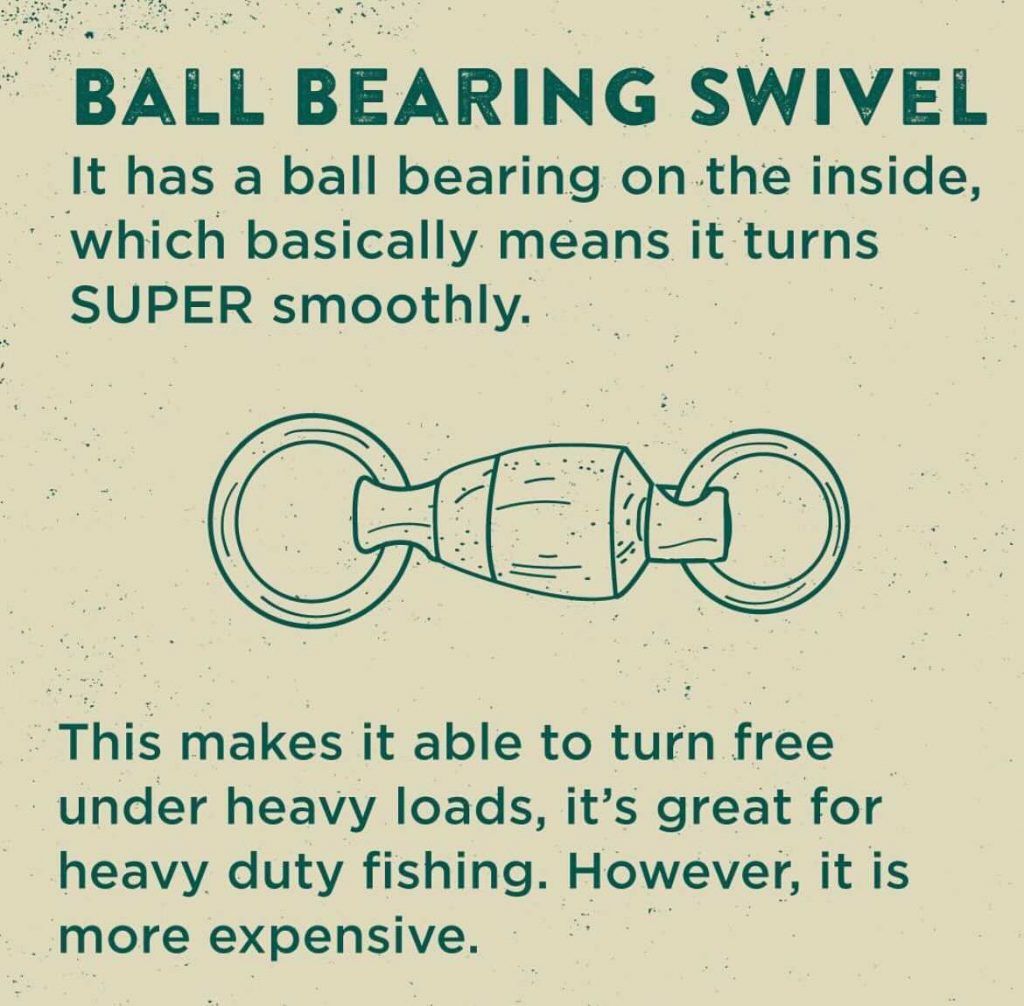
- Ball Bearing Swivels:Rotate smoothly, best for heavy line and big fish.
- Three-Way Swivels:Allow you to attach multiple lines or lures.
- Snap Swivels:Have a clip to change lures fast and easy.
Matching Swivel Size To Line
Swivels come in sizes that fit different line strengths. Using the right size keeps your line strong and safe.
Pick a swivel size that matches or is a bit stronger than your fishing line’s test weight. Too small can break. Too big can scare fish.
| Line Test (Pounds) | Recommended Swivel Size |
|---|---|
| 2-6 | Size 10-14 |
| 6-12 | Size 8-10 |
| 12-20 | Size 6-8 |
| 20-30 | Size 4-6 |
| 30+ | Size 2-4 |
Preparing Your Fishing Line
Putting a swivel on your fishing line keeps your bait moving naturally. Preparing the line is the first step for a strong connection.
Make sure the line is ready before attaching the swivel. This prevents breaks and keeps your fishing smooth.
Cutting The Line
Cut the fishing line cleanly to avoid frays. A sharp pair of scissors or a line cutter works best for this task.
- Use sharp scissors or line clippers.
- Cut the line at a slight angle for a neat end.
- Avoid crushing or pinching the line when cutting.
- Cut enough line to have a clean, even piece for tying.
Checking For Damage
Inspect your fishing line for any signs of wear. Damaged line can cause breaks and lost fish.
| Damage Type | Signs to Look For | Action Needed |
| Abrasion | Rough or frayed spots | Cut out damaged section or replace line |
| Knots | Weak or tight knots that slip | Retie knots securely |
| Discoloration | Line looks faded or worn | Consider replacing line |
| Stretching | Line feels thinner or less tight | Replace line for better strength |
Attaching The Swivel
Attaching a swivel to your fishing line prevents tangling. It helps your lure move freely in the water.
Learning to attach a swivel is simple. You can use different knots to secure it.
Using The Improved Clinch Knot
The Improved Clinch Knot is a popular choice for anglers. It is strong and easy to tie.
Follow these steps to tie the Improved Clinch Knot. You will need your fishing line and swivel.
- Thread the line through the swivel eye.
- Wrap the line around itself five times.
- Pass the end through the loop near the swivel.
- Bring the end back through the big loop.
- Pull the knot tight and trim the excess line.
Using The Palomar Knot
The Palomar Knot is another reliable option. It is known for its strength.
Here is how to tie the Palomar Knot. Make sure to have enough line to work with.
- Double your line to make a loop.
- Pass the loop through the swivel eye.
- Tie a loose overhand knot with the loop.
- Pass the swivel through the loop.
- Pull both ends to tighten the knot.
- Trim the extra line for a neat finish.
Testing The Connection
After attaching a swivel to your fishing line, it is important to test the connection. This ensures the knot holds well and the swivel moves freely.
Testing helps avoid line breaks and improves your fishing experience.
Checking Knot Strength
Check the knot by pulling the line hard with your hand. It should not slip or come undone.
If the knot slips, retie it tightly and trim any loose ends close to the knot.
- Pull the line slowly and firmly
- Look for any slipping or loosening
- Retie if knot feels weak
- Trim the tag end close to the knot
Ensuring Swivel Movement
The swivel must turn freely to prevent line twisting. Hold it and try to spin it with your fingers.
If it does not move easily, check for dirt or damage. Replace if needed to keep your line strong.
- Spin the swivel between your fingers
- Look for smooth, free movement
- Clean or replace if stuck or damaged
Tips To Prevent Line Tangles
Putting a swivel on your fishing line helps stop tangles and twists. It allows the lure or bait to spin freely.
Using the right techniques and maintaining your line will keep your fishing smooth and tangle-free.
Proper Casting Techniques
Cast your line smoothly and avoid jerky movements. A steady cast reduces line twists and tangles.
Make sure the line flows off the reel easily without catching or snagging during the cast.
- Keep the rod tip high during the cast
- Use steady, controlled motions
- Check that the line releases smoothly from the reel
Regular Line Maintenance
Check your fishing line often for twists, knots, or damage. Replace or fix it if needed.
Clean the line and swivel to remove dirt and salt. This keeps the swivel working well and stops line wear.
- Inspect line before each fishing trip
- Remove knots and twists immediately
- Lubricate swivels to keep them spinning freely
- Replace old or damaged line promptly

Credit: mysterytacklebox.com

Credit: www.youtube.com
Frequently Asked Questions
What Is The Purpose Of Putting A Swivel On Fishing Line?
A swivel prevents line twisting when the lure or bait spins. It improves casting and reduces tangles, enhancing fishing efficiency and line longevity.
How Do You Attach A Swivel To Fishing Line?
Thread the line through the swivel’s eye, then tie a strong knot like the improved clinch knot. Trim excess line for a neat finish.
When Should You Use A Swivel In Fishing?
Use a swivel when fishing with spinning lures, live bait, or in strong currents to prevent line twists and improve lure action.
Can A Swivel Weaken The Fishing Line?
No, a properly tied swivel does not weaken the line. Using quality swivels and correct knots maintains line strength and reliability.
Conclusion
Adding a swivel to your fishing line helps prevent twists and tangles. It makes your fishing experience smoother and more enjoyable. The steps are simple and quick to follow. Just practice a few times, and you will get better. Using a swivel also protects your line from damage.
Remember to check the swivel before fishing each time. This small tool can make a big difference on the water. Now, you are ready to fish without the hassle of twisted lines. Enjoy your time fishing with ease and confidence.