Are you waking up with sharp pain in your heel that makes every step uncomfortable? You might be wondering if plantar fasciitis is the reason behind your leg pain.
Many people think plantar fasciitis only affects the foot, but could it be causing discomfort beyond your heel? Understanding how this common condition can impact your entire leg is key to finding relief. Keep reading to discover the surprising connection between plantar fasciitis and leg pain—and what you can do to stop it.
What Is Plantar Fasciitis?
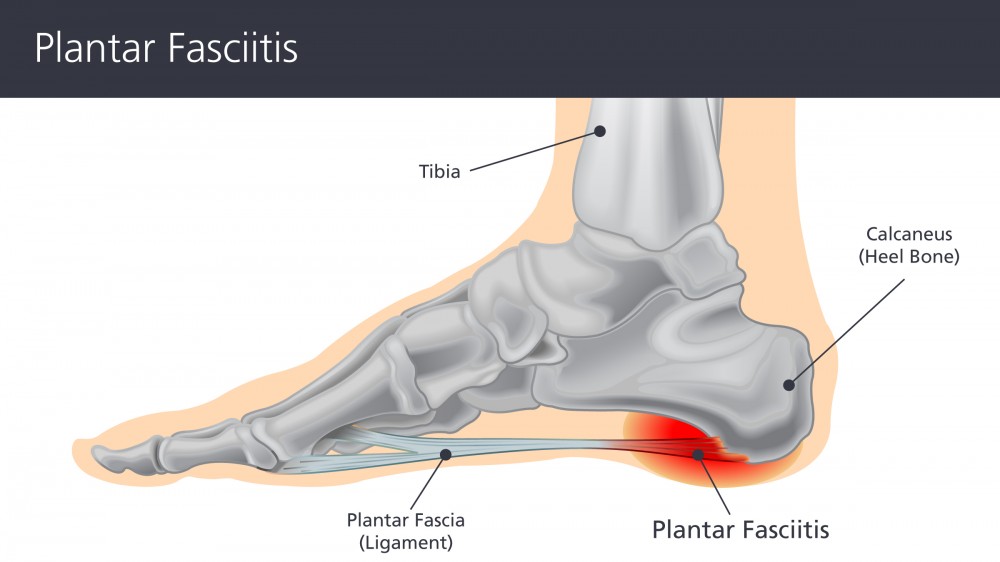
Plantar fasciitis is a common foot condition. It happens when the thick band of tissue under the foot gets inflamed.
This tissue, called the plantar fascia, connects the heel bone to the toes. It supports the foot’s arch and helps you walk.
Causes And Risk Factors
Plantar fasciitis can start from many causes. It often comes from too much stress on the foot.
- Wearing shoes without good support
- Being overweight
- Standing or walking for long times
- Having flat feet or high arches
- Doing new or intense physical activities
Common Symptoms
People with plantar fasciitis feel pain in their heel. The pain is often worse in the morning or after rest.
| Symptom | Description |
| Heel Pain | Sharp pain near the heel, especially after waking up |
| Foot Stiffness | Hard to move the foot after sitting or resting |
| Pain After Activity | Discomfort increases after walking or standing long |
| Swelling | Mild swelling around the heel area |

Credit: betterhealthosteopathy.nz
How Plantar Fasciitis Affects The Foot
Plantar fasciitis causes pain in the heel and bottom of the foot. It happens when the plantar fascia, a band of tissue, gets irritated.
This condition can change how you walk and may cause pain in other parts of your leg.
Inflammation And Tissue Damage
The plantar fascia can become inflamed from too much pressure or strain. This causes pain and swelling in the foot.
Over time, small tears and damage may happen to the tissue. This makes the pain worse and healing slower.
- Inflammation causes swelling and tenderness
- Tissue damage leads to sharp or stabbing pain
- Repeated stress worsens the injury
Impact On Walking And Posture
Pain from plantar fasciitis can change how you walk. You may avoid putting weight on the foot.
This shift can affect your posture and cause pain in your leg, knee, or back.
- Walking differently strains other muscles
- Bad posture can cause leg and back pain
- Rest and proper footwear help reduce pain
Link Between Plantar Fasciitis And Leg Pain
Plantar fasciitis is a common foot problem. It mainly affects the heel. Many people wonder if it can cause leg pain too.
Yes, plantar fasciitis can lead to leg pain. It happens due to several reasons. Let’s explore them.
Nerve Irritation And Referred Pain
Plantar fasciitis can irritate nerves in the foot. This irritation may send pain signals to the leg. The pain can travel up the leg.
Referred pain is when pain is felt away from the problem area. In this case, the foot problem causes leg pain.
- Nerves in the foot connect to the leg
- Irritated nerves can cause leg pain
- Pain travels up from foot to leg
Muscle Strain And Compensation
When your foot hurts, you may walk differently. This change in walking can strain your leg muscles.
Your body tries to avoid pain by using other muscles. This compensation can lead to leg pain over time.
- Changed walking patterns affect leg muscles
- Strain from compensation causes leg discomfort
- Overuse of certain muscles leads to pain
Identifying Leg Pain Related To Plantar Fasciitis
Plantar fasciitis usually causes heel pain. Sometimes, this pain spreads to the leg. Knowing how to spot this pain helps you find the right care.
Leg pain from plantar fasciitis feels different from other leg problems. It often links to foot movement and pressure.
Pain Patterns To Watch For
Pain from plantar fasciitis starts near the heel. It can move up the leg but stays on the inside or back of the calf. It usually gets worse after resting.
The pain is sharp when you take your first steps in the morning. It may ease after walking but returns after long standing or exercise.
- Heel pain that spreads to the calf
- Sharp pain after resting or sleeping
- Pain that lessens with light movement
- Worsening pain after standing long
Differentiating From Other Causes
Leg pain can come from many causes like muscle strain, nerve issues, or blood flow problems. Plantar fasciitis pain links closely to foot use and heel pressure.
Muscle strain pain feels more in the muscle and is often from sudden activity. Nerve pain may cause tingling or numbness. Blood flow problems cause coldness or color changes in the leg.
- Muscle strain: muscle soreness after activity
- Nerve pain: tingling, numbness, or burning
- Blood flow issues: cold, pale, or blue skin
- Plantar fasciitis: heel pain that spreads with foot use
Treatment Options For Plantar Fasciitis And Leg Pain
Plantar fasciitis can cause pain not only in the heel but also in the leg. Treating this condition early helps reduce discomfort. There are many ways to ease the pain and improve healing.
This guide explains home remedies and exercises, along with medical interventions. Both can help manage symptoms and support recovery.
Home Remedies And Exercises
Simple home treatments can reduce pain and swelling. Exercises stretch and strengthen the foot and leg muscles. These methods often work well together.
- Rest and avoid activities that cause pain
- Use ice packs on the heel for 15 minutes, three times a day
- Wear shoes with good arch support and cushioning
- Stretch the calf muscles and plantar fascia daily
- Try toe curls and towel scrunches to strengthen foot muscles
Medical Interventions
If home remedies do not help, doctors may suggest other treatments. These aim to reduce inflammation and support healing.
| Treatment | Description | Purpose |
| Physical Therapy | Guided exercises and stretches by a therapist | Improve strength and flexibility |
| Orthotics | Custom shoe inserts | Correct foot position and reduce stress |
| Medications | Anti-inflammatory drugs or pain relievers | Reduce pain and swelling |
| Corticosteroid Injections | Injection into the heel area | Lower severe inflammation |
| Shockwave Therapy | Sound waves stimulate healing | Promote tissue repair |

Credit: www.katyfootcare.com
Preventing Plantar Fasciitis And Associated Leg Pain
Plantar fasciitis is a common cause of heel pain. It can also cause discomfort in your legs. Taking steps to prevent it helps avoid pain and injury.
Simple changes in footwear and lifestyle can reduce your risk. These changes support your feet and legs every day.
Footwear Choices
Wearing the right shoes is key to preventing plantar fasciitis. Shoes that support your arches and cushion your heels reduce strain. Avoid shoes that are flat or worn out.
- Choose shoes with good arch support
- Use cushioned insoles to absorb shock
- Avoid high heels and flat shoes without padding
- Replace shoes every 6 to 12 months
- Wear shoes that fit well and do not pinch
Lifestyle Modifications
Making small changes in daily habits helps protect your feet and legs. Stretching and keeping a healthy weight lowers pressure on your plantar fascia.
| Modification | Benefit |
| Regular foot stretching | Improves flexibility and reduces tightness |
| Maintaining healthy weight | Decreases stress on feet and legs |
| Avoiding long standing periods | Prevents overload on foot tissues |
| Using proper exercise techniques | Reduces injury risk |

Credit: mapleclinic.ie
Frequently Asked Questions
Can Plantar Fasciitis Cause Leg Pain?
Yes, plantar fasciitis can cause leg pain. The inflammation in the foot’s fascia may lead to discomfort radiating up the leg. This happens due to altered walking patterns and muscle strain caused by foot pain.
What Are The Main Symptoms Of Plantar Fasciitis?
Main symptoms include sharp heel pain, especially in the morning or after rest. Pain worsens with prolonged standing or walking. Swelling and stiffness in the foot’s arch are also common signs.
How Is Leg Pain From Plantar Fasciitis Treated?
Treatment includes rest, ice application, and stretching exercises. Wearing supportive shoes and orthotic inserts helps. In severe cases, physical therapy or anti-inflammatory medications may be recommended by a doctor.
When Should I See A Doctor For Plantar Fasciitis?
See a doctor if pain persists beyond two weeks despite self-care. Also, seek medical advice if pain worsens or affects walking and daily activities significantly.
Conclusion
Plantar fasciitis often causes pain in the heel and foot. This pain can sometimes spread to the leg. The leg discomfort usually comes from changes in walking. Treating plantar fasciitis early helps reduce leg pain. Stretching and resting the foot are key steps.
Wearing proper shoes also supports healing. Pay attention to any new or worsening pain. Seeing a doctor can give you clear answers. Taking action helps you move without pain again.