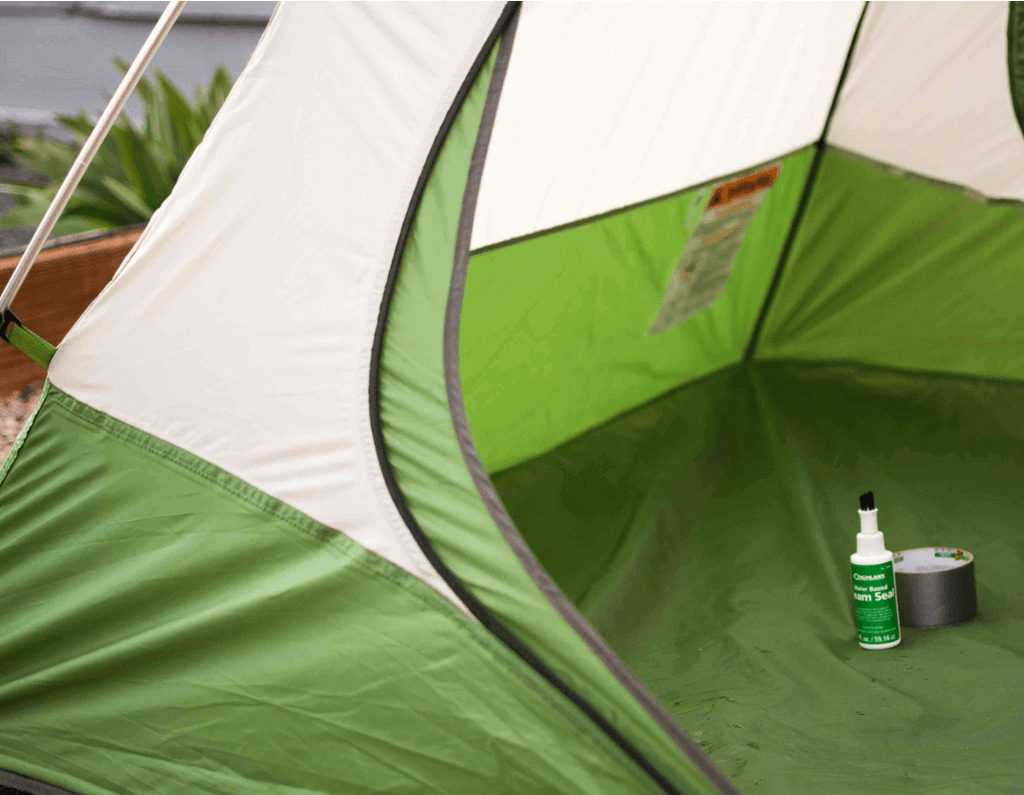
Mold on your tent can quickly turn a fun camping trip into a frustrating experience. If you’ve ever opened your gear only to find those stubborn dark spots, you know how important it is to clean them off right away.
But how do you get rid of mold without damaging your tent’s fabric? In this guide, you’ll discover simple, effective steps to restore your tent to its clean, fresh state. Keep reading—you’ll learn how to protect your gear and enjoy your next adventure without worrying about mold.
Identifying Mold On Your Tent
Mold can grow on tents if they stay damp for a long time. It is important to find mold early to keep your tent safe and clean.
This guide helps you learn how to spot mold on your tent and why it matters to your health.
Common Signs Of Mold
Mold often looks like spots or patches on the tent fabric. These spots may be green, black, white, or gray.
You may notice a musty or earthy smell near the moldy areas. The fabric might feel damp or slimy too.
- Dark spots or patches on fabric
- White or gray fuzzy growth
- Musty or damp smell inside the tent
- Fabric feels sticky or slimy
- Discoloration that does not wash off easily
Health Risks Of Mold Exposure
Mold can cause health problems, especially for people with allergies or weak immune systems. Breathing mold spores may irritate your lungs.
Skin contact with mold can cause rashes or itching. It is best to clean mold quickly to avoid these risks.
- Allergic reactions like sneezing and runny nose
- Respiratory problems such as coughing and wheezing
- Skin irritation or rash
- Eye irritation or redness
- Increased risk for asthma attacks
Preparing Your Tent For Cleaning
Cleaning mold off a tent needs careful preparation. This helps protect the tent fabric and keeps you safe.
Start by getting the right place and tools ready. This makes the cleaning process easier and more effective.
Choosing The Right Location
Pick an open, well-ventilated area to clean your tent. Sunlight helps kill mold and dries the tent faster.
Avoid cleaning indoors or in damp places. Mold spores spread easily in closed spaces and can harm your health.
- Choose a flat surface outdoors, like a lawn or driveway
- Make sure the place has good airflow
- Work under shade to protect the tent fabric from harsh sun
- Keep children and pets away during cleaning
Gathering Cleaning Supplies
Use gentle cleaning tools and safe products. Harsh chemicals can damage your tent’s material and waterproof coating.
| Item | Purpose |
| Soft brush or sponge | Remove mold without damaging fabric |
| Mild detergent or tent cleaner | Clean dirt and mold safely |
| Spray bottle | Apply cleaning solution evenly |
| Gloves | Protect your skin from mold spores |
| Bucket | Hold water and cleaning mix |
| Clean towels | Dry tent after cleaning |
Safe Mold Removal Techniques
Mold can damage your tent and pose health risks. Safe removal is important to ensure your tent lasts and remains safe for use.
Follow these techniques to clean mold off your tent without causing harm to the fabric or yourself.
Using Mild Detergents
Mild detergents are effective for cleaning mold. They are gentle on fabrics and can remove mold without damaging your tent.
Mix a small amount of mild detergent with warm water. Use a soft brush to scrub the moldy areas gently.
- Use a soft bristle brush
- Rinse thoroughly with clean water
- Air dry the tent completely
Natural Cleaning Alternatives
Natural alternatives can be used to clean mold. They are safe and environmentally friendly.
Vinegar and baking soda are common natural cleaners. They can effectively remove mold and odors from your tent.
- Mix vinegar with water in equal parts
- Apply baking soda paste for stubborn mold
- Rinse and dry thoroughly
Avoiding Harsh Chemicals
Harsh chemicals can damage your tent fabric. Avoid using bleach and ammonia as they can weaken the material.
Stick to safe cleaning methods to preserve your tent’s quality. Choose products that are labeled as safe for outdoor gear.
- Avoid bleach and strong solvents
- Check product labels for safety
- Test on a small area first

Credit: www.gearaid.com
Step-by-step Cleaning Process
Cleaning mold off a tent keeps it safe and usable. Mold can damage fabric and cause health issues. Follow these steps to remove mold carefully.
Use gentle methods and avoid harsh chemicals. This guide shows how to clean your tent in simple ways.
Dry Brushing Off Mold
Start by brushing the mold off the tent outside. Use a soft brush or broom to avoid damaging the fabric. Brush gently to remove loose mold spores.
- Take the tent outdoors to a well-ventilated area
- Wear a mask to avoid breathing mold spores
- Use a soft brush to sweep off mold patches
- Brush all affected areas carefully
- Dispose of the collected mold debris safely
Applying Cleaning Solution
Mix a mild cleaning solution to kill mold and clean the fabric. Use gentle ingredients to protect the tent material.
| Ingredient | Amount |
| Water | 1 gallon |
| White vinegar | 1 cup |
| Mild liquid soap | 2 tablespoons |
Use a sponge or cloth to apply the solution. Scrub areas with mold gently but thoroughly. Let it sit for 10 minutes before rinsing.
Rinsing And Drying
Rinse the tent well with clean water to remove all cleaning solution. Make sure no soap remains on the fabric.
- Use a hose or bucket to rinse the tent fully
- Check for any leftover mold or soap spots
- Hang the tent in direct sunlight to dry
- Ensure the tent dries completely before storing
- Store the tent in a dry place to prevent new mold
Preventing Future Mold Growth
Mold can damage your tent fabric and make camping unsafe. Preventing mold stops it from coming back.
Keep your tent dry and clean. Use smart storage and good habits to avoid mold growth.
Proper Tent Storage
Store your tent only when it is completely dry. Damp tents invite mold and mildew.
- Air dry your tent in shade before packing.
- Fold loosely to let air flow inside the fabric.
- Use a breathable storage bag, not a plastic one.
- Keep the tent in a cool, dry place away from sunlight.
Regular Maintenance Tips
Clean and check your tent often to catch mold early. Regular care keeps it fresh and strong.
| Maintenance Task | Frequency |
| Inspect tent for stains or spots | After every camping trip |
| Wash tent with mild soap and water | Every 3-4 uses |
| Dry tent completely before storage | Every time |
| Store tent away from moisture sources | Always |
Ventilation Best Practices
Good airflow stops moisture buildup inside your tent. Use vents and open windows to keep air moving.
- Set up your tent in a breezy area.
- Open all vents and windows during and after use.
- Use a mesh rainfly to allow airflow but block rain.
- Keep gear dry inside to reduce humidity.
Credit: www.gearaid.com
When To Replace Your Tent
Cleaning mold off a tent can keep it safe and usable. Sometimes, the damage from mold is too bad to fix. Knowing when to replace your tent can save you from trouble.
Replace your tent if mold causes serious harm. This guide will help you see signs of damage and how to dispose of your old tent.
Signs Of Irreversible Damage
Look for mold stains that do not come off after cleaning. If the fabric feels weak or breaks easily, the damage is serious.
Check for holes, tears, or rotting in the material. These signs mean the tent cannot keep out rain or bugs.
- Persistent mold stains that do not fade
- Fabric feels thin, brittle, or breaks easily
- Holes or tears that are too large to sew
- Rotting or crumbling fabric sections
- Strong mold smell that won’t go away
Disposal Recommendations
Throw away your old tent safely to protect the environment. Do not burn moldy fabric because it can release harmful fumes.
Check local rules for disposing of camping gear. Some places have special trash bins or recycling options.
- Do not burn the tent fabric
- Use designated recycling or trash bins
- Consider donating if the tent is still usable
- Seal moldy tents in plastic bags before disposal

Credit: www.popularmechanics.com
Frequently Asked Questions
How Do I Remove Mold From A Tent Safely?
Use a mixture of water and mild soap or vinegar. Gently scrub the moldy areas with a soft brush. Rinse thoroughly and let the tent dry completely in sunlight to prevent mold return.
Can Bleach Be Used To Clean Mold Off Tents?
Bleach can damage tent fabric and remove waterproof coatings. It’s better to use natural cleaners like vinegar or specialized tent cleaners for mold removal.
How Long Does It Take To Dry A Tent After Cleaning?
Drying time depends on weather, but usually, it takes 4 to 6 hours in direct sunlight. Always ensure the tent is fully dry before storing to prevent mold growth.
What Causes Mold Growth On Tents?
Mold grows due to moisture, warmth, and poor ventilation. Storing tents damp or in humid places encourages mold development on fabric surfaces.
Conclusion
Cleaning mold off your tent keeps it safe and lasting longer. Use gentle cleaners and soft brushes to avoid damage. Dry the tent fully before storing it away. Regular checks stop mold from coming back quickly. A clean tent means better camping experiences ahead.
Keep your gear fresh and ready for every trip. Simple care makes a big difference in tent life. Mold-free tents stay strong and smell fresh. Take these steps to protect your outdoor gear.