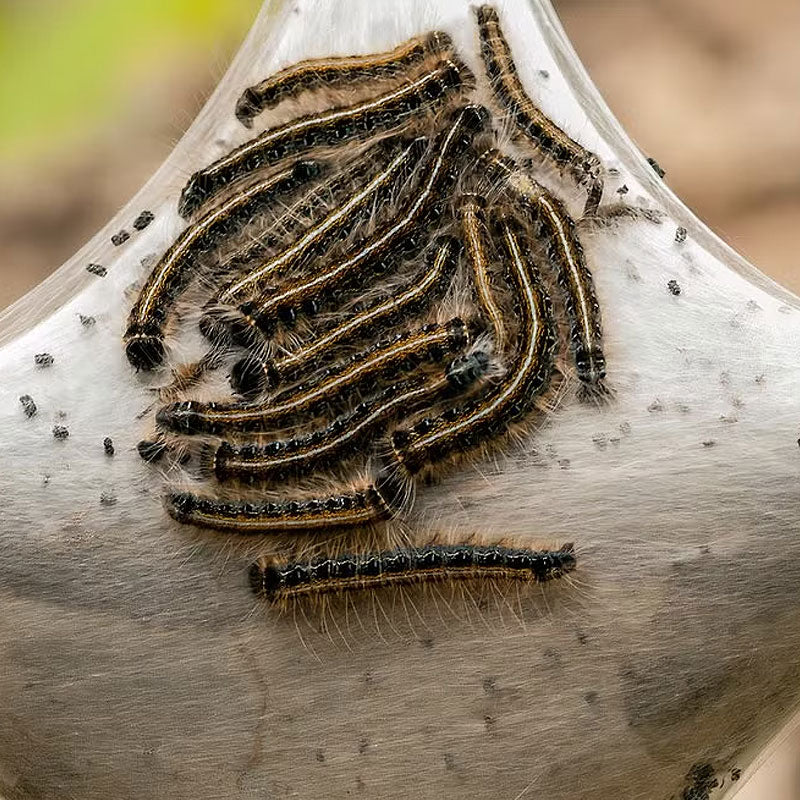
Are you tired of seeing your trees covered in messy webs and hungry caterpillars? Tent caterpillars can quickly take over your yard, damaging leaves and ruining the look of your garden.
But don’t worry—you don’t have to let these pests win. You’ll discover simple and effective ways to get rid of tent caterpillars before they cause serious harm. Keep reading to protect your trees and enjoy a healthy, beautiful outdoor space again.
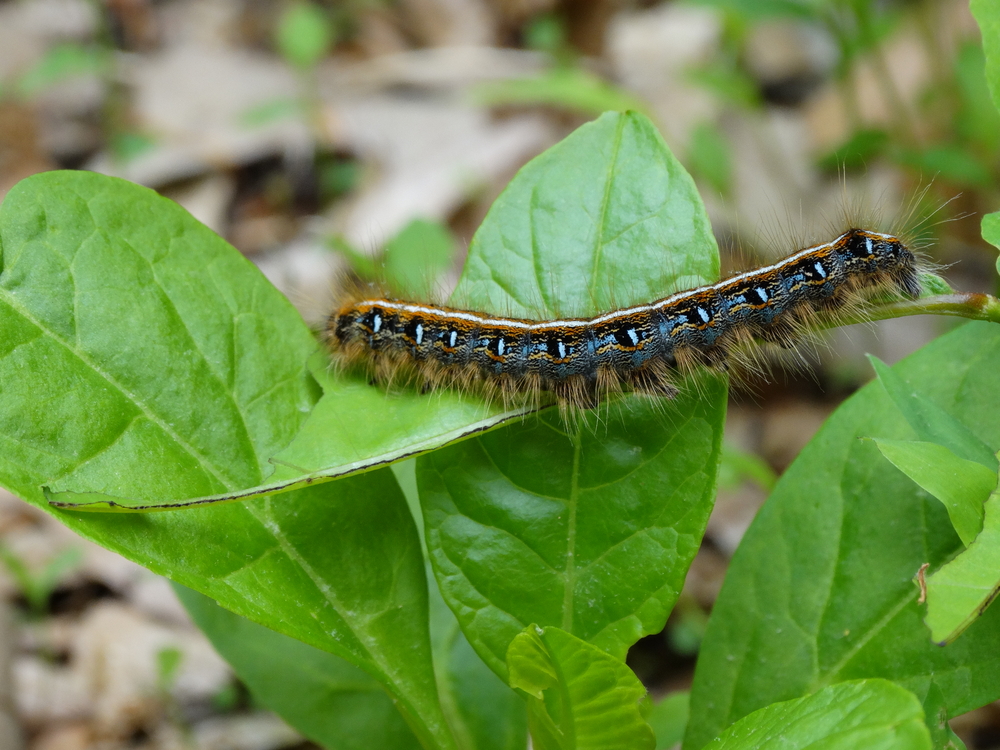
Credit: www.brodybrotherspestcontrol.com
Identifying Tent Caterpillars
Tent caterpillars are common pests found on many trees. They build silky webs or tents in tree branches.
Knowing how to identify them helps protect your trees from damage. Look for signs early to act fast.
Common Signs Of Infestation
Tent caterpillars leave clear marks on trees. You can spot their tents in forks of branches.
Leaves may look chewed or have holes. You might see small black caterpillars near the tents.
- Silky white tents in tree branches
- Leaves with holes or missing parts
- Clusters of hairy caterpillars
- Frass (caterpillar droppings) on leaves and ground
Life Cycle And Behavior
Tent caterpillars hatch in early spring. They live in groups inside their tents for protection.
They feed on tree leaves until they grow large. After several weeks, they leave the tents to pupate.
- Eggs hatch in spring
- Caterpillars build tents and feed on leaves
- They leave tents to form cocoons
- Adults are moths that lay eggs for next year
Affected Tree Species
Tent caterpillars prefer certain tree types. They often target fruit trees and hardwoods.
Knowing which trees are at risk helps in early detection and control.
- Cherry trees
- Apple trees
- Maple trees
- Oak trees
- Crabapple trees
Manual Removal Techniques
Tent caterpillars can harm trees and plants. Learning how to remove them by hand is helpful. These methods are simple and safe for your garden.
By removing caterpillars manually, you protect your plants without chemicals. This guide provides clear steps to follow.
Removing Egg Masses
Egg masses are easy to spot on tree branches. They appear as brown, foamy clusters. Removing them stops caterpillars from hatching.
Check trees in late winter. Gently scrape egg masses with a knife or fingernail. Be careful not to damage the bark.
- Inspect trees regularly
- Use a soft tool to remove eggs
- Dispose of eggs in soapy water
Destroying Nests Safely
Nests are often found in tree branches. They look like white webs. Removing them helps prevent damage to trees.
Cut nests with scissors during early morning or late evening. This is when caterpillars are inside. Place nests in a sealed bag to dispose of them.
- Wear gloves for protection
- Use garden tools carefully
- Dispose of nests properly
Using Protective Gear
Protective gear keeps you safe while removing caterpillars. Wear long sleeves and gloves to avoid skin irritation.
Eye protection is important when working near branches. This prevents injury from falling debris or caterpillars.
- Wear long sleeves and pants
- Use gloves to protect hands
- Wear goggles or glasses
Natural Control Methods
Tent caterpillars can harm trees and plants if not controlled. Using natural methods helps protect the environment. These ways keep your garden safe without harsh chemicals.
Here are some natural control methods that work well to reduce tent caterpillar populations. They use nature’s balance and simple home solutions.
Encouraging Predators
Birds, wasps, and beetles eat tent caterpillars. Attracting these predators can lower caterpillar numbers naturally. Planting flowers and trees that provide food and shelter helps.
- Plant native flowering plants to attract insects and birds
- Leave some leaf litter for ground beetles to live
- Provide birdhouses to encourage insect-eating birds
- Avoid pesticides that kill helpful predators
Applying Beneficial Nematodes
Beneficial nematodes are tiny worms that kill caterpillar larvae in the soil. They enter the caterpillars and stop them from growing. Use nematodes in moist soil near affected trees.
Here is how to apply beneficial nematodes safely and effectively:
- Buy nematodes from a garden supplier
- Mix nematodes with water as the instructions say
- Apply the mixture to soil around the tree base
- Keep the soil moist for a few days after application
- Repeat the treatment if needed in two weeks
Using Homemade Remedies
Homemade sprays can repel or kill tent caterpillars without chemicals. Soap and garlic sprays are popular choices. These sprays are easy to make and safe for plants.
| Remedy | Ingredients | How to Use |
| Soap Spray | 1 tablespoon liquid soap, 1 quart water | Mix and spray on caterpillars and eggs |
| Garlic Spray | 2 cloves garlic, 1 quart water | Blend garlic with water, strain, spray plants |
| Neem Oil Spray | 2 teaspoons neem oil, 1 quart water, 1 teaspoon soap | Mix well and spray on affected areas |

Credit: www.pubs.ext.vt.edu
Chemical Treatments
Chemical treatments are one way to control tent caterpillars. They help reduce the caterpillar population quickly.
Using pesticides correctly is important to protect your plants and the environment.
Choosing The Right Pesticide
Select pesticides that target tent caterpillars specifically. Look for insecticides with Bacillus thuringiensis (Bt) or spinosad.
These pesticides are safer for other insects and animals. Avoid broad-spectrum pesticides that can harm beneficial bugs.
- Bacillus thuringiensis (Bt) – natural bacteria that kills caterpillars
- Spinosad – organic insecticide effective against caterpillars
- Carbaryl or permethrin – chemical insecticides, use with care
Proper Application Timing
Apply pesticides when caterpillars are young and small. Early treatment stops them from causing damage.
Check for egg masses in early spring. Spray before the eggs hatch or when you first see small caterpillars.
- Spray in the early morning or late evening
- Avoid spraying on windy or rainy days
- Repeat treatment if caterpillars return
Safety Precautions
Always read and follow the pesticide label instructions. Use protective gear like gloves and masks when applying chemicals.
Keep pets and children away from treated areas. Store pesticides in a safe place out of reach.
- Wear long sleeves and gloves
- Do not eat or drink while applying pesticides
- Wash hands and clothes after use
- Dispose of containers properly
Preventing Future Infestations
Tent caterpillars can harm trees by eating their leaves. Preventing their return helps keep your trees healthy. You can stop infestations by taking simple steps every year.
Focusing on tree care and watching for early signs stops caterpillars from building nests. Healthy trees also fight pests better. Below are ways to protect your trees from tent caterpillars.
Regular Tree Maintenance
Keep your trees clean and trimmed to remove places where caterpillars can hide. Cutting off branches with egg sacs stops caterpillars before they hatch. Remove old tents and nests in early spring.
Prune dead or weak branches to improve tree strength. Clean tools between uses to avoid spreading pests or diseases. Regular care reduces places for caterpillars to start new colonies.
- Trim branches in late winter
- Remove old nests and eggs
- Clear fallen leaves and debris
- Clean pruning tools after use
Monitoring Early Signs
Check your trees often for small tents or webbing. Look for caterpillars eating leaves or silk threads on branches. Early spotting helps you act fast and stop spread.
Use a flashlight at night to see caterpillars feeding. Write notes about where you find any signs. Early monitoring makes control easier and reduces damage.
- Inspect branches in spring
- Look for silk tents and eggs
- Use light to spot caterpillars at night
- Record any findings for tracking
Promoting Tree Health
Strong, healthy trees resist pests better than weak ones. Water trees during dry periods and add mulch to keep soil moist. Feed trees with proper fertilizer to help growth.
Remove weeds and grass around tree bases. Healthy soil and good care make trees less inviting to tent caterpillars. Healthy trees recover faster from any damage.
- Water trees regularly in dry weather
- Apply mulch around tree roots
- Use balanced fertilizers yearly
- Keep area around trees free of weeds

Credit: www.youtube.com
Frequently Asked Questions
What Are The Most Effective Ways To Remove Tent Caterpillars?
Hand-pick caterpillars and destroy their tents early in spring. Use insecticidal soaps or biological controls like Bacillus thuringiensis. Encourage natural predators such as birds to keep populations low.
Can Tent Caterpillars Damage My Trees Permanently?
Tent caterpillars usually cause defoliation but rarely kill healthy trees. Trees often recover by growing new leaves. Repeated severe infestations can weaken trees, so control is important.
When Is The Best Time To Control Tent Caterpillars?
Control tent caterpillars in early spring before they fully develop. Removing egg masses in late winter also helps reduce populations. Early intervention prevents extensive leaf damage.
Are Natural Predators Effective Against Tent Caterpillars?
Yes, birds, parasitic wasps, and predatory insects naturally reduce tent caterpillar numbers. Encouraging these predators creates a balanced ecosystem and decreases chemical use.
Conclusion
Getting rid of tent caterpillars protects your trees and plants. Early action stops their nests from growing larger. Use simple methods like hand removal or natural sprays. Keep checking your garden to catch them early. Healthy plants resist pests better.
A small effort now saves big damage later. Stay patient and consistent with your care. Your garden will thank you with strong, green growth. Taking these steps helps keep tent caterpillars under control.