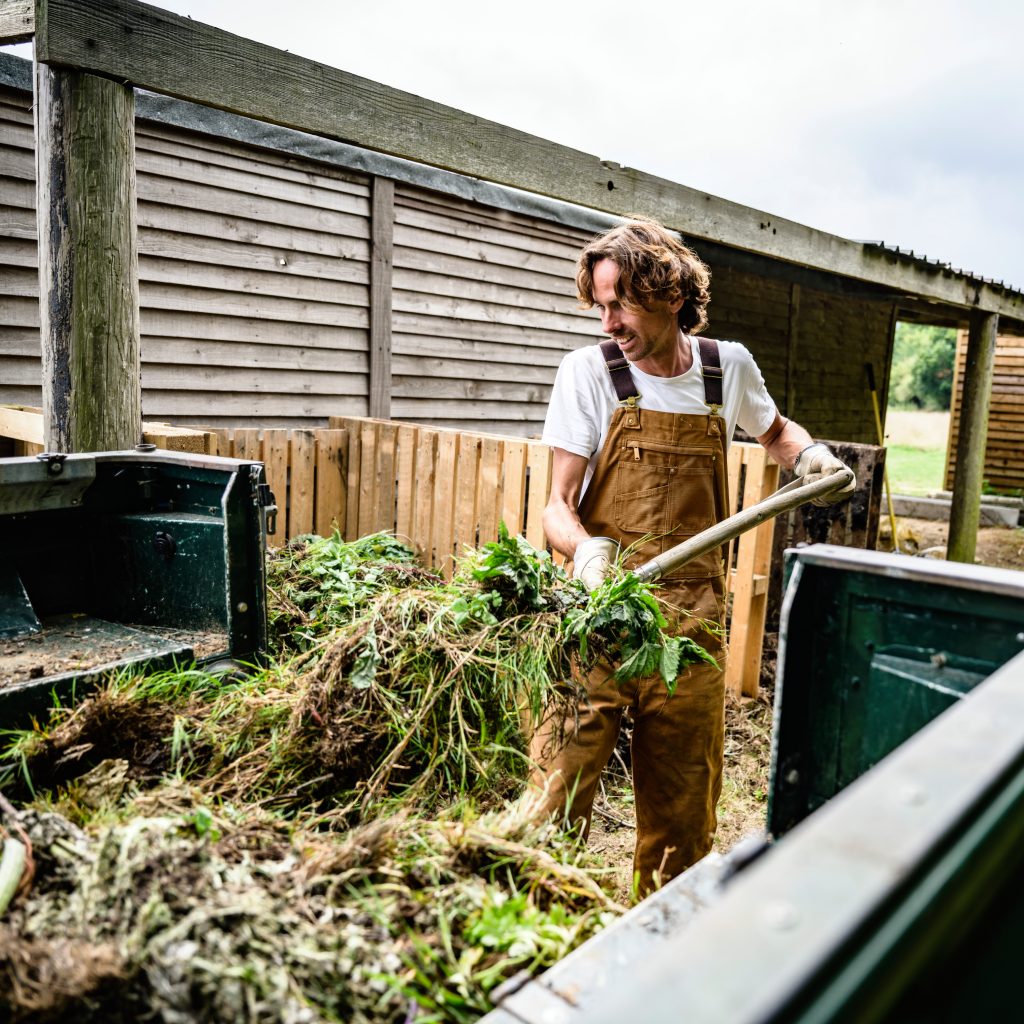
Have you ever wondered if that leftover bread from your kitchen can go straight into your compost bin? You’re not alone.
Many people want to reduce waste but aren’t sure what’s safe to toss into compost. Bread seems harmless, but is it really a good idea? Keep reading to discover the surprising truth about bread in compost and how it can affect your garden’s health.
This simple knowledge could save your compost pile from unwanted problems and help you create richer soil faster. Let’s dive in!
Bread And Composting Basics
Bread is a common food item that many people wonder about composting. It is made from natural ingredients like flour, water, and yeast. These ingredients can break down in a compost bin.
Composting turns organic waste into rich soil. It helps reduce trash and supports plant growth. Knowing if bread can go in compost helps keep the process healthy.
What Happens To Bread In Compost
Bread breaks down quickly in a compost bin. Microorganisms and worms eat the bread pieces. This process turns bread into nutrient-rich material.
Too much bread can cause problems. It may attract pests like rats or flies. It can also create bad smells if it stays wet or clumps together.
Types Of Bread Suitable For Compost
Simple breads break down best in compost. These include plain white or whole wheat bread without extra ingredients. Avoid bread with lots of sugar, fats, or preservatives.
- Plain white bread
- Whole wheat bread
- Simple rye or multigrain bread without seeds
- Stale or dry bread is better than fresh bread

Credit: www.aol.com
Benefits Of Composting Bread
Bread is a common leftover in many homes. Instead of throwing it away, you can compost it. Composting bread helps the environment in many ways.
Adding bread to your compost bin supports natural recycling. It breaks down and turns into rich soil for plants.
Reducing Food Waste
Food waste adds to landfill problems. Bread is often wasted because it goes stale quickly. Composting bread stops it from becoming trash.
By composting, you give bread a new purpose. It does not end up in the garbage where it creates harmful gases.
- Prevents bread from filling landfills
- Reduces greenhouse gas emissions
- Encourages better waste habits
Enhancing Soil Quality
Bread adds nutrients to compost that improve soil health. It breaks down to feed helpful microbes and worms.
Good soil helps plants grow strong. Compost with bread can improve soil texture and water retention.
- Increases nutrients like carbon and nitrogen
- Improves soil structure and moisture
- Supports beneficial soil organisms
How To Compost Bread Properly
Bread is a common item in many households. Sometimes, it goes stale or moldy. Instead of throwing it away, you can compost it. Composting bread helps reduce waste and enrich the soil.
Composting bread requires a few simple steps. It needs a balance with other compost materials. Proper preparation ensures better decomposition.
Preparing Bread For Compost
Before composting bread, break it into smaller pieces. This helps it decompose faster. Moldy bread is fine to compost, but avoid bread with butter or oils.
Wet bread can attract pests. Dry it out first if possible. This reduces the chance of unwanted visitors in your compost bin.
- Break bread into small pieces
- Use moldy bread, but avoid oily bread
- Dry bread before adding to compost
Balancing Bread With Other Materials
Bread is rich in carbon, so mix it with nitrogen-rich materials. These include grass clippings and vegetable scraps. Balancing materials helps maintain compost health.
Use a ratio of one part bread to three parts green materials. This ensures proper decomposition. Turn your compost pile regularly to add oxygen.
- Mix bread with nitrogen-rich materials
- Use a 1:3 ratio of bread to greens
- Turn compost regularly for oxygen
Credit: www.thedustyapron.co.nz
Potential Issues With Bread In Compost
Bread is a common kitchen waste item that some people consider adding to compost bins. It is biodegradable but can cause problems in the composting process.
Knowing the possible issues helps you decide if bread is suitable for your compost bin.
Attracting Pests And Rodents
Bread can attract unwanted pests like rats, mice, and insects. These animals are drawn to the smell and easy access to food.
Pests can disturb your compost pile and create a mess around your bin. This makes composting less hygienic and harder to manage.
- Rodents are attracted to moist, soft bread pieces.
- Insects like ants and flies may gather around bread scraps.
- Pests can spread disease and damage compost covers.
- Uncontrolled pests may scare neighbors or pets.
Mold And Odor Concerns
Bread breaks down quickly and can grow mold inside your compost bin. Moldy bread produces a strong, unpleasant smell.
Bad odors make composting less pleasant and can attract more pests. Mold also slows down the composting process.
- Mold grows fast on bread due to moisture.
- Smelly compost discourages regular use.
- Odors may annoy neighbors if compost is outside.
- Proper mixing and covering help reduce mold and smell.
Alternative Ways To Use Stale Bread
Stale bread does not have to be thrown away. It can be useful in many ways around your home and garden.
This article shows simple ideas to make the most of old bread. These ideas help reduce waste and support nature.
Feeding Garden Wildlife
Stale bread can feed birds and small animals in your garden. Breaking it into small pieces makes it easier for them to eat.
- Place small pieces on a bird feeder or flat surface.
- Avoid bread with mold as it can harm animals.
- Mix bread crumbs with seeds to attract more birds.
- Feed sparingly to keep wildlife healthy and active.
Creative Kitchen Uses
Old bread can add flavor and texture to many dishes. It is great for making crunchy toppings or tasty sides.
| Use | How to Prepare | Tip |
| Croutons | Cut bread into cubes, toss with oil and herbs, then bake. | Use for salads and soups. |
| Breadcrumbs | Grind dry bread in a food processor. | Store in airtight container for later use. |
| French Toast | Soak slices in egg and milk mixture, then cook on pan. | Use slightly stale bread for better texture. |
| Stuffing | Mix cubes with vegetables, herbs, and broth, then bake. | Perfect for holiday meals or roasts. |
Credit: www.gardeningknowhow.com
Expert Tips For Eco-friendly Composting
Bread can go in a compost bin, but you must do it right. Composting bread helps reduce food waste.
Knowing how to compost bread safely keeps your bin healthy and avoids pests.
Maintaining Compost Health
Keep your compost balanced by mixing green and brown materials. Bread counts as green because it is moist.
Break bread into small pieces before adding it. This speeds up decomposition and stops clumps.
- Mix bread well with dry leaves or shredded paper.
- Turn compost regularly to add air.
- Keep compost moist but not too wet.
- Avoid adding large amounts of bread at once.
Common Mistakes To Avoid
Adding too much bread causes bad smells and attracts pests like rats and flies.
Do not add bread with mold or preservatives. These can slow composting and harm microbes.
- Do not put whole loaves in the bin.
- Avoid bread with heavy sauces or butter.
- Keep your compost covered to prevent pests.
- Do not ignore bad smells or pests; fix quickly.
Frequently Asked Questions
Can Bread Be Composted Safely At Home?
Yes, bread can be composted safely in a home compost bin. It breaks down quickly and adds nutrients. Avoid large amounts to prevent pests and odors. Tear bread into small pieces for faster decomposition and better aeration.
Does Moldy Bread Belong In The Compost Bin?
Moldy bread is safe for composting and can speed up decomposition. Mold is a natural fungus that breaks down organic matter. However, avoid adding excessive moldy bread to prevent attracting pests.
What Type Of Bread Is Best For Composting?
Whole grain and plain bread are best for composting. Avoid bread with preservatives, excessive sugar, or artificial additives, as they decompose slower and may harm compost quality. Small amounts of any bread type are generally fine.
Will Bread Attract Pests To My Compost Bin?
Bread can attract pests like rodents and flies if added in large amounts. To prevent this, bury bread pieces under other compost materials. Maintain a balanced mix of green and brown waste to keep pests away.
Conclusion
Bread can go in a compost bin, but with care. Avoid moldy or heavily processed bread. Small amounts break down well and feed soil microbes. Too much bread may attract pests or cause odor. Tear bread into small pieces for faster composting.
Mixing bread with dry materials like leaves helps balance moisture. Composting bread reduces waste and enriches garden soil. Try adding bread to your compost and watch nature work. Simple steps make composting easy and effective.