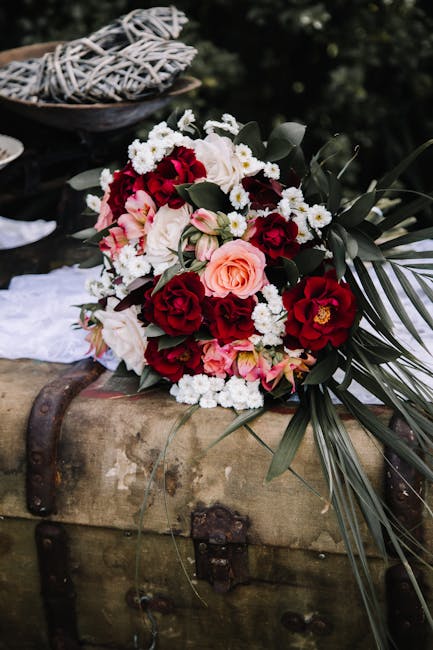
Are you staring at your large planter and wondering what to fill it with? Choosing the right plants can completely transform your space, making it lively, inviting, and uniquely yours.
But with so many options, it’s easy to feel overwhelmed. What will thrive in that big container? How do you create a look that stands out without much effort? Keep reading, and you’ll discover simple, smart ideas that bring your large planter to life and make your outdoor or indoor area truly stunning.
Your perfect planter setup is closer than you think.
Choosing The Right Plants
Large planters can hold many types of plants. Picking the right plants helps them grow well and look great.
Think about where you place the planter and what plants need to thrive. This guide covers key points to choose plants wisely.
Consider Plant Size And Growth
Choose plants that fit your planter’s size. Some plants grow tall and need room, while others stay small.
- Pick plants with root systems that fit the planter depth.
- Avoid plants that spread too wide if space is limited.
- Check mature height to prevent overcrowding.
- Combine tall, medium, and trailing plants for balance.
Match Plants To Climate
Plants do best in climates that suit them. Choose plants that can live through your area’s temperatures and weather.
| Climate Zone | Good Plant Types |
| Hot and Dry | Succulents, Cacti, Lavender |
| Cool and Wet | Ferns, Hostas, Hydrangeas |
| Mild and Sunny | Herbs, Petunias, Geraniums |
| Cold Winters | Evergreens, Pansies, Heucheras |
Select Plants By Sunlight Needs
Check how much sun your planter area gets. Choose plants that match those light levels.
- Full sun plants need 6 or more hours of sun daily.
- Partial sun plants do well with 3 to 6 hours of sun.
- Shade plants prefer less than 3 hours of sun.
- Mix plants with similar light needs to keep them healthy.
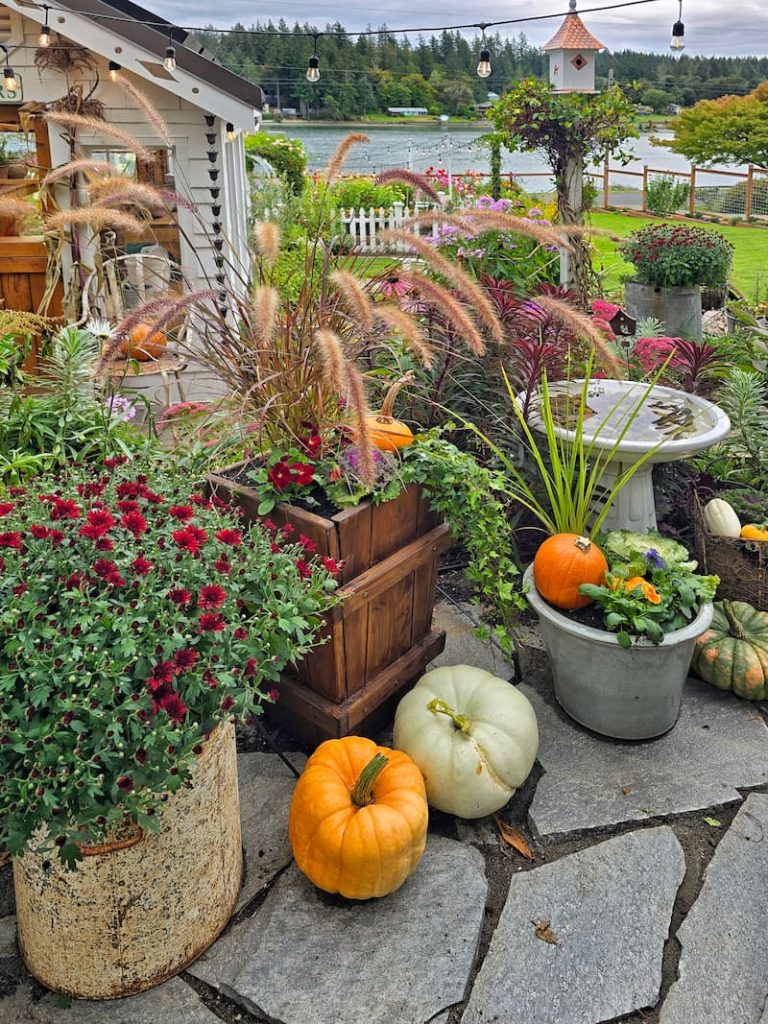
Credit: shiplapandshells.com
Layering For Depth And Texture
Large planters offer a big space to create a beautiful plant display. Layering plants adds depth and texture to your arrangement.
Using different plant types and heights makes the planter look full and interesting. Each layer plays a special role in the design.
Thrillers For Height And Drama
Thrillers are tall plants that catch the eye. They give your planter height and make it stand out.
Choose plants with strong shapes or bright colors to add drama. Place them in the center or back of the planter.
- Tall grasses like fountain grass
- Dracaena for sharp leaves
- Canna lilies with bright flowers
- Small shrubs or succulents with spikes
Fillers For Volume And Softness
Fillers are medium-sized plants that add bulk to the planter. They soften the look between thrillers and spillers.
Use leafy or flowering plants that fill empty spaces. They create a lush and balanced appearance.
- Petunias for colorful blooms
- Marigolds with dense flowers
- Hostas for broad, green leaves
- Impatiens for shade-loving spots
Spillers For Flowing Effect
Spillers hang over the edges of the planter. They create a soft, flowing look that contrasts with upright plants.
Choose trailing plants that cascade down. They help the planter blend with the surroundings.
- Ivy for green trailing vines
- Sweet potato vine with bright leaves
- Trailing lobelia for blue flowers
- String of pearls for unique texture
Color Combinations That Pop
Large planters offer a great way to add color to any space. Choosing the right color combinations can make your planters stand out.
With the right mix, you can create a striking visual effect. Below are some ideas to inspire your planter designs.
Bold And Vibrant Mixes
Bold colors can make a powerful statement in your planters. Bright reds, oranges, and yellows are excellent choices.
These colors work well together and can energize any space. Use them to create a lively and cheerful atmosphere.
- Red geraniums paired with yellow marigolds
- Orange tulips alongside purple pansies
- Bright pink petunias mixed with lime green foliage
Soft And Harmonious Tones
Soft colors bring a calming effect to any area. Pastel blues, pinks, and whites create a serene look.
These tones blend well and offer a peaceful vibe. They are perfect for relaxing environments.
- Lavender with soft pink roses
- Light blue hydrangeas with white daisies
- Creamy white lilies with pale green leaves
Seasonal Color Themes
Changing colors with the seasons keeps your planters fresh. Each season offers unique color possibilities.
Consider using warm hues for fall and cool tones for winter. Spring and summer can be bright and vibrant.
- Autumn: Orange mums and burgundy leaves
- Winter: Evergreen boughs with red berries
- Spring: Daffodils with pink tulips
- Summer: Sunflowers and blue salvias
Using Foliage For Interest
Large planters offer a great chance to add green beauty to your space. Using foliage plants creates texture and color.
Leaves with different shapes and colors can make your planter stand out. They bring life without needing flowers.
Variegated Leaves
Variegated leaves have more than one color on them. They often show white, yellow, or cream mixed with green.
These leaves add brightness and contrast to your planter. They catch the eye and keep the display lively.
- Hostas with white edges
- Caladiums with pink and green
- Ficus with creamy patches
Textured Greens
Different leaf textures add depth to your planter. Smooth, rough, and spiky leaves create a rich look.
Mixing leaf shapes and surfaces makes the planter more interesting. It invites touch and curiosity.
- Ferns with feathery leaves
- Elephant ears with large smooth leaves
- Succulents with thick and waxy leaves
Evergreen Options
Evergreen plants keep their leaves year-round. They give your planter constant color and structure.
Choose evergreens that fit your climate. They keep your planter looking fresh even in cold months.
- Boxwood for neat, small leaves
- Juniper with needle-like leaves
- Holly with shiny, spiny leaves
Incorporating Edibles
Large planters offer a great way to grow edible plants. You can add fresh flavors to your meals. Edibles also make your garden look lively and useful.
Pick plants that fit well in big containers. This guide shows herbs, vegetables, and fruit-bearing plants to try.
Herbs For Fragrance And Flavor
Herbs add nice smells and tastes to your garden and kitchen. They grow well in large planters. You can harvest them fresh anytime.
- Basil: Sweet and perfect for salads and pasta.
- Mint: Fresh and cool, great for drinks.
- Rosemary: Woody and strong, good with meats.
- Thyme: Earthy flavor, nice in soups and stews.
- Parsley: Mild and fresh, good for garnish.
Vegetables For Function And Beauty
Vegetables in large planters can feed you and decorate your space. Choose colorful or leafy types. They add texture and life to patios or balconies.
| Vegetable | Color | Growth Habit |
| Cherry Tomatoes | Red, Yellow | Vining |
| Leaf Lettuce | Green, Red | Bushy |
| Peppers | Green, Red, Orange | Bushy |
| Carrots | Orange, Purple | Root Crop |
| Green Beans | Green | Climbing |
Fruit-bearing Plants
Fruit plants in large planters give fresh snacks and beauty. Choose dwarf or compact types that fit container life. They also attract pollinators.
- Strawberries: Sweet and easy to grow.
- Dwarf Blueberries: Compact bushes with tasty berries.
- Dwarf Citrus: Small lemon or orange trees.
- Fig Trees: Small size with sweet fruits.
- Tomatillos: Unique fruits for salsas.
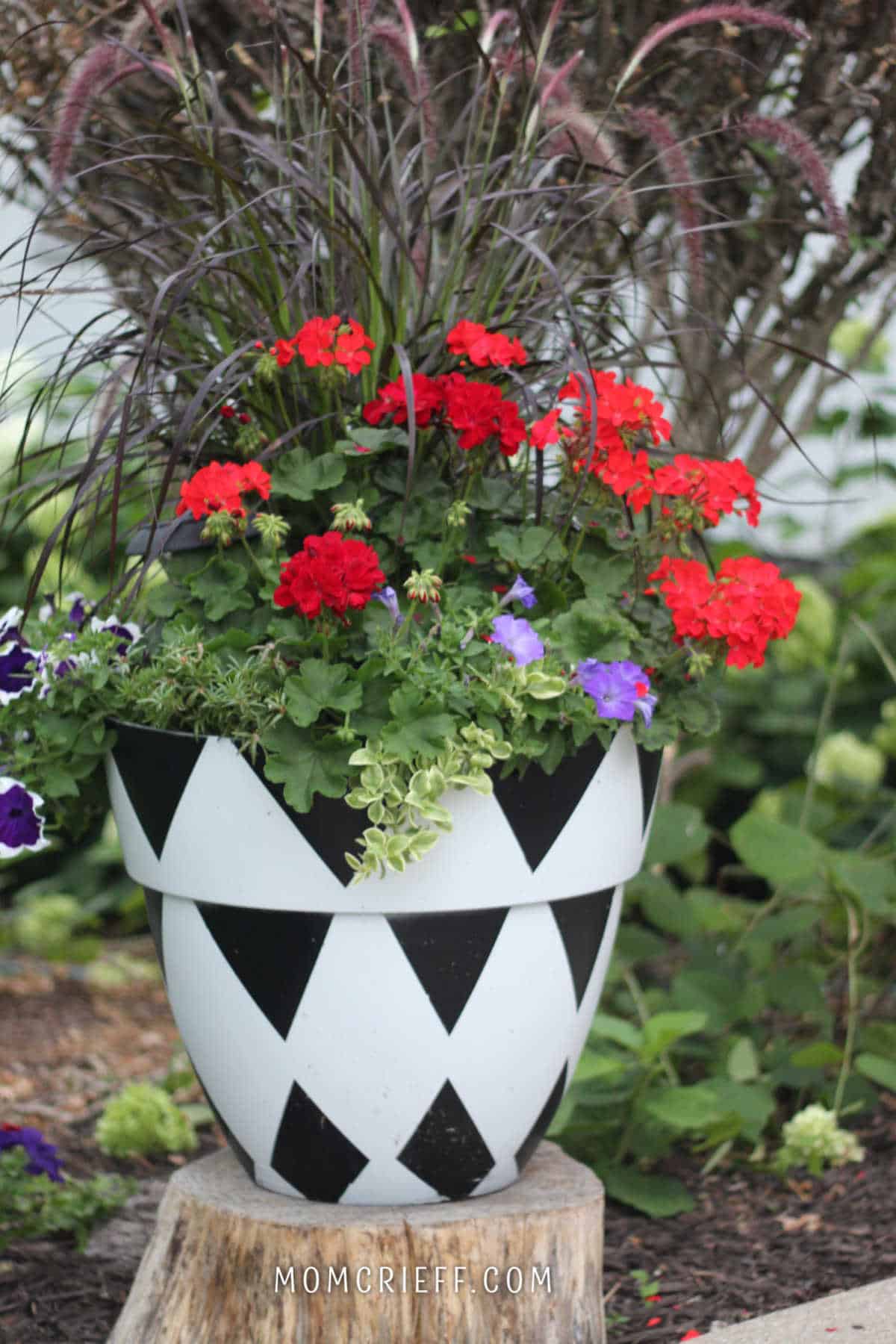
Credit: momcrieff.com
Creative Container Arrangements
Large planters offer many chances to create eye-catching displays. They can hold many plants or special decorations.
Using different containers and decorations adds style. This guide shows ideas to make your planters stand out.
Combining Multiple Planters
Grouping several planters creates a bold look. Mix sizes and shapes for interest and balance.
Place tall plants with short ones to add height and depth. Use similar colors or themes to connect the group.
- Use three planters with different heights
- Place a large planter in the center
- Surround it with two smaller planters
- Choose plants with various leaf shapes
Using Unusual Containers
Try containers like old buckets, baskets, or wooden crates. They add charm and personality to your space.
Make sure containers have drainage holes. This keeps plants healthy and prevents water buildup.
- Repurpose teapots or bowls as planters
- Use vintage suitcases lined with plastic
- Fill wire baskets with moss and soil
- Paint containers to match your décor
Adding Decorative Elements
Decorations enhance your planter’s look. Add stones, figurines, or fairy lights to create a theme.
Keep decorations simple so plants stay the focus. Change items seasonally for fresh appeal.
- Place small pebbles or colored stones on soil
- Add miniature garden statues or animals
- Wrap planters with twine or ribbon
- Use solar lights for evening glow
Maintenance Tips For Lush Displays
Large planters can hold many plants and flowers. Proper care keeps them looking fresh and healthy.
Simple maintenance steps help your plants grow strong and vibrant all season long.
Watering Best Practices
Water plants deeply but less often to encourage strong roots. Check soil moisture before watering.
Water early in the day to reduce evaporation and prevent disease.
- Use a watering can or hose with a gentle spray
- Avoid overwatering to stop root rot
- Ensure drainage holes in the planter are clear
Fertilizing Schedule
Feed plants regularly to replace nutrients lost in pots. Use a balanced fertilizer for best results.
Follow the label instructions to avoid burning roots or overfeeding.
- Apply fertilizer every 4-6 weeks during growing season
- Use slow-release or liquid fertilizers as preferred
- Reduce feeding in cooler months when growth slows
Pruning And Deadheading
Remove dead or faded flowers to encourage more blooms. Trim back overgrown stems for shape.
Regular pruning helps plants focus energy on healthy growth and prevents diseases.
- Pinch off spent flowers every few days
- Cut back leggy stems to promote bushiness
- Use clean scissors or pruning shears to avoid damage
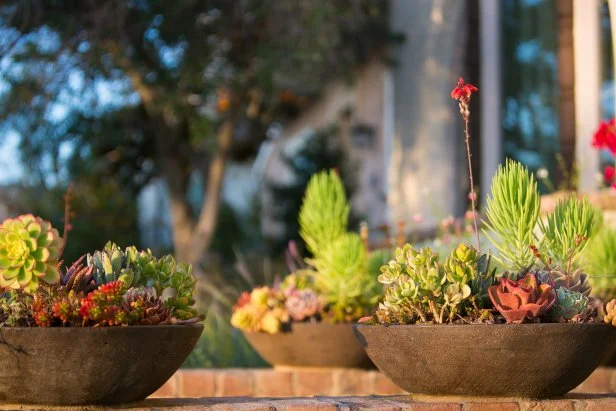
Credit: www.hgtv.com
Frequently Asked Questions
What Plants Grow Best In Large Planters?
Large planters suit plants with extensive roots like small trees, shrubs, and tall perennials. Choose species needing ample space and good drainage for healthy growth. Examples include dwarf citrus, hydrangeas, and ornamental grasses, which thrive well in large containers.
How To Prepare Soil For Large Planters?
Use a well-draining, nutrient-rich potting mix for large planters. Combine compost, peat moss, and perlite to improve aeration and moisture retention. Avoid garden soil, which can compact and hinder root growth.
Can I Mix Flowers And Vegetables In Large Planters?
Yes, mixing flowers and vegetables adds beauty and functionality. Choose compatible plants with similar sunlight and water needs. Companion planting can enhance pest control and improve growth in large containers.
How Often Should I Water Plants In Large Planters?
Water large planters deeply but less frequently to encourage strong roots. Check soil moisture regularly; water when the top inch feels dry. Adjust frequency based on weather and plant type to prevent over or underwatering.
Conclusion
Large planters offer many ways to add life to your space. Choose plants that fit your style and climate. Mix tall, short, and trailing plants for interest. Use good soil and water well to keep plants healthy. Change plants seasonally to keep your planter fresh.
Enjoy the beauty and calm that plants bring. Simple steps create a big impact. Your large planter can become a lovely focal point. Try different combinations until you find what you love most. Gardening in large planters is fun and rewarding.