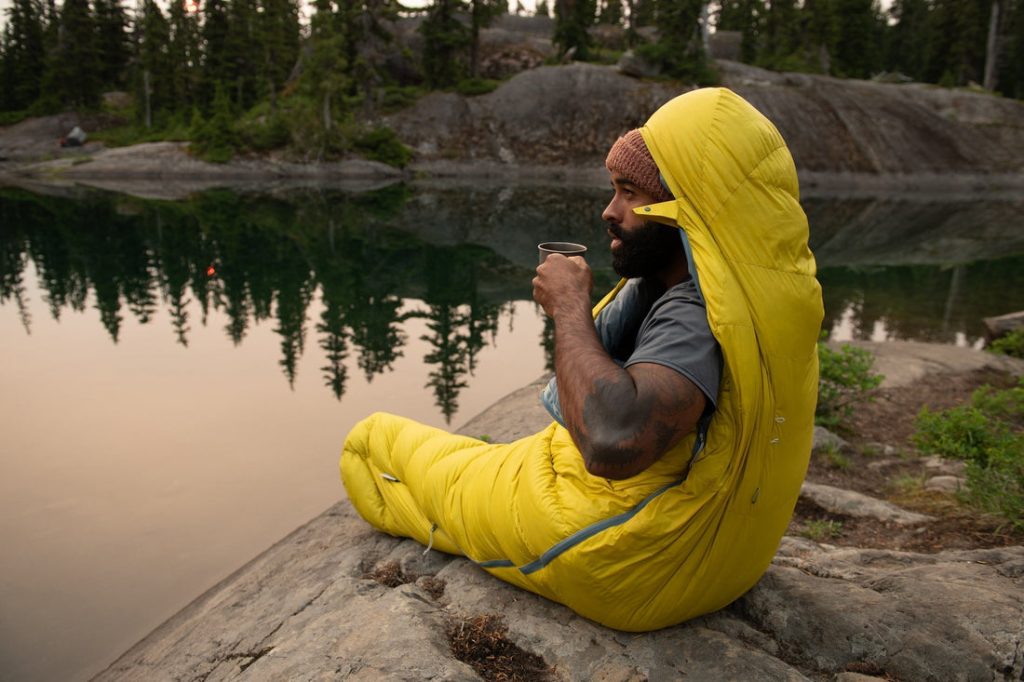
Your sleeping bag is your best friend on every outdoor adventure. But how often do you think about cleaning it?
Washing your sleeping bag the right way is key to keeping it fresh, comfy, and long-lasting. If you want to avoid damage and know exactly what to do, you’re in the right place. Keep reading to discover simple steps that will make your sleeping bag feel like new again.
Choosing The Right Washing Method
Washing a sleeping bag keeps it clean and fresh. Choosing how to wash it depends on several factors.
You must pick the washing method that protects the fabric and filling. This guide helps you decide between machine wash and hand wash.
Machine Wash Vs Hand Wash
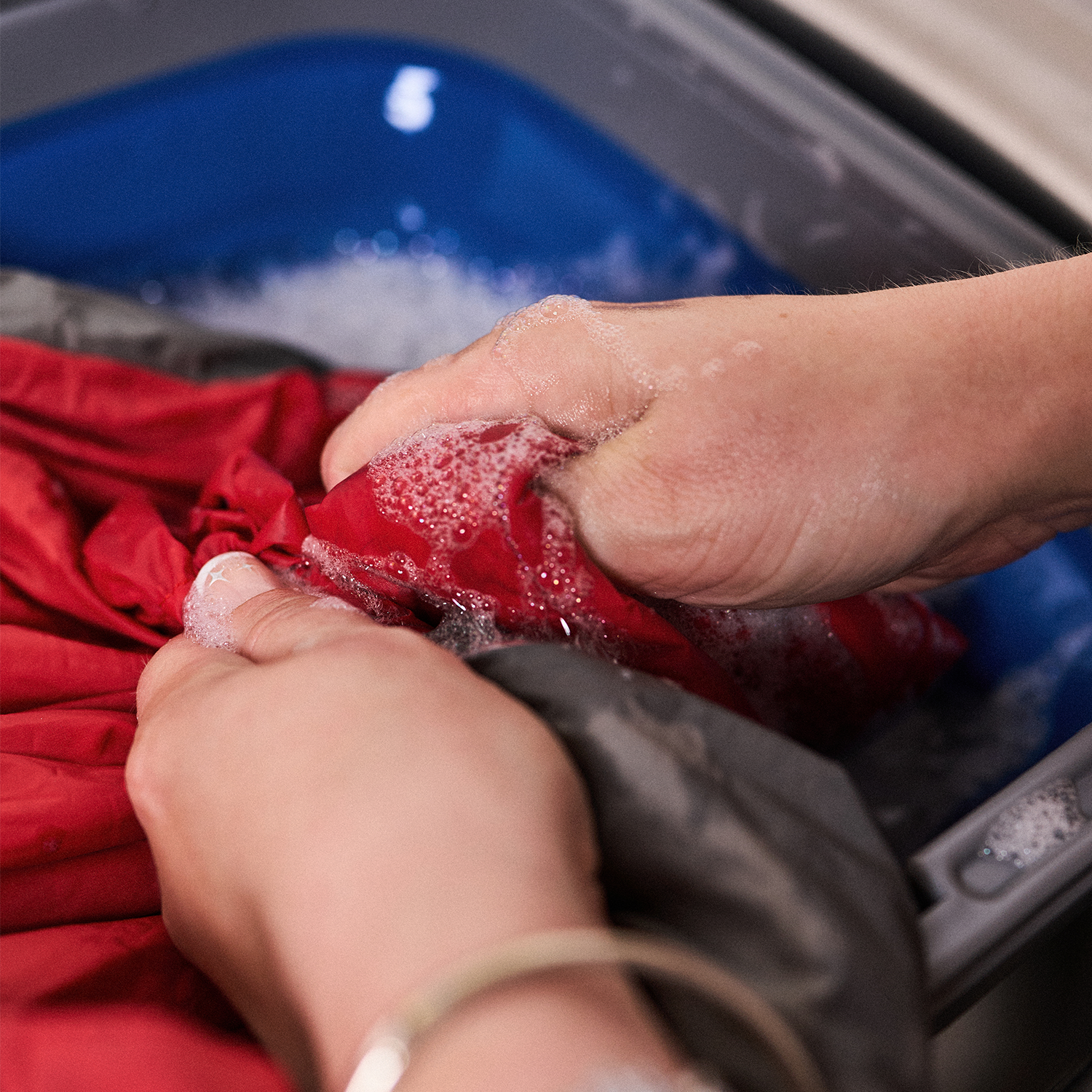
Machine washing is faster and easier but may be rough on some sleeping bags. Hand washing is gentler but takes more time.
- Machine Wash:Use a front-loading washer on gentle cycle.
- Hand Wash:Soak and gently scrub with mild soap.
- Drying:Always air dry or use a low heat setting.
Checking The Care Label
The care label shows important washing instructions. It tells you the best way to clean your sleeping bag safely.
| Symbol | Meaning |
| Machine Wash | Safe to wash in machine |
| Hand Wash | Wash by hand only |
| Do Not Wash | Use spot cleaning only |
| Do Not Bleach | Avoid bleach or harsh chemicals |
| Tumble Dry Low | Dry on low heat |

Credit: www.halfwayanywhere.com
Preparing Your Sleeping Bag
Before washing your sleeping bag, you need to prepare it carefully. Proper preparation helps keep the bag safe and clean.
Cleaning your sleeping bag starts with removing dirt and closing all parts. This makes the washing process easier and more effective.
Removing Dirt And Debris
Take your sleeping bag outside and shake it well. This removes loose dirt, leaves, and small debris.
If there are spots with mud or stains, gently brush them with a soft brush. Do not rub hard to avoid damage.
- Shake the sleeping bag to remove loose dirt
- Brush off mud and stains gently
- Check inside the bag for small debris
Closing Zippers And Fasteners
Close all zippers, Velcro, and snaps on your sleeping bag. This prevents damage during washing.
Make sure zippers are fully zipped to avoid catching on fabric. Fasten all Velcro strips and snaps tightly.
- Zip all zippers completely
- Fasten Velcro strips securely
- Close any snaps or buttons
Selecting Suitable Detergents
Washing a sleeping bag needs the right detergent. Choosing the best one keeps it clean and lasting longer.
Avoid harsh chemicals that might damage the fabric. Let’s explore the options.
Using Mild Detergents
Mild detergents are gentle on your sleeping bag. They help maintain its softness and warmth.
- Liquid detergents work better than powders
- Look for detergents labeled for delicate fabrics
- Avoid detergents with strong fragrances
Avoiding Fabric Softeners And Bleach
Fabric softeners and bleach harm sleeping bag materials. They can break down the fibers and reduce effectiveness.
Always check labels to avoid these additives. Protect the integrity of your sleeping bag by choosing wisely.
- Fabric softeners reduce water repellency
- Bleach can weaken the fabric
- Consider natural alternatives like vinegar
Washing Steps For Different Materials
Sleeping bags need gentle care to keep them warm and comfy. Different materials need different washing steps to avoid damage.
Learn how to wash down and synthetic sleeping bags properly. This guide helps you clean each type safely.
Cleaning Down Sleeping Bags
Down sleeping bags use feathers for warmth. Washing them requires care to keep feathers fluffy and dry.
Use a front-load washing machine or wash by hand. Avoid top-load machines with agitators to prevent damage.
- Use cold water and a gentle detergent made for down.
- Rinse twice to remove all soap.
- Gently press out water, do not wring or twist.
- Tumble dry on low heat with clean tennis balls to restore loft.
- Dry completely to avoid mildew.
Cleaning Synthetic Sleeping Bags
Synthetic sleeping bags use man-made fibers. They dry faster and are easier to wash than down bags.
Use a regular washing machine with a gentle cycle. Use mild soap made for synthetic fabrics.
- Wash in cold or warm water, not hot.
- Use extra rinse cycles to remove soap.
- Do not use fabric softeners or bleach.
- Air dry or tumble dry on low heat.
- Shake the bag to fluff fibers during drying.
Drying Techniques To Maintain Loft
Keeping your sleeping bag fluffy after washing helps it stay warm. Drying it the right way protects the insulation inside. This guide shares ways to dry your sleeping bag safely.
Proper drying keeps the loft full, so your bag works well on cold nights. Use these tips to air dry or use a dryer without damage.
Air Drying Tips
Air drying is gentle and keeps the insulation safe. It takes longer but is best for delicate bags. Follow these tips for good air drying results.
- Hang your sleeping bag in a shaded, well-ventilated area.
- Avoid direct sunlight to stop fabric from fading.
- Lay the bag flat or use a wide hanger to keep shape.
- Flip and shake the bag every few hours to fluff the insulation.
- Make sure the bag is completely dry before storing it.
Using A Dryer Safely
Dryers can speed up drying but must be used with care. Low heat settings keep the bag safe and maintain loft. Add clean tennis balls or dryer balls to help fluff the bag.
| Dryer Setting | Purpose |
| Low Heat | Prevents fabric and insulation damage |
| Air Fluff | Fluffs insulation without heat |
| Tennis or Dryer Balls | Break up clumps and restore loft |
| Short Cycles | Prevents overheating and damage |
Credit: www.ellis-brigham.com
Storing Your Sleeping Bag Properly
Storing your sleeping bag the right way keeps it warm and fluffy. Proper storage stops damage and helps it last longer.
Two important things to focus on are avoiding compression and using storage sacks. Both protect the insulation inside the bag.
Avoiding Compression
Do not keep your sleeping bag tightly rolled or squished for a long time. Compression breaks down the insulation and reduces warmth.
- Store the sleeping bag loosely to keep its loft.
- Use a large cotton or mesh storage sack instead of the small stuff sack.
- Hang the bag in a cool, dry place if possible.
- Avoid placing heavy objects on top of the sleeping bag.
- Keep it away from direct sunlight and moisture.
Using Storage Sacks
Storage sacks protect the sleeping bag from dust and dirt. Use the right sack to keep the bag safe and breathable.
| Type of Sack | Use | Pros | Cons |
| Large Cotton Sack | Long-term storage | Breathable, protects insulation | Can get dirty easily |
| Mesh Sack | Good for hanging storage | Allows air flow, lightweight | Less protection from dust |
| Stuff Sack | Short-term use during trips | Compact, easy to carry | Compresses insulation if used long |
Common Mistakes To Avoid
Washing a sleeping bag needs care and attention. Many people make mistakes that harm their gear. Avoid these errors to keep your sleeping bag safe and clean.
This guide covers two common mistakes: overwashing and ignoring instructions. Read carefully to protect your sleeping bag.
Overwashing Your Sleeping Bag
Many people wash their sleeping bags too often. This can damage the insulation and fabric. Washing only when needed helps your bag last longer.
- Wash only after several uses or if very dirty.
- Spot clean small stains instead of full washing.
- Use gentle detergent made for outdoor gear.
- Always dry the bag completely before storing.
Ignoring Manufacturer Instructions
Every sleeping bag has care instructions from its maker. Ignoring these can cause damage or reduce warmth. Follow instructions closely.
| Common Instruction | Why It Matters |
| Use cold water only | Hot water can shrink or damage materials. |
| Do not use bleach | Bleach breaks down fibers and insulation. |
| Air dry or low heat tumble dry | High heat can melt or deform fabric. |
| Use special detergent | Regular soap leaves residues that reduce loft. |

Credit: www.ellis-brigham.com
Frequently Asked Questions
How Often Should You Wash A Sleeping Bag?
Wash your sleeping bag after every 3-4 uses or if it gets visibly dirty. Frequent washing can damage insulation, so spot clean when possible to maintain warmth and durability.
What Is The Best Method To Wash A Sleeping Bag?
Use a front-loading washing machine with cold water and mild detergent. Avoid top loaders with agitators, as they can damage the bag’s insulation and fabric.
Can You Use Regular Detergent To Wash Sleeping Bags?
No, use a gentle, non-detergent cleaner specifically made for down or synthetic sleeping bags. Regular detergents can strip natural oils and reduce loft.
Should You Dry A Sleeping Bag In A Dryer?
Yes, tumble dry on low heat with clean tennis balls. This helps restore loft and dries the bag evenly without damaging insulation.
Conclusion
Washing a sleeping bag keeps it fresh and lasts longer. Use gentle soap and cold water for best results. Always dry it completely to avoid bad smells or mold. Handle your sleeping bag with care during cleaning. Clean bags make camping more comfortable and enjoyable.
Follow simple steps to protect your gear. Taking time to wash your sleeping bag helps you sleep better outdoors. Easy care means more fun on your trips.