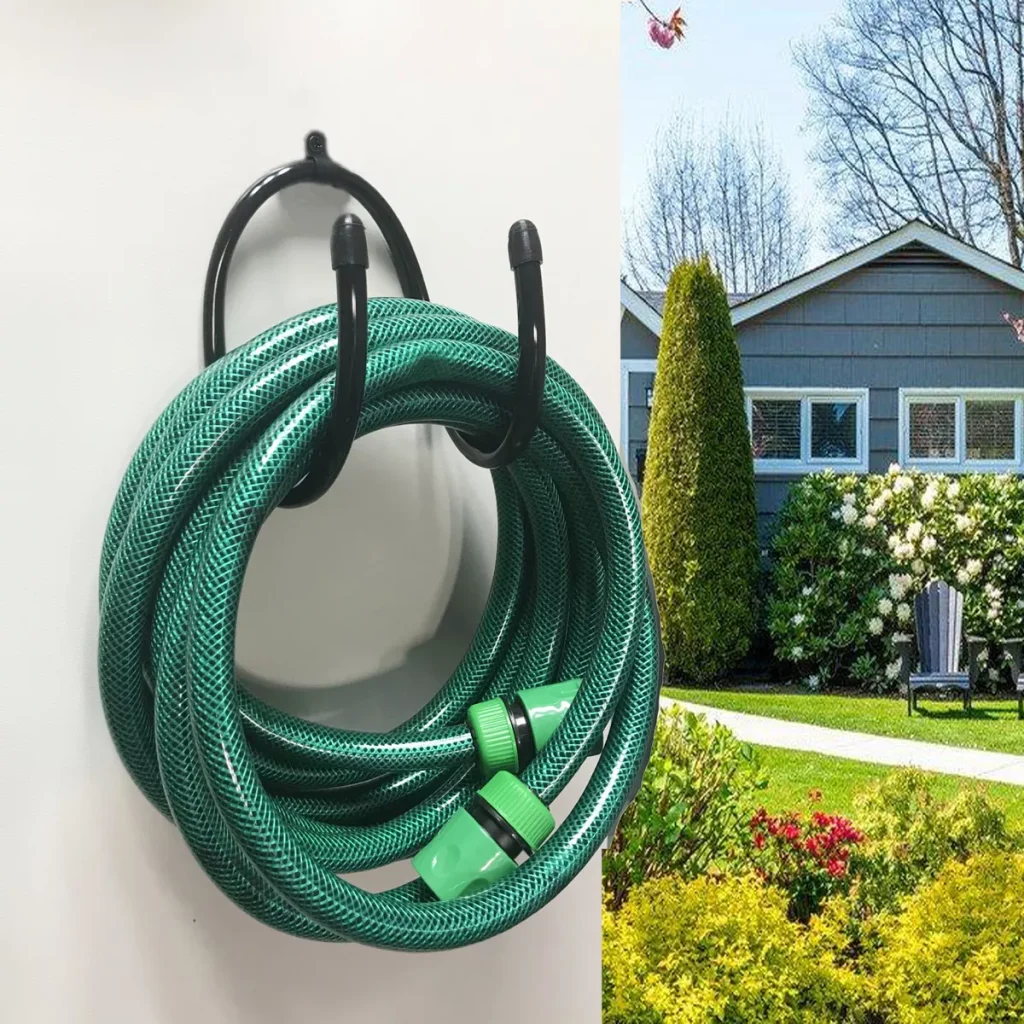
Are you tired of your garden hose getting tangled, kinked, or damaged every time you use it? Properly storing your garden hose can save you time, frustration, and money.
Imagine reaching for your hose and finding it neat, ready to use, and free from cracks or leaks. In this guide, you’ll discover simple, effective ways to store your garden hose that will keep it in great shape for years.
Keep reading to learn easy tips that make your gardening routine smoother and protect your hose from wear and tear. Your garden—and your hose—deserve the best care.
Choose The Right Storage Spot
Proper storage extends the life of your garden hose. Picking a good spot keeps it safe and ready to use.
Focus on a place that protects the hose from damage and weather. This guide explains key points to consider.
Avoid Direct Sunlight
Sunlight can cause the hose material to break down. UV rays make the hose dry and brittle over time.
- Choose a shaded area for storage
- Use a hose reel under a covered porch
- Avoid leaving the hose on hot pavement
Keep Away From Extreme Temperatures
Heat and cold can damage your hose. Extreme heat softens it, while cold may cause cracks.
| Temperature | Effect on Hose |
| High heat (above 90°F) | Softens and weakens material |
| Freezing cold (below 32°F) | Causes cracks and leaks |
Select A Dry Area
Moisture can cause mold and mildew on hoses. Store your hose in a dry, well-ventilated place.
Tips for choosing a dry spot:
- Use an indoor shed or garage
- Avoid damp basements or corners
- Keep the hose off the ground

Credit: www.thespruce.com
Proper Hose Cleaning
Cleaning your garden hose before storage helps it last longer. Dirt and moisture can cause damage over time.
Learn how to flush out dirt and remove moisture to keep your hose in good shape.
Flush Out Dirt And Debris
Remove dirt and debris inside the hose by flushing it with clean water. This stops blockages and keeps water flowing well.
- Connect the hose to a water source.
- Turn on the water at full pressure.
- Let water run through the hose for several minutes.
- Inspect the hose end to ensure water flows clear.
- Repeat if needed to clear stubborn dirt.
Remove Moisture Before Storage
Dry the hose fully to prevent mold and damage. Moisture left inside can freeze or rot the material.
| Method | Description |
| Drain Hose | Lift one end and let water drain out completely. |
| Hang Hose | Hang the hose in loops to air dry for several hours. |
| Use a Cloth | Wipe the outside to remove any wet spots. |
| Store in Shade | Keep hose in a cool, dry place away from sunlight. |
Effective Hose Coiling Techniques
Proper storage of a garden hose prolongs its life. Coiling it correctly prevents damage.
Using effective techniques keeps your hose in good shape. It also saves space and reduces clutter.
Over-under Coil Method
The Over-Under Coil Method helps prevent tangling. It is simple and effective for hose storage.
- Lay the hose straight on the ground.
- Grab one end and make a loop over the hose.
- Next, make a loop under the hose in the opposite direction.
- Continue alternating over and under until the hose is coiled.
- Secure the coil with a strap or tie.
Avoid Tight Bends And Kinks
Tight bends and kinks damage hoses over time. Avoid them for a longer-lasting hose.
Consider using a hose reelto prevent kinks. It keeps the hose neatly coiled and ready for use.
| Action | Result |
| Use a hose reel | Prevents kinks |
| Store in a shaded area | Reduces sun damage |
| Check for leaks regularly | Ensures efficient water flow |

Credit: www.thespruce.com
Use Suitable Storage Accessories
Storing your garden hose properly keeps it safe and ready to use. Using the right accessories helps prevent damage and tangles.
There are several options for hose storage. Choosing the best one depends on your space and how often you use the hose.
Hose Reels And Hangers
Hose reels and hangers keep your hose neat and off the ground. They make it easy to unwind and rewind the hose.
- Wall-mounted hose reels save floor space.
- Portable reels let you move the hose easily.
- Hose hangers are simple hooks or brackets.
- Reels protect the hose from kinks and cracks.
Storage Bins And Bags
Storage bins and bags keep your hose clean and dry. They are good for short hoses or small spaces.
| Accessory Type | Advantages | Best For |
| Storage Bin | Protects hose from dirt and weather | Small to medium hoses |
| Storage Bag | Lightweight and easy to carry | Short hoses or portable use |
| Hose Reel | Keeps hose untangled and organized | Frequent use, larger hoses |
| Hose Hanger | Simple and space-saving | Quick storage, small yards |
Winterizing Your Garden Hose
Protecting your garden hose during winter saves it from damage. Cold weather can freeze water inside the hose. This causes cracks and leaks.
Proper storage helps your hose last longer. Follow simple steps to keep it safe through cold months.
Drain Completely
Remove all water from the hose before storing. Water left inside can freeze and expand. This breaks the hose or fittings.
- Turn off the water supply.
- Disconnect the hose from the faucet.
- Lift one end and let water flow out.
- Keep the hose elevated to drain fully.
- Shake gently to remove trapped water.
Store Indoors During Cold Months
Keep the hose inside a dry, warm place during winter. Avoid leaving it outdoors where it freezes.
| Storage Location | Benefits |
| Garage | Protected from cold and sun damage |
| Basement | Cool but frost-free environment |
| Storage Shed | Keep off the ground and dry |

Credit: www.thespruce.com
Routine Hose Maintenance
Keeping your garden hose in good shape helps it last longer. Regular checks prevent small problems from getting worse.
Simple care steps keep your hose ready for watering tasks all year. Inspect it often and fix issues quickly.
Inspect For Leaks And Damage
Look closely at the hose for cracks, holes, or worn spots. Check both the length of the hose and the connectors.
- Feel along the hose for soft or thin areas
- Look for water dripping when the hose is on
- Check the couplings for rust or breaks
- Inspect the nozzle for clogs or cracks
Repair Minor Issues Promptly
Fix small holes and leaks quickly to avoid bigger damage. Use simple repair kits or replace damaged parts.
| Problem | Repair Method | Tools Needed |
| Small hole | Patch with hose repair tape | Repair tape, scissors |
| Leaking coupling | Tighten or replace washer | Wrench, replacement washers |
| Cracked nozzle | Replace nozzle | New nozzle |
Frequently Asked Questions
How Do I Properly Store A Garden Hose?
To store a garden hose properly, drain all water first. Coil it loosely to avoid kinks. Store it in a cool, dry place away from direct sunlight to prevent damage and extend its lifespan.
Can I Store A Garden Hose Outside?
Yes, you can store a garden hose outside if you use a hose reel or hanger. Protect it from extreme weather by covering or placing it in a shaded area to prevent cracking and wear.
What Is The Best Way To Prevent Hose Kinks?
To prevent hose kinks, coil the hose loosely in large loops. Avoid sharp bends or twists. Using a hose reel or hanger also helps maintain its shape and prevents damage.
Should I Drain Water From The Hose Before Storage?
Yes, always drain water completely before storing your garden hose. Water left inside can freeze, causing cracks and damage. Draining extends hose life and keeps it ready for use.
Conclusion
Storing your garden hose properly saves time and money. It keeps the hose from cracking or tangling. Use a reel, hanger, or a simple coil method. Store the hose in a cool, dry place away from sunlight. Drain water before storage to avoid damage in cold weather.
Regular care helps the hose last longer. Follow these tips for easy and neat hose storage. Your garden will stay tidy, and your hose will work well every season. Simple steps make a big difference.