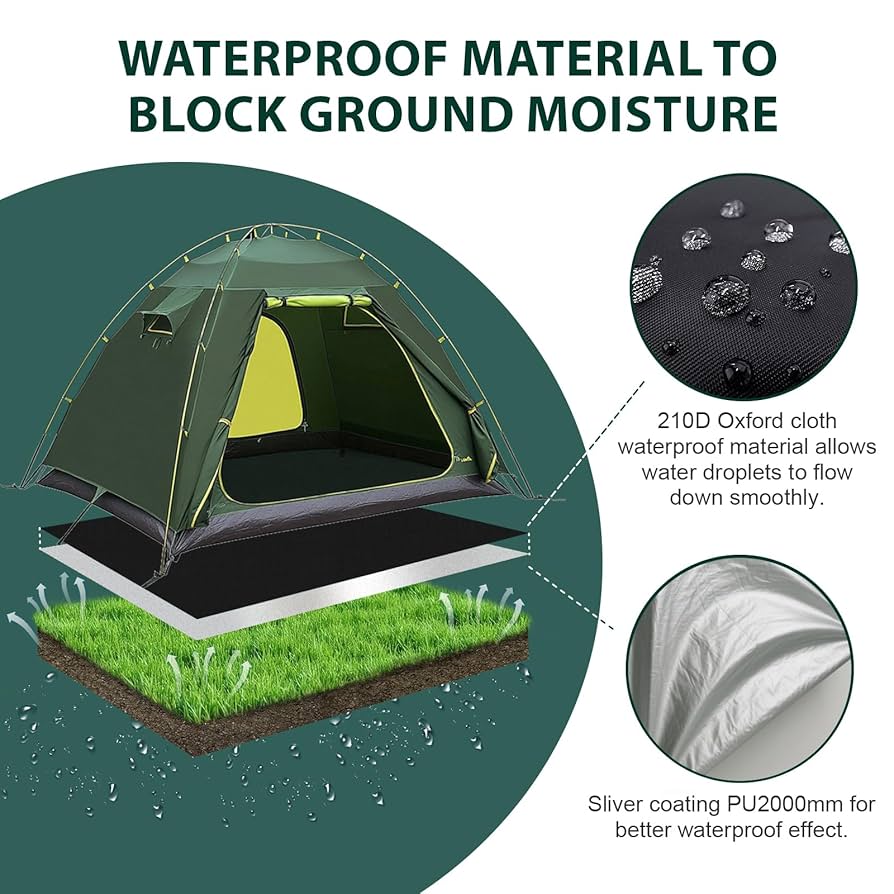
Have you ever wondered how to protect the bottom of your tent and make your camping experience more comfortable? That’s where a tent footprint comes in.
If you want to keep your tent clean, dry, and damage-free, understanding what a tent footprint is can make a big difference. You’ll discover why a tent footprint is a smart investment for any camper and how it can save you time, money, and hassle on your next outdoor adventure.
Keep reading to learn all about this simple but powerful camping accessory!
Tent Footprint Basics
A tent footprint is a protective layer placed under a tent. It helps shield the tent floor from damage and dirt. Using a footprint extends the life of your tent.
Many campers use footprints to improve comfort and keep their tents clean. They come in different shapes and materials to fit various tents and needs.
Purpose Of A Tent Footprint
The main job of a tent footprint is to protect the tent’s bottom. It stops wear and tear from rough ground and sharp objects. It also helps keep moisture from seeping inside.
- Prevents tears and punctures on the tent floor
- Keeps the tent clean from mud and dirt
- Acts as an extra layer against wet ground
- Improves insulation by reducing cold from the ground
- Makes packing up easier by reducing mud inside the tent
Materials Used
Footprints come in many materials. Each one offers different strengths and weights. Choosing the right material depends on your camping style and conditions.
| Material | Features | Best Use |
| Polyethylene | Heavy, durable, waterproof | Base camp or rough terrain |
| Silicone-coated Nylon | Lightweight, water-resistant, strong | Backpacking and long hikes |
| Polyurethane-coated Polyester | Waterproof, moderate weight, durable | General camping and festivals |
| Tyvek | Light, breathable, water-resistant | Dry conditions and short trips |
Types Of Footprints
There are several types of footprints. Some match the tent shape exactly, while others are more general. The choice affects protection and ease of use.
- Custom Footprints:Made to fit one tent model perfectly. Offer full coverage and best protection.
- Generic Footprints:Slightly larger or smaller. Good for multiple tent types but less precise.
- DIY Footprints:Made from tarps or other materials. Affordable but may not fit well.
- Integrated Footprints:Built into some tents. Attached and easy to use, but less flexible.
Choosing The Right Footprint
A tent footprint is a protective layer placed under your tent. It helps keep the tent floor clean and safe from damage.
Choosing the right footprint can improve your camping experience. It protects your tent and makes setup easier.
Matching Footprint To Tent Size
The footprint should fit your tent’s floor size closely. A footprint too big can collect rainwater. Too small leaves parts of the tent exposed.
Check your tent’s floor dimensions before buying a footprint. Some footprints are made for specific tent models.
- Measure your tent’s floor length and width
- Choose a footprint with the same or slightly smaller size
- A perfect fit protects the whole tent floor
Considerations For Terrain
Think about the ground where you camp. Rough or rocky ground needs a tough footprint. Soft ground may need a lighter footprint.
Some footprints work better on sand, dirt, or grass. Choose one that matches your usual camping spots.
- Rocky ground: use thick, durable footprints
- Soft ground: lighter footprints can work well
- Wet areas: waterproof footprints help keep moisture out
Weight And Packability
If you hike or backpack, weight matters. A heavy footprint can slow you down. Look for a lightweight but strong material.
Packability means how small the footprint gets when folded. A compact footprint saves space in your backpack.
- Choose lightweight fabrics like silnylon or polyester
- Check how small the footprint packs down
- Balance between weight and durability
Benefits Of Using A Tent Footprint
A tent footprint is a protective groundsheet placed under your tent. It adds a layer between the tent floor and the ground.
Using a footprint can improve your camping experience by protecting your tent and keeping it cleaner.
Protection From Abrasion
The footprint shields the tent floor from rocks, sticks, and rough surfaces. This protection prevents holes and tears.
- Reduces wear and tear on the tent floor
- Prevents damage from sharp objects on the ground
- Keeps the tent floor cleaner during setup and use
Improved Waterproofing
A footprint adds an extra waterproof layer beneath your tent. It stops moisture from the ground from soaking into the tent floor.
| Benefit | With Footprint | Without Footprint |
| Water resistance | High | Medium |
| Ground moisture protection | Effective | Poor |
| Comfort inside tent | Dry and comfortable | Sometimes damp |
Extended Tent Lifespan
By using a footprint, you help your tent last longer. It lowers the risk of damage from rough ground and water.
- Protects the tent fabric from dirt and grit
- Reduces cleaning and repairs needed
- Maintains tent shape and strength over time

Credit: altongoods.com
How To Use A Tent Footprint
A tent footprint is a protective layer placed under your tent. It helps keep the tent floor clean and safe from damage. Using a footprint can make camping more comfortable and extend the life of your tent.
This guide explains how to set up, secure, and care for your tent footprint. Follow these tips to get the best use from it.
Setup Tips
Start by choosing a flat, debris-free spot for your tent. Spread the footprint evenly on the ground before pitching your tent on top. Make sure the footprint matches the size and shape of your tent floor.
- Clear rocks, sticks, and sharp objects from the area.
- Lay the footprint flat with no wrinkles.
- Align the footprint edges with the tent floor edges.
- Keep the footprint slightly smaller than the tent floor to avoid water pooling.
Securing The Footprint
Securing the footprint prevents it from moving and protects your tent floor. Use stakes or clips to hold the footprint in place. Check the fit often during camping.
| Method | Description |
| Stakes | Pin the footprint corners to the ground with tent stakes. |
| Clips | Attach the footprint to tent loops or straps. |
| Weight | Place heavy gear on the edges to keep it still. |
Maintenance And Care
Keep your footprint clean and dry to extend its life. Clean it after every trip and store it properly. Repair small tears quickly to avoid bigger damage.
- Shake off dirt and debris before packing.
- Wash with mild soap and water if needed.
- Dry the footprint fully before storage.
- Store in a cool, dry place away from sunlight.
- Patch small holes with repair tape or patches.
Footprint Alternatives
A tent footprint is a ground cloth that protects your tent floor from damage. It helps keep your tent clean and dry. Many campers use footprints, but you can also use other options.
These alternatives are easy to find or make. They offer good protection and can save money. Here are some popular footprint alternatives to consider.
Diy Ground Cloths
You can create your own ground cloth using materials like old sheets or plastic. Cut the cloth to fit your tent’s floor size. This option is cheap and customizable.
Make sure the cloth is waterproof or water-resistant. Avoid fabrics that soak water or tear easily. Adding a waterproof spray can improve protection.
Tarp Options
Tarps are a common footprint alternative. They come in different sizes and materials, like polyethylene or canvas. Tarps are strong and protect your tent from wet ground and sharp objects.
Choose a tarp slightly smaller than your tent floor. This prevents water from collecting under the tent walls. Use tent stakes or heavy rocks to keep the tarp in place.
- Polyethylene tarps are lightweight and waterproof
- Canvas tarps are durable but heavier
- Choose tarp size to fit your tent footprint
- Keep tarp edges inside tent edges
Using Old Tent Floors
If you have an old tent floor, you can reuse it as a footprint. Old floors are made of strong material designed to protect against rough ground. This is a great way to recycle and save money.
Check the floor for holes or tears before use. Repair any damage with patch kits or waterproof tape. Cut the floor to fit your new tent size if needed.
Common Mistakes To Avoid
Using a tent footprint can protect your tent’s floor and improve camping comfort. Many campers make mistakes that reduce these benefits. Learning what to avoid helps you get the most from your footprint.
Here are common errors people make with tent footprints. Avoiding these will keep your tent safe and clean.
Incorrect Sizing
Choosing a footprint that is too big or too small causes problems. A footprint that is too small leaves parts of the tent floor unprotected. A footprint that is too large can collect water under the tent.
Always pick a footprint that matches your tent’s exact floor size. This protects your tent and helps avoid water pooling below.
- Measure your tent floor before buying a footprint
- Do not use footprints meant for larger tents
- Check the footprint size listed by the manufacturer
Neglecting Footprint Use
Some campers skip using a footprint altogether. This can cause damage to the tent floor from rocks, sticks, and dirt. The tent floor may wear out faster without a footprint.
Always use a footprint under your tent. It adds an extra layer of protection from rough ground and moisture.
- Use a footprint every time you camp
- Place it flat with no wrinkles under the tent
- Ensure it covers the whole tent floor area
Improper Cleaning
Failing to clean your footprint after camping can cause dirt and moisture to build up. This can damage the material and lead to mold or bad smells. Dirt left on the footprint can also transfer to your tent floor.
Clean your footprint properly after each use. Let it dry completely before storing to keep it in good shape.
- Shake off loose dirt and debris
- Use a soft brush and mild soap to clean
- Rinse well with clean water
- Air dry fully before packing away
Top Footprint Brands And Models
A tent footprint is a vital accessory for campers. It protects the tent floor from rough surfaces and moisture. Different brands offer various options to suit every need.
In this guide, we explore top footprint brands and their models. We categorize them into budget-friendly, premium, and specialty footprints to help you choose the best option.
Budget-friendly Picks
Budget-friendly footprints offer basic protection for your tent without breaking the bank. These are ideal for casual campers or those new to camping.
- REI Co-op Camp Dome Footprint
- AmazonBasics Waterproof Footprint
- ALPS Mountaineering Tent Footprint
Premium Options
Premium footprints offer enhanced durability and features. They are perfect for frequent campers and those who need extra protection.
| Brand | Model |
| MSR | Universal Footprint |
| Big Agnes | Footprint for Copper Spur |
| Nemo | Hornet Tent Footprint |
Specialty Footprints
Specialty footprints are designed for unique camping needs. They offer specific features like lightweight material or custom fits.
Consider these specialty options:
- Hyperlite Mountain Gear Ground Cloth
- Zpacks Duplex Tent Floor
- Sea to Summit Escapist Groundsheet

Credit: www.coreequipment.com

Credit: altongoods.com
Frequently Asked Questions
What Is A Tent Footprint Used For?
A tent footprint protects your tent’s floor from damage. It prevents wear, tears, and moisture. It also adds an extra layer of insulation. Using a footprint extends the tent’s lifespan and keeps the interior dry and clean.
How To Choose The Right Tent Footprint?
Choose a footprint that matches your tent’s floor size. It should be slightly smaller to avoid water pooling. Select durable, waterproof materials like polyethylene or nylon. Consider weight and packability for backpacking trips. Proper fit ensures optimal protection and comfort.
Can A Tent Footprint Improve Camping Comfort?
Yes, a tent footprint adds cushioning and insulation. It creates a barrier against cold, wet, or rough ground. This improves sleeping comfort and warmth. It also helps maintain a clean tent interior by blocking dirt and moisture.
Is A Tent Footprint Necessary For All Camping Trips?
A footprint is not always mandatory but highly recommended. It protects your tent on rough or wet terrain. For short or casual trips, you may skip it. However, using a footprint increases tent durability and comfort in most conditions.
Conclusion
A tent footprint protects your tent floor from damage. It keeps moisture and dirt away. This helps your tent last longer. Using a footprint also adds extra comfort. It makes camping cleaner and more enjoyable. Choosing the right size is important for good fit.
A footprint is a simple, useful camping tool. It saves money by preventing wear and tear. Remember this tip for your next outdoor trip. Your camping experience will improve with a tent footprint.