Are you finding tiny, wriggling maggots in your compost bin and wondering how to get rid of them fast? Those squirmy creatures can be unsettling and might make you question if your compost is still healthy.
The good news is, you don’t have to toss out your compost or let maggots take over. You’ll discover simple, effective steps to eliminate maggots and keep your compost bin fresh and balanced. Keep reading to learn how to protect your compost and turn it into nutrient-rich soil without the unwanted guests.
Causes Of Maggots In Compost
Maggots often appear in compost bins when conditions attract flies. These larvae feed on decaying organic matter. Understanding why maggots appear can help keep your compost clean.
Compost bins provide a perfect place for maggots if the environment is moist and full of food. Knowing what attracts them helps in preventing their growth.
Why Maggots Appear
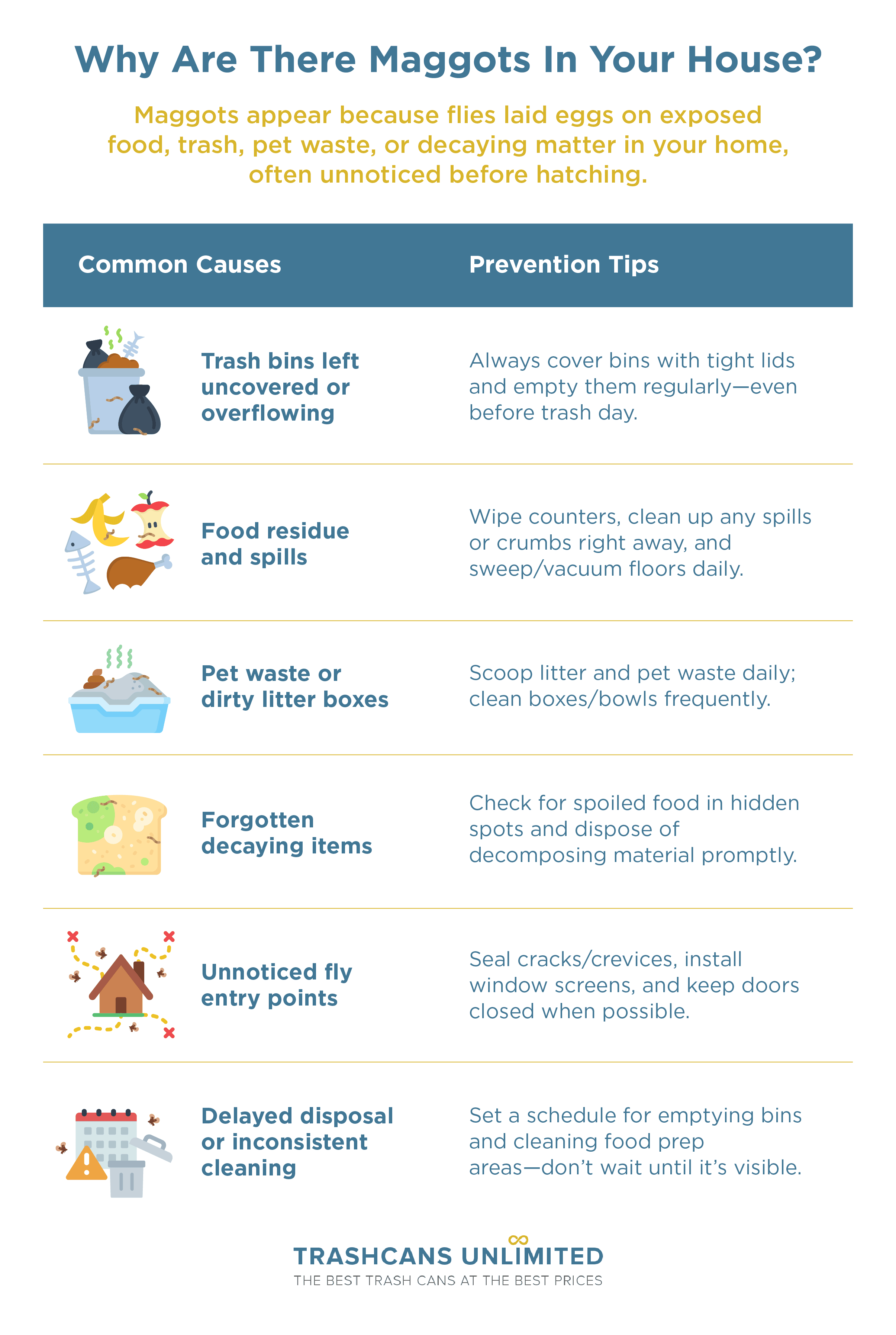
Maggots appear because flies lay eggs in compost. The eggs hatch into larvae that feed on rotting food scraps. Moist, warm, and smelly compost invites these flies.
If the compost is too wet or has too much food waste on top, maggots will thrive. Poor airflow also causes the problem by keeping the compost damp.
- Flies lay eggs on exposed food scraps
- Warm and moist conditions help maggots grow
- Too much fresh food attracts flies
- Poor ventilation keeps compost wet
Common Attractants
Certain materials in compost attract flies that cause maggots. Meat, dairy, and oily foods are strong attractants. These foods should not go in compost bins.
Fruit and vegetable scraps also draw flies. If left uncovered or in large amounts, they create a breeding ground for maggots.
- Meat and fish scraps
- Dairy products like cheese and yogurt
- Oily or greasy food waste
- Large piles of fruit and vegetable scraps
- Compost bins without lids or covers
Preventing Maggot Infestations
Maggots can be a nuisance in compost bins. They thrive in certain conditions, but you can prevent them.
By following a few simple steps, you can keep your compost bin maggot-free. Focus on layering, food scraps, and moisture.
Proper Compost Layering
Layering compost correctly helps control pests. Use brown and green materials for balance.
Start with dry leaves or shredded paper. Add kitchen scraps, then cover with more dry material.
- Bottom layer: dry leaves or straw
- Middle layer: food scraps
- Top layer: dry leaves or paper
Avoiding Food Scraps That Attract Maggots
Some food scraps attract maggots more than others. Avoid meat and dairy products.
Fruit peels, vegetable scraps, and coffee grounds are safer choices for composting.
- Do not add meat or dairy
- Use fruit and vegetable peels
- Include coffee grounds and eggshells
Maintaining Moisture Levels
Moisture control is crucial. Maggots thrive in overly moist conditions.
Keep your compost damp, not wet. If it feels too wet, add dry materials like leaves.
- Check moisture regularly
- Add dry leaves if too wet
- Turn compost to aerate
Safe Methods To Remove Maggots
Maggots in your compost bin can be unpleasant. They may also slow down composting.
Using safe methods to remove maggots helps keep your compost healthy. It also protects beneficial insects.
Using Boiling Water
Pour boiling water directly on the maggots. This kills them instantly and does not harm your compost.
Use this method carefully to avoid overheating your compost. Boiling water is quick and chemical-free.
Applying Natural Predators
Some animals eat maggots and help control their numbers. You can attract these natural predators near your compost.
- Birds such as robins and sparrows
- Frogs and toads that live near the compost area
- Ground beetles and ants that feed on larvae
Encourage these animals by providing water and shelter close to your compost bin.
Beneficial Insect Introduction
Introducing beneficial insects can reduce maggot populations. These insects prey on fly larvae.
| Beneficial Insect | Role |
| Parasitic Wasps | Lay eggs inside maggots, killing them |
| Predatory Beetles | Eat maggots and fly larvae |
| Spiders | Trap and consume many types of pests |
Buy beneficial insects from garden centers or online suppliers. Release them around your compost bin early in the season.

Credit: agnetwest.com
Chemical Solutions And Their Risks
Using chemicals to get rid of maggots in your compost bin might seem quick and easy. These solutions can kill pests fast but may cause other problems.
It is important to know the types of pesticides available and the risks they pose to the compost and the environment.
Pesticide Options
There are several chemical options for controlling maggots. Some are made for outdoor use, while others are more general pesticides.
- Insecticidal sprays that kill larvae on contact
- Granular pesticides that mix into compost materials
- Powdered insecticides to sprinkle over affected areas
- Biochemical pesticides using natural bacteria to kill maggots
It is crucial to follow the instructions on any pesticide carefully to avoid harm to beneficial insects and plants.
Potential Harm To Compost Quality
Chemicals in pesticides can remain in the compost and damage its quality. This reduces the compost’s value for your garden.
| Risk | Effect on Compost | Possible Outcome |
| Chemical Residue | Remains in soil | Harms plants and microorganisms |
| Reduced Decomposition | Kills helpful bacteria | Slower compost breakdown |
| Toxicity to Wildlife | Poisons worms and insects | Disrupts compost ecosystem |
| Unpleasant Odors | Changes smell of compost | Less usable compost |
Maintaining A Healthy Compost Bin
Maggots in a compost bin show that the pile is unbalanced. Keeping your compost healthy helps stop maggots from growing.
Good care makes compost break down faster and stops pests like maggots from appearing.
Regular Turning Techniques
Turning your compost often adds air and helps it break down well. It stops maggots by keeping the pile dry and hot.
Turn the compost every few days or at least once a week. Use a pitchfork or compost aerator to mix the layers.
- Move outer material to the center
- Mix dry and wet parts evenly
- Break up clumps to let air in
Temperature Monitoring
Check your compost’s temperature to keep it healthy. Hot piles kill fly eggs and maggots.
Use a compost thermometer to check. The ideal range is 130 to 160 degrees Fahrenheit (54 to 71 Celsius).
- If too cool, add green waste or turn more
- If too hot, turn the pile to cool it down
- Keep temperature steady for best results
Proper Waste Selection
Choose what you put in your compost carefully. Avoid adding too much food waste, especially meat or oily scraps.
Use mostly plant-based materials and balance green and brown waste for good compost.
- Green waste: vegetable scraps, grass clippings
- Brown waste: dry leaves, straw, shredded paper
- Avoid: meat, dairy, oily foods, and pet waste
Credit: trashcansunlimited.com

Credit: www.reddit.com
Frequently Asked Questions
How Do Maggots Get Into Compost Bins?
Maggots enter compost bins through food scraps, especially meat or dairy. Warm, moist conditions attract flies that lay eggs, which hatch into maggots. Keeping bins sealed and avoiding certain foods helps prevent infestation.
What Are The Best Ways To Remove Maggots From Compost?
To remove maggots, turn the compost regularly to disrupt their environment. Add dry materials like leaves or sawdust to reduce moisture. You can also sprinkle lime or diatomaceous earth to deter maggots effectively.
Can Maggots Harm My Compost Or Garden?
Maggots speed up decomposition by breaking down organic matter, so they aren’t harmful. However, large infestations can create odor and attract pests. Managing moisture and airflow keeps compost healthy and maggot levels balanced.
How Can I Prevent Maggots In My Compost Bin?
Prevent maggots by avoiding meat, dairy, and oily foods in compost. Maintain a balanced carbon-to-nitrogen ratio and ensure good airflow. Cover food scraps with brown materials and turn compost regularly to deter flies and larvae.
Conclusion
Controlling maggots in your compost bin keeps it healthy and clean. Regularly turn the compost to stop maggots from settling. Avoid adding too much food waste at once. Cover fresh scraps with dry leaves or soil. Keep the bin dry but not too wet.
These simple steps reduce maggot problems quickly. A well-maintained compost bin helps your garden grow better. Stay patient and consistent with care for best results. Your compost will stay fresh and free from pests.