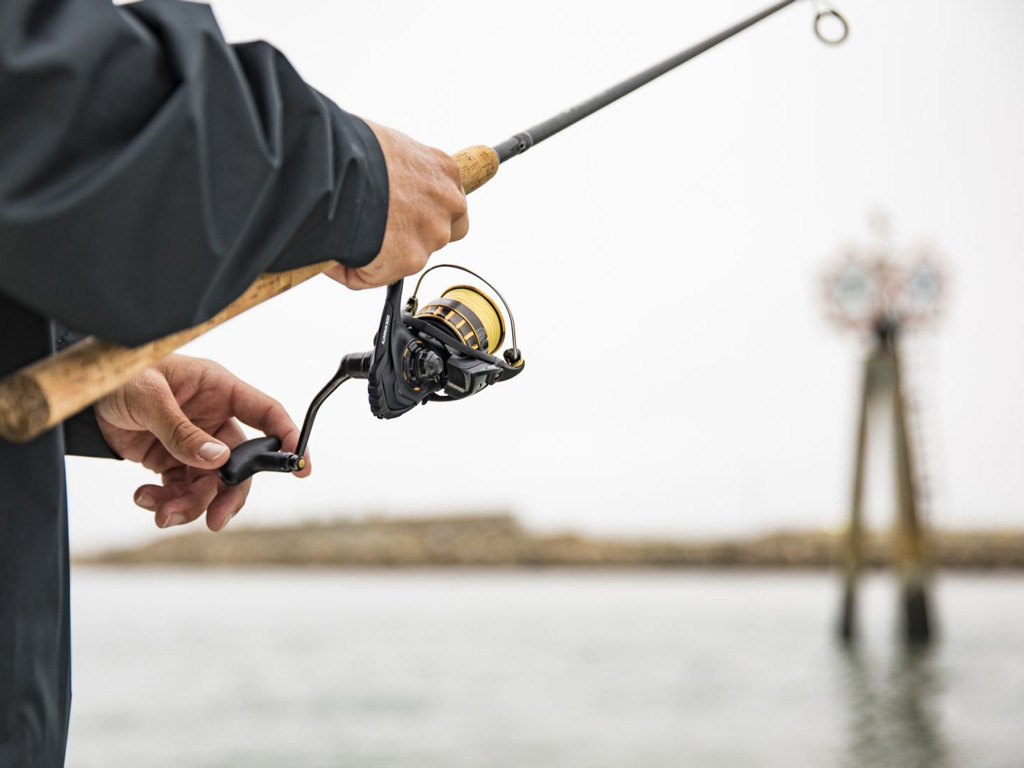
Have you ever wondered how a fishing rod actually helps you catch fish? It might seem like a simple stick with a line, but there’s more to it than meets the eye.
Understanding how your fishing rod works can make a big difference in your success on the water. You’ll discover the key parts of a fishing rod and how they work together to give you control, strength, and precision. By the end, you’ll see your fishing rod in a whole new light—and you’ll be ready to catch more fish with confidence.
Keep reading to unlock the secrets behind your fishing rod’s power.
Basic Parts Of A Fishing Rod
A fishing rod has several parts that work together to help catch fish. Each part has a special job.
Understanding these parts helps you use the rod better and choose the right one for fishing.
Rod Blank
The rod blank is the main body of the fishing rod. It is a long, thin tube that bends when you catch a fish.
Rod blanks come in different lengths and materials like graphite or fiberglass. This affects how strong and flexible the rod is.
Reel Seat
The reel seat holds the fishing reel in place on the rod. It keeps the reel secure while you fish.
Reel seats are usually made of metal or plastic. They screw tightly around the reel foot to stop it from moving.
Guides And Tip
Guides are small rings along the rod that guide the fishing line from the reel to the tip. They help the line flow smoothly.
The tip guide is the last ring at the rod’s end. It is important because it controls the line’s direction during casting and reeling.
- Guides reduce line friction
- They keep the line aligned
- They help with casting accuracy
Handle And Grip
The handle is where you hold the fishing rod. It is designed to be comfortable and strong for long use.
Handles are made from materials like cork or foam. They provide a good grip even when wet, helping you control the rod better.
How Casting Works
Casting is the action of throwing the fishing line into the water. It helps place the bait where fish are likely to bite.
The fishing rod and reel work together to send the line far and accurate. The angler controls the speed and direction of the cast.
Role Of The Rod Flexibility
The rod’s flexibility lets it bend during casting. This bending stores energy like a spring.
When the rod straightens, it releases energy that pushes the line forward. A flexible rod helps cast longer and smoother.
Line Release Mechanism
The line release mechanism controls how the fishing line leaves the reel. It must let the line flow freely during the cast.
Proper line release reduces tangles and improves distance. It also helps the angler stop the line at the right time.
Types Of Casting Techniques
There are different ways to cast depending on the fishing style and environment. Each technique suits a specific need.
- Overhead Cast: The rod moves above the shoulder to throw the line straight ahead.
- Sidearm Cast: The rod moves sideways for a low, fast cast under obstacles.
- Roll Cast: The line rolls off the water surface, good for tight spaces.
- Pitch Cast: Short, accurate casts used to place bait near cover.
Role Of The Reel In Fishing
A fishing rod relies on its reel to function effectively. The reel helps in casting the line and retrieving it.
Understanding the reel’s role is key to enjoying a successful fishing experience. It ensures your line stays untangled and your catch is secure.
Spool Functionality
The spool holds the fishing line on the reel. It allows the line to be cast smoothly and retrieved easily.
When you cast, the spool lets the line out. When you reel in, it wraps the line back onto the spool.
- Prevents line tangles
- Ensures smooth casting
- Keeps the line organized
Drag System
The drag system controls the tension on the line. It allows the fish to pull the line without breaking it.
Adjusting the drag helps manage the fight with a fish. Too tight, and the line may snap; too loose, and the fish could escape.
- Protects the line from breaking
- Helps manage large fish
- Allows controlled line release
Reel Types And Uses
Different types of reels suit different fishing styles. Choosing the right one enhances your fishing success.
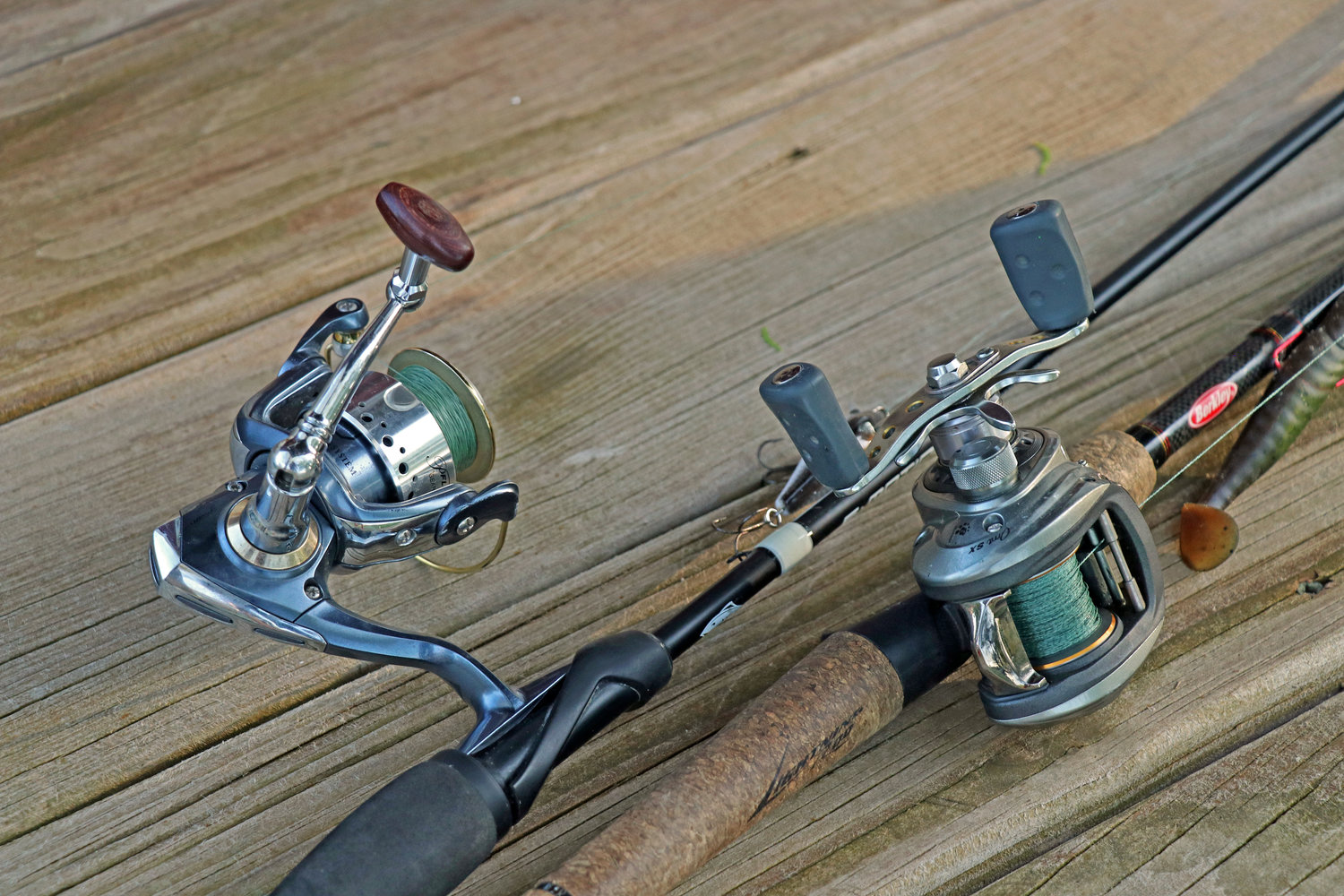
Spinning reels are versatile and beginner-friendly. Baitcasting reels offer precision for experienced anglers.
- Spinning reels for general use
- Baitcasting reels for precision
- Fly reels for fly fishing
How Rod Action Affects Performance
The action of a fishing rod shows how it bends under pressure. It changes how you cast and catch fish. Choosing the right rod action helps you fish better.
Rod action affects power, sensitivity, and control. Understanding these helps you pick the best rod for your needs.
Fast Vs Slow Action
Fast action rods bend mostly near the tip. They give quick hook sets and better control of the lure. These rods work well for heavy lures and big fish.
Slow action rods bend along most of the rod length. They cast lighter lures farther and absorb shocks from fighting fish. These rods are good for small fish and gentle presentations.
- Fast Action:Bends near the tip, quick response
- Slow Action:Bends through the rod, smooth casting
Impact On Sensitivity And Control
Fast action rods are more sensitive. They let you feel small bites and control the lure better. This helps in precise fishing techniques.
Slow action rods offer less sensitivity but more forgiveness. They help keep the fish on the line by absorbing sudden pulls. This can reduce lost fish during fights.
- Fast Action:High sensitivity, better lure control
- Slow Action:Lower sensitivity, more shock absorption
Materials Used In Fishing Rods
Fishing rods come in different materials. Each material affects the rod’s strength and weight. Knowing these materials helps you pick the right rod.
This article looks at three main materials used in fishing rods. These are fiberglass, graphite, and composite materials.
Fiberglass
Fiberglass rods are strong and flexible. They bend without breaking. These rods are heavier than others but last a long time. Fiberglass works well for beginners and heavy fishing.
Graphite
Graphite rods are light and sensitive. They let anglers feel small bites easily. These rods are stiffer than fiberglass. Graphite rods are good for precise casting and light fishing.
Composite Materials
Composite rods mix fiberglass and graphite. This mix balances strength and sensitivity. They are lighter than fiberglass and stronger than graphite. Many anglers choose composite rods for versatility.
- Durability: Composite rods last longer than pure graphite rods.
- Weight: They weigh less than fiberglass rods.
- Sensitivity: Better feeling of fish bites than fiberglass.
- Cost: Usually cost more than fiberglass but less than pure graphite.

Credit: mysterytacklebox.com
Techniques To Improve Casting Accuracy
Casting accuracy is important for catching fish effectively. Small changes in how you cast can make a big difference. Learning good techniques helps you place your lure where fish are.
These tips focus on your grip, stance, line control, and how to handle wind and distance. Each part plays a role in better casting results.
Proper Grip And Stance
Hold the rod firmly but not too tight. Keep your wrist relaxed to allow smooth movement. Stand with your feet shoulder-width apart for balance. Face the direction you want to cast.
- Place your thumb on top of the rod handle.
- Wrap your fingers gently around the grip.
- Keep your elbow close to your body.
- Bend your knees slightly for stability.
- Shift your weight forward as you cast.
Line Management Tips
Proper line control helps your lure fly straight and far. Watch the line for tangles or twists. Keep it tight enough to feel the lure but loose enough to allow casting.
| Tip | Why It Helps |
| Check for knots before casting | Prevents line breaks and tangles |
| Open the bail arm smoothly | Allows clean line release |
| Use finger to control line tension | Improves distance and accuracy |
| Reel in slack line after cast | Maintains control of lure |
Adjusting For Wind And Distance
Wind can push your lure off course. Adjust your aim to compensate. Use less force for short casts and more for long ones. Watch the environment before you cast.
- Cast slightly upwind to counter drift.
- Use a heavier lure in strong wind.
- Shorten your cast in gusty conditions.
- Practice different distances to find control.
- Stay calm and focus on smooth movements.
How To Choose The Right Rod For Different Fish
Choosing the correct fishing rod is important for catching fish successfully. Different fish need different rod strengths and types.
This guide helps you pick the right rod by looking at fish size and fishing environment.
Matching Rod Strength To Fish Size
Fishing rods come in various strengths. You must match the rod strength to the fish size you want to catch.
- Light rods work well for small fish like trout and panfish.
- Medium rods suit fish like bass or walleye.
- Heavy rods are best for large fish such as catfish or pike.
- Extra-heavy rods handle very big fish like tuna or large carp.
Considering Fishing Environment
Your fishing environment affects the rod you need. Saltwater and freshwater require different rods.
| Environment | Rod Material | Rod Length | Notes |
|---|---|---|---|
| Freshwater | Graphite or fiberglass | 6 to 7 feet | Good for small to medium fish |
| Saltwater | Corrosion-resistant graphite | 7 to 9 feet | Strong rods to handle bigger fish and rough water |
| Fly Fishing | Flexible graphite | 7 to 10 feet | Long rods for casting light flies |
| Ice Fishing | Short fiberglass | 2 to 3 feet | Compact rods for small fish in cold conditions |
Credit: www.texaskayakfisher.com

Credit: fishingbooker.com
Frequently Asked Questions
How Does A Fishing Rod Help Catch Fish?
A fishing rod acts as a lever to cast bait far into water. It provides control and sensitivity to detect fish bites. The rod’s flexibility absorbs fish movements, preventing line breakage. This makes catching fish easier and more efficient.
What Materials Are Fishing Rods Made From?
Fishing rods are commonly made from graphite, fiberglass, or composite materials. Graphite rods are lightweight and sensitive. Fiberglass rods are durable and flexible. Composite rods combine both for balanced performance. The material affects rod strength, weight, and sensitivity.
Why Is Rod Flexibility Important In Fishing?
Rod flexibility helps absorb the fish’s pull, reducing line tension. Flexible rods prevent snapping when fighting strong fish. They also provide better hook-setting by bending under pressure. This flexibility improves overall fishing success and rod durability.
How Does Reel Placement Affect Fishing Rod Function?
Reel placement impacts balance and casting accuracy of the rod. Properly mounted reels ensure smooth line release and retrieval. It also prevents fatigue by distributing weight evenly. Correct placement enhances rod control and fishing performance.
Conclusion
A fishing rod helps you catch fish by giving control and reach. The rod bends to absorb the fish’s pull. The reel holds and releases the fishing line smoothly. Together, they make casting and reeling easier. Understanding how a fishing rod works improves your fishing experience.
It lets you enjoy time by the water and catch fish more often. Simple tools, smart design, and your skill create a great fishing day. Try using a fishing rod next time you want to fish. You’ll see the difference it makes.