If you’re planning to tent your house, one of the first questions on your mind is probably: how long will it take? You want to get it done quickly but also safely, without cutting corners.
Understanding the timeline can help you prepare your family, make arrangements, and reduce stress. You’ll discover exactly what affects the length of the tenting process and what you can expect from start to finish. Keep reading to get clear answers and feel confident about your next steps.
Reasons For House Tenting
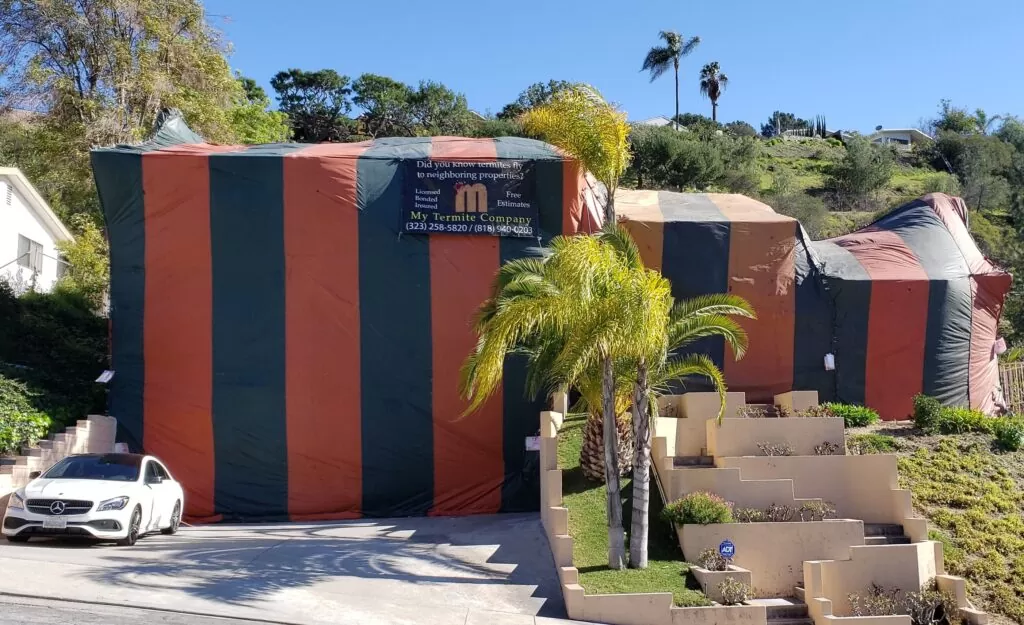
House tenting is a process where professionals cover a home with a large tent. This helps to control pests, mold, or damage inside the house. The time it takes depends on why the house is tented.
Knowing the reasons for tenting can help you understand the time needed. Common reasons include pest infestation, mold remediation, and structural repairs.
Pest Infestation
Pest infestation is one main reason houses get tented. This often happens when termites or other insects damage the wood and structure.
Tenting allows professionals to use strong chemicals safely. These chemicals kill pests inside walls and hard-to-reach areas.
- Tenting usually takes 1 to 3 days
- Home must be empty during the process
- Follow-up visits may be needed
Mold Remediation
Mold grows in damp or humid places and can harm health. Tenting helps to contain and remove mold spores safely.
The tent keeps the area sealed while professionals clean and treat the mold. This stops mold from spreading to other parts of the house.
- Tenting for mold can take 2 to 5 days
- House needs to stay sealed during treatment
- Good ventilation is required after tenting
Structural Repairs
Sometimes houses are tented to protect them during big repairs. This includes fixing roofs, walls, or foundations.
The tent keeps dust and debris inside. It also protects the home from weather during repairs.
- Tenting time varies with repair size
- Can last from a few days to weeks
- Ensures safety and cleanliness during work
Preparation Before Tenting
Tenting a house requires good preparation to ensure safety and efficiency. You need to take some important steps before the tenting team arrives.
Preparing your home properly will help the process go smoothly and avoid problems later.
Clearing The Space
Clear the area around your house to give workers room to set up the tent. Remove furniture, outdoor decorations, and any objects near the walls and roof.
- Move patio furniture and grills away from the house
- Trim tree branches close to the roof
- Remove toys, tools, and garden equipment
- Keep the driveway clear for trucks and equipment
Removing Food And Pets
Food and pets must be removed before tenting to avoid contamination and harm. Store all food in sealed containers or take it elsewhere.
| Item | Action Needed |
| Open food | Remove or seal tightly |
| Pet food | Store outside the house |
| Pets | Keep off premises during tenting |
| Fish tanks | Cover or relocate temporarily |
Scheduling And Notifications
Schedule the tenting date well in advance. Inform your neighbors and local authorities to avoid surprises and ensure safety.
- Choose a date with good weather conditions
- Notify neighbors about the tenting and possible disruptions
- Contact your local health department if required
- Arrange to stay elsewhere during the tenting process
Tenting Process Timeline
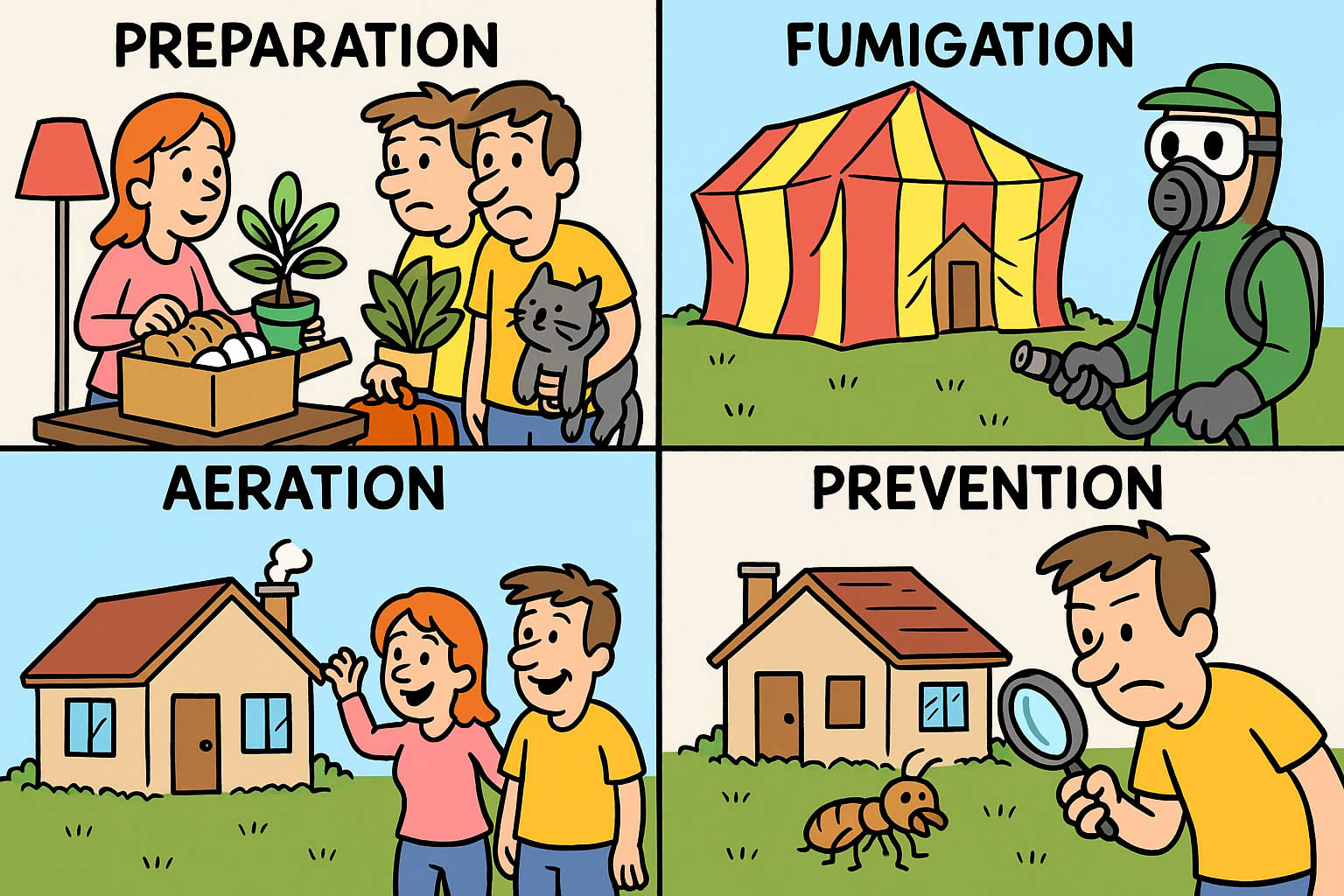
Tenting a house involves several steps. Each step takes a different amount of time. Understanding this helps you plan better.
From setting up to safety, each stage is crucial. Let’s explore the timeline for tenting a house.
Setting Up The Tent
Setting up the tent is the first step. Workers cover the house with a large tent. This takes some time depending on the house size.
- House inspection
- Material preparation
- Tent installation
Fumigation Duration
Fumigation is the core process. It ensures pests are eliminated. The duration varies based on the infestation level.
| House Size | Fumigation Time |
| Small | 24 hours |
| Medium | 48 hours |
| Large | 72 hours |
Ventilation And Safety Period
After fumigation, ventilation is essential. This step removes toxic gases. Safety checks follow to ensure the house is safe.
Credit: www.howtopestcontrol.co.uk
Factors Affecting Tenting Duration
Tenting a house takes time and the length varies. Several factors affect how long the process will last.
Understanding these factors helps set the right expectations for the tenting duration.
House Size And Layout
Bigger houses take more time to tent. A large home has more rooms and spaces to cover.
Complex layouts with many corners and floors add to the time needed. Open floor plans are quicker to cover.
- Small homes usually take less time
- Multiple floors increase tenting time
- Many rooms require extra preparation
- Open spaces are faster to tent
Severity Of Infestation
Severe infestations need longer tenting. The pest problem size changes the treatment length.
Heavy infestations may require stronger chemicals and longer exposure time. Mild problems can be solved quicker.
- Light infestations may need 1-2 days
- Moderate infestations take 2-3 days
- Severe infestations can last 4 days or more
Weather Conditions
Weather affects how fast tenting finishes. Rain, wind, or cold can slow down the process.
Good weather allows quick setup and removal. Bad weather may delay work and extend the tenting time.
- Rain can delay tenting start
- Strong winds can make sealing difficult
- Cold weather may slow chemical action
- Clear, calm days speed up the process
Post-tenting Steps
After tenting a house, some important steps follow to make sure the home is safe and clean. These steps help remove any harmful chemicals and prepare the house for living again.
Knowing what happens after tenting helps homeowners feel confident about the process and stay safe.
Air Quality Testing
Air quality testing checks if the air inside the house is safe to breathe. Professionals use special tools to measure chemical levels left after fumigation. They make sure no toxic gases remain.
- Test air in several rooms
- Look for pesticide residues
- Confirm air is clean before entry
- Report results to the homeowner
Cleaning And Reentry
After air testing clears the house, cleaning begins. This step removes dust, dead insects, and any leftover chemicals. Cleaning helps make the home fresh and safe.
| Cleaning Task | Purpose |
| Ventilate the house | Remove stale air and chemicals |
| Wash floors and surfaces | Remove residues and dirt |
| Clean furniture and fabrics | Eliminate trapped chemicals |
| Dispose of dead insects | Keep the space hygienic |
Follow-up Treatments
Sometimes, the first tenting is not enough. Follow-up treatments may be needed to fully remove pests. These treatments keep the home protected over time.
- Inspect the house after initial treatment
- Apply extra treatments if pests remain
- Schedule regular checks for prevention
- Use safe and approved chemicals

Credit: www.imperialpestprevent.com
Tips To Speed Up The Process
Tenting a house can take several days to weeks depending on many factors. You can take steps to make the process faster and smoother. These tips help you save time and avoid delays.
Focus on preparation, picking the right team, and clear communication. Each plays a key role in speeding up tenting your home.
Proper Preparation
Preparing your home before tenting starts helps workers do their job quickly and efficiently. Clear the yard and indoors so nothing blocks their work.
- Remove outdoor furniture and decorations
- Trim trees and bushes near the house
- Clear pathways and driveways for easy access
- Move indoor items away from walls and windows
- Cover or remove valuables and fragile items
Choosing Experienced Professionals
Skilled tenting teams work faster and do a better job. They know how to set up the tent and treat your home properly.
| Factor | Why It Speeds Up |
| Experienced Workers | Less mistakes, faster setup |
| Proper Equipment | Efficient work and safety |
| Good Planning | Clear schedule and fewer delays |
| Positive Reviews | Reliable and proven services |
Effective Communication
Clear communication between you and the tenting crew helps prevent misunderstandings and delays. Stay in touch and provide all needed information.
Ways to keep communication clear:
- Confirm start and end dates in advance
- Provide contact details for quick questions
- Share special instructions or concerns
- Request updates during the process

Credit: www.proventermitesolutions.com
Frequently Asked Questions
How Long Does Tenting A House Usually Take?
Tenting a house typically takes 1 to 3 days. The duration depends on the home’s size and severity of infestation. Preparations and ventilation also affect the timeline. Professionals ensure thorough treatment within this period for effective results.
What Factors Affect The Time Needed For Tenting?
The house size, infestation level, and weather impact tenting time. Preparation complexity and drying time also play roles. Larger homes or severe infestations require more time. Proper sealing and safety protocols can extend the process slightly.
Can Tenting Duration Vary By Pest Type?
Yes, different pests may require varying tenting times. Termite treatments often take longer than general fumigation. The chemical used and infestation depth influence duration. Experts tailor the treatment length to ensure complete pest elimination.
Is Preparation Time Included In Tenting Duration?
Preparation time is usually separate from the actual tenting. Clearing belongings and sealing entry points happen before tenting. This prep can take several hours to a day. Efficient preparation helps speed up the overall process.
Conclusion
Tenting a house usually takes a few days to complete. The size of the home and damage level affect the time needed. Experts work carefully to keep your home safe. Good planning helps the process go smoothly. Knowing the timeline helps you prepare better.
Expect some disruption, but it won’t last long. After tenting, your home will be safe from pests. Trust the professionals to do the job right. Patience pays off with a pest-free home.