Are you ready to transform your garden space into a thriving oasis? Building a raised garden bed with concrete blocks is an easy and affordable way to grow your favorite plants, vegetables, or flowers.
Imagine having a sturdy, stylish bed that keeps your plants safe and makes gardening a breeze. In this guide, you’ll discover simple steps to create your own raised bed that lasts for years. Whether you’re new to gardening or looking for a smart upgrade, this method gives you control, convenience, and great results.
Keep reading to unlock the secrets of building your perfect garden bed with concrete blocks!

Credit: www.reddit.com
Benefits Of Raised Garden Beds
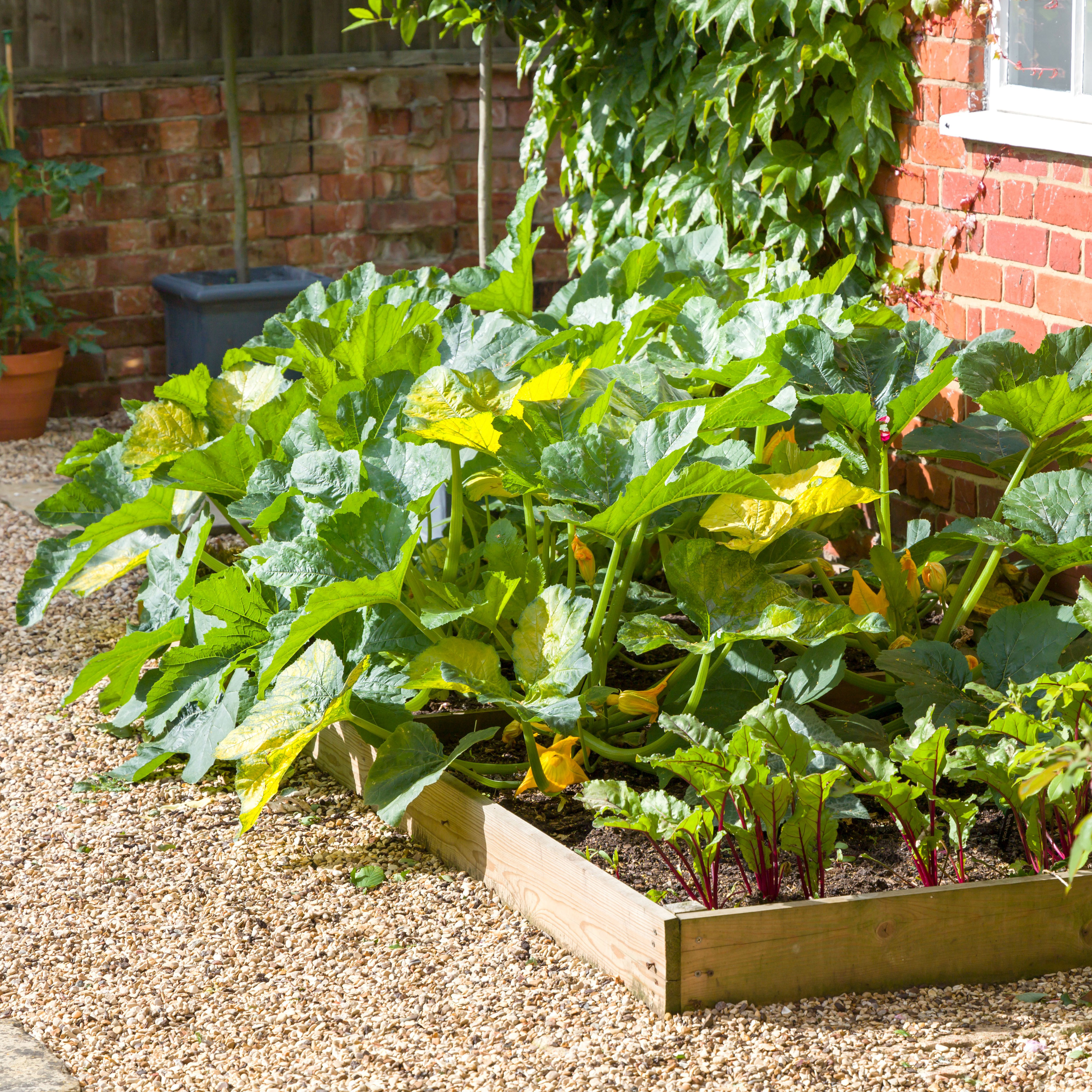
Raised garden beds are a popular choice for home gardeners. They offer many benefits that help plants grow better and make gardening easier.
Using concrete blocks to build raised beds is simple and sturdy. This guide explains the key benefits of raised garden beds.
Improved Soil Drainage
Raised beds allow water to drain better than ground-level gardens. Excess water flows away quickly, preventing root rot.
Good drainage helps plants get the right amount of water and air. It keeps the soil from becoming too wet or compacted.
Enhanced Soil Quality
You can fill raised beds with top-quality soil. This soil is rich in nutrients and free from weeds and rocks.
Better soil helps plants grow strong roots and healthy leaves. It also makes it easier to add compost and fertilizers.
Ease Of Access And Maintenance
Raised beds are higher than the ground. This height makes planting, weeding, and harvesting easier on your back.
Concrete blocks create sturdy walls that keep soil in place. You can also add seats or shelves to the blocks for tools.
Pest And Weed Control
Raised beds reduce weed growth because they use clean soil. Weeds have less chance to spread into your garden.
The height and walls help keep pests like rabbits and snails away from plants. You can add covers or nets more easily.
Credit: www.gardeningknowhow.com
Choosing The Right Concrete Blocks
Building a raised garden bed with concrete blocks needs careful block selection.
Picking the right blocks affects the bed’s strength and look.
Types Of Concrete Blocks
Concrete blocks come in several types for garden beds. Hollow blocks are common and hold soil well. Solid blocks offer strong support but use more material. Decorative blocks add style with patterns or colors.
- Hollow blocks: lighter and easy to move
- Solid blocks: very strong and stable
- Decorative blocks: add design and charm
- Interlocking blocks: fit tightly without mortar
Size And Shape Considerations
Choose block size to fit your garden space. Larger blocks mean fewer joints and faster building. Smaller blocks allow more design options but take longer to lay.
| Block Size | Advantages | Disadvantages |
| 8 x 8 x 16 inches | Standard size, easy to find | May be heavy to lift |
| 4 x 8 x 16 inches | More design flexibility | More blocks needed |
| Decorative shapes | Attractive appearance | May cost more |
Durability Factors
Look for blocks that resist weather and moisture. Blocks with dense concrete last longer. Avoid blocks with cracks or chips. Sealing blocks can protect from water damage.
- Choose frost-resistant blocks in cold areas
- Pick blocks with smooth surfaces for easy cleaning
- Inspect each block for damage before use
- Consider sealing blocks to extend life
Tools And Materials Needed
Building a raised garden bed with concrete blocks is simple. You need the right tools and materials to get started. This guide will help you gather everything you need.
Follow these sections to ensure you have all the essentials for a successful project.
Essential Tools
Gathering essential tools is the first step in building your raised garden bed. These tools will help you measure, cut, and set your blocks correctly.
- Measuring tape
- Level
- Shovel
- Rubber mallet
- Trowel
Additional Supplies
Besides tools, you need additional supplies. These items ensure your garden bed is sturdy and ready for planting.
| Item | Quantity |
| Concrete blocks | As needed |
| Soil mix | Enough to fill the bed |
| Landscape fabric | To cover the ground |
| Gardening gloves | 1 pair |
Safety Gear
Safety gear is important when working with concrete blocks. Protect yourself to avoid injuries during the building process.
Ensure you wear:
- Protective eyewear to shield your eyes
- Heavy-duty gloves to protect your hands
- Sturdy boots for foot protection
Planning Your Garden Bed
Planning is the first step to build a raised garden bed with concrete blocks. Good planning helps your plants grow better and keeps your garden neat.
Think about where to place the bed, its size, and how it will look. These choices affect your garden’s success.
Selecting The Location
Choose a place that gets enough sunlight, usually 6 to 8 hours daily. Most vegetables need this to grow well.
Pick a flat spot with good drainage. Avoid low areas where water can collect and harm plants.
- Look for a sunny, open area
- Check if the ground is level
- Avoid places near large trees
- Make sure the spot has easy access
Determining Size And Height
Decide how big your garden bed will be. A common size is 4 feet wide to reach the center easily from both sides.
Choose the height based on your needs. Raised beds are usually 12 to 24 inches tall to improve soil quality and reduce bending.
- Width: 3 to 4 feet for easy reach
- Length: depends on your space and plants
- Height: 12 to 24 inches for good soil depth
Design And Layout Options
Plan the shape of your garden bed. Rectangles are simple and fit most spaces. Squares or L-shapes work for corners or small yards.
Think about adding paths between beds for walking and watering. Good layout makes gardening easier and keeps plants healthy.
- Rectangle beds fit many spaces
- Square beds work well for small areas
- L-shaped beds use corner space
- Leave paths for easy access
Preparing The Site
Building a raised garden bed with concrete blocks starts with a good site. Preparing the ground well helps the bed last longer. It also makes sure your plants grow strong.
This guide covers three key parts: clearing and leveling the ground, marking the perimeter, and creating a stable base.
Clearing And Leveling Ground
Clear the area of grass, weeds, and debris. Remove rocks or roots that might block the blocks or roots of plants. Level the soil to avoid water pooling or uneven block placement.
- Use a shovel or garden rake to remove grass and weeds.
- Dig out rocks and roots from the site.
- Fill low spots with soil and smooth the surface.
- Check the level with a carpenter’s level or a straight board.
Marking The Perimeter
Mark the outline of your raised bed to keep the shape correct. This helps you place the concrete blocks exactly where you want them.
- Choose the size and shape of your raised bed.
- Use stakes or wooden pegs at each corner.
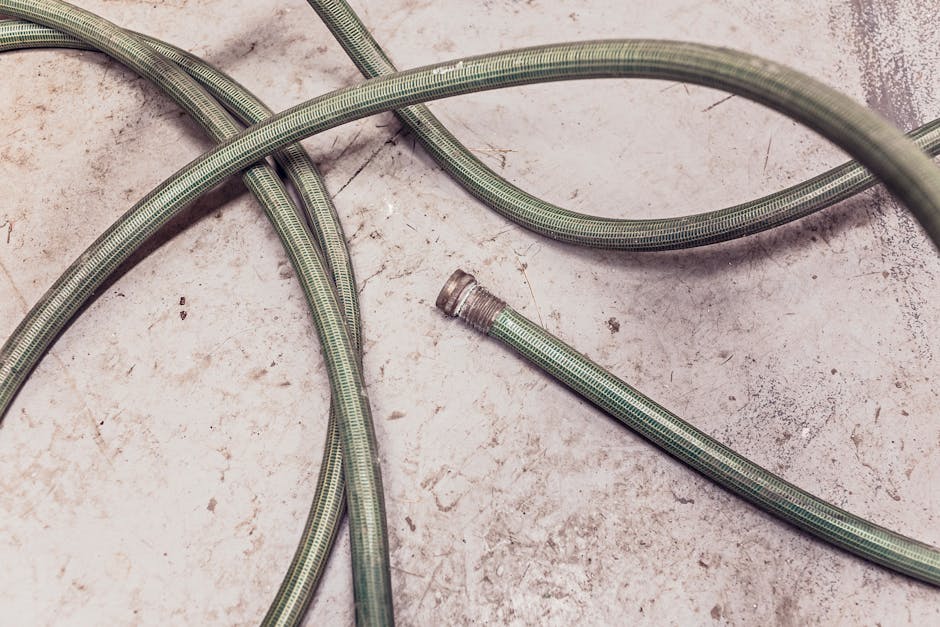
- Run a string or garden hose between the stakes to form a clear line.
- Double-check the corners are square by measuring diagonals.
Creating A Stable Base
A stable base prevents the blocks from shifting or sinking. It also improves drainage under the raised bed.
| Material | Purpose | How to Use |
|---|---|---|
| Gravel | Drainage and stability | Spread a 2-3 inch layer evenly across the marked area. |
| Sand | Leveling surface | Add a thin layer over gravel and smooth it out. |
| Compactor or Tamper | Firm the base | Press down gravel and sand to create a solid foundation. |

Credit: www.reddit.com
Building The Concrete Block Walls
Building walls with concrete blocks is an easy way to create a strong garden bed. These blocks hold soil well and last a long time.
Follow simple steps to lay the blocks and stack them properly. This will keep your raised bed safe and steady.
Laying The First Course
Start by choosing a flat, level spot for your garden bed. Clear the ground of grass and rocks before you begin.
Place the first row of blocks directly on the ground. Make sure they line up straight and fit tightly together.
- Use a level to check each block
- Tap blocks gently to adjust height
- Keep a small gap for drainage if needed
Stacking Additional Layers
After the first row is set, add the next layers. Place blocks so seams do not line up with the row below.
This offset pattern makes the wall stronger. Keep stacking until you reach the height you want.
- Stagger blocks like bricks
- Check level after each row
- Use a rubber mallet to adjust blocks
Securing Blocks For Stability
To keep your wall stable, use concrete adhesive or mortar between blocks. This helps hold them in place.
You can also fill hollow blocks with gravel or concrete for extra strength. Make sure the wall stays straight as you work.
- Apply adhesive on block edges
- Fill block cavities if desired
- Clean excess adhesive promptly
Adding Finishing Touches
After building your raised garden bed with concrete blocks, it is time to prepare it for planting. Adding the right finishing touches ensures your garden grows well and lasts long.
These final steps include filling the bed with good soil, setting up drainage, and protecting the blocks if you want. Each part helps create a healthy space for your plants.
Filling With Soil And Compost
Fill your raised bed with a mix of soil and compost to give plants the best start. The soil provides structure, while compost adds nutrients.
- Start with a layer of coarse soil or small stones for base drainage.
- Add a thick layer of good-quality garden soil.
- Mix in compost to enrich the soil with nutrients.
- Level the surface to prepare for planting.
- Water the soil lightly to help it settle.
Installing Drainage Solutions
Good drainage prevents water from pooling and harming plant roots. You can add simple solutions to improve water flow.
| Drainage Method | Description | Benefits |
| Gravel Layer | Place gravel at the bottom before soil | Helps excess water drain away |
| Drainage Holes | Drill holes in concrete blocks if possible | Allows water to escape easily |
| Landscape Fabric | Lay fabric between gravel and soil | Keeps soil from mixing with gravel |
Optional Sealing And Painting
You can seal or paint concrete blocks for extra protection and style. This step is not required but can extend the life of your garden bed.
- Choose non-toxic sealers safe for plants.
- Apply paint designed for concrete for color.
- Let the coating dry fully before planting.
- Reapply sealers every few years to maintain protection.
Planting And Maintenance Tips
Raised garden beds made with concrete blocks offer a great way to grow plants. Proper care helps plants stay healthy and strong.
This guide shares simple tips on choosing plants, watering, fertilizing, and seasonal care for your raised bed garden.
Choosing Suitable Plants
Pick plants that grow well in raised beds and your climate. Some plants need more space or sunlight.
Vegetables like lettuce, carrots, and tomatoes work well. Herbs such as basil and parsley also thrive.
- Choose plants that match your area’s sunlight and temperature
- Use plants with similar water needs together
- Start with easy-to-grow plants if you are a beginner
Watering And Fertilizing
Keep the soil moist but not soggy. Water plants early in the morning or late in the evening.
Use fertilizer to give nutrients. Organic compost works well for raised beds.
- Water plants regularly, especially in hot weather
- Check soil moisture by feeling it with your fingers
- Add compost or slow-release fertilizer every few weeks
- Avoid over-fertilizing to prevent plant damage
Seasonal Care
Adjust care based on the season. Some plants need extra protection in cold or hot months.
Remove dead leaves and weeds to keep the bed clean. Mulch helps keep soil temperature stable.
- Cover plants with frost cloth in winter
- Mulch in summer to keep roots cool
- Clear out old plants at season end
- Prepare soil with fresh compost before new planting
Troubleshooting Common Issues
Raised garden beds made with concrete blocks can last a long time. Still, some common problems may happen. Knowing how to fix these issues helps your garden thrive.
This guide covers drainage problems, block damage, and soil erosion. Each section offers simple tips to keep your raised bed in good shape.
Dealing With Drainage Problems
Poor drainage can cause water to pool inside the bed. Too much water harms plant roots and slows growth. Good drainage keeps plants healthy and soil loose.
- Place gravel or small rocks at the bottom before adding soil.
- Use well-draining soil mix with sand or compost.
- Check if blocks have holes or gaps for water to escape.
- Raise the bed slightly off the ground if water pools around it.
- Consider adding drainage pipes if soil stays too wet.
Preventing Block Damage
Concrete blocks can crack or chip over time. Cold weather and heavy weight cause damage. Protecting the blocks keeps the bed stable and safe for plants.
| Cause | Prevention |
| Freezing and thawing cycles | Seal blocks with waterproof paint or sealant |
| Heavy impact or pressure | Handle blocks carefully during building |
| Plant roots pushing against blocks | Use root barriers inside the bed |
| Water damage | Ensure proper drainage to avoid standing water |
Managing Soil Erosion
Soil can wash away during heavy rains or watering. This reduces soil depth and plant health. Keeping soil in place helps your plants grow well.
Try these ways to stop soil erosion:
- Plant ground cover or mulch on soil surface
- Avoid over-watering your raised bed
- Build a small barrier inside the blocks with landscape fabric
- Fill gaps between blocks to stop soil from slipping out
Frequently Asked Questions
What Materials Do I Need For A Concrete Block Garden Bed?
You need concrete blocks, soil, compost, a shovel, gloves, and a level. Optional items include landscape fabric and mulch. These materials help create a sturdy, long-lasting raised garden bed.
How Do I Prepare The Ground For Concrete Blocks?
Clear the area of grass and debris. Level the ground using a shovel and rake. This ensures the blocks sit evenly and the bed remains stable.
Can I Grow Vegetables In A Concrete Block Bed?
Yes, concrete block beds are ideal for vegetables. They provide good drainage and soil control. Fill the bed with nutrient-rich soil and compost for best results.
How Long Will A Concrete Block Garden Bed Last?
Concrete block beds can last 20 years or more. They are durable and resist weather damage. Proper maintenance, like checking for cracks, extends their lifespan.
Conclusion
Building a raised garden bed with concrete blocks is simple and effective. You can create a strong, lasting garden space in a few steps. This method saves money and uses easy-to-find materials. It also helps keep your plants organized and healthy.
Try this idea to enjoy growing flowers or vegetables at home. With some effort, you will have a neat garden bed ready to use. Gardening becomes fun and rewarding with a raised bed like this. Give it a try and see the results yourself!