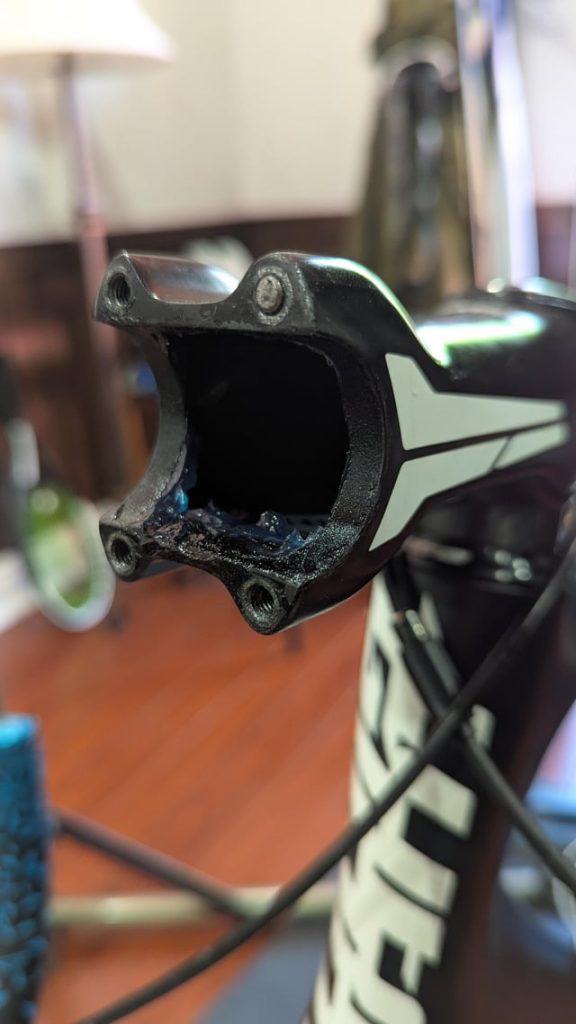
Have you ever faced a stubborn, sheared bolt that just won’t come out? It’s frustrating, time-consuming, and can stop your entire project in its tracks.
But don’t worry—you’re not alone, and there’s a way to fix this. You’ll discover simple, effective methods to get that stuck bolt out without damaging your tools or parts. Keep reading, and you’ll soon have the confidence to tackle any sheared bolt with ease.
Tools Needed
Removing a sheared bolt can be tough without the right tools. Using proper tools makes the job easier and safer.
This guide covers common removal tools and specialized extractors to help you get a sheared bolt out.
Common Removal Tools
Basic tools often work for bolts that are not deeply stuck. These tools help you grip, twist, or drill out the bolt.
- Locking pliers to grip the bolt firmly
- Center punch to mark drill points
- Drill with metal bits for making holes
- Hammer to tap tools into place
- Wrenches or socket sets for turning bolts
Using these tools carefully can loosen or remove the bolt before more damage happens.
Specialized Extractors
Specialized extractors are designed to remove broken bolts or screws. They work by biting into the bolt and turning it out.
- Left-hand drill bits that drill and remove at once
- Spiral screw extractors that grip inside drilled holes
- Easy-out tools made of hardened steel for strong grip
- Bolt extractors with tapered shapes for better hold
These extractors need careful use with drills and wrenches. They help remove bolts without damaging surrounding parts.
Safety Tips
Removing a sheared bolt can be dangerous without safety measures. Always protect yourself and your workspace. Safety helps prevent injuries and accidents.
Follow simple steps to stay safe while working on the bolt. Use the right tools and wear protective gear.
Protective Gear
Wear protective gear to shield yourself from flying metal and sharp edges. Proper gear lowers the risk of cuts and eye injuries.
Always use safety glasses to protect your eyes. Gloves protect your hands from cuts and burns. Wear long sleeves to cover your arms.
- Safety glasses or goggles
- Work gloves
- Long-sleeved shirts
- Closed-toe shoes
Work Area Preparation
Prepare your work area before starting. Clear the space of anything that might get in the way or cause accidents.
Make sure the area is well-lit and ventilated. Keep tools organized and within reach. Clean floors reduce slipping hazards.
- Clear the workspace
- Ensure good lighting
- Keep tools organized
- Maintain clean floors
- Have a fire extinguisher nearby
Initial Inspection
Getting a sheared bolt out can be tricky. Start by inspecting the bolt and surrounding area. This helps you understand what tools and methods to use.
Look closely at the bolt and the surface it’s in. You need to know how much damage is there before you start.
Assessing The Damage
Check the bolt for any signs of wear or rust. These can make removal harder. See if the bolt head is still visible or if it’s broken off completely.
Look at the surrounding area for cracks or other damage. This tells you if more repairs are needed after bolt removal.
- Rust or corrosion on the bolt
- Visible cracks near the bolt
- Broken or missing bolt head
Determining Bolt Type
Know what type of bolt you are dealing with. Different bolts need different tools for removal. Common types include hex head and Phillips head bolts.
Once you know the bolt type, you can choose the right tool. This makes the removal process easier and faster.
| Hex Head | Common in machinery, needs a wrench |
| Phillips Head | Found in furniture, requires a screwdriver |

Credit: www.youtube.com
Simple Removal Methods
Sheared bolts can be hard to remove. They break off and leave part stuck inside.
Using simple tools and tricks can help you take them out without special gear.
Using Pliers Or Vice Grips
If the bolt tip sticks out, try pliers or vice grips. Grip the bolt tightly.
Turn the bolt slowly to unscrew it. Be careful not to break it more.
- Choose pliers or vice grips with a strong grip.
- Clamp them firmly on the bolt end.
- Turn counterclockwise to unscrew the bolt.
- If it slips, try to tighten the grip again.
Tapping With Hammer
Tap the sheared bolt gently with a hammer. This can loosen rust or dirt.
After tapping, try to turn the bolt with pliers or a wrench. Repeat if needed.
- Use a small hammer for light taps.
- Tap around the bolt to shake it loose.
- Check if the bolt moves after tapping.
- Do not hit too hard to avoid damage.
Advanced Techniques
Removing a sheared bolt can be tough. Basic tools may not work well.
Advanced techniques help you get the bolt out safely and fast.
Drilling A Pilot Hole
Drill a small hole in the center of the sheared bolt. Use a drill bit smaller than the bolt diameter.
The pilot hole guides other tools and helps prevent damage to surrounding material.
- Mark the center of the bolt carefully.
- Start drilling at low speed to avoid slipping.
- Keep the drill bit straight to create a clean hole.
- Use cutting oil to reduce heat and wear.
Using Bolt Extractors
Bolt extractors are special tools made for removing stuck bolts. They grip the bolt firmly.
After drilling a pilot hole, insert the extractor and turn it counterclockwise. This helps unscrew the bolt.
- Choose an extractor size that fits the pilot hole.
- Tap the extractor gently into the hole with a hammer.
- Use a wrench or pliers to turn the extractor slowly.
- If the bolt is still stuck, apply penetrating oil and try again.

Credit: www.reddit.com
Heat Application
Removing a sheared bolt can be difficult. Applying heat helps loosen the bolt by expanding the metal. This method makes it easier to extract stuck bolts.
Heat softens rust and corrosion around the bolt. It can also break the bond between the bolt and the metal surface.
When To Use Heat
Use heat if the bolt is stuck due to rust or corrosion. Heat is helpful when other tools fail to move the bolt. It works best on metal parts that can handle high temperatures.
Avoid heat if the bolt is near plastic, rubber, or sensitive parts. Use heat only if you are sure it will not cause damage.
Safe Heating Methods
Use tools that apply heat carefully. A propane torch or heat gun works well. Keep safety gear on, like gloves and glasses.
- Clear the area of flammable materials
- Heat the bolt evenly for a few minutes
- Do not overheat or burn the metal
- Allow the bolt to cool slightly before trying to remove it
- Work in a well-ventilated space
Preventing Bolt Shearing
Sheared bolts cause delays and extra costs. Preventing this helps keep your work smooth and safe.
Understanding how to avoid bolt shearing saves time and tools. Use the right methods to protect bolts.
Proper Torque Usage
Applying the correct torque stops bolts from breaking. Too much force makes bolts shear easily.
Use a torque wrench to tighten bolts exactly. Follow the manufacturer’s torque specs every time.
- Check torque settings before starting
- Tighten bolts slowly and evenly
- Avoid using impact tools for delicate bolts
- Re-check torque after initial tightening
Regular Maintenance Tips
Inspect bolts regularly to spot damage or rust early. Replace worn bolts to prevent failures.
Clean bolt threads before use. Dirt and rust increase the chance of shearing under pressure.
- Lubricate threads to reduce friction
- Tighten bolts on a schedule
- Store bolts in dry, clean places
- Use quality bolts suited for the job

Credit: www.youtube.com
Frequently Asked Questions
How Can I Remove A Sheared Bolt Safely?
Use penetrating oil to loosen the bolt first. Then drill a small hole and use an extractor tool carefully. Avoid excessive force to prevent damage.
What Tools Do I Need To Extract A Sheared Bolt?
You’ll need penetrating oil, a drill, bolt extractor, pliers, and safety gear. These tools help loosen and grip the bolt for removal.
Can Heat Help In Removing A Sheared Bolt?
Yes, applying heat can expand the metal, loosening the bolt. Use a heat gun or torch carefully to avoid damaging surrounding parts.
Is It Possible To Remove A Sheared Bolt Without Drilling?
Sometimes, if part of the bolt sticks out, locking pliers can grip and turn it. Otherwise, drilling is often necessary for stuck bolts.
Conclusion
Removing a sheared bolt takes patience and the right tools. Start by choosing a method that fits your situation. Use simple tools like pliers, extractors, or drills carefully. Work slowly to avoid damaging the surrounding parts. Practice safety and take breaks if needed.
With effort, you can fix the problem without extra costs. Keep these tips in mind for future repairs too. Persistence pays off in mechanical tasks like this. Don’t give up, and your bolt will come out soon.