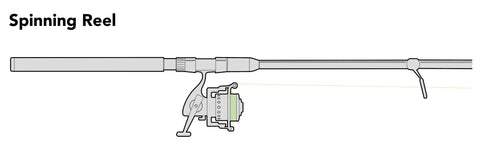
Putting the line on a fishing rod might seem tricky at first, but once you know the right steps, it becomes quick and simple. Whether you’re new to fishing or want to improve your technique, this guide is made just for you.
You’ll learn how to get your line on smoothly, avoid common mistakes, and get ready for your next big catch. Keep reading—you’re just moments away from mastering this essential fishing skill!
Choosing The Right Fishing Line
Picking the right fishing line is important for a good fishing experience. The right line helps you catch fish easier and keeps your gear safe.
Different fishing trips need different lines. You should know about types, strength, and how to match the line to your rod and reel.
Types Of Fishing Line
There are several types of fishing line. Each type works best for certain fishing styles and conditions.
- Monofilament:This line is flexible and easy to handle. It stretches well and is good for beginners.
- Fluorocarbon:It is less visible in water and sinks faster. Good for clear water fishing.
- Braid:This line is very strong and thin. It has little stretch and works well for heavy cover fishing.
Line Strength And Thickness
Strength is how much weight the line can hold before breaking. Thickness affects how far you can cast and how the line feels.
Stronger lines are thicker and harder to cast far. Thinner lines cast better but may break easily. Choose a balance based on your fishing needs.
| Strength (Pounds) | Thickness (Diameter) | Use |
|---|---|---|
| 2-6 lbs | Thin | Small fish, light tackle |
| 8-12 lbs | Medium | Medium fish, general use |
| 15-30 lbs | Thick | Large fish, heavy cover |
Matching Line To Rod And Reel
Your fishing rod and reel have limits on line strength and thickness. Using the right line keeps your gear working well and lasts longer.
Check the rod or reel for recommended line weight. Use line within these limits. This helps prevent damage and improves fishing performance.
- Light rods need light lines for better casting.
- Heavy rods can handle strong, thick lines.
- Match line type to reel: some reels work better with certain lines.

Credit: www.youtube.com
Preparing Your Fishing Rod
Before putting the line on your fishing rod, you need to prepare it properly. This will help you fish better and avoid problems later.
Preparing involves checking your rod and reel, cleaning the guides, and setting up the reel for the line.
Inspecting The Rod And Reel
Look over your fishing rod and reel carefully. Check for any cracks or damage on the rod. Make sure the reel is working smoothly.
Inspect the reel handle and drag system to see if they turn easily. Replace or fix any broken parts before you add the line.
Cleaning The Guides
Guides are the rings on your rod that the line passes through. Clean them to remove dirt and salt that can damage the line.
Use a soft cloth or cotton swab with warm water or mild soap. Wipe each guide carefully to make sure it is clear and smooth.
- Check each guide for cracks or rough spots
- Remove sand or salt deposits
- Dry the guides completely before use
Setting Up The Reel
Attach the reel firmly to the rod. Make sure it is tight and does not wobble. This helps you cast and retrieve the line easily.
Adjust the drag knob on the reel. Set it so the line can pull out with some resistance. This protects the line from breaking.
- Secure the reel on the rod seat
- Check the handle for smooth turning
- Set drag for light to medium resistance
Attaching The Line To The Reel
Properly attaching the fishing line to the reel is crucial for a successful fishing experience. It ensures smooth casting and prevents line issues during fishing.
Here, you’ll learn the best methods to spool your line, secure it firmly, and avoid tangles.
Spooling Techniques
Spooling the line correctly is essential to avoid line twists and ensure smooth casting.
- Open the bail arm of your reel.
- Thread the line through the guides on the rod.
- Tie the line securely to the reel spool using an arbor knot.
- Hold the line taut and start reeling slowly.
- Ensure the line is evenly distributed on the spool.
Securing The Line
Securing the line to the reel is vital to prevent slippage during casts and retrieves.
Use an arbor knot to tie the line to the spool. This simple knot offers a strong hold, preventing the line from slipping.
Avoiding Twists And Tangles
Line twists and tangles are common issues that can affect your fishing. Proper techniques can help avoid these problems.
- Ensure the line comes off the spool counterclockwise when filling the reel.
- Keep tension on the line as you reel it in.
- Use a line conditioner to reduce friction.

Credit: www.youtube.com
Winding The Line Properly
Putting the line on a fishing rod is important for a good fishing experience. Winding the line properly helps avoid problems while fishing.
It keeps the line strong and ready to cast. This guide explains how to wind the line correctly.
Maintaining Tension
Keep the line tight while winding it on the reel. Loose line can cause tangles and knots later.
Use your fingers or a cloth to hold the line with steady pressure as you wind. This helps the line lay flat and neat.
Evenly Distributing The Line
Spread the line across the spool evenly. Don’t let it bunch up on one side.
Move the line guide back and forth with your hand. This makes the line layer smooth and balanced.
- Start near the reel edge
- Wind slowly and steady
- Guide the line evenly across the spool
How Much Line To Spool
Fill the spool most of the way, but leave some space at the edge. Too much line can cause tangles.
Check your reel’s instructions for the right line amount. Usually, leave about 1/8 inch of space from the spool edge.
- Do not overfill the spool
- Leave a small gap from the spool edge
- Follow the reel’s line capacity guidelines
Finishing Touches
After putting the line on your fishing rod, some final steps help ensure good performance. These finishing touches make casting easier and keep the rod in good shape.
Focus on trimming extra line, checking the casting smoothness, and storing the rod properly. These steps protect your gear and improve your fishing experience.
Trimming Excess Line
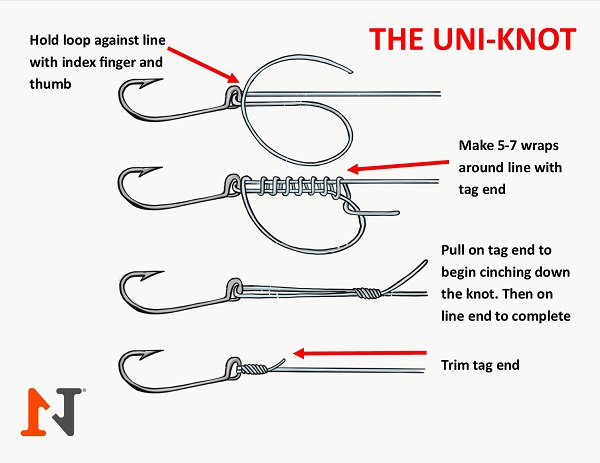
Cut off any extra fishing line left after tying your lure or hook. Leaving too much line can cause tangles and affect casting distance.
- Use sharp scissors or line cutters for a clean cut.
- Leave about a quarter inch of line beyond the knot.
- Avoid cutting too close to the knot to prevent slipping.
- Check for any frayed ends and trim them carefully.
Checking For Smooth Casting
Test your rod by casting a few times in an open space. The line should flow freely through the guides without catching or snagging.
| What to Check | Signs of Problem | How to Fix |
|---|---|---|
| Line Guides | Snags or rough spots | Clean or replace guides |
| Reel Function | Line not releasing smoothly | Adjust drag or clean reel |
| Line Tension | Line too tight or loose | Retie knots or adjust spool |
Storing Your Rod Safely
Proper storage keeps your rod and line in good condition. Avoid damage from moisture, dirt, and pressure.
- Keep the rod in a dry place away from direct sunlight.
- Use a rod sleeve or case to protect it from scratches.
- Loosen the line tension to reduce stress on the line and guides.
- Store rods vertically or horizontally on racks designed for fishing gear.
Credit: n1outdoors.com
Frequently Asked Questions
How Do I Start Putting Line On A Fishing Rod?
Begin by threading the line through the rod’s guides, starting from the tip. Tie the line securely to the reel spool using an arbor knot. Ensure the line is tight and evenly wound to avoid tangles.
What Type Of Fishing Line Is Best For Beginners?
Monofilament line is best for beginners. It’s affordable, easy to handle, and versatile. It provides good knot strength and stretches to absorb fish strikes, making it ideal for learning.
How Much Fishing Line Should I Spool On My Reel?
Fill the reel spool to about 1/8 inch below the rim. Overfilling causes tangles and underfilling limits casting distance. Proper spooling ensures smooth casting and reduces line breakage.
How Do I Avoid Line Twists When Spooling?
To avoid twists, let the line spool off the filler spool naturally. Keep the line taut and avoid spinning the reel while spooling. Using a swivel can also help reduce twists.
Conclusion
Putting the line on a fishing rod is simple with practice. Start slowly and follow the steps carefully. Make sure the line is tight and secure. Check the knots to avoid losing fish. Keep your gear clean and ready for the next trip.
Fishing becomes more fun when your rod works well. Try different lines to see what fits best. Remember, patience helps you improve over time. Now, you are ready to enjoy fishing with confidence. Give it a try and see the difference!