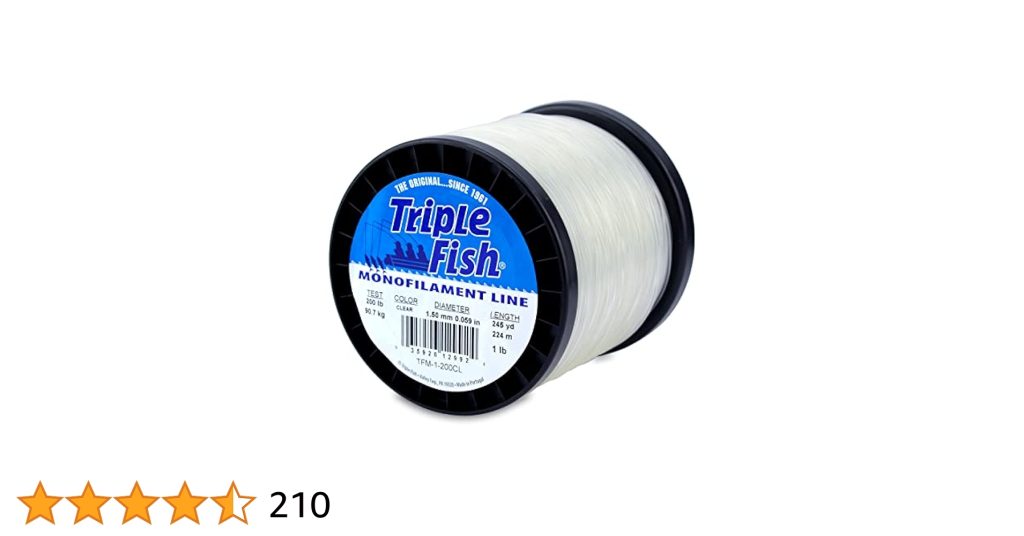
Choosing the best monofilament fishing line can make all the difference in your fishing experience. You want a line that’s strong, reliable, and easy to handle, but with so many options out there, how do you pick the right one?
Whether you’re a beginner or a seasoned angler, this guide will help you understand what to look for and how to find the perfect monofilament line for your needs. Keep reading, and you’ll discover tips that can boost your catch and make every cast count.

Credit: mustad-fishing.com
Monofilament Line Basics
Monofilament fishing line is a single strand of nylon or other synthetic fiber. It is popular among anglers for its flexibility and ease of use.
This type of line is affordable and works well for many fishing situations. Understanding its basics helps you choose the right line.
Material And Construction
Monofilament line is made from nylon or similar synthetic materials. The nylon is melted and stretched into a thin, single strand.
The line’s thickness varies to match strength needs. This simple construction gives it stretch and flexibility.
Common Uses
Monofilament fishing line is used for many types of fishing. It works well for both beginners and experienced anglers.
Anglers use it for freshwater and saltwater fishing. It suits spinning reels, baitcasting reels, and other gear.
- Fishing for bass, trout, and panfish
- Surf fishing and saltwater species
- General-purpose fishing line for many rods
Advantages And Drawbacks
Monofilament line is easy to handle and knot. It has good shock absorption which helps when fish pull hard.
It also floats on water and is less visible in some conditions. The line can weaken over time and stretch too much.
- Advantages:
- Affordable and widely available
- Good knot strength and flexibility
- Floats on water surface
- Drawbacks:
- Stretches under load
- Prone to UV damage and wear
- Not as strong as braided lines of same diameter

Credit: www.homehardware.ca
Key Features To Consider
Choosing the best monofilament fishing line depends on several important features. These features affect your fishing experience and success.
Understanding these features helps you pick a line that fits your needs and fishing style.
Strength And Durability
Strength is the line’s ability to hold heavy fish without breaking. Durability means the line lasts longer and resists damage from water and rough surfaces. Good monofilament line must balance both.
Stretch And Sensitivity
Monofilament lines stretch more than other types. This stretch absorbs shock but reduces sensitivity. Sensitivity is how well you feel bites. Less stretch means better bite detection.
- High stretch helps prevent line breaks on big fish.
- Low stretch improves hook setting and bite feeling.
- Choose stretch level based on fishing style and target fish.
Visibility And Color Options
Color affects how visible the line is in water. Clear or green lines blend in well in most water types. Bright colors make the line easier to see above water.
| Color | Water Type | Visibility |
| Clear | All | Low |
| Green | Freshwater | Medium |
| Blue | Saltwater | Medium |
| Fluorescent | All | High |
Knot Strength
Knot strength is how well the line holds when tied. Weak knots can cause line breaks. Some monofilament lines hold knots better than others.
Tips for strong knots:
- Use proper knot types like Palomar or Improved Clinch.
- Wet the line before tightening knots.
- Trim excess line close to the knot.
Top Monofilament Lines Reviewed
Monofilament fishing lines are popular for their versatility and ease of use. Many anglers choose monofilament because it is strong, stretchable, and easy to handle.
This guide reviews the best monofilament lines to help you pick the right one for your fishing needs. We cover options for overall use, freshwater, saltwater, and budget choices.
Best Overall Performance
The best overall monofilament line balances strength, stretch, and smooth casting. It works well in many fishing situations and holds up under pressure.
This line offers good knot strength and low memory, which reduces tangles. It is suitable for beginners and experienced anglers alike.
- Strong and durable
- Good stretch for shock absorption
- Low memory for smooth casting
- Works in freshwater and saltwater
Best For Freshwater Fishing
Freshwater fishing needs a line that is sensitive and easy to control. A good freshwater monofilament line is soft and casts well.
This line works great for bass, trout, and panfish. It has good abrasion resistance for fishing around rocks and vegetation.
- Soft and flexible
- High sensitivity
- Good abrasion resistance
- Ideal for lakes and rivers
Best For Saltwater Fishing
Saltwater fishing needs a strong and durable monofilament line. It should resist salt corrosion and handle big fish well.
This line offers high tensile strength and good stretch. It can withstand harsh saltwater conditions and rough surfaces.
- High strength for big fish
- Resists saltwater corrosion
- Good knot strength
- Durable in rough environments
Best Budget Option
A budget monofilament line gives good quality at a low price. It is perfect for beginners or casual anglers.
This line is reliable for light to medium fishing. It offers decent strength and ease of use without costing much.
- Affordable price
- Easy to handle
- Good for light fishing
- Reliable for beginners
Tips For Using Monofilament Line
Monofilament fishing line is popular due to its versatility and affordability. Proper use and care can enhance your fishing experience.
Here are some tips to get the best out of your monofilament line. Follow these guidelines for maintenance, storage, and selection.
Proper Line Maintenance
Maintaining your line is essential for long-term use. Regular checks prevent unexpected breaks during fishing.
- Inspect the line for nicks and abrasions before each trip.
- Rinse the line with fresh water after saltwater fishing.
- Use a line conditioner to reduce memory and enhance performance.
Storage Recommendations
Proper storage extends the life of your monofilament line. Keep it safe from elements that cause damage.
Ensure the storage area is cool and dark. Avoid direct sunlight and high temperatures, which weaken the line.
Choosing The Right Line Test
Choosing the correct line test is vital for your target fish species. It affects your success rate and the line’s durability.
| Species | Recommended Line Test |
| Trout | 4-6 lb |
| Bass | 8-12 lb |
| Saltwater Fish | 15-20 lb |
Comparing Monofilament To Other Lines
Choosing the right fishing line can change your fishing experience. Monofilament is one popular choice. It is important to see how it compares to other lines.
This guide looks at monofilament against fluorocarbon and braided lines. Understanding their differences helps you pick the best line for your needs.
Monofilament Vs. Fluorocarbon
Monofilament is clear and floats on water. Fluorocarbon sinks and is nearly invisible underwater. Both have good strength, but they behave differently.
| Feature | Monofilament | Fluorocarbon |
| Visibility in Water | Visible | Hardly Visible |
| Buoyancy | Floats | Sinks |
| Abrasion Resistance | Moderate | High |
| Stretch | High | Low |
| Cost | Lower | Higher |
Monofilament stretches more, which helps absorb shocks. Fluorocarbon resists wear better and is good for clear water fishing.
Monofilament Vs. Braided Line
Braided lines are very strong and thin. They have almost no stretch. Monofilament is thicker and stretches more.
- Monofilament is easier to handle and knot.
- Braided line lasts longer and resists cuts.
- Monofilament floats; braided sinks slowly.
- Braided line is better for heavy cover fishing.
- Monofilament is cheaper and good for beginners.
Choosing between these lines depends on fishing style and conditions. Monofilament offers good balance for many anglers.

Credit: mysterytacklebox.com
Frequently Asked Questions
What Makes Monofilament Fishing Line The Best Choice?
Monofilament line offers great flexibility, knot strength, and abrasion resistance. It floats well and is easier to handle, making it ideal for many fishing styles.
Which Monofilament Fishing Line Is Best For Freshwater?
For freshwater, a 6-12 lb test monofilament line works well. Brands like Berkley Trilene and Stren Original are popular choices.
How Does Monofilament Compare To Braided Fishing Line?
Monofilament is stretchier and less visible underwater. It absorbs shocks better but has less strength than braided lines of the same diameter.
What Is The Ideal Monofilament Line Strength For Beginners?
Beginners should use 8-12 lb test monofilament. It balances strength and ease of casting, which helps improve fishing skills effectively.
Conclusion
Choosing the best monofilament fishing line depends on your needs. Consider strength, stretch, and visibility in water. A good line improves your fishing experience. Remember to match the line with your fishing style. Quality and price both matter. Test different types to see what works best.
Fishing becomes easier with the right line. Keep these tips in mind for your next trip. Happy fishing!