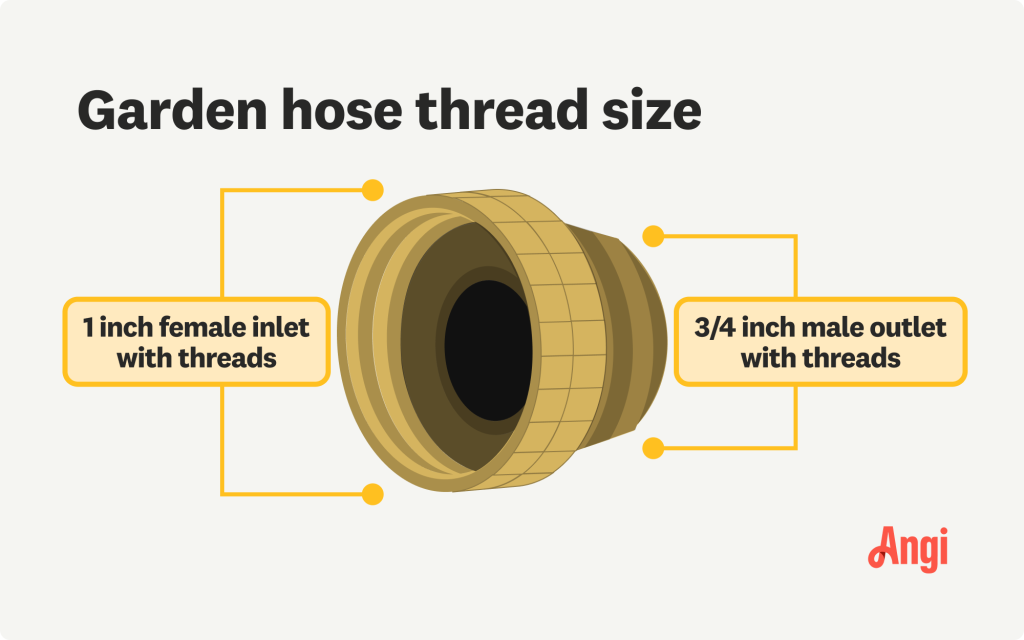
Have you ever tried connecting a new nozzle or sprinkler to your garden hose, only to find it doesn’t fit? The secret often lies in the threads—the tiny spirals that twist around the hose ends.
Knowing what threads are on a garden hose can save you time, money, and frustration. You’ll discover exactly what types of threads you need to look for, so your garden tools fit perfectly every time. Keep reading to make your watering routine smoother and hassle-free.
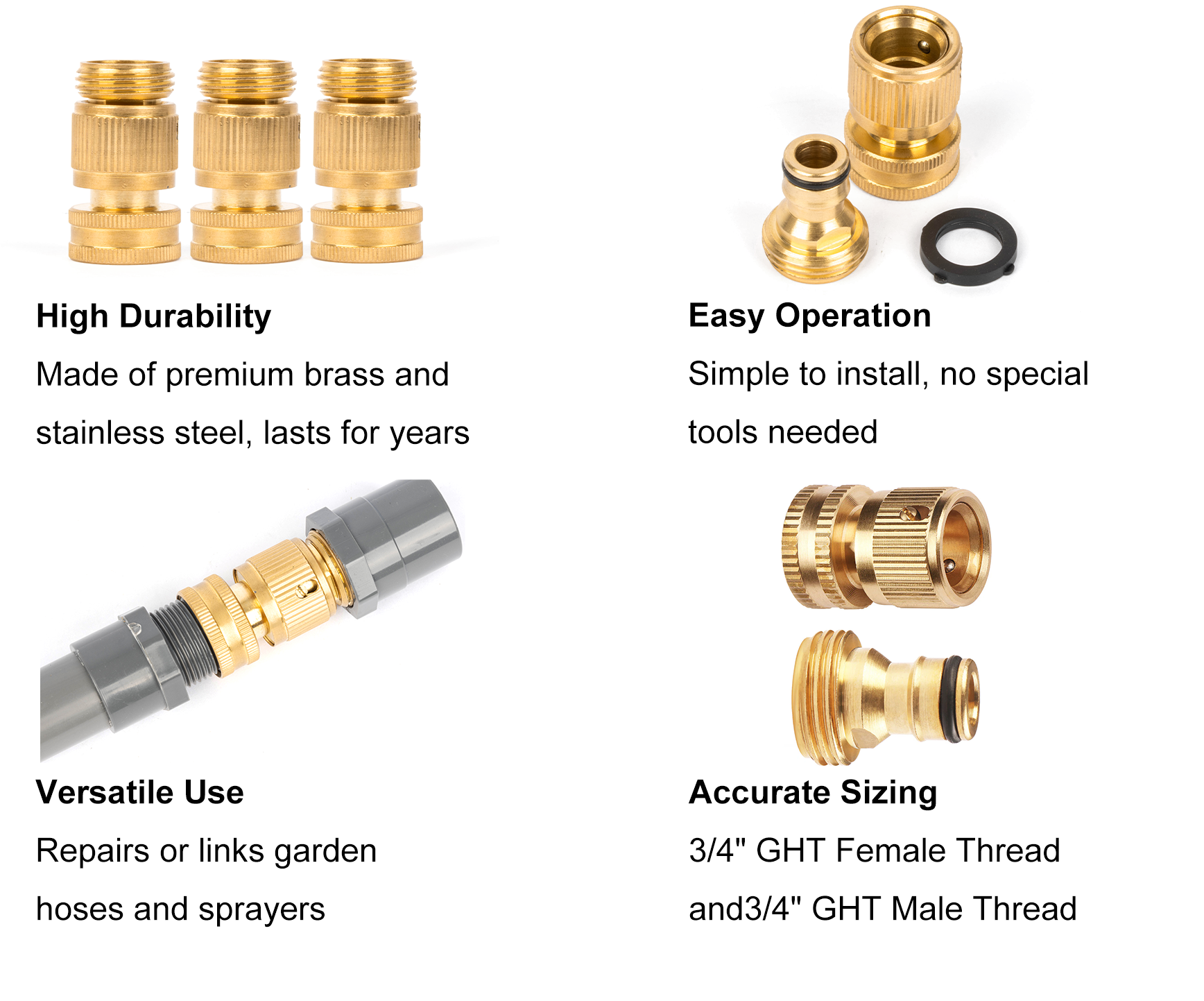
Credit: ussolid.com
Common Garden Hose Threads
Garden hoses connect to faucets, sprinklers, and other tools. The threads on these hoses must match the fittings for a good seal. Different thread types exist worldwide.
This guide explains common garden hose threads. Knowing the types helps you buy the right hose or connector.
National Hose Thread (nh)
National Hose Thread (NH) is standard in the United States for fire hoses and some heavy-duty garden hoses. It has a large diameter and coarse threads.
NH threads have a 2 1/2 inch diameter and a pitch of 7 threads per inch. They are designed for high-pressure water flow.
Garden Hose Thread (ght)
Garden Hose Thread (GHT) is the most common thread for residential garden hoses in North America. It is easy to connect and disconnect.
- Diameter: 3/4 inch
- Threads per inch: 11.5
- Type: Straight threads with a rubber washer seal
- Common uses: Outdoor faucets, sprinklers, hose-end tools
British Standard Pipe (bsp)
British Standard Pipe (BSP) threads are common in Europe and other parts of the world. They come in two types: parallel and tapered.
| Thread Type | Diameter | Pitch | Use |
| BSP Parallel (BSPP) | 3/4 inch | 14 threads per inch | Garden hoses, plumbing |
| BSP Tapered (BSPT) | Varies | Varies | Sealing pipes, fittings |

Credit: www.amazon.com.au
Thread Sizes Explained
Garden hoses come with different thread sizes. Understanding these sizes helps in choosing the right hose for your needs.
Thread sizes are crucial for proper hose fittings. They ensure a secure connection and prevent leaks.
Diameter Measurements
The diameter of a hose thread is an important aspect. It determines the hose’s compatibility with various fixtures.
Common hose thread diameters include 3/4-inch and 5/8-inch. These sizes fit most household garden hoses.
- 3/4-inch diameter is standard in the US
- 5/8-inch diameter is also widely used
- Smaller diameters are rare for garden hoses
Thread Pitch Details
Thread pitch refers to the distance between threads. It affects the screw-on capability of a hose.
Understanding thread pitch helps in matching the hose to the fitting. It ensures a leak-proof connection.
| Thread Pitch | Description |
| 11.5 TPI | Common for garden hoses in the US |
| 14 TPI | Less common, used for specific fittings |
Materials And Thread Types
Garden hoses use different materials and thread types for connections. Choosing the right thread ensures a tight fit and no leaks.
Understanding the types of fittings and threads helps you connect hoses and accessories correctly. This guide covers common materials and thread styles.
Brass Vs Plastic Fittings
Garden hose fittings come mainly in brass and plastic. Each has strengths and weaknesses to consider.
- Brass fittingsare durable and resist corrosion. They handle high water pressure well and last longer.
- Plastic fittingsare lightweight and less expensive. They are easy to handle but can crack under stress.
- Brass fittings offer a better seal because they hold threads firmly.
- Plastic fittings may wear out faster, causing leaks over time.
Male Vs Female Threads
Threads on garden hoses are either male or female. Knowing the difference is key for proper connections.
| Thread Type | Description | Where Found |
|---|---|---|
| Male Thread | Threads are on the outside of the fitting. | Usually on hose ends or connectors that screw in. |
| Female Thread | Threads are inside the fitting. | Found on couplers or faucet connections. |
Choosing The Right Thread For Your Hose
Garden hoses have threads that connect to faucets and tools. Choosing the correct thread keeps water flowing without leaks.
Using the wrong thread can cause damage or make the connection weak. Learn how to pick the right thread for your hose.
Matching Threads To Fixtures
Garden hoses and fixtures use standard thread types. The most common are National Hose (NH) and Garden Hose Thread (GHT).
Check the thread size and type on your fixture before buying a hose. This helps ensure they fit together well.
- GHT threads are usually 3/4 inch diameter and used in the U.S.
- NH threads fit industrial or larger outdoor faucets.
- Some hoses use metric threads in other countries.
- Adapters can help connect different thread types.
Avoiding Cross-threading Issues
Cross-threading happens when threads do not align properly. It can damage the hose and fixture threads.
To avoid cross-threading, start threading by hand and turn slowly. Do not force the connection if it feels stuck.
- Align the hose thread with the fixture before screwing.
- Turn the hose gently to feel the threads catching correctly.
- Stop if you feel resistance and realign the threads.
- Use thread tape if needed to protect and seal threads.
Tools For Measuring Hose Threads
Garden hose threads come in different sizes. To fit hoses and connectors well, you must measure the threads correctly. Using the right tools helps you find the exact thread size.
Measuring hose threads is simple with common tools. These tools help you check the thread diameter and type easily.
Thread Gauges
Thread gauges are tools made to check thread sizes. They have many blades with different thread patterns. You match the blade to the hose thread to find the size.
Thread gauges help identify the pitch and type of thread on a hose. This tool is very precise and easy to use.
- Match the gauge blade to the hose thread
- Check the thread pitch and pattern
- Use the matched blade to read the size marking
Calipers And Rulers
Calipers measure the outside diameter of hose threads. They give an exact number in millimeters or inches. This helps find the thread size quickly.
Rulers or tape measures can also help. Measure the outside diameter and count threads per inch to estimate the size.
- Use calipers to measure thread diameter accurately
- Use a ruler to measure diameter if no calipers are available
- Count threads per inch for thread pitch
Common Problems And Fixes
Garden hoses use threaded ends to connect to spigots and sprinklers. These threads can cause issues that affect water flow and hose life. Understanding common problems helps you fix them fast.
This guide covers two main thread-related problems: leaks and seals, and thread wear and damage. You will find easy fixes for each.
Leaks And Seals
Leaks often happen at the hose connection points. The threads must form a tight seal to stop water from dripping. Old or missing washers cause leaks. Dirt or debris in threads can also stop a good seal.
- Replace worn or missing rubber washers inside the hose end.
- Clean threads with a brush to remove dirt and debris.
- Wrap plumber’s tape around male threads for a tighter seal.
- Hand-tighten connections, avoid over-tightening to prevent damage.
Thread Wear And Damage
Threads can wear out or break after long use. Cross-threading or forcing connections cause damage. Damaged threads leak and make it hard to attach fittings.
| Problem | Cause | Fix |
|---|---|---|
| Stripped threads | Over-tightening or cross-threading | Use a thread repair kit or replace hose end |
| Cracked threads | Exposure to sun and cold | Replace the damaged section or hose |
| Corroded threads | Metal rust from moisture | Clean with wire brush, apply anti-corrosion spray |
Tips For Diy Hose Thread Repairs
Garden hoses often have threaded ends that can wear out or leak. Fixing these threads yourself saves money and time. Simple tools and materials can help you repair or replace hose threads at home.
Understanding the types of threads on garden hoses helps in making proper repairs. Most garden hoses use standard threads, but the key is to ensure a tight seal to stop leaks.
Replacing Hose Ends
Replacing damaged hose ends is a common repair. You can buy replacement hose ends at hardware stores. Choose the right size and type that matches your hose threads.
- Cut off the damaged end cleanly with a sharp knife or hose cutter.
- Slide a hose clamp onto the hose before attaching the new end.
- Push the replacement end firmly onto the hose.
- Tighten the hose clamp to secure the new end in place.
- Test for leaks by running water through the hose.
Using Thread Tape And Sealants
Thread tape and sealants improve the seal between hose threads and fittings. They help prevent water leaks by filling small gaps.
| Material | Use | Notes |
| PTFE Thread Tape | Wrap around male threads | Easy to apply, common choice |
| Pipe Dope (Thread Sealant) | Spread on threads | Provides strong, lasting seal |
| Silicone Sealant | Apply around threads | Good for flexible connections |

Credit: www.wikiwand.com
Frequently Asked Questions
What Are The Common Thread Types On Garden Hoses?
Garden hoses typically use GHT (Garden Hose Thread) and NPT (National Pipe Thread). GHT is the standard for most residential hoses. NPT threads are tapered and used for plumbing connections. Knowing the thread type ensures proper fitting and leak-free connections.
How Do I Identify Garden Hose Thread Size?
Garden hose threads are usually 3/4 inch in diameter. Measuring the outer diameter of the male thread helps. Thread pitch is 11. 5 threads per inch for GHT. Using a thread gauge or comparing with a known fitting also works well.
Can Garden Hose Threads Be Mixed And Matched?
Generally, garden hose threads are standardized, allowing compatibility. However, NPT and GHT threads differ and may cause leaks if mismatched. Always check thread type before connecting. Using proper adapters can solve mismatched thread issues safely.
Why Do Garden Hose Threads Have A Rubber Washer?
Rubber washers create a watertight seal between hose and fitting. They prevent leaks by filling gaps in the threads. Washers also reduce wear and tear on the threads. Regularly replacing worn washers maintains a tight, leak-free connection.
Conclusion
Garden hose threads come in different sizes and types. Knowing the right thread helps you connect hoses and tools easily. Most garden hoses use standard threads for compatibility. Choosing the correct thread prevents leaks and saves water. Always check thread size before buying fittings or accessories.
This small step makes gardening smoother and more efficient. Understanding hose threads helps keep your garden healthy and green. Simple knowledge, big difference.