Are you ready to transform your garden into a thriving oasis? Building a raised garden bed with concrete blocks is one of the easiest and most effective ways to grow your favorite plants.
Imagine having a sturdy, long-lasting bed that keeps your soil healthy and your plants flourishing—all without spending a fortune. In this guide, you’ll discover simple steps to create your own raised garden bed, even if you’ve never done a project like this before.
Keep reading, and you’ll soon have a beautiful, functional garden space that’s perfect for growing vegetables, flowers, or herbs. Your garden upgrade starts here!
Choosing The Right Location
Picking the right spot for your raised garden bed is important. It helps your plants grow strong and healthy.
This guide covers how to check sunlight, drainage, and space before building with concrete blocks.
Sunlight And Drainage
Your garden bed needs enough sunlight for plants to grow. Most vegetables need at least six hours of sun.
Good drainage stops water from pooling. Water that stays too long can harm your plants’ roots.
- Choose a spot with 6-8 hours of direct sun daily
- Avoid places shaded by buildings or trees
- Check if water drains well after rain
- Do not build where water collects or stays too long
Measuring Your Space
Measure the area where you want to build your raised garden bed. This helps to plan the size and shape.
Make sure there is enough room to move around and care for your plants easily.
- Use a tape measure to find length and width
- Leave extra space for walking and gardening tools
- Check for obstacles like pipes or cables underground
- Mark the spot clearly before building
Materials And Tools Needed
Building a raised garden bed with concrete blocks is a simple and strong way to grow plants. You need some materials and tools before you start.
This guide helps you pick the right concrete blocks, soil, compost, and basic tools needed for the job.
Concrete Blocks Selection
Choose concrete blocks that are sturdy and fit your garden size. Blocks with hollow centers are good because you can fill them with soil or plants.
Make sure the blocks are free from cracks and damage. Standard 8x8x16 inches blocks work well for most raised beds.
- Standard 8x8x16 inch concrete blocks
- Hollow center blocks for planting options
- Blocks without cracks or chips
- Blocks that fit your garden bed size
Soil And Compost
Good soil and compost help plants grow healthy in your raised bed. Mix garden soil with compost to improve nutrients and drainage.
Use compost that is rich in organic matter. Avoid soil that is too sandy or clay-heavy for better water retention.
- High-quality garden soil
- Organic compost rich in nutrients
- Mix soil and compost evenly
- Optional: peat moss or vermiculite for moisture
Basic Tools List
You need some basic tools to build your raised garden bed. Most tools are easy to find and use.
These tools help you place the blocks, level the bed, and fill it with soil properly.
- Shovel for digging and moving soil
- Level to keep blocks even
- Gloves to protect your hands
- Measuring tape to measure bed size
- Rubber mallet to tap blocks in place
- Wheelbarrow for carrying soil and compost
Preparing The Site
Building a raised garden bed with concrete blocks is a fun project. It starts with preparing the site for the bed.
This involves clearing the ground and marking the outline. Follow these steps to create a solid foundation for your garden.
Clearing And Leveling Ground
First, remove all grass, weeds, and debris from the area. This ensures a clear and even surface for your garden bed.
- Use a shovel to remove the top layer of grass and soil.
- Dispose of any rocks or roots that could interfere with construction.
- Rake the area to make it level and smooth.
Marking The Bed Outline
After clearing the ground, the next step is to mark the bed outline. This helps you visualize the garden’s dimensions.
You can use wooden stakes and string to outline the area. Make sure the lines are straight and corners are square.

Credit: www.reddit.com
Laying The Concrete Blocks
Laying concrete blocks is a key part of building a raised garden bed. It creates a strong frame for your soil and plants.
Follow simple steps to place the blocks correctly. This ensures your garden bed lasts a long time.
Creating The Base Layer
Start by clearing the area where the garden bed will go. Remove grass, rocks, and debris for a flat surface.
Lay a layer of gravel or sand to help with drainage and keep the blocks stable. Make sure this layer is even.
- Clear and level the ground
- Spread gravel or sand about 1-2 inches thick
- Use a level tool to check flatness
Stacking Blocks Securely
Place the first row of blocks on the base layer. Align them tightly to avoid gaps.
For extra strength, stagger the blocks in the second row. This means placing each block over the gap between blocks below.
- Lay the first row firmly on the base
- Stack the second row with blocks offset
- Check alignment with a level after each row
Ensuring Stability
Fill the hollow parts of the blocks with soil or gravel for added weight. This stops the blocks from moving.
Use construction adhesive or mortar between blocks if you want extra hold. This is optional but helps in windy areas.
- Fill block cavities with heavy material
- Use adhesive for better bonding if needed
- Double-check the whole structure for firmness
Filling The Raised Bed
Filling your raised garden bed properly helps plants grow strong. Use the right materials and layers for good drainage and rich soil.
Follow these steps to fill your concrete block garden bed with care.
Adding Drainage Layer
Start by adding a drainage layer at the bottom. This layer stops water from pooling and hurting plant roots.
- Use small rocks, gravel, or broken concrete pieces.
- Spread them evenly across the bed’s base.
- Make the layer about 2 to 3 inches thick.
- Ensure it covers the entire bottom surface.
Mixing Soil And Compost
Healthy soil mix feeds your plants and keeps moisture. Mix garden soil with compost for best results.
| Material | Amount |
| Garden Soil | 60% |
| Compost | 30% |
| Sand or Perlite | 10% |
Mix these ingredients well before placing in the raised bed.
Filling And Leveling Soil
Fill the bed with the soil mix carefully. Avoid compacting soil too much to keep air flow.
- Pour soil mix into the bed gradually.
- Spread soil evenly with a garden rake.
- Press soil lightly to remove air pockets.
- Check the surface is level and flat.
- Add more soil if needed to reach the top of the bed.
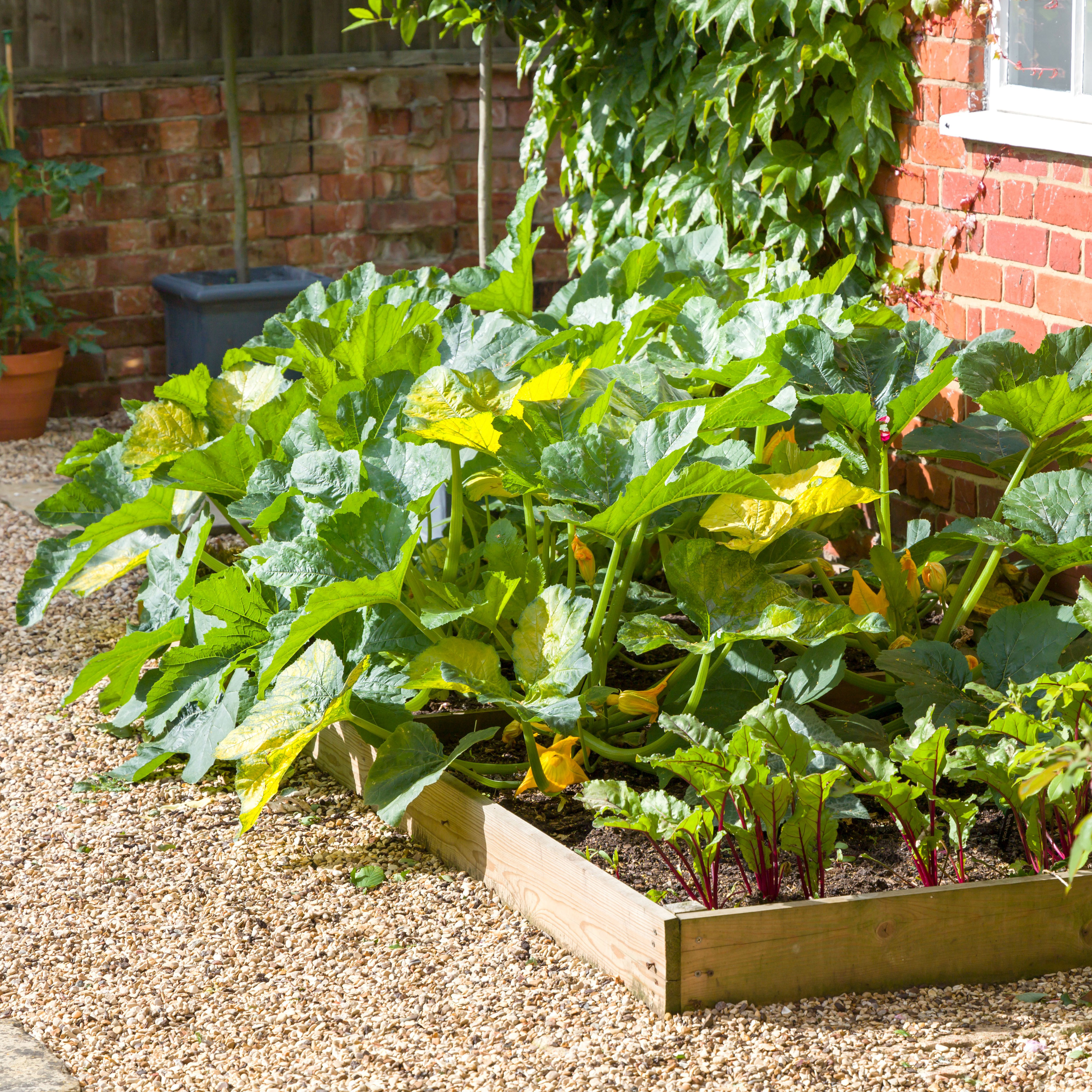
Credit: www.gardeningknowhow.com
Planting Tips For Raised Beds
Raised garden beds made with concrete blocks offer great control over soil and drainage. Proper planting helps your garden thrive in these beds.
Understanding how to select plants, space them well, and maintain them ensures healthy growth and better yields.
Selecting Suitable Plants
Choose plants that fit your climate and sunlight in the garden. Many vegetables and flowers grow well in raised beds.
- Leafy greens like lettuce and spinach
- Root vegetables such as carrots and radishes
- Herbs including basil, parsley, and thyme
- Compact fruiting plants like cherry tomatoes and peppers
Spacing And Arrangement
Correct spacing gives plants room to grow and lets air flow around them. Overcrowding can cause diseases and poor growth.
| Plant Type | Recommended Spacing |
| Lettuce | 6 to 8 inches apart |
| Carrots | 2 to 4 inches apart |
| Basil | 12 inches apart |
| Cherry Tomatoes | 18 to 24 inches apart |
Watering And Maintenance
Raised beds dry out faster than ground soil. Water plants deeply but less often to encourage strong roots.
- Check soil moisture daily, especially in hot weather
- Use mulch to keep soil moist and reduce weeds
- Remove dead or damaged leaves to prevent pests
- Fertilize lightly every few weeks with organic compost
Customizing Your Garden Bed
Personalizing your raised garden bed makes it both useful and attractive. You can add features that fit your style and gardening needs.
Simple changes can improve how your garden looks and grows. Below are ideas to help you customize your concrete block garden bed.
Adding Decorative Elements
Decorative touches make your garden bed stand out. You can use paint, plants, or materials to add color and texture.
- Paint the concrete blocks with outdoor paint in bright colors.
- Attach small pots or planters to the sides for flowers or herbs.
- Use mosaic tiles or stones to create patterns on the block surfaces.
- Add garden statues or solar lights around the bed edges.
- Place mulch or decorative gravel inside the blocks to fill empty spaces.
Incorporating Trellises Or Supports
Trellises help plants grow upward and save space. Supports keep plants healthy and easy to harvest.
| Type | Material | Best For | Installation |
| Wooden Trellis | Wood | Vines, peas, beans | Attach to blocks with screws or brackets |
| Metal Support Stakes | Metal | Tomatoes, peppers | Insert into soil inside bed |
| Wire Mesh | Metal or plastic | Climbing plants | Secure to block sides with ties |
| Bamboo Poles | Bamboo | Beans, cucumbers | Place in corners and tie plants |
Maintenance And Troubleshooting
Building a raised garden bed with concrete blocks is easy. Keeping it in good shape requires regular care. This helps your garden stay healthy and last longer.
Check your garden bed often for any damage or soil issues. Fix problems quickly to avoid bigger repairs later. Use simple methods to clean and refresh your garden bed.
Cleaning And Repairing Blocks
Concrete blocks can collect dirt, moss, or algae. Clean them to keep the bed looking nice and avoid damage. Repair cracks or loose blocks to keep the structure strong.
- Use a stiff brush to scrub dirt and moss off blocks.
- Rinse blocks with water after scrubbing.
- Apply a mild detergent for tough stains, then rinse well.
- Seal cracks with outdoor concrete sealant to prevent water damage.
- Replace any blocks that are broken or crumbling.
- Check the bed edges regularly for loose blocks and reset them if needed.
Soil Refreshing Techniques
Soil in raised beds loses nutrients over time. Refresh soil to keep plants healthy and growing well. Adding organic matter helps improve soil quality and moisture.
| Technique | Description | Benefits |
| Adding Compost | Mix in well-rotted compost to enrich soil. | Improves nutrients and soil structure. |
| Using Mulch | Cover soil with mulch like straw or wood chips. | Retains moisture and reduces weeds. |
| Rotating Crops | Change plant types each season. | Prevents nutrient depletion and disease. |
| Testing Soil | Check soil pH and nutrient levels yearly. | Helps decide what amendments to add. |

Credit: delawaregardener.wordpress.com
Frequently Asked Questions
What Materials Are Needed For A Concrete Block Garden Bed?
You need concrete blocks, soil, gardening tools, and optional landscape fabric. These materials ensure a sturdy, long-lasting raised bed for healthy plants.
How Do I Prepare The Site For The Raised Garden Bed?
Clear the area, level the ground, and remove weeds. A flat, clean surface helps the blocks stay stable and supports plant growth.
Can Concrete Blocks Affect Soil Ph Or Plant Health?
Concrete blocks may raise soil pH slightly due to lime content. Use a barrier or soil amendments to maintain ideal conditions for your plants.
How Tall Should A Raised Garden Bed Be With Concrete Blocks?
A height of 12 to 24 inches is ideal. This depth provides enough soil for root growth and easy gardening access.
Conclusion
Building a raised garden bed with concrete blocks is simple and affordable. You need basic tools and some blocks to get started. This type of garden bed lasts long and holds soil well. It also helps plants grow stronger by improving drainage.
You can customize the size to fit your space. Plus, concrete blocks provide a neat, organized look. Start small, then expand as you gain confidence. Enjoy gardening with less bending and more comfort. This project suits beginners and experienced gardeners alike.
Give it a try and watch your garden thrive!