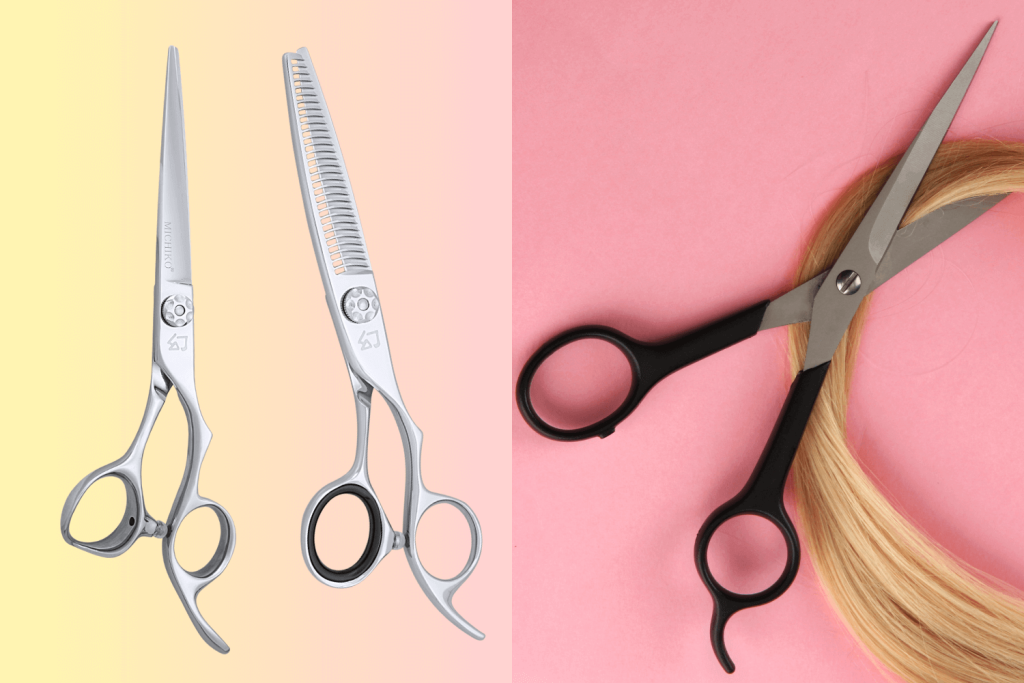
Have you ever wondered why some cutting tools are called shears while others are scissors? You might think they’re the same, but knowing the difference can make your cutting tasks much easier and more precise.
Whether you’re tackling a craft project, gardening, or just fixing things around the house, choosing the right tool matters. Keep reading, and you’ll discover simple tips that will save you time and effort every time you reach for those blades.
Credit: www.jpscissors.com
Basic Design Differences
Shears and scissors are cutting tools with different designs. Their shapes and handles serve different purposes. Understanding these differences helps choose the right tool.
This article explains two main design differences: blade shape and size, and handle structure.
Blade Shape And Size
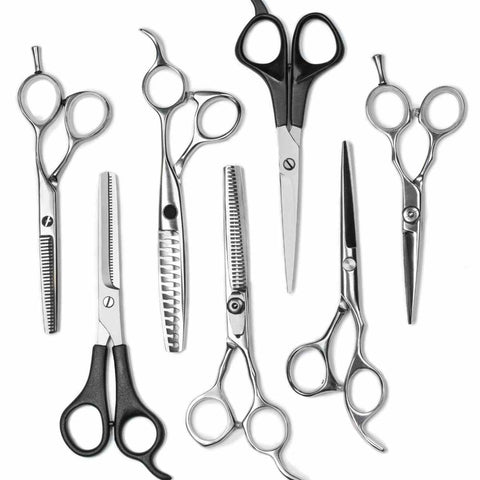
Shears usually have longer blades than scissors. Their blades are straight and strong for heavy cutting. Scissors have shorter blades that curve slightly for precise cuts.
- Shears blades are longer and thicker.
- Scissors blades are shorter and thinner.
- Shears blades are straight and strong.
- Scissors blades often curve for detailed cutting.
Handle Structure
| Feature | Shears | Scissors |
|---|---|---|
| Handle Size | Large for two-handed use | Small for one-handed use |
| Finger Rings | Usually equal size | One large, one small |
| Grip Comfort | Designed for strong grip and power | Designed for control and precision |
Shears handles fit both hands for strong cuts. Scissors handles fit one hand for detailed work. The handle design affects how each tool is used.
Credit: leafyease.com
Intended Uses
Shears and scissors both cut materials but serve different purposes. Their design suits specific tasks for better results.
Understanding where to use each tool helps you choose the right one for your project or job.
Craft And Sewing Applications
Scissors are common in crafts and sewing. They cut fabrics, threads, and paper with precision. Shears are larger and stronger. They cut thicker materials like leather and heavy fabric.
- Scissors: small projects, trimming, detail work
- Shears: cutting multiple layers, heavy fabrics, upholstery
- Scissors: easy to handle for fine, delicate cuts
- Shears: provide leverage for tougher cuts
Gardening And Heavy-duty Tasks
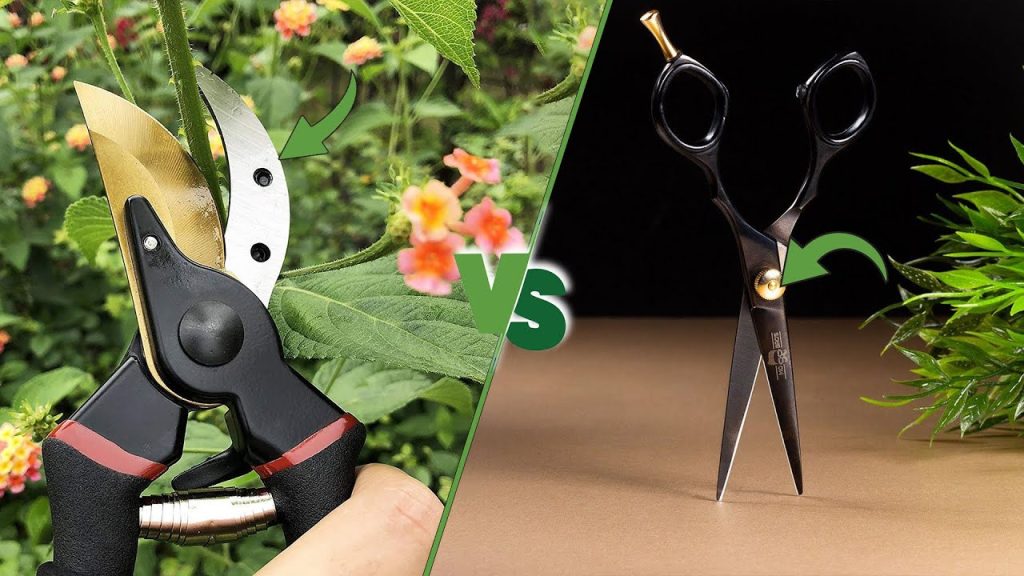
Shears excel in gardening and heavy-duty work. They trim branches, bushes, and thick plants. Scissors are not suitable for this kind of cutting because they are too small and weak.
| Tool | Best Use | Material |
| Shears | Pruning, trimming thick stems | Wood, thick plants |
| Scissors | Cutting paper, fabric, light trimming | Thin materials |
Material And Durability
Shears and scissors might look similar but differ in material and durability. Knowing these differences helps you choose the right tool.
This guide explains the materials used for blades and handles, affecting their strength and longevity.
Blade Materials
Blades are crucial for cutting tasks. The material impacts how long they stay sharp and how well they cut.
- Stainless Steel:Resists rust and stays sharp longer.
- Carbon Steel:Sharper edge, but may rust without care.
- Titanium Coated:Light and durable, less prone to corrosion.
Handle Materials
Handles affect comfort and grip. Different materials provide various advantages.
| Material | Features |
| Plastic | Lightweight and cost-effective |
| Rubber | Enhanced grip and comfort |
| Metal | Durable and offers a solid feel |
Understanding these materials helps you pick the best shears or scissors for your needs.
Cutting Mechanism
Shears and scissors are tools used to cut materials. They look alike but work differently. Their cutting mechanisms set them apart.
This section explains how their cutting parts move and work to slice through objects.
Lever Action In Shears
Shears use a lever action to cut. They have long handles that create more force. This makes cutting thick materials easier.
- Handles act like levers to increase power.
- Blades are usually longer and stronger.
- Cutting is smooth due to the force multiplication.
- Common for heavy-duty tasks like trimming branches.
Pivot And Tension In Scissors
Scissors work using a pivot point and blade tension. The blades rotate around the pivot to cut. Tension keeps blades tight for clean cuts.
| Feature | Description |
| Pivot Point | Center joint where blades rotate |
| Tension Screw | Adjusts blade tightness to improve cutting |
| Blade Movement | Blades slide past each other to slice material |
| Cutting Use | Best for light to medium tasks like paper or fabric |
Ergonomics And Comfort
Shears and scissors look similar but feel different when you use them. Ergonomics and comfort affect how easy they are to hold and cut with. This is important for long use.
Good design reduces hand strain and makes cutting smoother. The differences in grip styles, weight, and balance matter most in comfort and control.
Grip Styles
Scissors usually have symmetrical grips for both hands. This works well for light tasks and short use. Shears have different grips shaped for the right or left hand.
The curved grips on shears support your fingers better. This reduces pressure and keeps your hand relaxed. It helps when cutting thick or tough materials.
- Scissors: Same size loops for thumb and fingers
- Shears: One loop larger and shaped for comfort
- Shears often have angled handles to ease wrist position
Weight And Balance
Scissors tend to be lighter and balanced in the middle. This makes them easy to move fast and cut small things. Shears are usually heavier and more solid.
Shears have weight near the blades for better cutting power. The balance helps you cut through thick fabrics or materials without extra effort. This also helps reduce hand fatigue.
- Scissors: Light weight, balanced near the center
- Shears: Heavier, balanced closer to the blades
- Weight and balance improve control and reduce strain
Maintenance And Sharpening
Shears and scissors need regular care to work well. Keeping them clean and sharp helps cut smoothly. This saves time and prevents damage.
Proper maintenance also makes tools last longer. Knowing how to clean and sharpen them is important for good results.
Cleaning Tips
Cleaning removes dirt and sticky residue from blades. It stops rust and keeps the cutting edge smooth. Use a soft cloth and mild soap with water.
Dry shears and scissors well after washing. Oil the joint to keep movement easy. Avoid soaking wooden handles in water.
- Wipe blades after each use
- Use rubbing alcohol for sticky spots
- Dry blades completely to prevent rust
- Apply light oil to the pivot point
- Store in a dry place
Sharpening Methods
Sharp blades cut cleanly and reduce hand strain. Use a sharpening stone or a diamond sharpener to keep edges sharp. Match the angle of the blade while sharpening.
Sharpen both blades carefully to keep balance. After sharpening, wipe blades clean and test the cut on paper. Avoid over-sharpening or changing blade shape.
- Use a sharpening stone for smooth edges
- Use a diamond sharpener for fine blades
- Maintain the original blade angle
- Sharpen blades evenly
- Clean blades after sharpening
Choosing Between Shears And Scissors
Shears and scissors look similar but have different uses. Choosing the right tool helps you work better and safer.
This guide explains how to pick between shears and scissors based on your task and budget.
Task-specific Selection
Shears are best for heavy or thick materials. Scissors work well for light and precise cutting jobs.
- Use shears for fabric, leather, or metal sheets.
- Use scissors for paper, cloth, or thin plastic.
- Shears often have longer blades for bigger cuts.
- Scissors have shorter blades for detailed work.
Budget Considerations
Price varies between shears and scissors depending on quality and brand. Consider your needs before buying.
| Tool Type | Average Price Range | Best For |
| Shears | $10 – $50 | Heavy-duty tasks |
| Scissors | $5 – $30 | Light, everyday use |

Credit: www.threadsmagazine.com
Frequently Asked Questions
What Are The Main Differences Between Shears And Scissors?
Shears have longer blades and larger handles for heavy cutting. Scissors are smaller with shorter blades for precision tasks. Shears cut thicker materials, while scissors suit light, detailed work.
When Should I Use Shears Instead Of Scissors?
Use shears for cutting tough materials like fabric, leather, or cardboard. Scissors work best for paper, hair, or thin materials requiring accuracy.
Are Shears Better For Fabric Cutting Than Scissors?
Yes, shears provide cleaner, straighter cuts on fabric. Their design reduces hand strain and ensures smoother cutting compared to regular scissors.
Can Scissors Replace Shears For All Cutting Tasks?
No, scissors can’t handle thick or heavy materials well. Shears are designed for durability and strength needed in tougher cutting jobs.
Conclusion
Shears and scissors both cut, but serve different needs. Shears are larger and stronger for thick materials. Scissors are smaller, ideal for lighter tasks. Knowing their differences helps you choose right tools. Use shears for heavy cutting jobs. Pick scissors for precise, everyday use.
This clear understanding saves time and effort. Choose wisely to get best results every time.