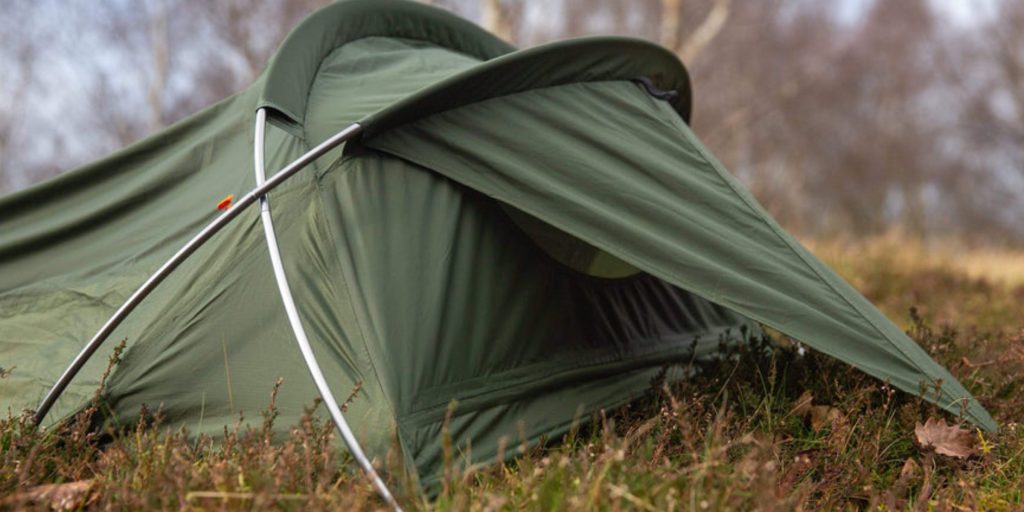
Have you ever wondered how you can sleep comfortably outdoors without carrying a bulky tent? A bivy tent might be exactly what you need.
It’s small, lightweight, and designed to keep you protected in the wild. If you want to know how a bivy tent can change your camping experience and why it might be the perfect gear for your next adventure, keep reading.
You’ll discover everything about bivy tents and how they can make your outdoor nights safer and cozier.
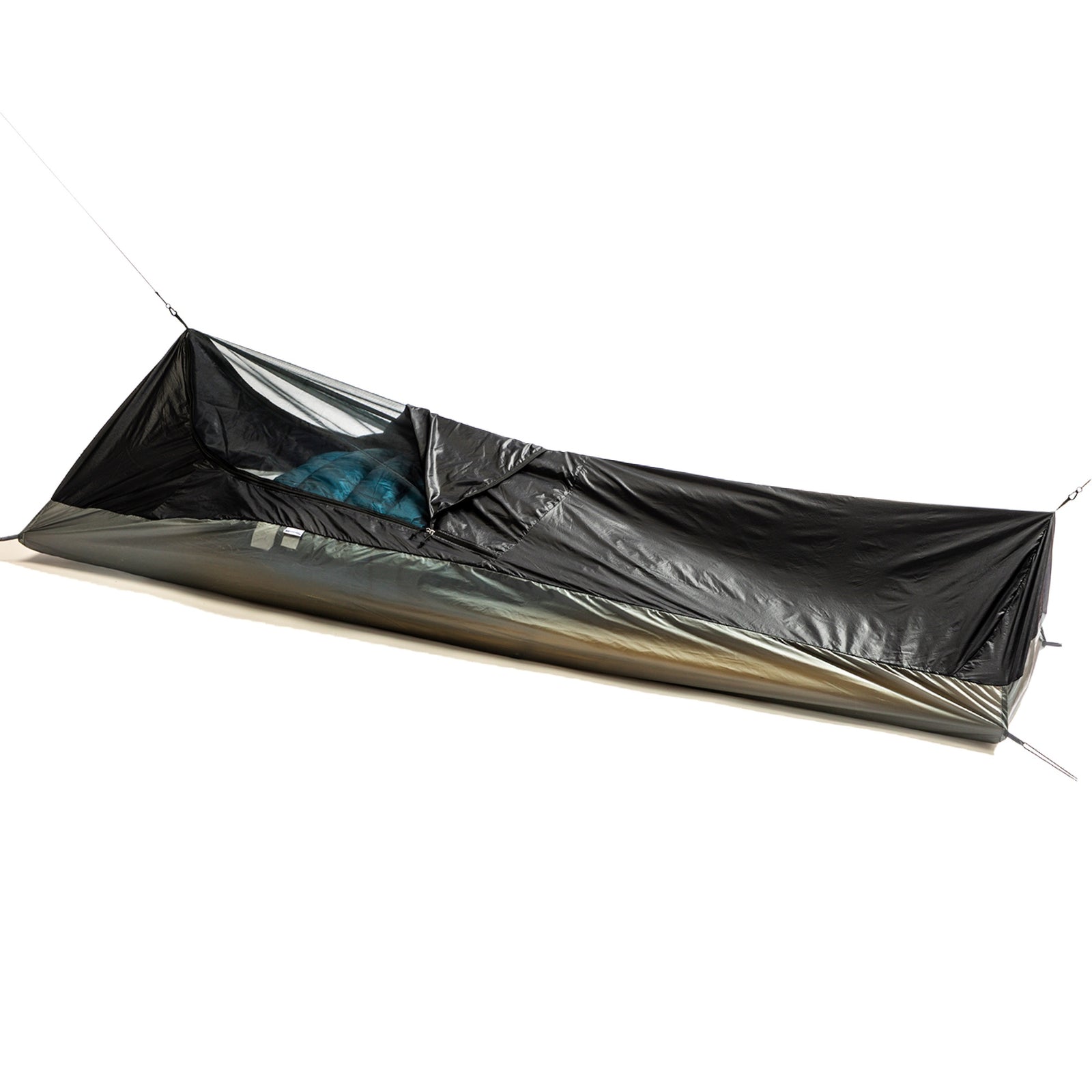
Credit: katabaticgear.com
Bivy Tent Basics
A bivy tent is a small shelter used by hikers and campers. It is light and easy to carry.
These tents protect you from rain, wind, and insects. They are perfect for solo travelers.
What Is A Bivy Tent
A bivy tent is a compact shelter that covers a sleeping bag. It is smaller than a regular tent.
It usually has a waterproof fabric and a mesh panel for ventilation. It keeps you dry and safe outdoors.
History And Evolution
Bivy sacks were first used by soldiers and mountaineers. They needed a simple shelter for harsh conditions.
Over time, bivy tents became lighter and more durable. New materials improved comfort and weather protection.
Types Of Bivy Tents
There are different bivy tents for various needs. Some focus on weight, others on space or weather resistance.
- Minimalist bivy sacks: very light and small
- Hardshell bivy tents: rigid frame for more space
- Waterproof bivy tents: made with strong rainproof fabric
- Breathable bivy tents: have mesh to reduce sweat
Materials And Design
A bivy tent is a small shelter that protects from wind, rain, and insects. It is popular among hikers and campers who need a light and compact shelter. The materials and design affect how well it performs in different weather.
Understanding common fabrics, waterproofing, and weight helps you choose the right bivy tent for your adventures.
Common Fabrics Used
Most bivy tents use synthetic fabrics because they are strong and light. Nylon and polyester are the two main types. Nylon is tough and resists tears well. Polyester handles sun exposure better and dries quickly.
- Ripstop nylon: very durable and tear-resistant
- Silicone-coated nylon: adds waterproofing and strength
- Polyester taffeta: resists UV damage and is lightweight
- Polyurethane-coated fabrics: affordable waterproof option
Waterproofing And Breathability
Bivy tents must keep water out while letting moisture escape. Waterproof coatings like silicone and polyurethane block rain. Breathable fabrics reduce inside condensation by allowing sweat vapor to pass.
| Waterproof Coating | Properties | Breathability |
| Silicone | Strong, flexible, durable | Moderate |
| Polyurethane (PU) | Waterproof, less expensive | Low |
| eVent or Gore-Tex | Waterproof, windproof | High |
Weight And Packability
Hikers want bivy tents that are light and easy to carry. Designers use thin fabrics and simple shapes. This keeps the weight low and the tent small when packed.
- Ultralight fabrics save grams without losing strength
- Minimal poles or no poles reduce bulk
- Compact designs fit well in backpacks
- Some bivy tents include a small stuff sack for storage
Benefits Of Bivy Tents
Bivy tents are compact shelters for outdoor adventures. They offer many benefits for campers and hikers.
These tents provide a simple and effective way to sleep outside. Let’s explore their advantages.
Lightweight And Compact
Bivy tents are very light. They are perfect for those who like to travel light.
They take up little space in a backpack. You can carry them easily on long hikes.
- Easy to pack
- Fits in small backpacks
- Ideal for solo trips
Quick Setup And Portability
Setting up a bivy tent is fast. You save time and energy for other activities.
They are portable and can be set up almost anywhere. This makes them very convenient.
- Fast to set up
- Easy to move
- Great for spontaneous camping
Versatility In Different Environments
Bivy tents work in many environments. They are suitable for mountains, forests, and deserts.
You can use them in various weather conditions. They protect you from wind, rain, and cold.
- Adaptable to different terrains
- Weather-resistant
- Useful for diverse climates

Credit: us.alpkit.com
Limitations To Consider
A bivy tent offers a compact shelter for outdoor adventures. It is light and easy to carry. Still, it comes with some limits you should know.
Understanding these limits helps you decide if a bivy tent fits your needs. We will look at space, ventilation, and weather protection.
Space Constraints
Bivy tents are very small, designed for one person. They do not have much room for gear or movement. This can feel tight for some users.
- Limited space for sleeping and storing items
- Not suitable for more than one person
- Less comfort compared to larger tents
Ventilation Challenges
Due to their compact design, bivy tents can have poor airflow. This may cause condensation inside the tent. Poor ventilation can make the inside damp and uncomfortable.
| Ventilation Issue | Effect |
|---|---|
| Poor Airflow | Builds moisture inside |
| Condensation | Wet sleeping bag and gear |
| Limited Openings | Less fresh air |
Weather Protection Limits
Bivy tents offer basic protection but have limits in harsh weather. They may not handle heavy rain or strong winds well. Some models lack full waterproof coverage.
- May leak in heavy rain
- Less stable in strong winds
- Limited insulation against cold
Choosing The Right Bivy Tent
A bivy tent is a small shelter for one person. It is simple and lightweight, perfect for outdoor adventures.
Choosing the right bivy tent depends on your needs. This guide helps you find the best fit for your trip.
Matching Tent To Activity
Think about what activity you will do. Different activities need different bivy tents.
If you hike in rainy places, pick a tent with good waterproofing. For winter trips, choose one with strong wind resistance.
- Backpacking: light and compact bivy tents
- Mountaineering: strong and weatherproof models
- Camping: easy to set up and comfortable tents
Key Features To Look For
Look for features that keep you safe and dry. These make your outdoor experience better.
- Waterproof fabric to stay dry
- Ventilation to reduce condensation
- Durable materials for rough conditions
- Easy setup and packability
- Enough space for sleeping and gear
Check if the bivy tent suits your body size and gear needs.
Budget And Quality Balance
Set a budget before buying a bivy tent. Good tents cost more but last longer.
Try to find a balance between price and quality. Avoid very cheap tents that can fail in bad weather.
- Mid-range tents offer good durability and features
- High-end tents have advanced materials and design
- Low-cost tents may suit casual use only
Care And Maintenance
A bivy tent is a small shelter that protects you from the weather. Taking good care of it keeps it strong and useful.
Proper cleaning, storing, and fixing can help your bivy tent last longer on your outdoor trips.
Cleaning Tips
Always clean your bivy tent after each trip. Dirt and sweat can damage the fabric and waterproof coating.
Use a soft brush or cloth with cold water. Avoid harsh soaps or strong chemicals that can harm the material.
- Brush off loose dirt before washing
- Spot clean stains with mild soap
- Rinse well to remove all soap
- Air dry completely before storing
Storage Recommendations
Store your bivy tent in a cool, dry place. Keep it away from direct sunlight to prevent fabric fading.
Do not store the tent while it is wet or damp. Moisture can cause mold and damage the fabric over time.
- Fold loosely to avoid creases
- Use a breathable storage bag
- Check the tent regularly for pests
- Keep away from sharp objects and chemicals
Repair And Longevity
Fix small holes and tears quickly to stop them from growing. Use repair patches made for outdoor gear.
Check zippers and seams often. Lubricate zippers and resew loose seams to keep the tent strong.
- Carry a repair kit on trips
- Use seam sealer to maintain waterproofing
- Replace damaged parts promptly
- Handle the tent gently during setup and takedown
Bivy Tent Vs Other Shelters
A bivy tent is a small, lightweight shelter for one person. It protects you from rain, wind, and bugs. Many hikers and climbers use bivy tents for quick shelter.
This article compares bivy tents with other common shelters. It helps you know when to pick a bivy tent over tents, tarps, or hammocks.
Comparison With Tents
Tents offer more space and comfort than bivy tents. They protect you well from weather and insects. But tents are heavier and take longer to set up.
Bivy tents are smaller and lighter. They fit in tight spots where tents can’t. You carry less weight, which helps on long trips. Yet, bivy tents give less room to move.
| Feature | Bivy Tent | Tent |
| Weight | Very Light | Heavier |
| Setup Time | Fast | Longer |
| Space | Minimal | More Room |
| Weather Protection | Good | Better |
| Ventilation | Limited | Better |
Comparison With Tarps And Hammocks
Tarps and hammocks are light and simple shelters. They use natural features for support. They do not fully enclose you like bivy tents do.
- Tarps protect mainly from rain and sun.
- Hammocks keep you off the ground but need trees.
- Bivy tents protect from wind, bugs, and cold better.
- Bivy tents work well in open areas with no trees.
When To Choose A Bivy Tent
Choose a bivy tent if you need a very light shelter. It suits solo trips and harsh weather. It fits in small spaces where tents do not.
- You want to carry minimal weight on long hikes.
- You camp in areas with few trees or rocky ground.
- You need quick setup and takedown.
- You want better protection than a tarp or hammock.
Popular Brands And Models
Bivy tents are simple, compact shelters designed for solo camping. They provide lightweight protection against wind and rain. Many brands make bivy tents for hikers and outdoor lovers.
This guide highlights popular brands and models. We focus on lightweight options, budget-friendly picks, and innovative designs to help you find the best bivy tent.
Top Lightweight Options
Lightweight bivy tents are great for fast trips and long hikes. They keep your pack weight low while offering good shelter.
- Outdoor Research Helium Bivy:Weighs under 2 pounds and uses waterproof fabric.
- MSR AC Bivy:Features breathable mesh and a durable rainfly.
- Black Diamond Blitz:Designed for minimal weight and quick setup.
Best Budget Picks
Affordable bivy tents provide good shelter without high costs. These models suit casual campers or those on a budget.
| Brand | Model | Weight | Price Range |
|---|---|---|---|
| Snugpak | Stratosphere Bivy | 2.5 lbs | $100 – $130 |
| Naturehike | Cloud-Up Bivy | 2.2 lbs | $80 – $110 |
| ALPS Mountaineering | Merlin Bivy | 2.7 lbs | $90 – $120 |
Innovative Designs
Some bivy tents use new ideas to improve comfort and function. These models often include extra features for better use.
- Hilleberg Anjan:Combines bivy simplicity with tent features like a full zipper and vestibule.
- Fjellduken 4×4:Made with durable cotton canvas for breathability and weather resistance.
- Six Moon Designs Skyscape Scout:Uses a unique pole system to increase headroom and ventilation.

Credit: www.reddit.com
Frequently Asked Questions
What Is A Bivy Tent Used For?
A bivy tent is designed for solo camping and backpacking. It provides lightweight, compact shelter, protecting from weather and insects. It’s ideal for minimalists and emergency situations where quick, easy setup is needed.
How Does A Bivy Tent Differ From A Regular Tent?
A bivy tent is much smaller and simpler than regular tents. It fits one person and gear, often lacking poles. Regular tents offer more space, multiple rooms, and are heavier, designed for groups or longer stays.
Are Bivy Tents Waterproof And Weather-resistant?
Yes, most bivy tents are made with waterproof, breathable fabrics. They protect against rain, wind, and snow, keeping campers dry. Good ventilation reduces condensation inside, making them suitable for various weather conditions.
Can You Use A Bivy Tent For Hiking Trips?
Absolutely, bivy tents are perfect for hiking due to their light weight and compact size. They easily fit in a backpack, allowing quick shelter setup during long treks or unexpected overnight stays.
Conclusion
A bivy tent offers a small, light shelter for outdoor trips. It protects you from wind, rain, and bugs. Easy to carry, it fits in small backpacks. Perfect for hikers, campers, and solo travelers. It saves space and sets up quickly.
You get simple shelter without extra weight. A great choice for short trips or emergencies. Remember, comfort depends on the model and weather. Try one to enjoy a cozy night outdoors. Simple, practical, and ready for your next adventure.