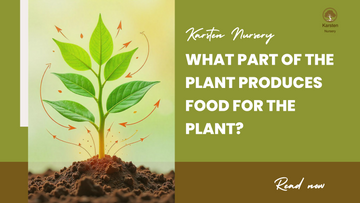
Have you ever wondered how a plant gets its food without a mouth or stomach? It’s a fascinating process that happens right before your eyes every day.
Understanding how plants feed yourself can change the way you see the green world around you. You’ll discover the simple secrets behind how plants make their own food and why it matters to you. Keep reading—you’ll be amazed at how nature’s quiet workers keep themselves alive and thriving.

Credit: www.youtube.com
Photosynthesis Basics
Plants make their own food through a process called photosynthesis. This process happens mainly in the leaves.
Photosynthesis uses sunlight, water, and carbon dioxide to create food and oxygen. It is important for all living things.
Role Of Sunlight
Sunlight provides energy for photosynthesis. Plants absorb sunlight to start the food-making process.
Without sunlight, plants cannot make food or grow properly. Light energy changes into chemical energy inside the plant.
Chlorophyll And Light Absorption
Chlorophyll is a green pigment in plant leaves. It helps plants capture sunlight.
This pigment absorbs mostly blue and red light. It reflects green light, which is why leaves look green.
- Chlorophyll absorbs light energy
- Energy is used to make food
- It is found in chloroplasts inside cells
Carbon Dioxide And Water Intake
Plants take in carbon dioxide from the air through tiny openings called stomata. They also absorb water from the soil.
Carbon dioxide and water combine inside the plant. This helps produce glucose, the plant’s food, and oxygen.
- Carbon dioxide enters leaves through stomata
- Water is absorbed by roots from the soil
- Both are needed for photosynthesis
The Food-making Process
Plants make their own food through a process called photosynthesis. This process uses sunlight, water, and carbon dioxide. It happens in the leaves of the plant.
Photosynthesis has two main parts. Each part plays a key role in creating food for the plant. The plant stores this food as energy to grow and stay healthy.
Light-dependent Reactions
These reactions happen in the chloroplasts when sunlight shines on the plant. The plant uses light energy to split water molecules into oxygen and hydrogen. Oxygen is released into the air.
- Sunlight is absorbed by chlorophyll
- Water molecules split into oxygen and hydrogen
- Oxygen leaves the plant
- Energy is stored in molecules called ATP and NADPH
Light-independent Reactions
Also called the Calvin cycle, these reactions do not need light directly. They use ATP and NADPH from the first part to turn carbon dioxide into a sugar called glucose. This happens in the stroma of chloroplasts.
| Step | Process | Result |
|---|---|---|
| 1 | Carbon dioxide enters the leaf | Used to build sugars |
| 2 | Energy from ATP and NADPH powers the cycle | Sugar molecules form |
| 3 | Glucose is made | Stored energy for the plant |
Glucose Production
Glucose is a simple sugar that plants use for energy and growth. It travels to different parts of the plant. This sugar helps the plant build leaves, roots, and flowers.
Glucose can be:
- Used immediately for energy
- Stored as starch for later use
- Converted into cellulose to build cell walls
Nutrient Transport Within Plants
Plants need food to grow and survive. They use special systems to transport nutrients. This process is vital for their health.
Understanding how plants move nutrients helps us care for them better. Let’s explore how this works inside plants.
Phloem And Sugar Movement
Phloem is a tissue in plants. It moves sugars and nutrients from leaves to other parts. This is important for energy and growth.
- Sugars are produced in leaves through photosynthesis.
- Phloem transports these sugars to stems and roots.
- It helps distribute food to growing parts of the plant.
Storing And Using Energy
Plants store energy for when they need it. This stored energy helps them grow and repair. They use different methods to manage this energy.
| Energy Source | Storage Form |
| Sugar | Starch |
| Sunlight | Photosynthesis |
| Nutrients | Roots |
Factors Affecting Food Production
Plants make food through photosynthesis. This process depends on several key factors. These factors affect how well plants grow and produce food.
Understanding these factors helps us know why some plants grow better than others. It also shows how we can support plant growth in different environments.
Light Intensity
Light is the energy source for photosynthesis. When light intensity is high, plants can make more food. Low light reduces food production. Plants grow best under bright but not too strong light.
Water Availability
Water is essential for photosynthesis and plant health. Without enough water, plants wilt and slow down food production. Too much water can harm roots and block air.
- Water helps transport nutrients inside the plant.
- It keeps cells firm and supports leaf structure.
- Plants lose water through leaves, needing constant supply.
Carbon Dioxide Levels
Carbon dioxide is a raw material for photosynthesis. More carbon dioxide usually means more food made by plants. When carbon dioxide is low, photosynthesis slows down.
| Carbon Dioxide Level | Effect on Food Production |
| Low | Reduces photosynthesis rate |
| Normal | Supports normal food production |
| High | Increases food production up to a limit |
Temperature
Temperature affects the speed of chemical reactions in plants. Too cold or too hot temperatures lower food production. Most plants grow best in moderate temperatures.
Here are temperature effects on food production:
- Below 10°C: Photosynthesis slows down
- 20°C to 30°C: Optimal range for most plants
- Above 35°C: Enzymes may break down, lowering food production
Adaptations In Different Plants
Plants need food to grow and survive. They make food using sunlight, water, and air. Different plants have special ways to do this.
These ways help plants live in places that are hot, dry, or have little water. Let’s learn about three main types of food-making paths.
C3 Pathway
The C3 pathway is the most common way plants make food. Plants like rice, wheat, and soybeans use it. They take in carbon dioxide and turn it into sugars.
This method works well in cool and wet places. But in hot or dry weather, plants can lose water fast and make less food.
C4 Pathway
C4 plants have a special way to save water and make food. Corn, sugarcane, and millet use this path. They capture carbon dioxide more efficiently.
This helps them survive in hot and sunny places. C4 plants keep their leaves cooler and lose less water than C3 plants.
- Better at using sunlight in bright places
- Use less water during photosynthesis
- Grow well in warm or dry climates
Cam Pathway
CAM plants save water by opening their leaf pores at night. Pineapple, cactus, and some orchids use this way. They store carbon dioxide at night.
During the day, they use sunlight to make food. This method helps plants live in deserts and very dry areas.
- Open stomata only at night to reduce water loss
- Store carbon dioxide to use during the day
- Perfect for very dry and hot environments
Survival In Harsh Environments
Plants in deserts and cold places have special tricks to survive. They may have thick leaves or waxy coatings to save water.
Some plants store water in stems or leaves. Others grow deep roots to find water underground. These adaptations help them live where food and water are hard to find.
- Thick leaves reduce water loss
- Waxy coatings protect against heat
- Deep roots reach water far below
- Water storage in parts of the plant

Credit: cen.acs.org

Credit: www.youtube.com
Frequently Asked Questions
How Do Plants Make Their Own Food?
Plants make food through photosynthesis. They use sunlight, water, and carbon dioxide to produce glucose and oxygen. Chlorophyll in leaves captures sunlight. This process provides energy for growth and survival.
What Role Does Sunlight Play In Plant Food Production?
Sunlight is essential for photosynthesis. It provides energy to convert carbon dioxide and water into glucose. Without sunlight, plants cannot produce food or oxygen, affecting their growth and health.
Why Is Water Important For Plant Nutrition?
Water is crucial for photosynthesis and nutrient transport. It dissolves minerals in the soil and carries them to plant cells. Water also helps maintain cell structure and temperature, supporting overall plant health.
How Do Leaves Help Plants Get Food?
Leaves contain chlorophyll, which captures sunlight. They absorb carbon dioxide from the air through tiny pores called stomata. Leaves then convert these elements into glucose during photosynthesis.
Conclusion
Plants make their own food using sunlight, water, and air. This process is called photosynthesis. Leaves catch sunlight and turn it into energy. Roots bring water and minerals from the soil. Air provides carbon dioxide, which plants use to make sugar.
This sugar gives plants the energy to grow and live. Understanding how plants get food helps us see nature’s balance. It shows how important plants are for life on Earth. Simple, yet amazing. Nature’s way of feeding itself.