Are you tired of your fishing line snapping at the worst moment? Learning how to load line on a fishing reel properly can make all the difference between a successful catch and frustration.
Whether you’re a beginner or just need a quick refresher, this simple skill will boost your confidence and improve your fishing experience. Keep reading, and you’ll discover easy steps to get your reel ready, so you can focus on what really matters—landing that big fish.

Credit: www.youtube.com
Choosing The Right Line
Choosing the right fishing line is important for a good fishing experience. The correct line helps you catch fish easily and protects your gear.
This guide explains types of fishing lines, line strength and diameter, and how to match line to your reel and rod.
Types Of Fishing Lines
There are three main types of fishing lines. Each has unique features and uses.
- Monofilament:Flexible and easy to handle. It stretches under load and is good for beginners.
- Fluorocarbon:Nearly invisible underwater. It sinks faster and resists abrasion well.
- Braid:Very strong and thin. It has no stretch and gives good sensitivity.
Line Strength And Diameter
Line strength is measured in pounds, which shows how much weight the line can hold before breaking. Diameter affects how much line fits on the reel and how it casts.
| Line Type | Common Strength Range (lbs) | Diameter Range (inches) |
| Monofilament | 4 – 30 | 0.008 – 0.035 |
| Fluorocarbon | 6 – 40 | 0.009 – 0.037 |
| Braid | 10 – 80 | 0.006 – 0.020 |
Matching Line To Reel And Rod
Match your line to the reel and rod to avoid problems. Use the rod’s recommended line strength and check the reel’s line capacity.
- Check the rod’s label for line weight limits.
- Choose a line strength within the rod’s range.
- Make sure the reel holds enough line for your fishing style.
- Consider the type of fish you want to catch.
Preparing The Reel
Loading line on a fishing reel starts with good preparation. Taking time to prepare the reel helps you fish better and avoid problems later.
This section covers cleaning and inspecting the reel, choosing the right spool, and attaching the reel to the rod.
Cleaning And Inspecting The Reel
Clean your reel to remove dirt and salt. Check all parts for damage or wear. This keeps the reel working smoothly.
- Wipe the reel with a soft cloth
- Use a small brush to clean hard spots
- Look for cracks or rust on the body and spool
- Turn the handle to check for smooth motion
- Oil the reel if it feels stiff
Spool Selection
Select a spool that fits your line and fishing style. Spool size affects how much line you can hold and casting distance.
| Spool Type | Best For | Line Capacity |
| Small | Light lines and small fish | Up to 100 yards |
| Medium | Most general fishing | 100 to 200 yards |
| Large | Heavy lines and big fish | 200+ yards |
Attaching The Reel To The Rod
Secure the reel to the rod before loading the line. A firm connection helps with control and casting.
Follow these steps to attach your reel:
- Place the reel foot into the rod seat.
- Tighten the reel seat until the reel is snug.
- Check that the reel does not move when you pull it.
- Make sure the reel handle is on the correct side for you.
Loading The Line
Loading line on a fishing reel is an essential skill for any angler. Proper loading ensures that your line performs well during fishing.
Follow these steps to secure the line correctly and avoid common issues like twisting or overlapping.
Securing The Line To The Spool
Begin by attaching the line to your reel’s spool. This first step is crucial for a smooth fishing experience.
- Open the bail arm of the reel.
- Thread the line through the rod guides starting from the tip.
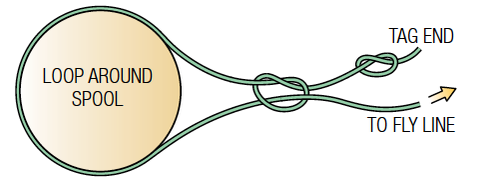
- Tie an arbor knot to secure the line to the spool.
- Close the bail arm to lock the line in place.
Maintaining Proper Tension
Keeping the line tight while loading prevents loops and tangles. Use your fingers to guide the line smoothly onto the spool.
Avoiding Line Twist And Overlap
Line twist can cause problems, especially with spinning reels. Take time to prevent these issues.
| Issue | Solution |
| Line Twist | Use a swivel to reduce twisting. |
| Overlap | Apply steady tension while winding. |

Credit: windrider.com
Finishing The Setup
After loading the line on your fishing reel, you need to finish the setup carefully. This ensures smooth casting and better control while fishing.
Focus on trimming excess line, checking how much line the reel holds, and testing the drag system for proper tension.
Trimming Excess Line
Cut off any extra fishing line beyond the reel spool. Leaving too much line can cause tangles or knots when casting.
- Use sharp scissors or line clippers.
- Leave about 1/8 inch of line extending past the spool edge.
- Check the cut to make sure the line is neat and not frayed.
Checking Line Capacity
It is important to know if your reel has enough line to handle your fishing needs. Too little line can cause problems during a catch.
| Reel Size | Recommended Line Length | Line Type |
| 1000-2500 | 100-150 yards | Monofilament or Fluorocarbon |
| 3000-4000 | 150-200 yards | Monofilament or Braided |
| 5000+ | 200+ yards | Braided or Heavy Monofilament |
Testing The Drag System
The drag system controls the tension on your line and helps prevent the line from breaking during a fight with a fish.
To test the drag:
- Pull the line with your hand slowly.
- Adjust the drag knob to increase or decrease resistance.
- The line should pull out smoothly without jerking.
- If it is too tight, loosen the drag slightly.
- If too loose, tighten it to prevent easy line release.
Common Mistakes To Avoid
Loading line on a fishing reel seems easy but many make mistakes. These errors can cause problems while fishing.
Knowing what to avoid helps keep your reel working well and your fishing trips successful.
Overfilling The Spool
Putting too much line on the spool can cause tangles and knots. The line may also slip off the spool during casting.
Always leave a small gap between the line and the spool edge. This space helps the line come off smoothly.
- Do not fill the spool completely to the top
- Fill the spool to about 1/8 inch below the rim
- Check the reel manual for recommended line capacity
Using Incorrect Line Types
Using the wrong type of fishing line can reduce casting distance and cause damage. Each reel suits certain line types better.
Match the line type to your reel and fishing style. For example, spinning reels work well with monofilament or braided lines.
- Check if your reel supports braided, monofilament, or fluorocarbon lines
- Use the recommended line strength for your fishing needs
- Avoid mixing different line types on the same spool
Ignoring Line Maintenance
Not caring for your fishing line can shorten its life and cause breaks. Dirt, sun, and water wear down the line over time.
Regularly check your line for damage and clean it after fishing. Replace old or weak line to avoid losing fish.
- Inspect the line for nicks and frays before each trip
- Rinse the line with fresh water after saltwater fishing
- Store your reel in a cool, dry place to protect the line
Credit: monsterbass.com
Advanced Tips For Different Reels
Loading line on a fishing reel is important for fishing success. Different reels need different approaches. This guide helps you load line better on spinning, baitcasting, and fly reels.
Knowing the right technique improves casting distance and reduces line tangles. Use these tips to get the most from your reel.
Spinning Reels
Spinning reels are easy to use but need correct line loading. Start by opening the bail arm fully before attaching the line. This helps prevent twists.
Keep the line tight as you spool it onto the reel. Use your fingers or a line spooler to control tension. Fill the spool to about 1/8 inch below the rim.
- Use a line conditioner to reduce memory and tangles
- Check that the line lays evenly on the spool
- Don’t overfill the spool to avoid line slipping
Baitcasting Reels
Baitcasting reels require precise line loading to avoid backlash. Start by securing the line to the spool with an arbor knot. Keep tension steady while winding.
Fill the spool about 1/8 inch from the edge. Too much line causes tangles. Adjust the reel’s spool tension knob to match your line weight.
- Use a backing line to fill extra space on the spool
- Apply light pressure on the spool while loading
- Check line alignment to prevent uneven winding
Fly Reels
Fly reels hold fly line and backing line. Load backing line first to protect the spool. Keep the line tight and evenly spread.
Add the fly line after backing. Use a line holder to keep tension. Avoid overfilling to maintain smooth drag performance.
- Use slow, steady turns to load backing and fly line
- Check the line spool for any loose coils
- Maintain tension to keep lines tight and neat
Frequently Asked Questions
What Is Load Line On A Fishing Reel?
Load line refers to the fishing line’s tension during casting or reeling. It affects casting distance and control. Proper load line setup prevents line breakage and improves fishing efficiency.
How To Properly Load Line On A Fishing Reel?
Start by threading the line through the rod guides. Attach it to the reel spool securely. Wind the line evenly and tightly to avoid tangles and ensure smooth casting.
Why Is Loading Line Correctly Important For Fishing?
Correct loading ensures even line distribution on the spool. It prevents tangles, reduces backlash, and enhances casting performance. Proper loading increases the line’s lifespan and fishing success.
Can Wrong Load Line Damage My Fishing Reel?
Yes, incorrect loading can cause uneven tension and line tangles. This stresses the reel’s components and may lead to mechanical failure or line breakage during use.
Conclusion
Loading line on a fishing reel is simple and important. It helps your fishing go smoothly. Follow the steps carefully, and take your time. Check your line often for tangles or wear. Practice makes your skill better each time. Enjoy your fishing trips more with the right setup.
Keep your reel ready, and have fun catching fish.