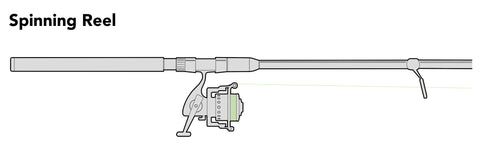
If you love fishing, you know that having the right setup makes all the difference. One of the most important skills you can learn is how to put new fishing line on a spinning reel.
It might seem tricky at first, but once you get it right, your casts will be smoother, your catches more frequent, and your time on the water more enjoyable. In this guide, you’ll discover simple, step-by-step instructions that anyone can follow.
By the end, you’ll feel confident and ready to tackle your next fishing trip with fresh, strong line that won’t let you down. Keep reading, and let’s get your reel ready!
Choose The Right Line
Putting new fishing line on a spinning reel starts with picking the right line. The line type and strength affect your fishing success.
Choosing the correct line helps you catch fish and avoid problems like tangles or breaks.
Types Of Fishing Line
There are three main types of fishing line: monofilament, fluorocarbon, and braided. Each type has its own uses and benefits.
- Monofilament:Flexible and easy to handle. Good for beginners.
- Fluorocarbon:Nearly invisible underwater. Great for clear water fishing.
- Braided:Strong and thin. Best for heavy cover and long casts.
Line Strength And Length
Line strength is measured in pounds, showing how much weight it can hold before breaking. Choose strength based on the fish you want to catch.
Length matters too. Use enough line to allow good casting and to handle big fish fights.
- Light lines (4-8 lbs) work for small fish and finesse fishing.
- Medium lines (10-20 lbs) fit most general fishing needs.
- Heavy lines (20+ lbs) are for big fish and tough conditions.
- Spools usually come in 100-300 yards lengths.
Matching Line To Reel
Check your spinning reel’s specifications for line capacity. Match the line strength and length to what the reel can hold.
Using the right line size helps your reel work smoothly. It also prevents line overload or too little line on the spool.
- Look at the reel spool label for recommended line weight and length.
- Do not exceed the reel’s maximum line capacity.
- Choose line diameter that fits the reel spool well.
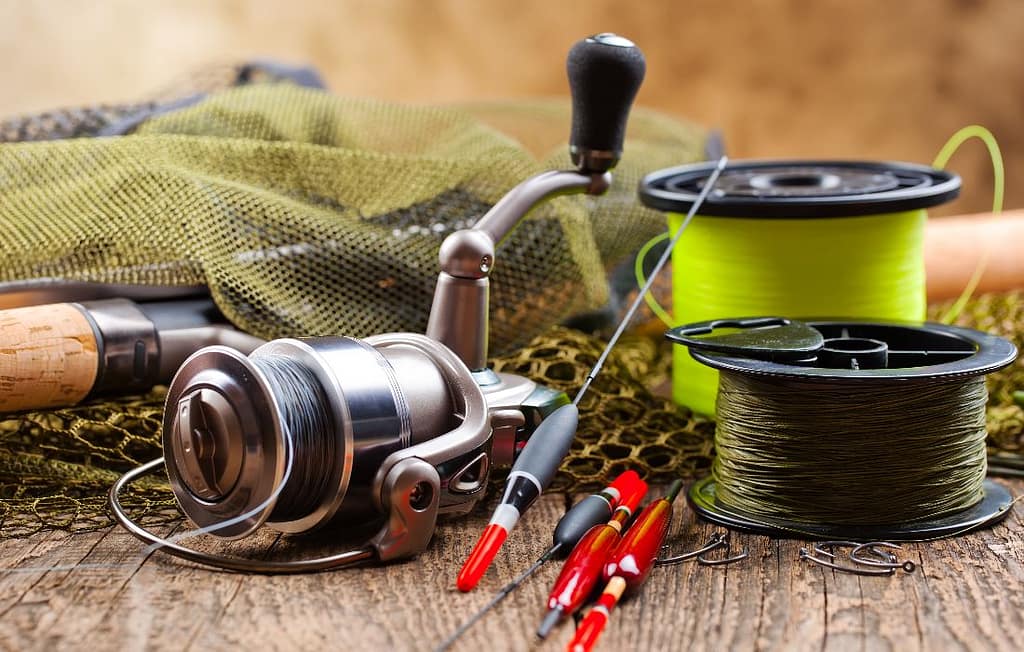
Credit: letsgobassfishing.com
Gather Your Tools
Putting new fishing line on a spinning reel needs some tools. Having the right tools helps you finish the job faster.
Gathering your tools first makes the process smooth and easy to follow.
Essential Equipment
You need a few basic items to put new fishing line on a spinning reel. These are the must-have tools for the task.
- New fishing line, suitable for your reel
- Spinning reel attached to your fishing rod
- Scissors or line cutters to trim the line
- A pencil or small rod to hold the line spool
- A clean surface to work on
These tools help you load the new line neatly and avoid tangles.
Optional Accessories
You can use extra tools to make the job easier or faster. These accessories are not required but can help.
- Line conditioner to reduce memory in the line
- A line spooler tool to hold the spool firmly
- A cloth or towel to keep your hands dry
- Gloves for better grip and protection
- A ruler or tape to measure the line length
These accessories make the process smoother and reduce mistakes.
Remove Old Line
Changing the fishing line on a spinning reel is essential. Start by removing the old line properly to ensure a smooth process.
This guide will help you unspool the line and clean the reel. Follow these simple steps for an efficient experience.
Unspooling The Line
Begin by opening the bail arm of the spinning reel. This will allow the line to come off freely without obstruction.
Slowly pull the line off the reel, keeping steady tension. This prevents tangles and ensures a clean unspooling process.
- Open the bail arm completely
- Maintain steady tension on the line
- Dispose of old line responsibly
Cleaning The Reel
With the old line removed, it’s time to clean the reel. A clean reel ensures better performance and longer life.
Use a soft cloth to wipe away dirt and grime. Be gentle around moving parts to avoid damage.
| Tools Needed | Soft cloth, mild cleaner |
| Steps | Wipe, dry, inspect |
Attach New Line
Putting new fishing line on a spinning reel is important for a good fishing experience. The first step is to attach the new line correctly.
Proper attachment prevents tangles and helps the line spool smoothly. Follow simple steps to thread and secure the line.
Threading The Line
Start by passing the new line through the rod guides. These are the loops along the fishing rod.
Next, open the bail arm of the spinning reel. Then, pull the line under the spool and out through the bail.
- Hold the line spool so it spins free
- Feed the line through all rod guides
- Open the reel’s bail arm fully
- Pass the line under the spool
- Close the bail arm slowly
Securing The Knot
Tie the line to the reel spool with a strong knot. The Arbor knot works well for this.
Make sure the knot is tight and trim any extra line close to the knot.
- Wrap the line around the spool
- Tie an overhand knot around the main line
- Tie a second overhand knot on the tag end
- Pull both knots tight against the spool
- Trim the tag end with scissors
Spool The Line
Putting new fishing line on a spinning reel requires care. Spooling the line correctly helps avoid tangles and improve casting.
Two key points to focus on are keeping proper tension and filling the spool evenly. These steps make your fishing experience smoother.
Proper Tension Techniques
Maintaining the right tension keeps the line tight on the spool. Loose line can cause knots and tangles during use.
- Pinch the line lightly between your fingers as you spool.
- Ask a friend to hold the line spool with slight resistance.
- Turn the reel handle steadily to wind the line evenly.
- Keep tension consistent throughout the spooling process.
Filling The Spool Evenly
Evenly filling the spool prevents line bunching on one side. This helps your reel work properly and extends line life.
| Tip | Description |
| Start Near the Edge | Begin winding the line at the spool’s outer edge. |
| Move Line Side to Side | Guide the line across the spool evenly with your fingers. |
| Leave Space | Stop spooling about 1/8 inch from the spool rim. |
| Check Regularly | Pause to ensure the line lays flat and smooth. |
Check The Line
Before you start fishing, it is important to check your new fishing line. This helps avoid problems while casting or reeling in fish.
Checking the line ensures it is free from damage and ready for use. Two key checks are inspecting for twists and tangles and doing a test cast.
Inspect For Twists And Tangles
Twists and tangles weaken the line and cause casting issues. Carefully unwind some line from the spool and look closely.
- Hold the line up to the light to see any kinks
- Run your fingers along the line to feel for rough spots
- Look for loops or knots that may cause snags
- Remove any damaged or tangled sections before use
Test Casting
Test casting helps check if the line feeds smoothly from the spool. It also shows if the line holds well during a cast.
| Test | What to Check | Action |
| Short Cast | Line feeds without resistance | Adjust spool tension if needed |
| Long Cast | Line does not tangle or twist | Rewind line if twists appear |
| Reeling In | Line stays tight and strong | Replace line if weak spots show |
Maintain Your Reel
Keeping your spinning reel clean and well-maintained helps it work smoothly. Proper care can extend the life of your reel.
Regular maintenance also prevents problems like line tangles and poor casting. Follow simple steps to keep your reel in top shape.
Regular Cleaning
After each fishing trip, clean your reel to remove dirt and salt. Use a soft cloth to wipe the outside of the reel.
Occasionally, take off the spool and rinse it with fresh water. Dry all parts well before putting the reel back together.
- Wipe the reel with a dry cloth after use
- Rinse spool gently in fresh water if exposed to salt
- Use a soft brush to clean hard-to-reach spots
- Dry all parts completely before reassembling
Storage Tips
Store your reel in a cool, dry place to avoid rust and damage. Avoid leaving the reel in direct sunlight or damp areas.
Loosen the drag before storing to keep the internal parts in good condition. Cover the reel with a cloth or case to protect it from dust.
- Keep reel in a dry, shaded area
- Loosen drag to prevent pressure on parts
- Cover reel to protect from dust and dirt
- Check line tension before storing

Credit: www.youtube.com

Credit: wawangresort.wordpress.com
Frequently Asked Questions
How Do I Choose The Right Fishing Line For Spinning Reels?
Select a fishing line based on your target fish and fishing conditions. Monofilament is versatile, while braided lines offer strength. Match line weight with your reel’s specifications for optimal performance and smooth casting.
What Is The Best Way To Spool Line On A Spinning Reel?
Attach the line to the spool with an arbor knot. Keep tension on the line while winding to prevent twists. Fill the spool to about 1/8 inch from the edge for balanced casting.
How Often Should I Replace Fishing Line On My Reel?
Replace your line after every few fishing trips or if it shows damage. Frayed or weakened lines reduce casting distance and can break easily. Regular replacement ensures better performance and fewer fishing failures.
Can I Use Braided Line On A Spinning Reel?
Yes, braided line works well on spinning reels. It offers high strength and low stretch. Use a monofilament backing to prevent line slipping on the spool for improved line management.
Conclusion
Putting new fishing line on a spinning reel is simple and quick. Follow each step carefully for best results. Proper line installation helps your fishing last longer. Check your line tension and avoid twists while winding. Practice makes the process easier every time.
Soon, you’ll enjoy smooth casting and better control. Ready for your next fishing trip? Just grab your reel and start winding!