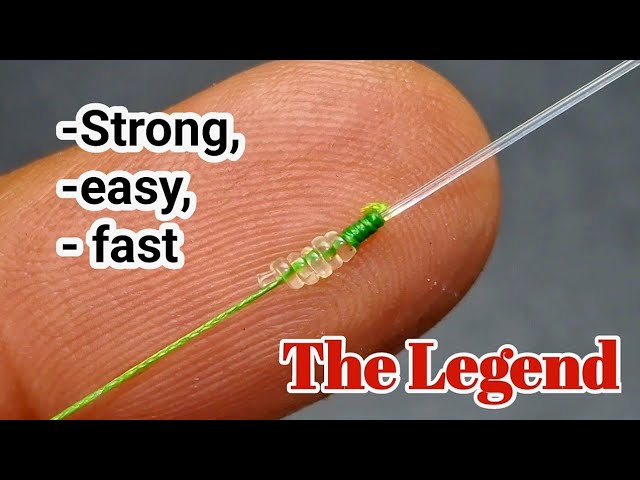
If you’re fishing with different types of lines, knowing how to tie two fishing lines together—especially mono to braid—can make all the difference. Whether you want extra strength or better casting, connecting these lines properly ensures your setup stays strong and reliable.
In this guide, you’ll learn a simple, step-by-step method that anyone can master. Keep reading to make your next fishing trip smoother and more successful.

Credit: www.reddit.com
Choosing The Right Knot
Tying two fishing lines is important for strong connections. Mono and braid lines have different textures. This means you need the right knot for the best hold.
Choosing the right knot helps avoid line slips and breaks. It keeps your fishing setup reliable and safe.
Popular Knots For Mono To Braid
Some knots work better when joining mono to braid lines. These knots hold tightly and are easy to tie. They keep the lines from slipping apart.
- Double Uni Knot
- Albright Knot
- FG Knot
- Blood Knot
The Double Uni Knot is simple and strong. The Albright Knot is good for thick braid to thin mono. The FG Knot is very slim and strong but harder to tie. The Blood Knot works well for similar line sizes.
Strength And Reliability Factors
Strength depends on how well the knot grips the lines. It also depends on the knot’s size and shape. A good knot keeps most of the line’s original strength.
Reliability means the knot stays tied under pressure. It should not slip or loosen easily. Wetting the line before tightening the knot helps it hold better.
- Choose a knot designed for different line types
- Keep knot size small to pass through guides
- Moisten lines before tightening knots
- Test knot strength before fishing

Credit: www.youtube.com
Preparing The Lines
Before tying two fishing lines together, prepare them carefully. Good preparation helps create a strong knot.
Mono and braid lines have different textures. Preparing both lines well makes tying easier and safer.
Trimming And Aligning
Cut the ends of both lines cleanly. Use sharp scissors or a line cutter for a neat cut.
After trimming, place the ends side by side. Align them evenly to avoid uneven knots.
- Trim about 6 inches of each line
- Make sure the ends are straight and clean
- Lay the lines parallel for easy tying
Checking Line Condition
Look for any damage on the lines before tying. Check for frays, cracks, or weak spots.
Using strong, undamaged lines helps avoid breakage while fishing.
- Inspect each line under good light
- Replace lines if they show wear or damage
- Use smooth lines for better knot strength
Step-by-step Knot Tying
Tying two fishing lines together is important for strong connections. Mono to braid knots help join different line types. This guide shows simple steps for three common knots.
Each knot works best in certain situations. Follow the instructions carefully for a secure join. Practice will improve your knot tying skill.
Double Uni Knot Instructions
The Double Uni Knot is easy and strong. It works well for joining mono to braid lines. You tie two uni knots that slide together.
- Overlap the two lines about 6 inches.
- Make a loop with the braided line over the mono.
- Wrap the braid end around both lines 5 times.
- Pass the braid end through the loop and pull gently.
- Repeat the same for the mono line.
- Pull both standing lines to slide the knots together.
- Trim the tag ends close to the knots.
Albright Knot Instructions
The Albright Knot is good for connecting thin braid to thicker mono. It is strong and smooth, passing through guides easily.
- Form a loop with the mono line.
- Insert the braided line through the loop from the front.
- Wrap the braid around both strands of the mono 10 times.
- Pass the braid back through the mono loop at the start.
- Moisten the knot and pull the braid tag end slowly.
- Hold the mono ends and pull tight to close the knot.
- Trim the tag ends close to the knot.
Fg Knot Instructions
The FG Knot is thin and very strong for braid to mono. It needs patience but creates a slim connection that passes guides well.
- Hold the mono line tight and fold the braid line over it.
- Wrap the braid line around the mono line 10 to 12 times.
- Keep the wraps tight and neat along the mono line.
- Pull the braid line end to secure the wraps firmly.
- Tie a few half hitches with the braid tag end around the mono.
- Moisten the knot and pull all ends slowly to tighten.
- Trim the tag ends close to the knot.

Credit: www.reddit.com
Tips For Securing The Knot
Tying two fishing lines, like mono and braid, requires care to hold strong. The knot must not slip or weaken during fishing.
Use proper methods to secure the knot well. This guide covers moistening the lines and tightening techniques for a safe connection.
Moistening The Lines
Moistening the lines before tightening helps reduce friction. This prevents the lines from weakening or breaking under pressure.
- Use saliva or water to wet the knot area.
- Apply moisture evenly on both mono and braid lines.
- Moistening lowers heat created by tightening.
- This protects the lines and keeps the knot secure.
Tightening Techniques
Tighten the knot slowly and evenly to avoid slipping. Pull each line firmly but carefully to set the knot well.
| Action | Reason |
| Pull mono line slowly | Prevents knot from slipping |
| Hold braid line steady | Keeps knot tight |
| Apply steady tension | Secures the knot firmly |
| Check knot after tightening | Ensures no slippage |
Testing Knot Strength
Tying two fishing lines together, especially mono to braid, requires strong knots. Testing knot strength ensures your lines hold under pressure. It’s important for successful fishing trips.
Understanding how to test knots can help you avoid breaks. This guide will cover effective testing methods and what to look out for in weak knots.
Pull Test Methods
A pull test checks if your knot holds. Use a steady pull to test it. Ensure you use even force while pulling the lines apart.
Another method is the weight test. Attach a known weight to your line and lift it slowly. If the knot holds, it passes the test.
- Use gloves for a better grip
- Test knots in dry and wet conditions
- Check knots with different line types
Signs Of Weakness
Weak knots may slip or unravel easily. Look for signs like frayed line ends or loops that tighten unevenly.
Another sign is if the knot moves when pressure is applied. A good knot stays in place and doesn’t shift under stress.
- Check for line cuts or damage
- Inspect knot for loose wraps
- Ensure the knot is compact and neat
Common Mistakes To Avoid
Tying mono to braid fishing lines is simple but easy to mess up. Avoiding common mistakes helps your knot hold strong.
Paying attention to details improves your fishing line connection. Here are mistakes to watch out for.
Improper Line Overlap
Lines must overlap correctly for a secure knot. Too little overlap weakens the connection.
Make sure both lines lie side by side and overlap enough before tying. This stops slipping under pressure.
- Overlap at least 6 inches of both lines
- Keep lines parallel and straight
- Avoid twisting lines during overlap
Skipping Moistening
Dry lines create friction and weaken knots. Moistening lines before tightening helps knots slide smoothly.
Use water or saliva to wet the lines. This reduces heat and stops damage when you pull the knot tight.
- Wet lines before pulling knots tight
- Do not use too much water to avoid slipping
- Moistening prevents line weakening
Uneven Tightening
Pulling one side more than the other makes knots uneven. This can cause weak points or knot failure.
Pull both ends gently and evenly. Tighten slowly to keep the knot balanced and strong.
- Hold both lines firmly
- Pull lines at the same speed
- Stop tightening if knot twists or slips
Maintaining Knots During Fishing
Tying two fishing lines, like mono to braid, needs strong knots. Keeping these knots tight helps avoid losing fish or gear.
Checking and caring for your knots during fishing is important. It keeps your lines secure and your catch safe.
Regular Knot Checks
Check your knots often while fishing. Wet lines and pulling can loosen them over time.
Look for any signs of wear or slipping in the knot. Catch problems early to avoid line breaks.
- Feel the knot for tightness with your fingers
- Look for frayed or damaged line near the knot
- Make sure the knot does not twist or slip
- Test the knot by pulling it gently before casting
Retying When Needed
Retie knots if you find any weakness. A weak knot can cause lost fish or broken gear.
It is better to retie knots often than to risk losing your catch. Use the right knot for mono to braid lines.
- Cut away old knots and damaged line
- Use a knot like the Albright or FG knot for strength
- Moisten the line before tightening the new knot
- Tighten the knot slowly and firmly
Frequently Asked Questions
How Do You Tie Mono To Braid Fishing Lines?
To tie mono to braid, use the Albright knot. It’s strong and reliable for different line types. Wet the lines before tightening. Pull the knot tight gradually to avoid slipping. Trim excess line close to the knot for a neat finish.
What Is The Best Knot For Mono To Braid?
The Albright knot is the best for joining mono to braid. It offers strength and smoothness for casting. This knot handles tension well and resists slipping. It’s simple to learn and widely recommended by anglers.
Can I Use A Double Uni Knot For Mono And Braid?
Yes, the double uni knot works well for mono and braid. It provides a secure connection with good strength. This knot is easy to tie and adjust. It’s ideal for anglers who want a quick, reliable solution.
Why Should I Connect Mono To Braid Lines Properly?
Properly connecting mono to braid ensures line strength and prevents breakage. A strong knot improves casting distance and accuracy. It also helps avoid line tangles and damage. Using the right knot increases fishing success and line durability.
Conclusion
Tying mono to braid lines is easier than it seems. Use the right knot to keep lines strong and secure. Practice a few times to get comfortable with the steps. This skill helps you fish better with different line types.
Keep your knots tight and test them before fishing. Simple methods make your fishing experience smooth and fun. Try these tips next time you prepare your gear. Fishing success often starts with a good knot.