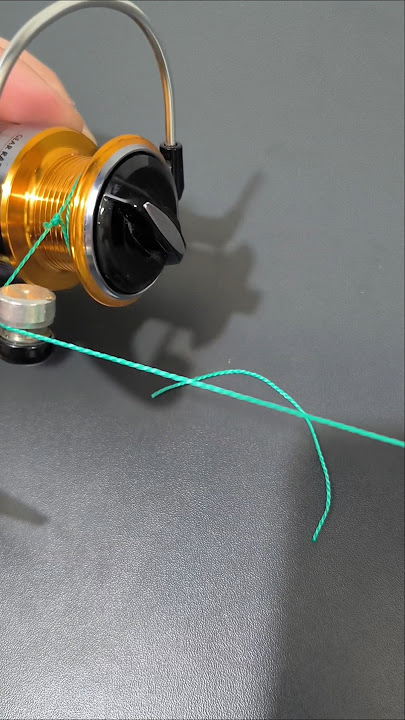
Are you ready to take your fishing game to the next level? Learning how to start fishing line on a reel is one of the simplest yet most important skills you need.
Getting this right means smoother casting, fewer tangles, and a much better experience on the water. Whether you’re a beginner or just want to improve, this guide will show you step-by-step how to set up your reel quickly and easily.
Keep reading, and you’ll be ready to cast like a pro in no time!
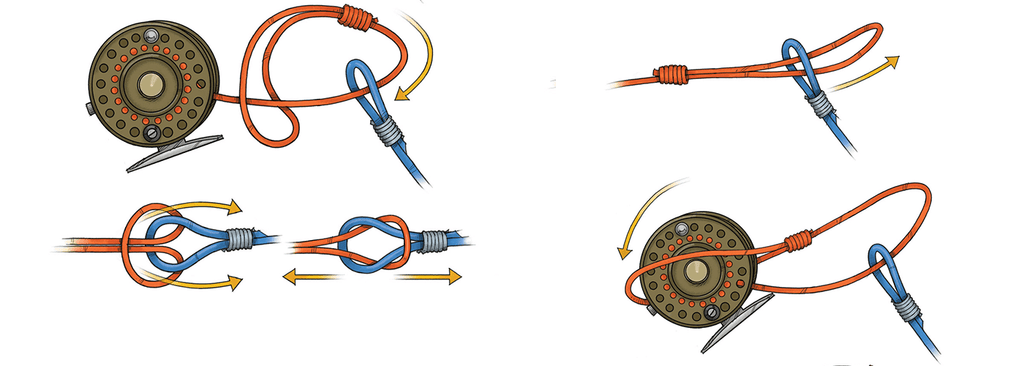
Credit: www.epicflyrods.com
Choosing The Right Reel
Choosing the right reel is important for starting your fishing line correctly. The reel helps you cast and retrieve the line smoothly.
Different reels work best for different fishing styles and fish types. Picking the right one makes fishing easier and more fun.
Types Of Fishing Reels
There are several types of fishing reels. Each type has special features for different uses.
- Spinning Reel:Easy to use and good for beginners.
- Baitcasting Reel:Offers more control and accuracy.
- Spincast Reel:Simple design, good for kids and beginners.
- Fly Reel:Used for fly fishing with special lines.
- Conventional Reel:Strong and used for heavy saltwater fishing.
Each reel type fits different fishing needs. Knowing these helps you choose the best reel for your fishing.
Matching Reel To Fishing Style
Your fishing style decides which reel you should use. Match your reel to how and where you fish.
- If you fish in freshwater and want easy use, pick a spinning or spincast reel.
- If you need better casting control, a baitcasting reel works well.
- For fly fishing, choose a fly reel that handles special lines.
- For heavy or saltwater fishing, a conventional reel is strong and durable.
Choosing a reel that fits your style helps you cast better and enjoy fishing more.
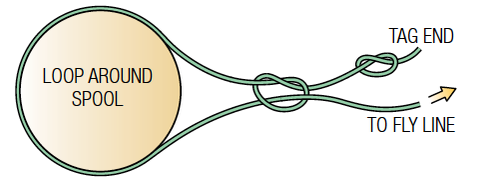
Credit: monsterbass.com
Selecting Fishing Line
Choosing the right fishing line is important for a good fishing experience. The line affects how you cast and catch fish.
There are different types of fishing lines, each with its own uses. Knowing their features helps you pick the best one.
Monofilament Vs. Braided Lines
Monofilament lines are made from a single nylon strand. They stretch more and are easier to handle for beginners.
Braided lines use many thin fibers woven together. They are stronger and thinner but have less stretch.
- Monofilament lines are good for general fishing and float well.
- Braided lines have high strength and last longer.
- Monofilament is easier to tie knots with.
- Braided lines show less memory and resist abrasion.
Line Strength And Thickness
Line strength is measured in pounds and shows how much weight it can hold before breaking.
Thickness affects casting distance and how visible the line is in water. Thicker lines are easier to see but harder to cast far.
- Choose stronger lines for bigger fish.
- Thinner lines help with long casts and less water resistance.
- Balance strength and thickness for your fishing style.
- Check the reel capacity to match your line choice.
Preparing The Reel
Getting your reel ready for fishing is important. A well-prepared reel helps you cast smoothly and catch more fish.
Preparation involves cleaning and checking your reel. These steps ensure your gear works well during fishing trips.
Cleaning The Spool
Dirt and old line can cause problems. Cleaning the spool keeps the line moving smoothly.
Remove the spool and wipe it with a damp cloth. Make sure it is completely dry before reattaching it.
- Check for dirt and debris
- Use a clean, damp cloth
- Dry the spool completely
Checking Reel Components
Inspecting the reel components is essential. This helps you find any damage or wear.
Look for loose screws and check the handle. Make sure the drag system works properly.
- Tighten loose screws
- Test the drag system
- Examine the handle for damage
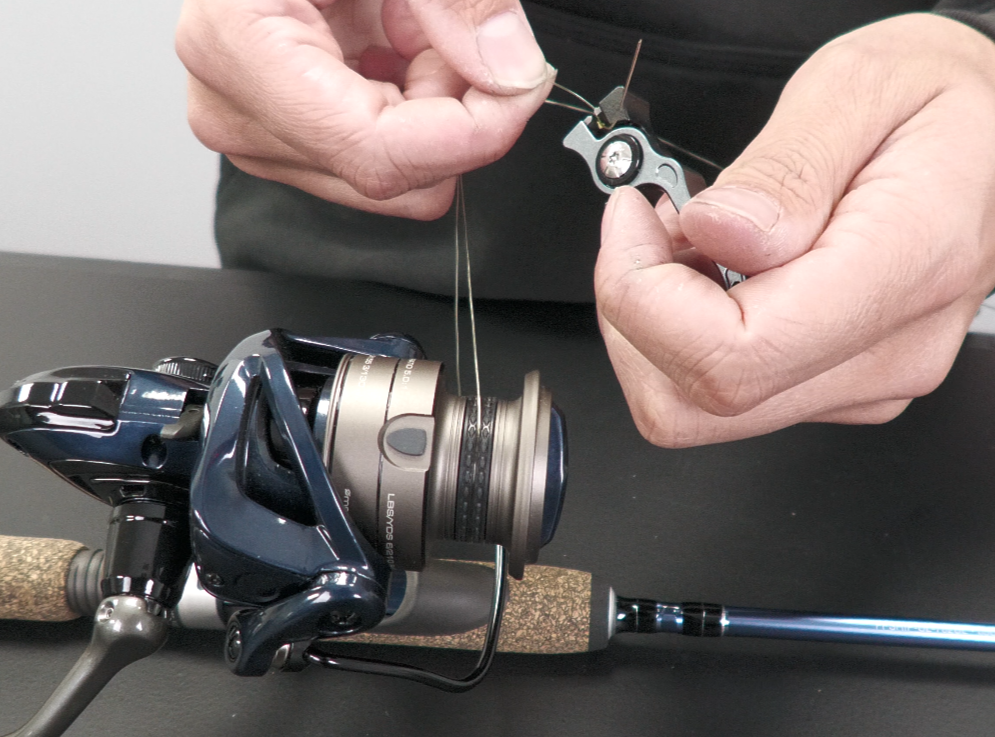
Credit: www.fishusa.com
Attaching The Line To The Reel
Starting your fishing line on a reel is an important skill for a good fishing experience. You need to attach the line securely to avoid losing fish or tangling the line.
This guide explains how to attach the line with the right knot and how to secure it properly on the reel.
Choosing The Right Knot
Picking the right knot helps the line stay strong and tight on the reel. Some knots are easier to tie, while others hold better under pressure.
- Improved clinch knot: Simple and holds well for most lines.
- Palomar knot: Strong and easy to tie with braided lines.
- Uni knot: Versatile and works on many types of fishing lines.
- Arbor knot: Designed specifically to tie line to the reel spool.
Securing The Line Properly
After tying the knot, you must secure the line to avoid slippage and tangles. Proper winding is key to a smooth cast and retrieve.
| Action | Details |
| Attach knot tightly | Pull the knot firmly to hold the line in place. |
| Start winding slowly | Wrap the line evenly around the spool without overlapping. |
| Keep tension | Hold slight tension on the line to avoid loose loops. |
| Fill spool correctly | Stop filling when the line is about 1/8 inch from the spool edge. |
Spooling The Line
Spooling the line on a fishing reel is the first step to get ready for fishing. It means putting the fishing line onto the reel spool.
Doing it right helps you cast better and avoid problems like tangles or line twists.
Maintaining Tension
Keep the line tight while spooling. This stops the line from winding loosely on the reel.
You can hold the line with your fingers or use a cloth to keep it firm as the reel spins.
- Tight line prevents loops and knots
- Maintains smooth line flow during casting
- Helps the line sit evenly on the spool
Avoiding Line Twists
Line twists happen when the line spins freely and loops form. These twists cause tangles and weak spots.
To avoid twists, make sure the line comes off the spool in the same direction that the reel spins.
- Check the line spool direction before spooling
- Use swivel attachments to reduce twists
- Keep the line straight and untangled while spooling
Finishing Touches
After winding the fishing line on your reel, some final steps help ensure smooth fishing. These finishing touches keep the line secure and ready to use.
Properly finishing the line setup prevents tangles and improves casting performance. It is important to complete these tasks carefully.
Trimming Excess Line
Cut off any extra fishing line that extends beyond the reel spool. Leaving too much line can cause tangles when casting.
Use sharp scissors or line cutters to trim the line close to the spool. Leave a small length to tie your lure or hook.
- Trim line about 1/8 inch from the spool edge
- Do not cut too close to avoid slipping
- Keep scissors clean to make a smooth cut
Testing The Setup
Check the line tension by pulling it gently. The line should stay tight without slipping or loosening.
Spin the reel handle a few times to ensure the line winds evenly. Watch for any bunching or gaps on the spool.
- Pull line firmly to test knot strength
- Turn the handle slowly to observe line lay
- Adjust the drag if needed for smooth tension
Frequently Asked Questions
How Do I Start Fishing Line On A Reel?
Begin by threading the line through the rod guides. Tie it securely to the reel spool with an arbor knot. Wind the line evenly onto the spool, keeping tension to prevent tangles. Fill the spool about ¾ full for optimal casting.
What Type Of Line Is Best For Beginners?
Monofilament line is ideal for beginners. It’s affordable, easy to handle, and versatile for various fishing styles. Its stretch reduces the chance of line breaks. Start with 6-12 lb test strength, which suits most freshwater fishing needs.
How Much Fishing Line Should I Put On The Reel?
Fill the reel spool to about 80% capacity. Overfilling causes tangles and underfilling reduces casting distance. Check your reel’s specifications for exact capacity. Proper filling ensures smooth casting and better line management.
Can I Use Braided Line On A Spinning Reel?
Yes, braided line works well on spinning reels. It offers high strength and low stretch. Use a monofilament or fluorocarbon backing to prevent slipping on the spool. This combination improves casting distance and line control.
Conclusion
Starting fishing line on a reel is easier than it seems. Follow each step with care and patience. Choose the right line and secure it tightly on the spool. Keep tension steady while winding to avoid tangles. Practice a few times to gain confidence.
Soon, you will enjoy smooth casting and better fishing trips. Remember, simple preparation leads to better results on the water. Give it a try, and your fishing experience will improve.