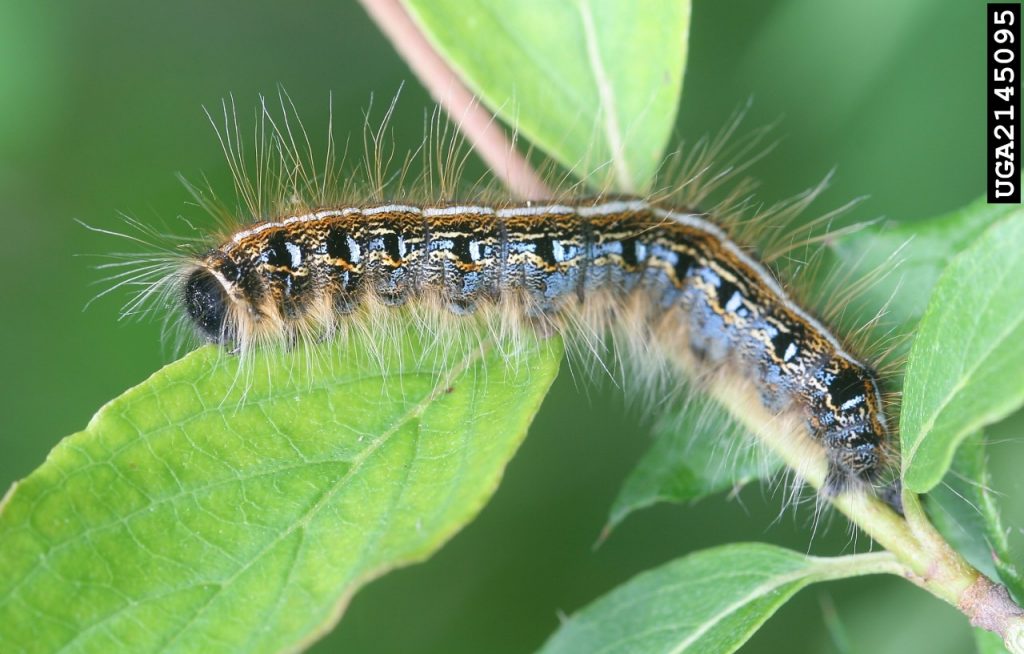
Have you ever noticed strange webs covering the branches of trees in your yard? Chances are, tent caterpillars are behind it.
But what do these tiny creatures actually eat, and why should you care? Understanding their eating habits can help you protect your garden and keep your trees healthy. Keep reading, and you’ll discover exactly what fuels these hungry pests—and how that knowledge can work in your favor.

Credit: medium.com
Tent Caterpillar Diet
Tent caterpillars eat leaves from many types of trees. They live in groups inside silk tents.
Their diet helps them grow fast and prepare for the next stage of life.
Primary Food Sources
Tent caterpillars mainly eat the fresh leaves of trees. They prefer soft, new leaves that are easy to chew.
They avoid old, tough leaves because those have less nutrition and are harder to digest.
- New leaves from deciduous trees
- Young shoots and buds
- Occasionally flowers and small fruits
Preferred Tree Species
Tent caterpillars like certain trees more than others. They often feed on trees that grow in open areas.
These trees provide the best leaves for their growth and survival.
- Cherry trees
- Apple trees
- Crabapple trees
- Maple trees
- Oak trees
Seasonal Feeding Patterns
Tent caterpillars feed mostly in spring. This is when new leaves are soft and fresh.
As the season changes, leaves get tougher and less tasty. Caterpillars stop eating and prepare to become moths.
- Spring: Active feeding on new leaves
- Early summer: Feeding slows as leaves harden
- Late summer: Caterpillars stop eating and pupate
Feeding Behavior
Tent caterpillars are known for their unique feeding habits. They live in groups and eat leaves from trees.
Understanding their feeding behavior helps us see their role in the ecosystem.
Group Feeding Habits
Tent caterpillars feed together in large groups. They build silk tents in tree branches to stay safe.
- They leave the tent to find fresh leaves.
- Group feeding helps protect them from predators.
- They eat mostly young leaves for better nutrition.
Impact On Host Plants
Tent caterpillars can cause damage to trees. Their feeding can lead to leaf loss and reduced growth.
| Host Plant | Type of Damage | Effect |
| Cherry Trees | Leaf defoliation | Weakens tree |
| Apple Trees | Leaf skeletonizing | Reduces fruit yield |
| Maple Trees | Partial leaf loss | Slows growth |
Feeding Times And Duration
Tent caterpillars feed mainly during the day. They leave their tents in the morning and return by evening.
- Feeding lasts for several hours each day.
- They stop feeding at night for safety.
- Feeding duration depends on leaf availability.
Nutritional Needs
Tent caterpillars have specific nutritional needs. They mainly eat leaves to grow and develop.
Their diet plays a crucial role in their life cycle. Understanding what they eat helps us learn about their growth and digestion.
Essential Nutrients
Tent caterpillars need certain nutrients. Leaves provide them with carbohydrates, proteins, and water.
- Carbohydrates give them energy
- Proteins help build their bodies
- Water keeps them hydrated
How Diet Affects Growth
The diet of a tent caterpillar affects its growth. Good food sources help them grow faster and stronger.
Poor nutrition can slow down their development. It may also reduce their chances of survival.
Adaptations For Digestion
Tent caterpillars have unique adaptations for digestion. Their bodies can break down tough leaf material efficiently.
They have strong jaws to chew leaves. Their digestive system extracts nutrients effectively.
- Strong jaws for chewing
- Efficient digestive system
- Ability to process tough leaves
Surprising Food Choices
Tent caterpillars are known for eating leaves from trees. But they also eat plants you might not expect. Their diet can change depending on what is around.
These changes in diet help tent caterpillars survive in different environments. Let’s explore some uncommon plants they eat and how their food choices affect them.
Uncommon Plants Eaten
Tent caterpillars usually feed on cherry and apple trees. Sometimes, they eat other plants that are not common in their diet. These plants include shrubs and wildflowers.
- Blackberry bushes
- Wild roses
- Hawthorn
- Maple leaves
- Willow trees
Effects Of Diet Variation
Changing what they eat can affect tent caterpillars in many ways. Their growth speed and survival rate can change depending on the food quality.
| Food Type | Growth Rate | Survival Chance |
| Cherry leaves | High | High |
| Blackberry leaves | Medium | Medium |
| Willow leaves | Low | Low |
Response To Food Scarcity
When food is hard to find, tent caterpillars try different ways to survive. They may eat plants they usually avoid or eat less to save energy.
- Switch to less preferred plants
- Reduce feeding to slow growth
- Move to new areas with more food
Ecological Role
Tent caterpillars play an important role in nature. They eat leaves from trees and affect forest growth. Their feeding helps shape the forest environment.
These insects also interact with many other species. They serve as food and influence the balance of life in forests.
Impact On Forest Ecosystems
Tent caterpillars mainly eat leaves from trees like cherry and apple. Their feeding can reduce leaf cover. This can slow tree growth but also helps recycle nutrients.
- Leaf consumption speeds up leaf fall.
- Dead leaves improve soil quality.
- Reduced leaves allow more sunlight to reach small plants.
- This changes which plants grow under the trees.
Interactions With Other Species
Tent caterpillars are food for many animals. Birds and small mammals eat them. Parasites also live on or inside them, controlling their numbers.
| Species Type | Relationship with Tent Caterpillars |
|---|---|
| Birds | Feed on caterpillars to gain energy. |
| Parasitoid Wasps | Lay eggs in caterpillars, limiting population. |
| Small Mammals | Hunt caterpillars as a protein source. |
| Trees | Provide leaves as food for caterpillars. |
Role In Food Chain
Tent caterpillars are herbivores. They eat leaves and are eaten by many animals. This makes them a key link in the food chain.
- Tent caterpillars eat leaves from trees.
- Birds and small mammals eat the caterpillars.
- Predators of birds and mammals depend on this energy transfer.
- This flow keeps forest ecosystems balanced and healthy.
Credit: blog.globaloutdoors.com
Credit: www.brodybrotherspestcontrol.com
Frequently Asked Questions
What Do Tent Caterpillars Primarily Eat?
Tent caterpillars mainly feed on the leaves of deciduous trees. They prefer cherry, apple, and oak trees, consuming fresh foliage during spring.
Can Tent Caterpillars Eat Fruit Tree Leaves?
Yes, tent caterpillars often eat leaves of fruit trees like apple and cherry. They can cause significant defoliation if populations are high.
Do Tent Caterpillars Eat Evergreen Tree Leaves?
No, tent caterpillars rarely eat evergreen tree leaves. They primarily target broadleaf deciduous trees for food and habitat.
How Does Caterpillar Diet Affect Tree Health?
Tent caterpillars can defoliate trees, reducing photosynthesis. Heavy feeding weakens trees but usually does not kill mature trees.
Conclusion
Tent caterpillars mainly eat leaves from trees like cherry, apple, and oak. They prefer fresh, green leaves that provide nutrients for growth. These insects can eat large amounts quickly, sometimes harming trees. Watching their feeding habits helps understand their impact on gardens.
Knowing what they eat can guide ways to protect plants. Controlling their numbers keeps trees healthy and strong. Nature balances caterpillars and plants over time. Observing this helps gardeners care for their trees better.