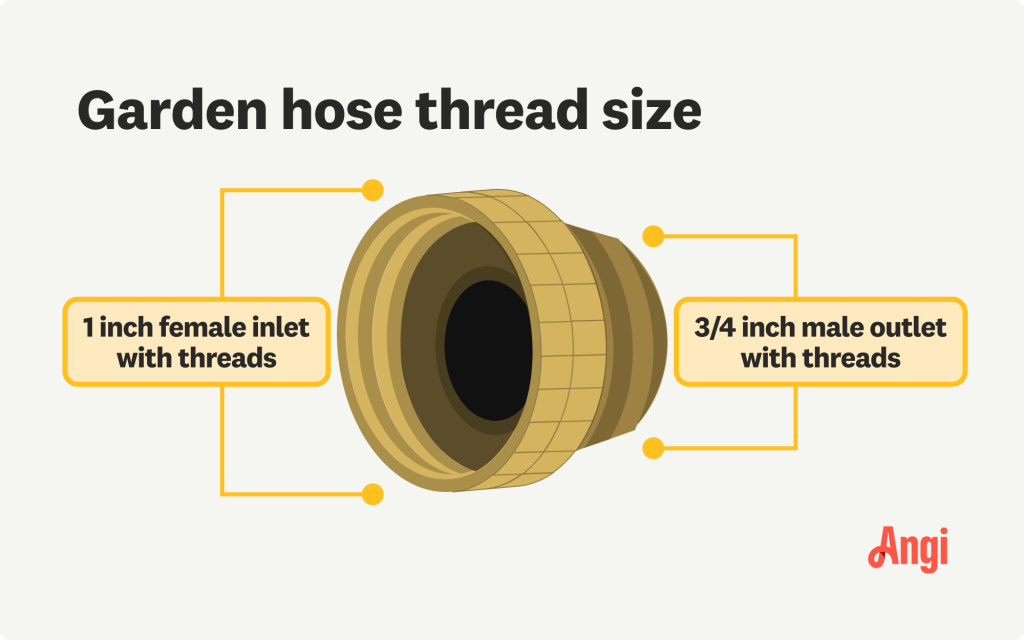
Are you struggling to find the right garden hose fittings for your outdoor tasks? Knowing the correct size can save you time, money, and frustration.
Whether you’re watering plants, washing your car, or connecting a sprinkler, using the wrong fitting can cause leaks or make your hose useless. You’ll discover exactly what size garden hose fittings come in and how to choose the perfect one for your needs.
Keep reading to make sure your garden hose works smoothly every time.
Credit: www.walmart.com
Common Garden Hose Sizes
Garden hose fittings come in different sizes to fit various hoses and connectors. Knowing the right size helps you avoid leaks and connection problems.
This guide covers the common sizes and how measurements differ between systems.
Standard Diameter Options
The most common garden hose diameters are 1/2 inch, 5/8 inch, and 3/4 inch. Each size fits different watering needs.
- 1/2 inch: Used for light watering tasks and small gardens.
- 5/8 inch: The most popular size for general garden use.
- 3/4 inch: Best for heavy watering and long hoses.
Metric Vs Imperial Measurements
Garden hose fittings use either metric or imperial measurements. The imperial system uses inches, while metric uses millimeters.
| Measurement System | Common Sizes | Example |
| Imperial | 1/2 inch, 5/8 inch, 3/4 inch | 5/8 inch hose |
| Metric | 12 mm, 16 mm, 19 mm | 16 mm hose |
Types Of Garden Hose Fittings
Garden hose fittings connect hoses to water sources or other hoses. They come in different types and sizes to fit various needs. Choosing the right fitting helps water flow smoothly and prevents leaks.
Understanding the common types of garden hose fittings makes it easier to pick the correct one. The most popular types include threaded fittings, quick connect fittings, and compression fittings.
Threaded Fittings
Threaded fittings use screw threads to connect hoses. They are the most common type of garden hose fitting. The threads create a tight seal when twisted together.
Most garden hoses use a standard thread size of 3/4 inch. This size fits most outdoor faucets and accessories. Threaded fittings are durable and easy to find.
Quick Connect Fittings
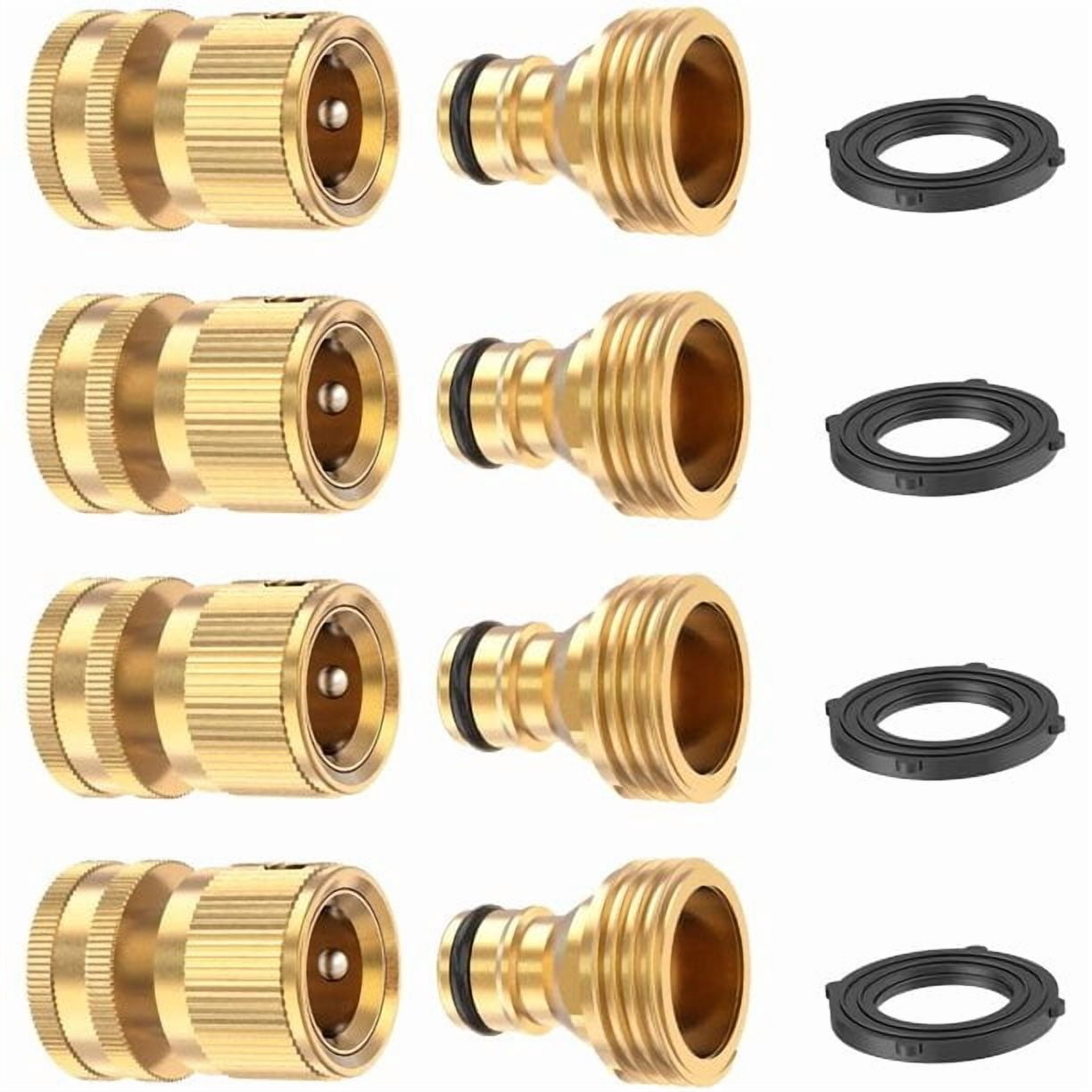
Quick connect fittings allow you to attach and detach hoses fast. They use a snap or click mechanism instead of screw threads. This saves time during garden work.
These fittings usually have two parts: a male end and a female end. They fit standard 3/4 inch hoses and faucets. Quick connect fittings are popular for their convenience.
Compression Fittings
Compression fittings use a ring to seal the connection. When you tighten the fitting, the ring compresses around the hose. This makes a strong, leak-free joint.
These fittings work well with different hose sizes. They require tools to install but offer a secure hold. Compression fittings are good for permanent setups.
Measuring Hose Fittings
Understanding the size of garden hose fittings is essential for a perfect fit. This guide will help you measure them correctly.
Accurate measurements ensure that the fittings work seamlessly with your hose and other attachments. Let’s dive into the tools and steps needed.
Tools Needed
Before you start measuring, gather the necessary tools. Having these on hand makes the process easier and more precise.
- Tape Measure
- Caliper
- Ruler
- Pen and Paper
Step-by-step Measurement Guide
Follow these steps to measure your garden hose fittings accurately. Each step ensures you get the correct size for your needs.
- Use the tape measure to find the diameter of the fitting.
- Measure the inside and outside diameters separately.
- Use a caliper for more precise measurement if needed.
- Record the measurements on paper for future reference.
Matching Fittings To Hose Sizes
Garden hose fittings come in different sizes to fit various hoses. Choosing the right fitting size is important for a good water flow.
Most garden hoses use standard sizes, but you must check your hose before buying fittings. This helps avoid leaks and loose connections.
Ensuring A Secure Connection
To keep water from leaking, the fitting must match the hose size exactly. A tight fit stops water from escaping.
Use hose clamps or threaded fittings to hold the connection in place. This adds strength and prevents the hose from slipping off.
- Measure the hose diameter before buying fittings.
- Use fittings made for your hose size.
- Tighten clamps or screws firmly.
- Check connections regularly for leaks.
Common Compatibility Issues
Some hoses and fittings look similar but do not fit well. This causes leaks or parts falling off.
Using the wrong size can damage the hose end or fitting threads. This lowers the life of your hose setup.
- Mixing metric and standard sizes can cause problems.
- Old hoses may have worn ends, making fitting hard.
- Cheap fittings may not match exact hose sizes.
- Always check hose and fitting labels before purchase.
Material Choices For Fittings
Garden hose fittings come in different materials. Each material has its own benefits and uses.
Choosing the right material helps your hose last longer and work better.
Brass
Brass fittings are strong and last a long time. They resist rust and corrosion well.
They work well in hot and cold weather. Brass is a popular choice for many gardeners.
- Durable and long-lasting
- Resists rust and corrosion
- Good for all weather types
- Heavier than plastic fittings
Plastic
Plastic fittings are lightweight and easy to use. They cost less than brass or steel.
They may crack in cold weather or break if handled roughly. Plastic is best for light use.
- Lightweight and affordable
- Can crack in cold weather
- Good for light gardening tasks
- Not as strong as metal fittings
Stainless Steel
Stainless steel fittings are very strong and resist rust well. They last a long time outdoors.
These fittings handle high pressure better. They are heavier and cost more than plastic.
- Very strong and durable
- Resists rust and corrosion
- Handles high water pressure
- Heavier and more expensive
Tips For Choosing The Right Fitting
Choosing the right garden hose fitting ensures a secure connection. It helps prevent leaks and makes watering easier.
Different fittings come in various sizes and materials. Knowing what to look for saves time and effort.
Durability Considerations
Durability matters for hose fittings because they face water pressure and weather. Materials like brass and stainless steel last longer than plastic.
- Choose brass for strong, rust-resistant fittings.
- Plastic fittings are cheaper but may break easily.
- Check if the fitting has a corrosion-resistant coating.
- Look for fittings with reinforced threads for a tight seal.
Ease Of Installation
| Type of Fitting | Installation Ease | Tools Needed |
| Quick Connect | Very easy, snaps on | No tools |
| Threaded Brass | Moderate, requires screwing | Wrench |
| Plastic Push-to-Connect | Easy, pushes on | No tools |
| Compression Fitting | Harder, tightens with nut | Wrench |
Select fittings that match your skill level and available tools. Quick connect fittings suit beginners. Threaded fittings need a wrench but provide a strong hold.
Maintaining And Replacing Hose Fittings
Garden hose fittings connect your hose to water sources or other hoses. Keeping them in good shape helps your garden stay healthy. Knowing when to replace fittings saves water and prevents leaks.
Using the right size fittings is key. Most garden hoses use 3/4 inch fittings. Let’s look at signs of wear and how to replace them properly.
Signs Of Wear
Worn hose fittings can cause leaks and reduce water flow. Check your fittings often for damage. Common signs include cracks, rust, and loose connections.
- Visible cracks or splits in the fitting
- Rust or corrosion on metal parts
- Water leaks at connection points
- Difficulty tightening or loosening fittings
- Wobbly or loose fittings on the hose
Proper Replacement Techniques
Replacing hose fittings is simple with the right tools and steps. Use the correct size to avoid leaks. Most garden hoses use 3/4 inch fittings, but check yours before buying.
| Step | Action |
| 1 | Turn off water and drain the hose |
| 2 | Remove the old fitting by unscrewing or cutting it off |
| 3 | Clean the hose end to remove dirt or debris |
| 4 | Insert the new fitting and tighten securely |
| 5 | Test the hose for leaks by turning water on slowly |

Credit: www.aliexpress.com

Credit: www.amazon.com
Frequently Asked Questions
What Are The Standard Garden Hose Fitting Sizes?
The most common garden hose fitting size is 3/4 inch diameter. This size fits most residential hoses and outdoor faucets. Some hoses may use 5/8 inch or 1/2 inch fittings, but 3/4 inch is standard for compatibility and water flow.
How To Measure Garden Hose Fitting Size Accurately?
To measure a garden hose fitting, use a ruler or caliper. Measure the inside diameter of the hose end or the outside diameter of the fitting threads. Accurate measurement ensures you choose compatible connectors and avoid leaks or poor water pressure.
Can I Use Adapters For Different Hose Fitting Sizes?
Yes, adapters allow connecting hoses with different fitting sizes. They convert 1/2 inch to 3/4 inch or other sizes. Adapters ensure compatibility between varied hoses, faucets, or sprinklers, maintaining a secure and leak-free connection.
Why Is 3/4 Inch Garden Hose Fitting Common?
3/4 inch fittings balance water flow and pressure for home gardening needs. They fit most outdoor faucets and standard hoses. This size supports efficient watering without excessive hose stiffness or weak flow, making it popular among homeowners.
Conclusion
Garden hose fittings come in different sizes to fit various hoses and tools. Knowing the right size helps avoid leaks and makes watering easier. Most common sizes include 5/8 inch and 3/4 inch fittings. Check your hose before buying connectors or accessories.
Properly matched fittings save time and prevent frustration. Keep these basics in mind for a smooth gardening experience. Simple size knowledge can improve how you water plants. Stay prepared and enjoy your garden work without hassle.