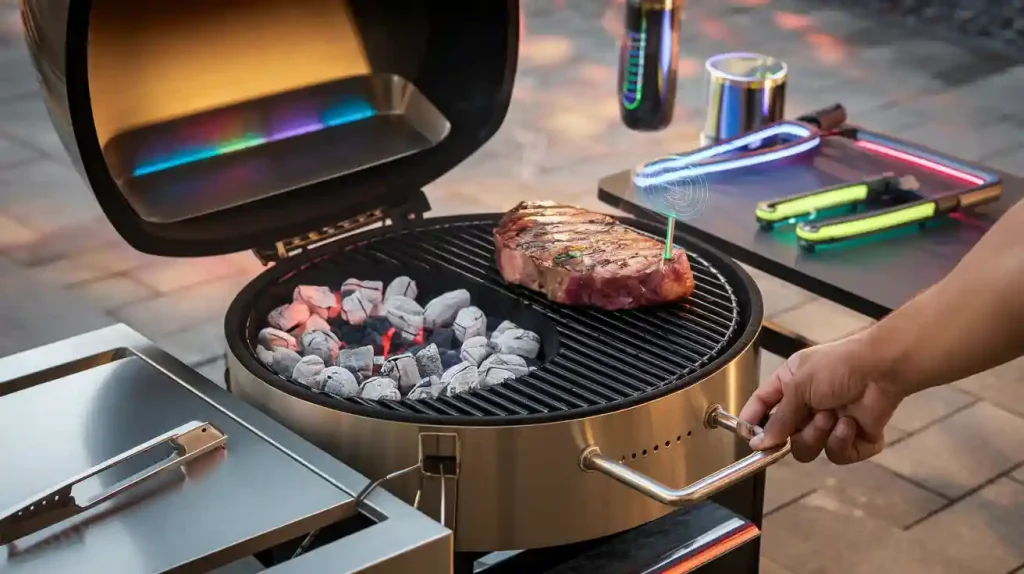
You’ve got your charcoal grill ready, but do you know the secret to making it perform at its best? Seasoning your grill is the key to unlocking richer flavors and preventing rust, so every cookout feels like a pro’s masterpiece.
If you want juicy, perfectly grilled food and a grill that lasts for years, this guide is made just for you. Keep reading to discover simple steps that will transform your grill—and your grilling experience—forever.
Preparing Your Grill
Seasoning a charcoal grill starts with good preparation. You must clean and check your grill before use.
This helps your food cook better and keeps the grill in good shape for longer.
Cleaning The Grates
Cleaning the grates removes old food and ash. It stops flavors from mixing and prevents rust.
- Heat the grill to burn off residue
- Use a grill brush to scrub the grates
- Wipe the grates with a damp cloth
- Let the grates dry before seasoning
Checking For Rust
Rust can damage your grill and affect the taste of your food. Check all metal parts carefully.
| Area | What to Look For | Action Needed |
| Grates | Flaky or rough patches | Scrub and apply oil |
| Body | Rust spots or holes | Sand and paint if small |
| Handles | Loose or rusty screws | Tighten or replace |
Gathering Necessary Tools
Having the right tools makes seasoning easier and safer. Prepare all items before you start.
- Grill brush for cleaning
- Heat-resistant gloves
- High-smoke point oil (like vegetable or canola oil)
- Paper towels or cloths
- Long-handled tongs

Credit: www.farmboy.ca
Choosing The Right Seasoning
Seasoning a charcoal grill helps protect it and improves cooking. Using the right seasoning makes your grill last longer.
Choosing the best oil and avoiding bad coatings are key steps. These choices keep your grill safe and easy to use.
Types Of Oils To Use
Use oils that can handle high heat without burning. These oils create a strong, protective layer on your grill.
- Vegetable oil: common and easy to find
- Canola oil: good for high temperatures
- Grapeseed oil: has a high smoke point
- Flaxseed oil: makes a hard, durable coating
Avoid oils that burn easily. They can create sticky or bad smells on your grill.
Avoiding Harmful Coatings
Some coatings can harm your grill or food. Stay away from sprays or oils with added chemicals.
- Do not use cooking sprays with additives
- Avoid oils with artificial flavors or colors
- Do not use non-food safe products
- Skip oils that leave a sticky residue
Choose natural oils that protect your grill and keep food safe. Clean your grill well before seasoning.
Seasoning Process
Seasoning a charcoal grill helps create a non-stick surface. It also protects the grates from rust and adds flavor to your food.
This process is simple but important for every grill owner. Follow these steps to season your grill correctly.
Applying Oil To The Grates
Start by cleaning the grill grates well. Then, apply a thin layer of cooking oil to the grates. Use an oil with a high smoke point like vegetable or canola oil.
- Use a cloth or paper towel to spread the oil.
- Wear heat-resistant gloves to protect your hands.
- Make sure to cover all grill grate surfaces evenly.
Heating The Grill Properly
After oiling, light your charcoal grill. Let it heat until it reaches a high temperature. This helps the oil bake into the metal grates.
| Temperature | Time | Purpose |
|---|---|---|
| 400-500°F (204-260°C) | 30-45 minutes | Allows oil to polymerize and coat grates |
| Cool down | 1 hour | Sets the seasoning layer |
Repeating The Seasoning Steps
To build a strong seasoning layer, repeat the oiling and heating process several times. This will improve the grill’s non-stick surface and protect it better.
- Apply a thin coat of oil on the cooled grates.
- Heat the grill to high temperature again.
- Let it cool completely before the next round.
- Repeat these steps 3 to 4 times for best results.

Credit: www.chargriller.com
Maintaining Seasoned Grates
Seasoning your charcoal grill grates is important. It keeps food from sticking and prevents rust. Proper maintenance will extend the life of your grill.
Regular care helps maintain the seasoning on the grates. This ensures a good grilling experience every time you cook.
Regular Cleaning Tips
Clean your grill grates after each use. This keeps them in top condition. Use a wire brush to remove food particles.
Do not use harsh chemicals. They can strip away the seasoning. Warm water and mild soap work well.
- Brush grates while they are still warm
- Use a damp cloth for a gentle clean
- Avoid using abrasive tools
Re-seasoning Frequency
Re-season your grill grates regularly. This keeps them in good shape. A light coat of oil will do.
Re-season every few months or after heavy use. This helps maintain the protective layer.
- Apply oil when grates cool down
- Use vegetable or canola oil
- Heat grill for 15 minutes after oiling
Storage Advice
Store your grill properly during off-seasons. This prevents damage and rust. Keep it covered and in a dry place.
Remove and store grates indoors if possible. This protects them from moisture.
- Use a grill cover
- Store in a shed or garage
- Keep away from rain and snow
Enhancing Flavor With Seasoned Grill
Seasoning a charcoal grill adds layers of flavor to your food. It creates a smoky taste that many enjoy.
Learning how to season your grill correctly can improve every cookout. This guide covers simple ways to boost flavor.
Tips For Better Smoke Flavor
Use dry charcoal to keep smoke clean and clear. Wet charcoal can create bitter smoke that ruins taste.
- Light the charcoal fully before cooking
- Keep vents open for good airflow
- Add wood chips early for steady smoke
- Clean grill grates to avoid old flavors
Using Wood Chips And Charcoal
Wood chips change the smoke flavor. Different woods add unique tastes to your food.
| Wood Type | Flavor Profile |
| Hickory | Strong, bacon-like |
| Apple | Sweet and mild |
| Mesquite | Bold and earthy |
| Cherry | Fruity and sweet |
Charcoal briquettes burn longer but add less flavor. Lump charcoal burns hotter and tastes cleaner.
Avoiding Common Flavor Mistakes
Too much smoke can make food bitter. Watch the amount of wood chips you add.
Keep these points in mind:
- Do not use lighter fluid near food
- Clean ashes regularly
- Do not overload the grill with charcoal
- Let the grill heat fully before cooking
Credit: hexclad.com
Frequently Asked Questions
How Often Should I Season My Charcoal Grill?
Season your charcoal grill before first use and every few months. Regular seasoning prevents rust and improves cooking performance.
What Oils Are Best For Seasoning A Charcoal Grill?
Use high-smoke point oils like vegetable, canola, or flaxseed oil. These oils create a durable, non-stick coating on grill grates.
Can I Season My Charcoal Grill With Leftover Cooking Oil?
Avoid using leftover cooking oil as it may contain food residues. Use clean, fresh oil to ensure proper seasoning and avoid unpleasant flavors.
How Long Does Seasoning A Charcoal Grill Take?
Seasoning usually takes about 30 to 60 minutes, including heating and oil application. Proper heat helps the oil bond to the grill surface.
Conclusion
Seasoning a charcoal grill keeps it clean and ready to cook. Heat the grill well before adding oil to protect it from rust. Use a high-smoke-point oil for best results. Repeat the process to build a strong, non-stick surface. Regular care helps the grill last longer and cook better.
Enjoy tasty meals with a well-seasoned grill every time. Simple steps, great results.