Have you ever wondered how to catch more fish using a lure? Fishing with a lure can be exciting and rewarding, but it takes more than just casting your line.
You need to know the right techniques, the best lures to use, and how to make your lure look alive in the water. Imagine the thrill of feeling a tug on your line and reeling in a big catch. You’ll discover simple tips and tricks that can turn your fishing trips into unforgettable moments.
Ready to learn how to fish with a lure like a pro? Keep reading, and you’ll be casting with confidence in no time.

Credit: www.youtube.com
Choosing The Right Lure
Fishing with a lure can be fun and effective. Picking the right lure helps catch more fish.
This guide explains how to choose lures based on type, fish species, color, and size.
Types Of Fishing Lures
Different lures work in different ways. Each type imitates fish or prey in the water.
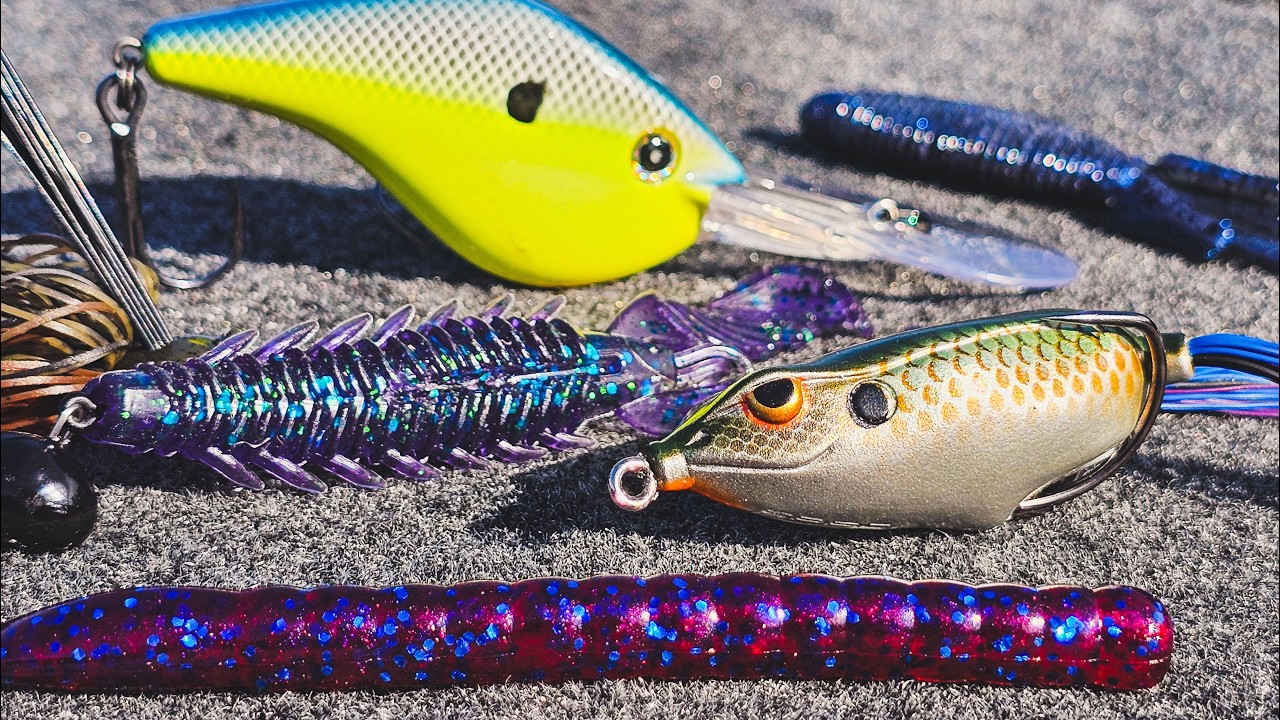
- Spinnerbaits: These spin and flash to attract fish.
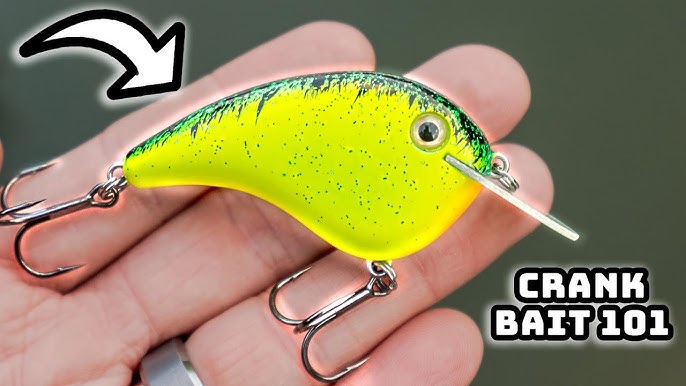
- Crankbaits: These dive and swim like small fish.
- Soft Plastics: These look and move like worms or small creatures.
- Jigs: These sink and bounce to mimic injured prey.
- Spoons: These wobble and flash to draw attention.
Matching Lures To Fish Species
Each fish prefers different types of prey. Use lures that look like their food.
For example, bass like moving lures. Trout often go for small, natural-looking lures.
- Bass: Use spinnerbaits, crankbaits, and jigs.
- Trout: Use small spoons and soft plastics.
- Pike: Use large spoons and big crankbaits.
- Walleye: Use jigs and soft plastics near the bottom.
Color And Size Selection
Color and size affect how fish see your lure. Match them to the water and weather.
Bright colors work well in murky water. Natural colors are best in clear water.
- Use small lures for small fish and clear water.
- Choose bigger lures to attract big fish.
- Bright colors like chartreuse and orange show well in cloudy water.
- Natural colors like brown and green blend in clear water.
Credit: www.youtube.com
Essential Fishing Gear
Fishing with a lure needs the right equipment to catch fish well. Good gear helps you cast and control the lure easily.
Knowing what gear to use makes fishing more fun and successful. Here are the main tools you need.
Rods And Reels For Lure Fishing
Choose a rod that feels light but strong. Medium action rods work well for many lures. The reel should match the rod and hold enough line.
Spinning reels are popular for lure fishing. Baitcasting reels give more control for skilled anglers. Make sure the reel is smooth to use.
Line Types And Strength
- Monofilament: Stretchy and easy to handle, good for beginners.
- Fluorocarbon: Hard to see in water, sinks faster than other lines.
- Braid: Very strong and thin, best for heavy cover fishing.
Pick line strength based on the fish size. Use lighter lines for small fish and stronger lines for big fish.
Additional Tools And Accessories
| Tool | Use |
|---|---|
| Tackle Box | Keep lures and hooks organized |
| Fishing Pliers | Remove hooks safely from fish |
| Line Clippers | Cut fishing line cleanly |
| Landing Net | Help catch fish without losing them |
| Hook Remover | Take hooks out without harm |
Lure Fishing Techniques
Lure fishing is an exciting way to catch fish. It involves using artificial baits called lures. These lures mimic the movement of real fish or prey. Knowing the right techniques can improve your success in lure fishing.
Different methods and styles can be used to attract fish. Understanding these techniques will help you become a better angler.
Casting Methods
Casting is important in lure fishing. It allows you to place the lure where the fish are. Practice makes perfect when learning to cast.
Try different casting techniques. Overhead casts are common and easy. Sidearm casts are useful in windy conditions or tight spaces.
- Overhead cast for distance
- Sidearm cast for accuracy
- Roll cast for small areas
Retrieving Styles
Retrieving is how you bring the lure back after casting. Varying the retrieve style can attract different fish species. It’s important to find the right speed and movement.
Experiment with slow and fast retrieves. A steady retrieve keeps the lure moving smoothly. A jerky retrieve can mimic a wounded fish.
- Steady retrieve for calm waters
- Jerky retrieve to mimic injured prey
- Stop and go for curious fish
Using Action And Speed To Attract Fish
Action and speed are crucial in lure fishing. They determine how the lure behaves in the water. Fish are attracted to lures that move like real prey.
Adjust the speed of your retrieve. Quick movements can excite active fish. Slow movements are better for lazy fish or cooler waters.
- Fast action for aggressive fish
- Slow action for cautious fish
- Variable speed to test fish interest
Best Locations For Lure Fishing
Lure fishing can be exciting in many places. Knowing the right spots helps catch more fish.
This guide covers freshwater, saltwater, and how seasons affect lure fishing locations.
Freshwater Spots
Lakes, rivers, and reservoirs offer great chances to use lures. Look for areas with plants and structures.
- Shallow waters near weed beds
- Rocky riverbanks with fast currents
- Underwater ledges and drop-offs
- Near fallen trees or submerged logs
Saltwater Hotspots
Coastal areas and estuaries hold many fish. Use lures near structures and moving water.
| Location Type | Why It Works |
| Rocky Shorelines | Fish hide in cracks and crevices |
| Reefs | Abundant food attracts predators |
| Mouths of Rivers | Fresh and saltwater mix draws fish |
| Sand Flats | Small fish gather here |
Seasonal Considerations
Fish behavior changes with seasons. Choose spots based on the time of year.
Here are good places by season:
- Spring:Shallow waters where fish spawn
- Summer:Deep cool spots during hot days
- Fall:Areas with falling leaves and baitfish
- Winter:Slow waters where fish stay active
Tips For Catching Big Fish
Fishing with a lure can be exciting and rewarding. Big fish need different tactics than small ones.
Understanding water and fish behavior helps you find the best spots. Adjusting your methods and staying patient improves success.
Reading Water And Fish Behavior
Look for changes in water temperature and currents. Big fish like areas with good oxygen and food flow.
- Spot areas with underwater structures like rocks or fallen trees
- Watch for surface ripples or fish jumping
- Notice where smaller fish gather; big fish often hunt there
Adjusting Techniques For Bigger Targets
Big fish need bigger lures and slower retrieval. Change your lure type and speed based on the fish’s response.
| Technique | Why It Works |
| Use large, natural-colored lures | Big fish spot and trust these lures more |
| Slow your lure movement | Big fish follow slower targets to conserve energy |
| Vary retrieval speed | Triggers strikes when fish lose interest |
Patience And Persistence Strategies
Big fish are cautious and may not bite quickly. Stay calm and keep trying different spots and techniques.
Try these tips for better results:
- Take breaks to avoid spooking fish
- Change lure colors and sizes often
- Observe fish reactions and adjust your approach
- Fish during early morning or late evening
Common Mistakes To Avoid
Fishing with a lure can be fun but tricky. Many anglers make simple errors that stop them from catching fish.
Knowing what mistakes to avoid helps improve your chances and makes fishing more enjoyable.
Wrong Lure Choices
Choosing the wrong lure is a common problem. Using a lure that does not match the fish type or water conditions lowers your success.
- Using a large lure for small fish can scare them away.
- Bright colored lures in clear water may look unnatural.
- Using slow-moving lures in fast water can reduce bites.
- Ignoring local fish habits when picking lure size and color.
Improper Casting And Retrieval
Wrong casting or retrieval can waste time and reduce catches. Casting too far or too short limits lure effectiveness.
| Common Casting Errors | Effects |
| Casting too close | Spooks fish near shore |
| Casting too far | Less control over lure |
| Improper retrieval speed | Fish lose interest |
| Jerky retrieval | Unnatural lure movement |
Ignoring Environmental Factors
Fish behavior changes with weather, water, and time. Ignoring these factors leads to poor results.
- Not adjusting lure color in murky or clear water.
- Fishing without checking water temperature or current.
- Using the same technique at different times of day.
- Ignoring wind direction that affects casting and lure movement.
Maintenance And Care For Lure Gear
Proper care keeps your fishing lures working well for a long time. Regular maintenance protects your gear from damage.
Taking simple steps helps you save money and catch more fish. Learn how to clean, store, and inspect your lures.
Cleaning And Storage Tips
Clean your lures after every fishing trip. Saltwater and dirt can cause rust and damage.
Store lures in a dry, cool place. Keep them separated to avoid tangles and scratches.
- Rinse lures with fresh water
- Dry lures completely before storage
- Use tackle boxes with compartments
- Avoid storing lures in direct sunlight
Preventing Damage And Wear
Handle lures gently to prevent bending hooks or breaking parts. Check hooks for sharpness often.
Use pliers to remove lures from fish carefully. Avoid dropping lures on hard surfaces to keep them intact.
- Inspect hooks and split rings regularly
- Replace dull hooks to keep effectiveness
- Do not force lures into tight spaces
- Keep lures away from extreme heat
When To Replace Lures
Replace lures if they are cracked, faded, or bent. Damaged lures catch fewer fish and can break easily.
Also change lures if hooks are rusty or broken. Using fresh gear improves your chance of a good catch.
- Cracks in the lure body
- Faded colors that reduce attraction
- Bent or broken hooks
- Rusty or corroded metal parts

Credit: www.reddit.com
Frequently Asked Questions
What Types Of Lures Are Best For Fishing?
The best lures depend on target fish and water conditions. Common types include crankbaits, spinnerbaits, jigs, and soft plastics. Each mimics different prey, attracting specific fish species effectively.
How Do You Choose The Right Fishing Lure?
Choose a lure based on fish species, water clarity, and weather. Bright colors work in murky water; natural colors suit clear water. Also, consider lure size and action for better results.
What Is The Proper Technique For Fishing With A Lure?
Cast your lure near fish habitats like rocks or weeds. Use varied retrieval speeds and pauses to mimic prey movement. Experiment until you find what triggers fish to strike.
When Is The Best Time To Fish With A Lure?
Early morning and late evening are prime times. Fish are more active and feed near the surface. Overcast days also improve lure success due to lower light levels.
Conclusion
Fishing with a lure takes practice and patience. Choose the right lure for your fish type. Cast your line and watch the lure’s movement. Vary your speed to attract attention. Keep your rod tip up and stay alert. Enjoy the calm and excitement of fishing.
Each trip teaches you something new. Try different techniques to find what works best. Fishing with a lure can be fun for everyone. Keep practicing, and your skills will grow over time.