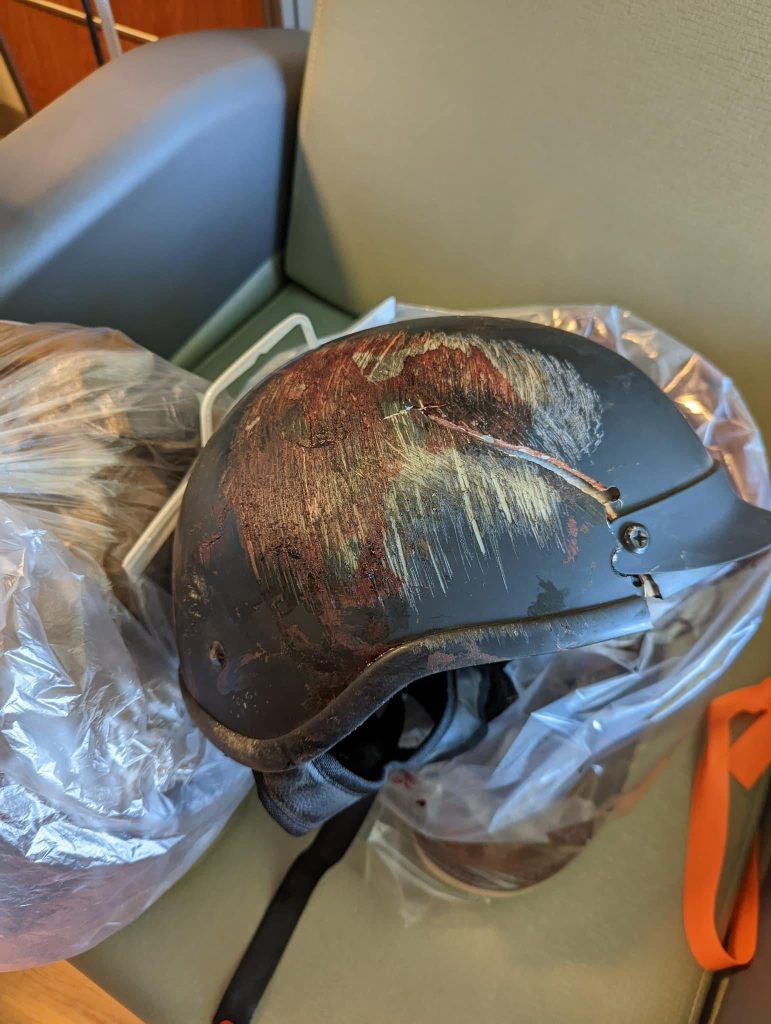
Your bike helmet is your most important safety gear, but do you know when it’s time to replace it? Using a helmet past its prime can put you at serious risk.
You might think your helmet looks fine on the outside, but damage you can’t see could be compromising your protection. You’ll discover how often you should replace your bike helmet to stay safe every time you ride. Keep reading to protect yourself and make the smartest choice for your safety.
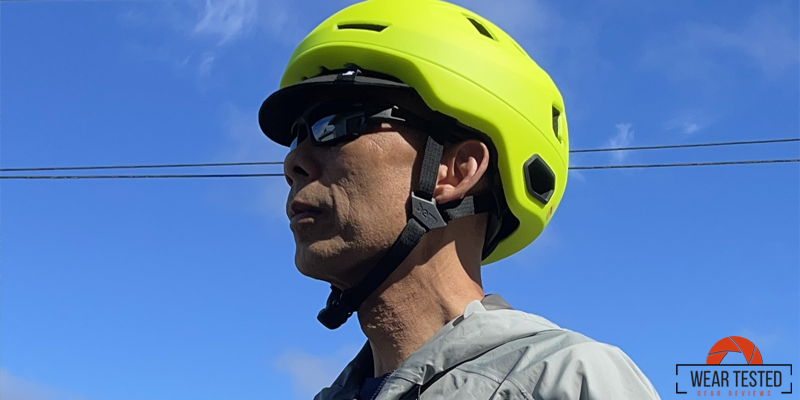
Credit: bernhelmets.com
Helmet Lifespan
Bike helmets protect your head during rides. They wear out over time and need replacement.
Knowing when to replace your helmet keeps you safe on every ride.
Typical Replacement Timeline
Most bike helmets last about five years from the date of manufacture. After this, the materials can weaken.
- Check the helmet’s manufacture date inside the shell.
- Replace helmets used in crashes immediately.
- Replace helmets older than five years even without damage.
- Helmets stored in hot or sunny places may need earlier replacement.
Factors Affecting Durability
| Factor | Impact on Helmet |
| Exposure to Sunlight | Can weaken the plastic and foam |
| Temperature Changes | May cause cracks or material fatigue |
| Sweat and Oils | Can degrade padding and straps |
| Crashes or Drops | Can cause hidden damage inside the helmet |
Regularly clean your helmet and store it properly to extend its life.
Signs To Replace Your Helmet
Knowing when to replace your bike helmet keeps you safe on every ride. Helmets protect your head from injuries, but they wear out over time.
This guide shows clear signs to watch for. Replace your helmet if you see any of these problems.
Visible Damage
Look carefully for cracks, dents, or scratches on your helmet. Even small cracks can reduce protection. Check both the outer shell and the inner foam padding.
- Cracks or deep scratches on the shell
- Dents or crushed areas on the foam
- Broken or missing straps and buckles
- Loose or damaged padding inside the helmet
Impact History
Helmets are designed to absorb one strong impact. After a crash, replace the helmet even if damage is not visible.
| Impact Type | Replacement Needed? |
| Minor bump with no visible damage | Yes |
| Strong crash or fall | Yes |
| No impact or crash | No |
Fit And Comfort Changes
Your helmet should fit snugly and feel comfortable. If it becomes loose or uncomfortable, consider replacing it.
- Helmet feels loose even after tightening straps
- Padding wears out or shifts, causing discomfort
- Helmet shape no longer matches your head size
- Straps become stiff or break
Materials And Wear
Bike helmets are crucial for safety. Knowing when to replace them is important. Over time, materials wear out, which affects their safety.
Understanding the signs of wear can help you decide when it’s time for a new helmet. We will discuss key factors such as foam degradation and strap wear.
Foam Degradation
The foam in a helmet absorbs impact. It is crucial for protection. Over time, this foam can degrade.
- Foam becomes less effective after exposure to sunlight.
- Heat can cause the foam to harden or crack.
- Check for signs of crumbling or compression.
Strap And Buckle Wear
Straps and buckles keep your helmet secure. If they wear out, the helmet may not stay in place during a fall.
| Wear Sign | Action |
| Frayed Straps | Replace straps immediately |
| Broken Buckle | Get a new helmet |
| Loose Fit | Adjust or replace |

Credit: road.cc
Storage And Maintenance Tips
Knowing how to store and clean your bike helmet helps it last longer. Proper care keeps the helmet safe and comfortable to use.
Regular maintenance ensures the helmet stays strong and works well after many rides.
Proper Storage Conditions
Store your helmet in a cool, dry place away from direct sunlight. Heat and sunlight can weaken the helmet materials.
Avoid leaving the helmet in a car or near heaters. High temperatures can damage the foam inside the helmet.
- Keep the helmet on a shelf or hook, not on the floor
- Store away from chemicals, oils, or paints
- Do not stack heavy items on top of the helmet
- Use a helmet bag for extra protection during transport
Cleaning Guidelines
Clean your helmet regularly to remove dirt and sweat. Use mild soap and water for the best results.
Avoid harsh chemicals or strong detergents. They can weaken the helmet’s shell and padding.
- Remove the inner padding before washing
- Hand wash the padding with mild soap and air dry
- Use a soft cloth or sponge to clean the helmet shell
- Do not soak the helmet in water
- Let the helmet dry completely before storing
Special Considerations
Replacing your bike helmet depends on more than just time. Different situations call for special attention. This guide covers key cases you should watch for.
Knowing when to replace your helmet helps keep you safe and comfortable while riding. Some factors may mean changing it sooner than usual.
Child Helmets
Children’s helmets need extra care because kids grow fast. A helmet that fits today may be too small next year. Poor fit reduces protection.
- Check helmet fit every few months.
- Replace helmet if it becomes too tight or loose.
- Do not use a helmet that shows damage or wear.
- Follow the manufacturer’s size guide carefully.
Frequent Riders
People who ride often should replace helmets more often. Daily use causes wear and tear that can weaken the helmet’s safety.
| Helmet Age | Replacement Recommendation |
| Less than 3 years | Inspect regularly; replace if damaged |
| 3 to 5 years | Plan to replace soon |
| More than 5 years | Replace immediately |
Extreme Weather Effects
Heat, cold, and moisture can harm helmet materials. Extreme weather may cause cracks or weaken foam inside the helmet.
Tips to protect your helmet from weather damage:
- Store helmet indoors away from sun and rain.
- Do not leave helmet in hot cars for long periods.
- Dry helmet properly if it gets wet.
- Check for damage after exposure to extreme weather.
Choosing A Replacement Helmet
Replacing your bike helmet is important for safety. A new helmet can protect you better in a crash. It is not just about looks but about the helmet’s condition and features.
When picking a new helmet, focus on safety standards and how well it fits you. These factors keep you safe and comfortable on every ride.
Safety Standards To Look For
Check for safety certifications to ensure your helmet meets quality rules. Different regions have different standards, so look for one that applies to you.
- CPSC (Consumer Product Safety Commission) for helmets in the USA
- CE EN 1078 standard common in Europe
- ASTM F1447 for recreational cycling helmets
- Snell B90/B95 for higher safety performance
Helmets with these marks pass tests for impact protection and durability. Avoid helmets without these labels. They might not protect you well.
Fit And Comfort Features
Comfort is as important as safety. A helmet that fits well stays in place and feels good during rides. Look for adjustable parts and padding.
| Feature | Benefit |
| Adjustable straps | Secure fit for different head sizes |
| Dial-fit system | Easy size adjustment while wearing |
| Ventilation holes | Keep your head cool and dry |
| Removable padding | Easy cleaning and comfort customization |

Credit: bernhelmets.com
Frequently Asked Questions
How Often Should You Replace A Bike Helmet?
Replace your bike helmet every 3 to 5 years. The materials degrade over time, reducing protection. If the helmet has a crash impact, replace it immediately regardless of age.
Can I Use A Helmet After A Crash?
No, always replace your helmet after any crash. Even if it looks fine, internal damage can weaken safety. A compromised helmet won’t protect you well in future accidents.
What Signs Indicate Helmet Replacement Is Needed?
Look for cracks, dents, or worn straps. Faded foam or cracked shell means reduced protection. Also, replace if the helmet no longer fits securely or comfortably.
Does Helmet Material Affect Replacement Frequency?
Yes, helmets made with higher-quality materials may last longer. However, all helmets degrade over time and exposure to sunlight. Stick to the general 3 to 5-year replacement rule for safety.
Conclusion
Bike helmets protect your head during a crash. Replace your helmet every few years or after a strong impact. Over time, helmets lose their ability to protect you well. Cracks or dents mean it’s time for a new one. Wearing a fresh helmet keeps you safer on every ride.
Don’t wait until damage shows. Regular replacement helps you stay protected and confident while cycling. Keep your helmet in good shape and enjoy safer biking every day.