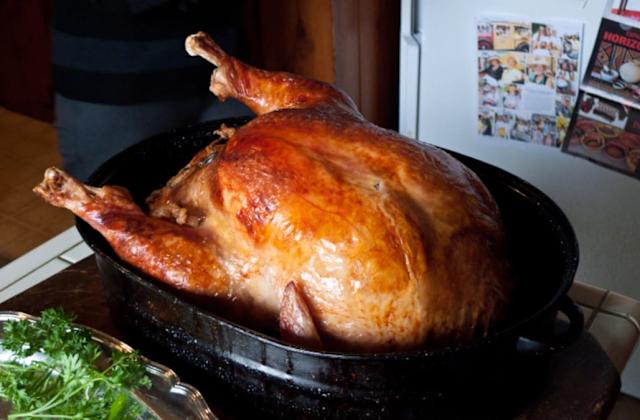
Are you tired of ending up with dry turkey every time you cook? You’re not alone.
Tent a turkey, and you can lock in juicy, tender meat that will impress your family and friends. It’s a simple step that makes a huge difference, but many people overlook it. Keep reading to discover how this easy trick can transform your turkey from ordinary to extraordinary.
Your holiday meals will never be the same!
Why Tent A Turkey
Tenting a turkey means covering it with foil while cooking. This simple step helps keep the bird moist and prevents burning. Many cooks use tenting to improve their turkey’s texture and flavor.
Using foil to tent the turkey creates a gentle heat barrier. It slows down browning and allows the turkey to cook evenly. Tenting is a helpful technique for a juicy, tender turkey.
Benefits Of Tenting
Tenting your turkey has several advantages that improve the cooking result. It helps control the cooking process and protects the meat.
- Keeps the turkey moist by trapping steam.
- Prevents the skin from burning or over-browning.
- Allows the turkey to cook evenly inside and out.
- Makes the breast meat tender without drying it out.
- Helps maintain the turkey’s natural juices.
When To Tent During Cooking
Knowing the right time to tent your turkey is key. Tenting too early or too late can affect the texture and color.
| Cooking Stage | When to Tent | Reason |
|---|---|---|
| Early in cooking | Not recommended | Turkey needs dry heat to brown the skin |
| Midway through cooking | Ideal time to tent | Prevents over-browning while retaining moisture |
| Near the end | Remove foil | Allow skin to crisp up before serving |
Choosing The Right Foil
Tenting a turkey with foil helps keep it moist while resting. Picking the right foil is key to good results.
Using the correct foil type, thickness, and size makes tenting easier and more effective.
Types Of Foil To Use
There are different kinds of foil you can use for tenting your turkey. Each type has benefits for cooking.
Standard aluminum foil is common and works well. Heavy-duty foil is stronger and less likely to tear.
- Standard foil: thin and flexible, good for small turkeys
- Heavy-duty foil: thicker and stronger, best for large turkeys
- Non-stick foil: prevents skin from sticking but can be less durable
Foil Thickness And Size
Foil thickness affects how well it holds heat and resists tearing. Thicker foil lasts longer.
Choose a foil size that can cover the whole turkey. It should be large enough to create a loose tent.
- Thin foil tears easily and loses heat faster
- Thick foil holds heat better and resists holes
- Use a foil sheet at least twice the turkey’s width and length
- Extra size helps to tent without touching the bird
Preparing The Turkey For Tenting
Getting your turkey ready for tenting is an important step. It helps keep the meat juicy and flavorful. Follow these tips to make sure your turkey is prepared perfectly.
The process involves seasoning, basting, and positioning the turkey correctly. This ensures even cooking and a delicious final product.
Seasoning And Basting Tips
Proper seasoning adds flavor to your turkey. Basting keeps it moist throughout cooking. Here are some tips to help you.
- Use salt and pepper on the skin and inside the cavity.
- Consider adding herbs like rosemary or thyme.
- Baste with melted butter or broth every 30 minutes.
Positioning The Turkey
Positioning the turkey correctly in the oven is crucial. This ensures even heat distribution for the best results.
| Position | Why It Matters |
| Breast-side up | Promotes even cooking |
| Center of the oven | Ensures consistent heat |
| Use a roasting rack | Keeps turkey elevated |

Credit: www.goodhousekeeping.com
How To Properly Tent The Turkey
Tenting a turkey helps cook it evenly and keeps it moist. It protects the skin from burning while the meat finishes cooking.
This guide shows simple ways to wrap your turkey and avoid common problems like steam build-up.
Wrapping Techniques
Use aluminum foil to tent your turkey. The foil should cover the bird loosely to allow heat flow but protect the skin.
- Tear a large sheet of foil wide enough to cover the turkey completely.
- Place the foil over the turkey without pressing down tightly.
- Fold the edges under the roasting pan to hold the foil in place.
- Leave space between the foil and the turkey to let heat circulate.
Avoiding Steam Build-up
Steam can make the turkey skin soggy. To avoid this, create small vents in the foil.
Follow these tips to reduce steam:
- Make 2 to 3 small slits on top of the foil.
- Do not seal the foil edges too tightly.
- Check the turkey halfway through cooking and adjust vents if needed.
Timing And Temperature Tips
Tenting a turkey helps keep it moist during cooking. You cover the turkey with foil to protect it from direct heat.
Knowing when to tent and remove the foil is key. This keeps the skin crispy and the meat juicy.
When To Remove The Tent
Remove the foil tent near the end of cooking. This allows the skin to brown and get crispy.
Usually, take off the tent when the turkey reaches about 140°F (60°C). This is when the skin starts to dry out.
- Keep the foil on for most of the cooking time
- Take off the tent in the last 30 to 45 minutes
- Watch the skin color to know when to remove the foil
Checking For Doneness
Use a meat thermometer to check the turkey’s temperature. This is the best way to know if it is done.
Insert the thermometer into the thickest part of the thigh. Avoid touching the bone for an accurate reading.
- The turkey is safe to eat at 165°F (74°C)
- Check the temperature in the breast and thigh
- Let the turkey rest 20 minutes after cooking

Credit: parade.com
Common Mistakes To Avoid
Tenting a turkey helps keep it moist during cooking. Many cooks make mistakes that reduce its benefits.
Knowing what to avoid will improve your turkey’s texture and flavor. Watch out for these common errors.
Over-tenting Issues
Covering the turkey too tightly traps steam. This can make the skin soggy and less crispy.
If the foil is too close, it stops heat from browning the skin. The turkey may cook unevenly.
- Leave space between foil and turkey skin
- Use loose tenting to allow air circulation
- Remove foil near the end to crisp the skin
Foil Contact Problems
Foil touching the turkey skin can stick and tear it. This ruins the bird’s appearance and texture.
Direct contact also traps steam in spots, causing uneven cooking. The turkey won’t brown properly.
- Avoid wrapping foil tightly around the turkey
- Use a tent shape with foil raised above the bird
- Check foil position during cooking and adjust if needed
Additional Tips For Juicy Turkey
Tenting your turkey helps keep it moist and tender. Small steps make a big difference in juiciness.
Follow these tips on resting and using a thermometer. They ensure your turkey stays juicy and safe to eat.
Resting The Turkey
Resting allows the juices to spread evenly inside the meat. Do not skip this step after cooking.
- Cover the turkey loosely with foil to keep heat.
- Let it rest for at least 20 minutes.
- Slice after resting to keep juices locked in.
- Use this time to prepare side dishes or gravy.
Using A Thermometer
A thermometer helps check if your turkey is cooked perfectly. It avoids dryness or raw spots.
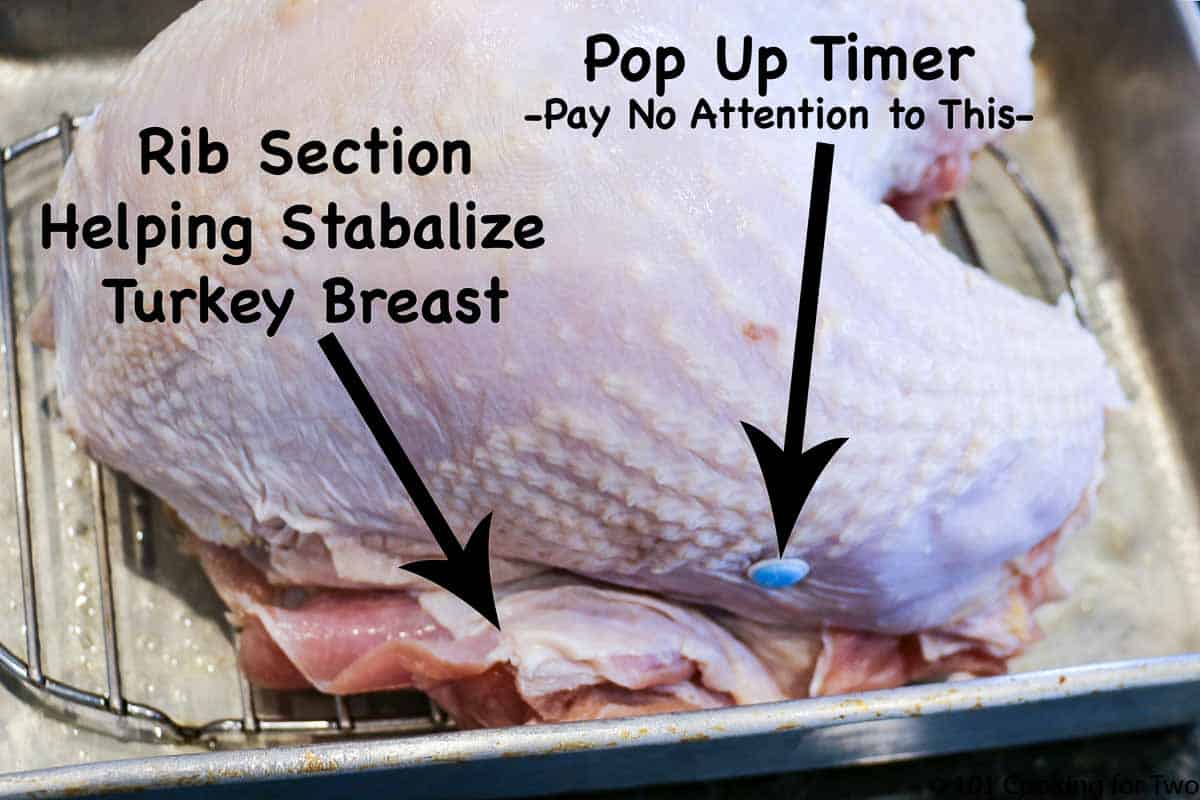
| Turkey Part | Safe Internal Temperature |
| Breast | 165°F (74°C) |
| Thigh | 175°F (79°C) |
| Stuffing (if inside) | 165°F (74°C) |
Credit: www.101cookingfortwo.com
Frequently Asked Questions
What Does It Mean To Tent A Turkey?
Tenting a turkey means covering it loosely with foil during roasting. This protects the breast meat from drying out while the bird cooks evenly.
When Should I Tent A Turkey While Roasting?
Tent the turkey when the breast skin turns golden brown. This usually happens halfway through cooking to prevent over-browning and moisture loss.
How Do You Tent A Turkey With Foil?
Use a large sheet of aluminum foil. Loosely cover the turkey, creating a tent shape without touching the skin to trap heat and moisture.
Does Tenting A Turkey Affect Cooking Time?
Tenting slightly slows cooking by trapping heat and moisture. Check the internal temperature early to avoid overcooking.
Conclusion
Tenting a turkey helps keep it juicy and tender. It stops the skin from burning while cooking. Use foil to create a loose cover over the bird. Remove the tent near the end for crispy skin. This simple step makes a big difference in taste.
Try it on your next turkey for better results. Enjoy a moist and flavorful meal every time. Remember, small changes bring great cooking success.