If you want to catch more fish, knowing how to tie a knot for a fishing lure is a game changer. A strong, reliable knot keeps your lure secure and helps you avoid losing that big catch.
You might think tying knots is tricky, but with the right steps, you can master it quickly. In this guide, you’ll learn simple techniques that anyone can follow. Keep reading, and you’ll soon tie knots like a pro—making every fishing trip more successful and enjoyable.

Credit: www.ohero.com
Choosing The Right Knot
Tying the right knot for your fishing lure can make a big difference. A good knot keeps your lure secure and helps catch fish better.
Many knots work well with different types of fishing lines and lures. Knowing which knot to use helps you fish with confidence.
Popular Knots For Fishing Lures
Some knots are well-known for their strength and ease of tying. Choosing the right one depends on your fishing needs.
- Improved Clinch Knot:Easy to tie and works well with most lines.
- Palomar Knot:Very strong and simple to tie with braided lines.
- Loop Knot:Keeps the lure free to move naturally in water.
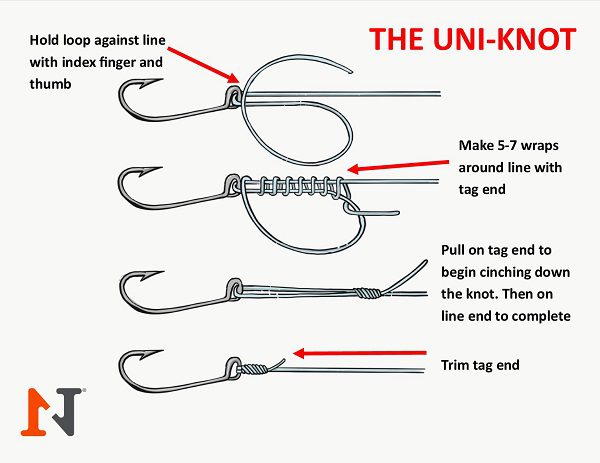
- Uni Knot:Versatile and reliable for many line types.
Factors Affecting Knot Strength
Many factors change how strong a knot will hold. Knowing these helps you pick the best knot for your fishing setup.
| Factor | Effect on Knot |
| Line Type | Different lines tie knots differently; some slip more easily. |
| Knot Type | Some knots hold better with certain lines and lures. |
| Tying Technique | Correct tying reduces slippage and knot failure. |
| Line Condition | Old or damaged line weakens the knot strength. |
| Lubrication | Wet knots tighten better and reduce heat damage. |
Preparing Your Line And Lure
Tying a knot for a fishing lure starts with good preparation. You need to select the right line and prepare it properly. This helps your knot hold strong and your lure work well.
Below are important tips on choosing the line and preparing it before tying the knot.
Selecting The Correct Line
Pick a fishing line that matches your lure and fishing style. The line’s strength and thickness affect the knot’s strength.
- Use monofilament for general fishing and easy knots.
- Choose fluorocarbon for clear water and low visibility.
- Pick braided lines for strong, thin lines that resist abrasion.
- Match the line strength with the fish size you want to catch.
Trimming And Moistening The Line
Before tying, trim the line end neatly. A clean cut helps the knot hold better. Use sharp scissors or a line cutter.
| Tip | Reason |
|---|---|
| Trim the line end | Prevents loose or slipping knots |
| Moisten the line | Reduces friction and heat when tightening |
| Check for damage | Ensures strong, reliable knot |
Wet the line with water or saliva before pulling the knot tight. This keeps the line from burning and breaking.
Step-by-step Knot Tying
Learning to tie a knot for a fishing lure is a useful skill. It ensures your lure stays secure while fishing.
Follow these simple steps to tie a reliable knot. Each step makes your knot stronger and more effective.
Forming The Loop
The loop is the first step in creating a strong knot. Begin by making a loop with the fishing line.
- Hold the end of the line in one hand.
- Wrap it around two fingers to form a loop.
- Ensure the loop is large enough for the lure to pass through.
Wrapping The Line
Once the loop is ready, it’s time to wrap the line. Wrapping tightly gives the knot strength.
Wrap the free end of the line around the main line. Do this at least five times for extra security.
Securing The Knot
The final step is to secure the knot. This ensures the knot will not come undone.
| Step | Action |
| 1 | Pass the end through the loop you made earlier. |
| 2 | Pull the line to tighten the knot firmly. |
| 3 | Trim any excess line with scissors. |
Testing Knot Strength
After tying a knot for a fishing lure, it is important to test its strength. This ensures the knot will hold when you catch a fish. Testing helps avoid losing your lure or fish.
Testing knot strength is simple. You only need to pull the line and watch for any signs of weakness. This step is key for a successful fishing trip.
Pulling Techniques
Pull the fishing line slowly at first. Gradually increase the force to check if the knot holds well. Use your hand to feel how tight the knot stays.
Try pulling the line in different directions. Pull straight, then pull at angles. This tests the knot from all sides and shows if it can handle real fishing conditions.
- Pull slowly and steadily
- Increase force gradually
- Pull from different angles
- Feel for any slipping or loosening
Signs Of A Weak Knot
Look for any movement in the knot when you pull. If the knot slips or loosens, it is weak. A strong knot stays tight and does not change shape.
Check for frayed or damaged fishing line near the knot. Cuts or worn spots mean the knot may break easily. Replace or retie the knot if you see these signs.
- Knot slips or moves under tension
- Line near the knot looks frayed or cut
- Knot changes shape when pulled
- Knots that loosen after testing
Tips For Knot Durability
Strong knots keep your fishing lure secure and ready for action. Learning how to tie knots that last saves time and frustration.
Simple habits can improve knot strength and extend the life of your fishing gear. Follow these tips to avoid common errors and care for your knots regularly.
Avoiding Common Mistakes
Many anglers make small errors that weaken their knots. Knowing what to avoid helps keep your lure attached and ready to catch fish.
- Do not skip wetting the line before tightening the knot. Dry tightening can weaken it.
- Make sure to pull the knot tight and evenly to avoid slipping.
- Do not use damaged or frayed line; it reduces knot strength.
- Avoid tying knots too close to the lure eye, which can cause stress and breakage.
- Practice tying knots slowly to check for twists and overlaps that weaken the knot.
Regular Knot Maintenance
Regular checks and simple care keep your knots strong over time. This routine saves your line and lure from unexpected failures.
| Maintenance Tip | Action |
| Inspect knots | Look for wear or looseness before each fishing trip |
| Retighten knots | Moisten and pull knots firmly if they feel loose |
| Replace damaged knots | Cut and retie any knots with frayed or worn lines |
| Store gear properly | Avoid moisture and direct sunlight to preserve line quality |
| Practice tying | Keep knot skills sharp by practicing regularly |

Credit: www.wikihow.com
Credit: medium.com
Frequently Asked Questions
What Is The Best Knot For Fishing Lures?
The improved clinch knot is the best for fishing lures. It is strong, easy to tie, and reliable for most fishing lines.
How Do I Tie A Knot To Secure A Lure?
To secure a lure, thread the line through the eye, twist five to seven times, then pass the tag end through the loop and tighten.
Can I Use Any Fishing Line For Lure Knots?
Yes, but the knot type may vary. Monofilament and fluorocarbon work well with clinch knots, while braided lines require specific knots like the Palomar.
How Tight Should I Pull The Fishing Lure Knot?
Pull the knot tight but avoid over-tightening. Over-tightening can weaken the line or damage the knot, reducing its strength and reliability.
Conclusion
Tying a knot for a fishing lure is simple with practice. Use the right knot to keep your lure secure. A strong knot helps catch more fish. Take your time and follow the steps carefully. Soon, tying knots will feel natural and quick.
Remember, a good knot means better fishing results. Keep practicing to improve your skills every trip. Enjoy your fishing and tight lines ahead!