Are you tired of losing trout just as you’re about to reel them in? Choosing the right fishing line can make all the difference between a frustrating day on the water and a successful catch.
But with so many options out there, how do you know which one is best for trout? You’ll discover the top fishing lines that give you the strength, sensitivity, and stealth you need to outsmart these clever fish. Keep reading, and you’ll be ready to land more trout on your next fishing trip.

Credit: fishboxapp.com
Types Of Fishing Lines
Fishing lines come in different types. Each type works best in certain situations.
Choosing the right line helps catch trout more easily. Let’s look at the main types.
Monofilament Lines
Monofilament lines are made from a single nylon strand. They are flexible and easy to handle.
These lines stretch well and absorb shocks. They are good for beginners and general use.
- Affordable and widely available
- Good knot strength
- Visible in water, may scare fish
- Stretches under load
Fluorocarbon Lines
Fluorocarbon lines are made from a special plastic that sinks fast. They are nearly invisible in water.
These lines resist abrasion and last longer. They work well in clear water and sunny conditions.
- Hard to see underwater
- Less stretch than monofilament
- More expensive
- Good for trout fishing in clear streams
Braided Lines
Braided lines use several fibers woven together. They are very strong and thin compared to other lines.
These lines have almost no stretch. They hold tension well but are more visible in water.
- High strength and thin diameter
- No stretch, sensitive feel
- Can be visible to fish
- Good for deep water and heavy cover
Key Factors For Trout Fishing Lines
Choosing the right fishing line is important for catching trout. The line affects your control, hook setting, and bite detection. Different lines work better in different water and fishing conditions.
Understanding key features helps you pick the best line. Four main factors to consider are line strength, visibility, stretch, and abrasion resistance. Each affects your fishing success.
Line Strength And Test
Line strength shows how much weight the line can hold before breaking. It is usually measured in pounds, called the “test”. For trout, a line test between 4 and 8 pounds is common. Stronger lines can handle bigger fish, but thinner lines are less visible.
Visibility In Water
Trout can see fishing lines in clear water. Low visibility lines help avoid spooking fish. Some lines come in clear or green colors to blend with water. Fluorocarbon lines are less visible underwater because they bend light like water.
- Clear lines for clear water
- Green or blue lines for stained water
- Fluorocarbon for low visibility
- Avoid bright colors in trout habitats
Stretch And Sensitivity
Stretch in a fishing line affects how well you feel bites. Lines with less stretch give better sensitivity. This helps detect subtle trout bites. Monofilament lines stretch more. Braided and fluorocarbon lines stretch less and are more sensitive.
Abrasion Resistance
| Line Type | Abrasion Resistance | Durability Notes |
| Monofilament | Low | Can weaken around rocks |
| Fluorocarbon | High | Good for rocky streams |
| Braided | Very High | Strong but visible in water |
Best Line Choices For Different Conditions
Choosing the right fishing line is important for catching trout. Different conditions require different lines.
Whether you fish in clear water or murky, fast or slow currents, or even in weedy areas, each situation needs a specific line type.
Clear Water Fishing
In clear water, trout can see the line easily. This makes choosing the right line crucial.
- Fluorocarbon line is less visible and a good choice.
- Use light line for a more natural bait presentation.
- Consider using a thinner diameter line for stealth.
Murky Water Fishing
In murky water, visibility is low. This affects how trout see your bait and line.
| Line Type | Benefits |
| Braided Line | Strong and visible |
| Monofilament | Good for buoyancy |
Fast Vs. Slow Currents
Current speed changes how your line behaves. Fast currents need a strong line.
In slow currents, lighter lines work better, allowing for a natural drift.
Fishing In Weedy Areas
Weeds can snag your line. Choosing a line that resists tangling is smart.
Credit: thewildprovides.com
Line Management Tips
Choosing the right fishing line for trout is important. Proper line care helps you catch more fish.
Good line management keeps your line strong and smooth. It also prevents tangles and breaks.
Knot Selection For Trout Lines
Picking the right knot keeps your line secure and strong. Some knots work better with thin trout lines.
Use knots that do not slip and keep good strength. Practice tying knots until they are tight and neat.
- Palomar knot – strong and simple
- Improved clinch knot – reliable and popular
- Loop knot – allows natural bait movement
- Uni knot – easy to tie and strong
Proper Line Maintenance
Keep your fishing line clean to avoid damage. Dirt and salt can weaken the line over time.
Check the line often for nicks or frays. Replace the line if it shows wear to prevent breaks.
- Rinse line with fresh water after fishing
- Store line away from direct sunlight
- Use line conditioner to keep it smooth
- Inspect line before each fishing trip
Spooling Techniques
Spooling your line correctly prevents tangles and twists. It also helps the line cast smoothly.
Keep line tension steady while spooling. Avoid overfilling the reel spool to stop line damage.
- Attach line to spool with an arbor knot
- Keep light tension when winding line
- Fill spool until 1/8 inch from the edge
- Check for twists or loops as you spool
Common Mistakes To Avoid
Choosing the right fishing line is important for catching trout. Some mistakes can make fishing harder.
Avoiding these common errors will help you get better results on your fishing trips.
Using Too Heavy Line
Using a line that is too heavy scares trout away. They can see or feel thick lines in the water.
Heavy lines also reduce the natural movement of your bait, making it less attractive to fish.
- Choose a lighter line for clear water
- Use line strength suited for trout size
- Thin lines improve bait presentation
Ignoring Line Memory
Line memory means the line keeps the shape of the spool. This can cause tangles and loops.
Ignoring line memory makes casting harder and less accurate. Trout may get scared by sudden line snaps.
- Use fresh line to reduce memory
- Stretch new line before use
- Store line loosely to avoid tight coils
Neglecting Line Replacement
Old line loses strength and becomes brittle. This can cause the line to break during a catch.
Replacing your line regularly ensures better performance and fewer lost fish.
- Change line after several fishing trips
- Inspect line for nicks and damage
- Replace line if it feels rough or faded
Top Brands And Products For Trout Lines
Choosing the right fishing line is key for catching trout. The line affects how you cast and how trout feel the bait.
Many brands offer lines made from different materials. Each type has strengths for trout fishing.
Monofilament Picks
Monofilament lines are popular for trout due to their stretch and softness. They help absorb shocks from fish bites.
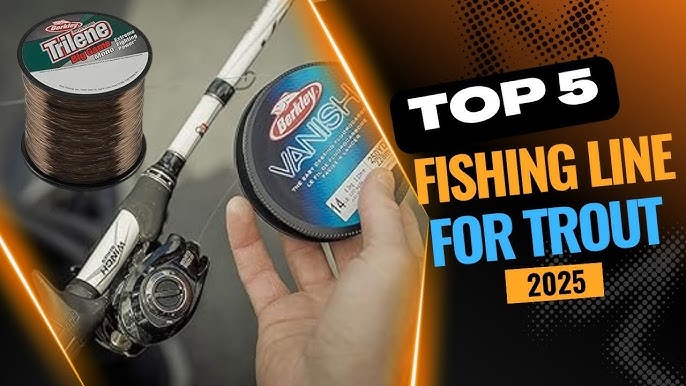
- Berkley Trilene XL: Known for good knot strength and smooth casting.
- Stren Original: Offers good abrasion resistance and clear color options.
- Spiderwire Stealth: Thin diameter helps with longer casts.
Fluorocarbon Favorites
Fluorocarbon lines are nearly invisible underwater. Trout are less likely to detect these lines.
| Brand | Strength | Special Features |
| Seaguar InvizX | 6-12 lb | High sensitivity and abrasion resistance |
| Sunline Super FC Sniper | 4-10 lb | Low memory and good knot strength |
| Pflueger Fluorocarbon | 2-8 lb | Clear and strong for finesse fishing |
Braided Line Options
Braided lines have no stretch and high strength. They are good for heavy cover and fast hook sets.
- PowerPro Spectra: Popular for its thin diameter and strength.
- Spiderwire Stealth Smooth: Good for casting distance and sensitivity.
- Yo-Zuri Hybrid: Combines strength with smooth casting.

Credit: www.youtube.com
Frequently Asked Questions
What Is The Best Fishing Line For Trout Fishing?
The best fishing line for trout is usually fluorocarbon. It is nearly invisible underwater, strong, and abrasion-resistant. This helps catch wary trout without spooking them. Monofilament is also popular due to its stretch and affordability.
How Strong Should Trout Fishing Line Be?
A line strength of 4 to 8 pounds is ideal for trout. This range balances sensitivity and strength, allowing you to feel bites and handle trout without line breakage.
Is Fluorocarbon Better Than Monofilament For Trout?
Fluorocarbon is better for clear water and stealthy trout fishing. It sinks faster and is less visible underwater. Monofilament is more elastic and cheaper, making it good for beginners or murkier waters.
Can Braided Line Work For Trout Fishing?
Yes, braided line works well for trout, especially in heavy cover. It offers excellent strength and sensitivity but is more visible, so pairing it with a fluorocarbon leader is recommended.
Conclusion
Choosing the right fishing line helps catch more trout. Thin lines offer better sensitivity and less visibility. Strong lines prevent breakage when fish pull hard. Consider weather and water type before picking. Test different lines to find what works best.
Fishing is about patience and learning from each trip. Enjoy the process and improve your skills. Good gear makes fishing more fun and successful. Keep trying, and you will catch more trout soon.