If you want to catch more fish, knowing how to tie a hook to your fishing line is one of the most important skills you need. A strong, secure knot can make all the difference between landing a big catch or losing it at the last moment.
But if you’re unsure how to tie the perfect knot, don’t worry—you’re not alone. In this guide, you’ll learn simple, step-by-step methods that anyone can master. By the end, you’ll feel confident that your hook is tied tight and ready for action.
Keep reading, and get ready to improve your fishing game instantly.
Credit: n1outdoors.com
Choosing The Right Hook And Line
Tying a hook to a fishing line is an important skill for anglers. Choosing the right hook and line helps catch fish better.
This guide explains how to pick hooks and lines that work well together for fishing.
Types Of Fishing Hooks
Fishing hooks come in many shapes and sizes. Each type works for different fish and fishing styles.
- J-Hooks: Classic shape, easy to use and common.
- K-hooks: Good for holding bait firmly.
- Circle Hooks: Help catch fish without deep hooking.
- Treble Hooks: Have three points, used for lures.
- Bait Holder Hooks: Have barbs to keep bait on.
Pick a hook size that matches the fish you want to catch. Small hooks suit small fish and big hooks suit big fish.
Selecting Suitable Fishing Line
Fishing lines differ by strength, thickness, and material. Choose a line that fits your fishing needs and hook size.
- Monofilament Line: Flexible and good for beginners.
- Fluorocarbon Line: Harder to see underwater.
- Braid Line: Very strong and thin.
- Test Strength: Choose line strength that matches fish size.
Match the line strength to your hook size. Thin lines work with small hooks and thick lines with large hooks.
Preparing The Line And Hook
Tying a hook to a fishing line starts with proper preparation. The line and hook must be ready to ensure a strong connection.
This guide covers two important steps: trimming the line and moistening the line before tying the hook.
Trimming The Line
Trimming the fishing line helps remove old, frayed parts. This makes the knot hold better and reduces the chance of breaking.
- Use sharp scissors or nail clippers to cut the line cleanly.
- Trim about one to two inches from the end of the line.
- Check for any damaged or weak spots along the line.
- Remove any dirt or debris from the trimmed line end.
Moistening The Line
Moistening the line before tying the knot reduces friction and heat. This helps prevent the line from weakening or breaking.
Here is a simple way to moisten your fishing line:
- Dip your finger in clean water or saliva.
- Lightly wet the end of the fishing line.
- Tie the knot while the line is still moist.
- Wipe any excess water gently before casting.
Simple Knot Techniques
Tying a hook to a fishing line is easy with the right knot. Simple knots keep your hook secure while fishing.
Two popular knots are the Improved Clinch Knot and the Palomar Knot. Both are strong and quick to tie.
Improved Clinch Knot
The Improved Clinch Knot is a common choice for tying hooks. It works well with most fishing lines.
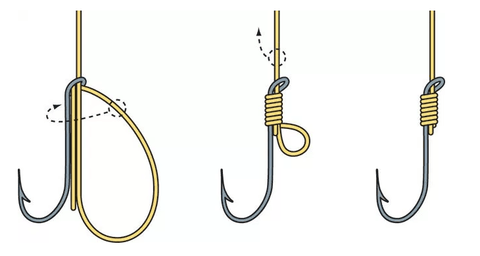
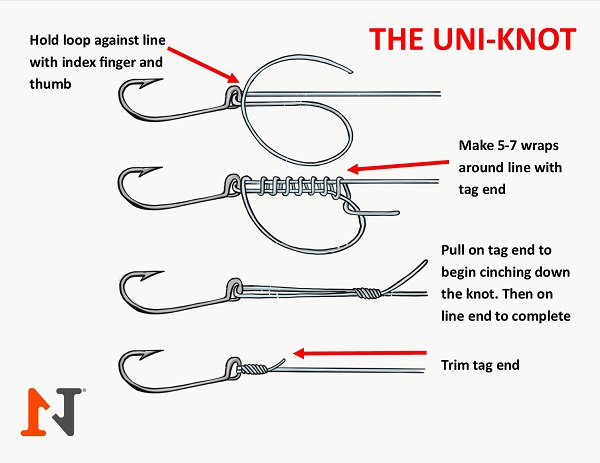
To tie it, pass the line through the hook eye. Wrap the tag end around the line five times. Then, pass the tag end through the loop near the eye. Pull tight to secure the knot.
- Pass line through hook eye
- Wrap tag end around line 5 times
- Pass tag end through loop near eye
- Pull knot tight
Palomar Knot
The Palomar Knot is strong and simple. It works well with braided and monofilament lines.
Double about 6 inches of line and pass it through the hook eye. Tie a loose overhand knot. Pass the hook through the loop. Pull both ends to tighten the knot.
- Double 6 inches of line
- Pass loop through hook eye
- Tie a loose overhand knot
- Pass hook through loop
- Pull ends to tighten
Step-by-step Knot Tying Guide
Tying a hook to a fishing line is an important skill for fishing. A strong knot keeps your hook secure and helps catch fish.
This guide shows you easy steps to tie a knot. Follow each step carefully for the best results.
Forming The Loop
Start by passing the end of the line through the hook eye. Pull enough line to work with comfortably.
Make a small loop by doubling the line back toward itself. Hold the loop between your fingers to keep it steady.
Wrapping The Line
Wrap the loose end of the line around the doubled main line. Make five to seven tight wraps, moving down the line.
- Keep wraps neat and close together
- Do not overlap wraps
- Hold the hook and loop steady while wrapping
Securing The Knot
After wrapping, take the loose end and pass it through the small loop near the hook eye. Then pull the main line slowly.
Tighten the knot by pulling the main line and the tag end together. Make sure the wraps tighten evenly around the loop.
Testing Knot Strength
Pull the line hard to check if the knot holds well. The knot should not slip or come undone.
Cut off any extra tag end close to the knot. This helps prevent catching on weeds or debris.
Tips For Stronger Knots
Tying a hook to a fishing line needs care to keep it strong. A strong knot helps catch fish without breaking.
Using good techniques makes your knot last longer and hold better. Here are some tips for tying better knots.
Avoiding Common Mistakes
Many anglers tie knots too tight or too loose. Too tight knots can damage the line. Too loose knots can slip off.
Not wetting the line before tightening also weakens the knot. A dry line can burn and weaken under pressure.
- Don’t pull the knot too hard before wetting it.
- Trim the tag end close but not too short.
- Use the right knot for your line type.
- Practice tying knots slowly to avoid errors.
Maintaining Knot Integrity
Check your knots before and during fishing. Small loosening can cause the knot to fail when you catch a fish.
Keep your knots clean and free of dirt or sand. Grit can weaken the line and reduce knot strength.
- Re-tighten knots if they feel loose.
- Replace knots if the line shows wear or damage.
- Store your fishing line properly to avoid weakening.
- Use quality line and hooks to improve knot holding.

Credit: www.wikihow.com
When To Replace Your Knot
Fishing is a popular hobby enjoyed by many. Knowing when to replace your knot is crucial. A strong knot keeps your line secure and improves your chances of success.
Over time, knots can weaken. Regular checks help ensure your line remains strong. Let’s explore some signs and maintenance tips.
Signs Of Wear And Tear
Knots can show signs of wear over time. It’s important to spot these signs early.
Look closely at your knot each time you fish. Notice any of these signs, and it’s time to retie.
- Frayed or split line near the knot
- Loosened or slipping knot
- Discoloration or damage on the line
Regular Knot Maintenance
Maintaining your knots is as important as tying them correctly. Regular care ensures they remain strong.
Follow these simple maintenance tips to keep your knots in top shape.
- Check knots before each fishing trip
- Retie knots if unsure of their strength
- Store fishing lines properly to avoid damage
Credit: www.evoprecision.com
Frequently Asked Questions
How Do You Tie A Fishing Hook Securely?
To tie a fishing hook securely, use the improved clinch knot. Pass the line through the hook eye, twist five times, then thread back through the loop. Pull tight and trim excess line for a strong, reliable connection.
What Is The Best Knot For Fishing Hooks?
The improved clinch knot is the most popular and reliable for fishing hooks. It’s easy to tie and holds well under tension, making it ideal for various fishing lines and hook sizes.
Can You Tie A Hook Without Special Tools?
Yes, you can tie a fishing hook without special tools. Use your fingers to loop and twist the line around the hook eye. Practice helps improve knot strength and speed.
How Important Is Knot Strength In Fishing?
Knot strength is crucial to prevent losing fish. A strong knot withstands pulling force and sudden tugs. Always test your knot before fishing to ensure it holds firm.
Conclusion
Tying a hook to a fishing line is simple with practice. Choose the right knot and pull it tight. Check your knot before casting to avoid losing fish. A strong connection helps catch more fish. Keep practicing these steps to improve your fishing skills.
Enjoy your time by the water and stay patient. Fishing brings fun and relaxation to everyone. Try different knots and find what works best for you. Happy fishing!