Are you ready to catch more trout on your next fishing trip? Choosing the right lure can make all the difference between a day of empty hooks and a bucket full of fish.
But with so many options out there, how do you know which lures will work best for trout? You’ll discover the top lures that can boost your chances and help you reel in those slippery, beautiful fish. Keep reading to unlock the secrets that will turn your fishing experience into a success story.

Credit: www.thefisherman.com
Top Trout Lures
Choosing the right lure helps catch more trout. Different lures work better in different waters.
This guide covers some of the best trout lures you can use on your next fishing trip.
Spinnerbaits
Spinnerbaits have spinning blades that flash in the water. They attract trout by reflecting light and making noise.
These lures work well in clear water and fast currents. They can mimic small fish or insects.
- Use silver or gold blades for bright water
- Try small sizes for trout
- Retrieve steadily to keep blades spinning
Crankbaits
Crankbaits are hard-bodied lures that dive when pulled. They imitate injured baitfish moving through the water.
These lures work best in deeper water or near rocks where trout hide. They come in many shapes and colors.
- Choose a shallow or medium diver for most trout
- Match the color to local baitfish or insects
- Use a stop-and-go retrieve to trigger strikes
Soft Plastics
Soft plastics are flexible lures that imitate worms, larvae, or small fish. They feel natural to trout when bitten.
These lures work well in calm water or near the bottom. You can rig them on hooks or jig heads.
- Use natural colors like brown, green, or gray
- Try small grubs or worms for trout
- Slowly twitch or drag them along the bottom
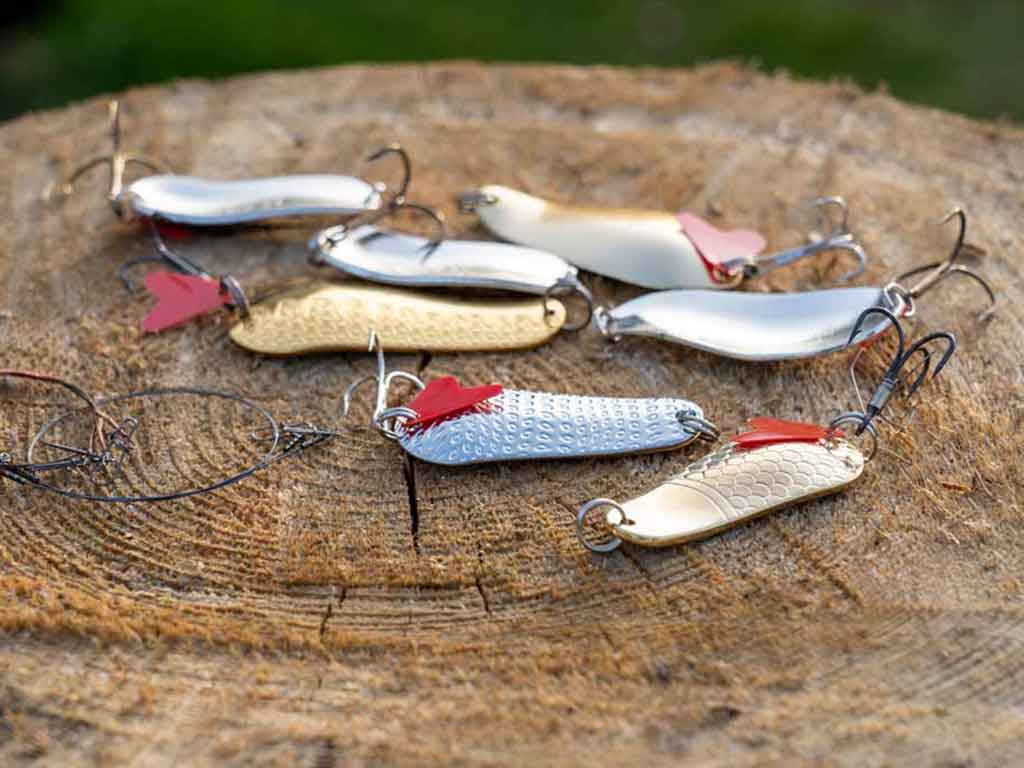
Spoons
Spoons are metal lures that wobble and flash as you pull them. They look like injured baitfish in the water.
These lures work well in both shallow and deep water. They are good for covering large areas quickly.
- Choose small sizes, around 1 to 3 inches
- Use silver or gold finishes for shine
- Vary your retrieval speed to find what works
Jigs
Jigs have a weighted head and a hook, often dressed with hair or soft plastic. They sink slowly and bounce on the bottom.
These lures are good for fishing near rocks, logs, or deep pools where trout wait.
- Use light weights for slow sinking
- Choose colors that match natural prey
- Lift and drop the jig to imitate injured prey

Credit: www.lurenet.com
Choosing Lures By Water Type
Trout live in different water types like rivers, lakes, and streams. Each water type needs special lures. Picking the right lure helps catch more trout.
Water flow, depth, and clarity change how trout behave. Good lures match these conditions. Let’s see the best lures for each water type.
Lures For Rivers
Rivers have fast water and strong currents. Trout stay near rocks and deep spots. Use lures that move well in current.
Weighted lures and spoons work great. They reach deep water and stay steady. Bright colors help trout see them in murky water.
- Inline spinners
- Heavy spoons
- Weighted soft plastics
- Crankbaits with strong action
Lures For Lakes
Lakes have calm and still water. Trout swim near weed beds and drop-offs. Use lures that mimic small fish or bugs.
Slow-moving lures work best. Use natural colors to blend in. Floating or suspending lures attract trout in clear water.
- Jigs with soft plastic tails
- Spoons with subtle wobble
- Floating plugs
- Spinnerbaits with natural colors
Lures For Streams
Streams have clear water and gentle flow. Trout hide near logs and undercut banks. Small, natural lures catch their attention.
Use light lures with slow action. Tiny spoons and flies work well. Match the size and color of local insects.
- Small spoons
- Soft plastic grubs
- Dry flies and nymphs
- Micro crankbaits
Color And Size Tips
Choosing the right lure for trout fishing can make a big difference. Color and size are key factors to consider. Let’s explore how these elements affect your success.
Matching Hatch Colors
Trout often feed on insects that are native to their environment. Using lures that mimic these insects can increase your chances of catching fish. Pay attention to the color of local insects and choose lures that match them.
- Observe the insects around the water
- Select lures that have similar colors
- Consider the time of year, as insect colors change
Bright Vs. Natural Shades
Bright lures can attract fish in murky water, while natural shades work well in clear water. Knowing when to use each type can improve your catch rate. Consider the water conditions before choosing your lure color.
| Water Condition | Lure Shade |
| Clear | Natural |
| Murky | Bright |
| Cloudy | Mixed |
Optimal Lure Sizes
The size of your lure can influence how many bites you get. Smaller lures often work well for wary fish, while larger lures can attract bigger trout. Adjusting the size based on the fish you target can help you catch more trout.
Experiment with different lure sizes to find what works best. Consider the size of the fish you see and match your lure accordingly.
Seasonal Lure Selection
Choosing the right lure is key for trout fishing success. Trout behavior changes with each season.
Matching your lure to the season helps catch more fish. Different lures work best in spring, summer, fall, and winter.
Spring Lures
In spring, trout become active after winter. Use lures that imitate insects and small fish.
Bright colors and smaller sizes work well in clear water during spring.
- Spinners with silver or gold blades
- Small crankbaits in natural colors
- Soft plastic worms or grubs
Summer Lures
Summer trout often hide in deeper, cooler water. Use lures that sink or swim slowly.
Natural and dark colors help blend with summer shadows and vegetation.
- Jigs with soft plastics
- Deep-diving crankbaits
- Spoons with dull finishes
Fall Lures
Fall trout feed heavily before winter. Use larger lures that mimic baitfish and frogs.
Use bright colors to attract trout in stained or murky fall water.
- Large spinnerbaits in bright colors
- Topwater plugs resembling frogs or mice
- Spoons with reflective surfaces
Winter Lures
Trout move slowly in cold water during winter. Use small, slow-moving lures.
Natural colors like brown, gray, or black work best in low light.
- Small jigs with natural-colored plastics
- Tiny spoons with subtle flash
- Small soft plastics that mimic larvae
Techniques For Using Lures
Using the right techniques with lures can make trout fishing more successful. Different methods help attract trout in various water conditions.
Understanding how to retrieve, troll, and cast lures improves your chances of catching trout. Each technique works best with certain lures and situations.
Retrieval Methods
Retrieval is how you pull the lure through the water. Trout react to the lure’s movement, so change your speed and style to find what works.
- Slow and steady pulls mimic small fish swimming calmly.
- Short, quick jerks make the lure dart like a fleeing insect.
- Pause often to let the lure float, attracting curious trout.
- Try a stop-and-go retrieve to create an erratic motion.
Trolling Tips
Trolling moves the lure through the water while the boat is in motion. It covers more area and finds where trout are feeding.
| Tip | Details |
| Speed | Keep the boat slow, about 1 to 2 mph for best lure action. |
| Lure Depth | Use weighted lures or add sinkers to reach trout depth. |
| Line Length | Let out more line to allow natural lure movement behind the boat. |
| Multiple Lines | Use two or three lines with different lures to test what works. |
Casting Strategies
Casting places the lure where trout might be hiding. Aim near structures like rocks or under overhanging trees.
Try these casting tips:
- Cast upstream and let the lure drift naturally with the current.
- Vary your casting distance to cover shallow and deep spots.
- Use sidearm casts for tight spaces and better accuracy.
- Recast quickly after a retrieve to keep trout interested.
Lure Maintenance And Storage
Keeping your trout fishing lures in good shape helps them last longer. Proper care makes sure they stay effective in catching fish.
Regular cleaning and good storage prevent damage and rust. This guide explains how to maintain and store your lures right.
Cleaning Lures
After fishing, rinse lures with fresh water to remove dirt and salt. Use a soft brush to clean small parts and hooks.
Dry each lure completely to avoid moisture buildup. Clean lures catch trout better and last longer.
- Rinse lures immediately after use
- Brush off debris gently
- Dry lures with a soft cloth
- Check hooks for damage or dullness
Preventing Rust
Rust harms hooks and metal parts on your lures. Keep lures dry and clean to stop rust from forming.
Use rust-preventive sprays or coatings on metal hooks. Replace rusty hooks to keep your lures working well.
- Store lures dry to avoid rust
- Apply rust protectant sprays
- Inspect hooks for rust regularly
- Replace rusty hooks quickly
Proper Storage Solutions
Store lures in tackle boxes with separate compartments. This keeps them organized and stops hooks from tangling.
Use silica gel packs to reduce moisture inside storage boxes. Keep lures in a cool, dry place away from sunlight.
- Use compartmentalized tackle boxes
- Place silica gel packs inside boxes
- Store lures in a dry, cool area
- Avoid direct sunlight on stored lures

Credit: fishingbooker.com
Frequently Asked Questions
What Types Of Lures Catch Trout Best?
Soft plastic baits, spinners, and small crankbaits are top trout lures. They mimic natural prey and attract trout effectively. Using bright colors helps in murky water. Match lure size to local forage for better success.
How To Choose The Right Trout Fishing Lure?
Select lures based on water clarity, depth, and trout species. Use smaller lures in clear water and larger ones in stained water. Consider the trout’s diet and seasonal behavior for best results. Experiment with colors and retrieve speeds.
When Is The Best Time To Use Trout Lures?
Early morning and late evening are prime trout feeding times. Trout are more active in cooler water temperatures. During these times, lures have higher chances of attracting bites. Adjust lure speed and color based on light conditions.
Are Artificial Lures Better Than Live Bait For Trout?
Artificial lures offer convenience and variety, often attracting trout visually. Live bait can be more natural but requires more maintenance. Many anglers prefer lures for their versatility and ease of use. Both can be effective depending on conditions.
Conclusion
Choosing the right lure makes trout fishing more fun and successful. Small spoons and spinners often attract hungry trout quickly. Soft plastic baits can mimic real insects well. Bright colors work best in murky water. Match your lure to the trout’s natural food.
Experiment with different types to see what works. Patience and practice will improve your fishing skills. Enjoy the calm and thrill of the water. Trout fishing can be simple and rewarding with the right tools. Keep trying, and you will catch more trout soon.