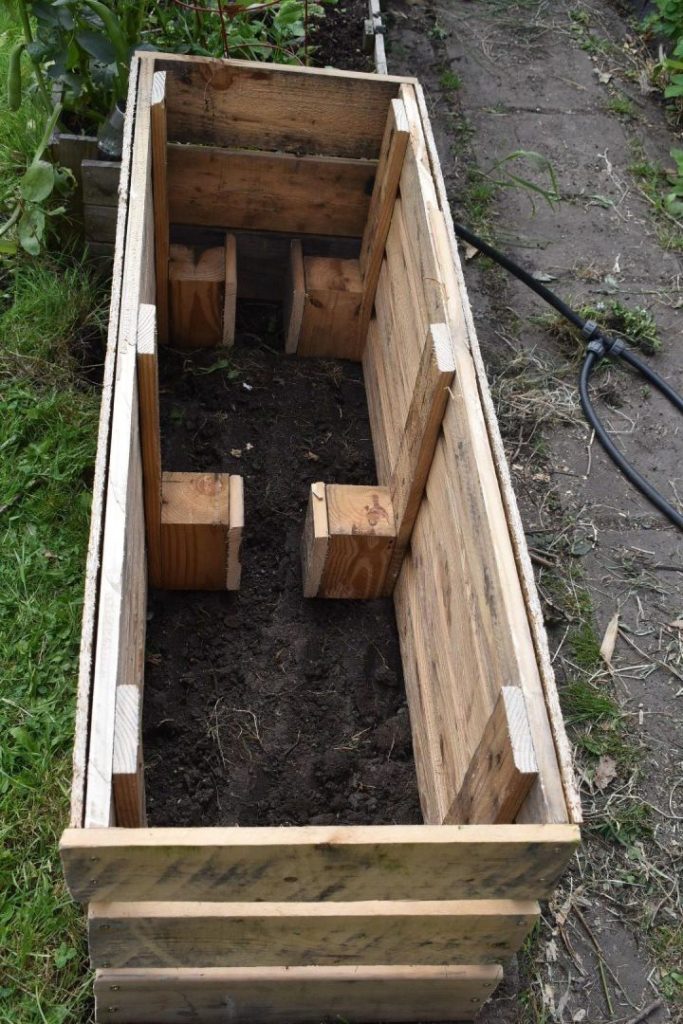
Are you looking for a creative and budget-friendly way to add charm to your garden or balcony? Making planters out of pallets might be exactly what you need.
Not only is it a fun DIY project, but it also lets you turn simple wooden pallets into beautiful, sturdy planters that showcase your favorite plants. Imagine having personalized planters that reflect your style and save you money. Keep reading, and you’ll discover easy steps and clever tips to transform pallets into eye-catching planters that will impress everyone who sees them.
Your green space is about to get a fresh, unique upgrade!
Choosing The Right Pallets
Making planters out of pallets is a great way to reuse wood. Choosing the right pallets is important for safety and durability.
Not all pallets are good for making planters. You should pick ones that are strong and safe for plants.
Types Of Pallets To Use
Wood pallets come in different types. Some are better for planters than others because of their wood and build.
- Hardwood pallets are strong and last longer.
- Softwood pallets are lighter but less durable.
- Heat-treated pallets are safer because they have no chemicals.
- Presswood pallets are made from compressed wood chips and may not hold up well outside.
Checking For Safety And Cleanliness
Check pallets for any chemicals or dirt before using them. Some pallets carry harmful substances that can hurt plants.
Look for stamps on pallets. Heat-treated pallets have “HT” marks. Avoid pallets with “MB” marks because they were treated with chemicals.
- Inspect pallets for mold or pests.
- Clean pallets by sanding or washing.
- Discard pallets with signs of rot or damage.
- Use gloves when handling pallets to protect your skin.

Credit: www.youtube.com
Gathering Tools And Materials
Making planters from pallets is a fun and creative project. Before starting, you need to collect all tools and materials. This helps your work go smoothly and safely.
Having everything ready means you won’t have to stop in the middle of the project. Let’s look at what you need.
Essential Tools For The Project
These tools help you cut, fix, and assemble the pallet wood into planters. Make sure your tools are in good condition and safe to use.
- Saw (hand saw or electric saw)
- Hammer
- Nails or screws
- Drill with drill bits
- Measuring tape
- Pencil for marking
- Sandpaper or electric sander
- Safety gloves and goggles
Additional Supplies Needed
Besides tools, you need some materials to build and finish your planters. These supplies protect the wood and help your plants grow well.
| Supply | Purpose |
|---|---|
| Pallet wood | Main building material |
| Wood stain or paint | Protects wood from weather |
| Wood glue | Strengthens joints |
| Plastic liner | Keeps soil and water inside |
| Potting soil | Fill the planter for plants |
| Plants or seeds | For planting in the finished planter |
Preparing The Pallets
Transforming pallets into planters is a fun and eco-friendly project. Before getting creative, prepare your pallets properly for safety and durability.
Follow these steps to ensure your pallets are clean and the right size for your garden needs.
Cleaning And Sanding
Cleaning and sanding your pallets removes dirt and splinters. This makes them safer and more attractive.
- Begin by scrubbing the pallets with soapy water.
- Rinse thoroughly and let them dry completely.
- Use sandpaper to smooth out rough edges and surfaces.
- Consider wearing gloves and a mask for protection.
Cutting And Sizing
Adjust the pallet size to fit your space. This step is crucial for creating planters that suit your garden.
| Tool | Purpose |
| Saw | Cut pallets to size |
| Measuring Tape | Ensure correct dimensions |
| Marker | Mark cutting lines |
Measure your space before cutting. Mark the pallets to guide your cuts accurately.

Credit: katebeavis.com
Designing Your Planter
Designing a planter from pallets is a fun way to add greenery to your space. You can create different shapes and styles to fit your needs.
Think about the size, shape, and how you want to arrange your plants before starting. This helps you build a planter that looks great and works well.
Basic Planter Styles
Simple planter styles are easy to build and fit most gardens. These include box, vertical, and tiered planters made from pallet wood.
Box planters hold soil and plants in a basic square or rectangle shape. Vertical planters use the pallet’s upright frame to grow plants on walls. Tiered planters stack sections to create levels for multiple plants.
- Box Planter: A simple open container for flowers or herbs.
- Vertical Planter: Plants grow upwards on pallet slats.
- Tiered Planter: Multiple levels for more planting space.
Creative Layout Ideas
Try new ways to arrange your planter for style and function. You can mix different planter styles or add decorations.
Use pallets to create unique shapes like L-forms or circles. Add small shelves or hooks to hold gardening tools or pots.
- Combine vertical and tiered sections for variety.
- Paint or stain pallets to match your outdoor decor.
- Add small shelves to hold extra plants or tools.
- Build an L-shaped planter to fit corner spaces.
- Use pallets to create circular or curved planters.
Assembling The Planter
Building a planter from pallets requires careful assembly. This step gives your planter shape and strength.
Focus on joining the pallet pieces securely. Then add support to keep the planter stable and durable.
Joining Pallet Pieces
Start by selecting the pallet boards you want to use. Cut them to the right size for your planter.
Use wood screws or nails to join the pieces. Make sure the edges line up evenly for a neat look.
- Lay the pieces flat on a stable surface
- Align the boards edge to edge
- Drill pilot holes to avoid splitting
- Secure with screws or nails
- Check that corners are square
Adding Support And Stability
Adding support helps the planter hold soil and plants safely. It also prevents wobbling and damage.
| Support Type | Purpose | Material |
| Corner Braces | Reinforce joints | Metal or wood |
| Cross Beams | Prevent bending | Wood slats |
| Bottom Slats | Hold soil and drainage | Wood with gaps |
Waterproofing And Finishing
Making planters from pallets is a great way to reuse wood. To keep them lasting longer, you must protect them from water and weather. Waterproofing and finishing help your planters stay strong and look nice.
This guide covers how to apply sealants and paint your pallet planters. These steps will keep your plants safe and your wood in good shape.
Applying Sealants
Sealants stop water from soaking into the wood. They protect the pallet from rain and dirt. Use a brush or spray to put the sealant evenly on all sides.
- Clean the wood before applying sealant.
- Use a waterproof wood sealer or outdoor varnish.
- Apply one thin coat and let it dry fully.
- Add a second coat for extra protection.
- Seal the inside and outside of the planter.
Painting And Decorating
Painting adds color and another layer of protection. Use paint made for outdoor wood to keep your planter safe from weather.
| Type of Paint | Best For | Drying Time |
| Acrylic Paint | Bright colors, easy to use | 1-2 hours |
| Oil-Based Paint | Strong protection, lasts longer | 6-8 hours |
| Chalk Paint | Matte finish, vintage look | 30 minutes |
After painting, you can add decorations like stencils or stickers. Finish with a clear coat to keep paint from peeling.
Planting And Maintenance Tips
Making planters out of pallets is a smart way to grow plants in small spaces. Proper planting and care help plants thrive in these unique containers.
Follow these tips to choose the right plants and keep them healthy in your pallet planters.
Choosing Suitable Plants
Select plants that fit well in pallet planters. Consider their size, root depth, and sunlight needs.
- Herbs like basil, thyme, and parsley grow well in shallow soil.
- Succulents need little water and thrive in pallet planters.
- Small flowers such as pansies and marigolds add color.
- Leafy greens like lettuce and spinach grow quickly.
- Avoid large plants that need deep soil and wide space.
Watering And Care Advice
Proper watering and care keep your pallet plants healthy and growing strong.
| Care Task | Advice |
|---|---|
| Watering | Water plants deeply but less often to encourage roots. |
| Drainage | Make sure pallets have holes or gaps for water to drain. |
| Sunlight | Place planters where plants get the right light amount. |
| Soil | Use good quality potting mix, not garden soil. |
| Fertilizing | Feed plants monthly with balanced fertilizer. |
| Pruning | Trim dead leaves to keep plants healthy. |

Credit: www.reddit.com
Troubleshooting Common Issues
Making planters from pallets is simple, but some problems may happen. Knowing how to fix these issues helps keep your planter strong and healthy.
Two common problems are wood rot and pests. This guide explains how to deal with both to protect your pallet planter.
Dealing With Wood Rot
Wood rot happens when pallets stay wet for too long. It can make the wood soft and weak, causing damage to your planter.
- Check pallets for soft or dark spots before use.
- Sand rough or damaged areas to remove rot.
- Apply a wood preservative or sealant to protect wood.
- Keep your planter in a spot with good air flow.
- Use a plastic liner inside the planter to avoid direct soil contact.
Preventing Pest Problems
Pests like termites and ants can harm pallet wood and plants. Preventing pests keeps your planter safe and plants healthy.
| Pest | Signs | Prevention |
|---|---|---|
| Termites | Hollow wood, mud tubes | Use treated wood, keep dry |
| Ants | Small holes, ant trails | Remove food sources, use natural repellents |
| Wood Borers | Small exit holes, sawdust | Seal wood, inspect regularly |
Frequently Asked Questions
How Do I Prepare Pallets For Planter Making?
Start by selecting clean, untreated pallets. Sand the wood to remove splinters. Remove any nails or staples carefully. This ensures safety and a smooth surface for painting or staining your planter.
What Tools Are Needed To Make Pallet Planters?
You will need a saw, hammer, nails or screws, a drill, measuring tape, and sandpaper. Optional tools include paintbrushes for finishing and a staple gun for securing liners.
Can Pallet Wood Withstand Outdoor Conditions?
Yes, pallet wood can last outdoors if sealed properly. Use weather-resistant paint or wood sealant to protect against moisture and decay, extending the planter’s lifespan.
What Plants Grow Best In Pallet Planters?
Herbs, succulents, and small flowers thrive well in pallet planters. Choose plants that fit the planter size and sunlight availability for healthy growth.
Conclusion
Making planters from pallets is a simple and fun project. You only need a few tools and some creativity. Pallets give wood a new purpose and add charm to your garden. These planters save money and help the environment. Try different designs to fit your space and style.
Growing plants in pallet planters brightens your home and outdoor areas. Start with small steps and enjoy the process. Soon, you will have unique planters that show your personal touch. Give it a try and watch your garden grow beautifully.