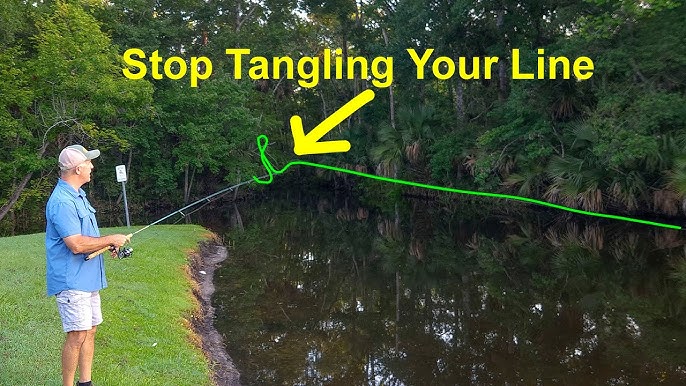
Are you ready to get the most out of your fishing rod? Knowing how to line your fishing rod properly can make all the difference between a frustrating day on the water and a successful catch.
Whether you’re a beginner or looking to improve your skills, this simple guide will help you set up your rod quickly and correctly. Imagine casting with confidence, knowing your line won’t tangle or break at the wrong moment. Keep reading, and you’ll learn easy steps to get your fishing line just right every time.
Choosing The Right Line
Picking the right fishing line is key to a good catch. The line affects how far you cast and how well you feel the fish.
Different lines suit different fishing needs. Learn about the main types to make a smart choice.
Monofilament Vs. Fluorocarbon
Monofilament is a single strand of nylon. It is stretchy and easy to handle. Fluorocarbon is denser and less visible underwater.
Monofilament works well for beginners because it knots easily. Fluorocarbon is better for clear water and shy fish.
Braided Line Benefits
Braided lines are made of many fibers woven together. They have very little stretch and high strength.
- Stronger than monofilament of the same diameter
- Good for heavy cover and deep water fishing
- Lasts longer and resists abrasion
- More sensitive to bites and movements
Line Strength And Test Ratings
| Line Type | Diameter (inches) | Test Strength (lbs) | Stretch (%) |
|---|---|---|---|
| Monofilament | 0.014 | 6 | 20-30 |
| Fluorocarbon | 0.013 | 6 | 10-15 |
| Braided | 0.010 | 15 | 2-5 |

Credit: fishgenix.com
Preparing Your Rod
Preparing your fishing rod is important before you start line fishing. It helps make sure your gear works well and lasts longer.
Check your rod carefully. Fix any problems before you attach the reel and line.
Inspecting Guides And Reel Seat
Look at the guides on your rod. These are the rings that the fishing line passes through.
Make sure the guides are clean and not bent. Bent guides can damage your fishing line.
- Check for cracks or rust on the guides
- Clean any dirt or salt from the guides
- Look at the reel seat for cracks or loose parts
The reel seat is where you attach the reel. It should hold the reel tightly and not move.
Attaching The Reel Properly
Place the reel into the reel seat carefully. Make sure it fits well and is straight.
Tighten the reel seat so the reel does not move. Loose reels can cause problems while fishing.
- Set the reel foot into the reel seat grooves
- Turn the locking rings until they are snug
- Check the reel is secure by gently moving it
- Adjust if you feel any wobble or looseness
Spooling The Line
Spooling the line onto your fishing rod is an important task. Doing it correctly helps avoid problems when fishing.
Follow these steps to ensure your line is spooled properly and ready for action.
Setting Up The Spool
Start by setting up the spool correctly. This ensures the line flows smoothly onto the reel.
- Place the spool on a flat surface.
- Ensure the line comes off the spool in the same direction as it goes onto the reel.
- Secure the line to the reel using a simple knot.
Maintaining Tension
Keep a steady tension on the line while spooling. This helps avoid loose loops that can cause tangles.
Avoiding Twists And Tangles
Twists and tangles are common problems if the line is not spooled properly. Follow these tips to avoid them.
| Problem | Solution |
| Line twisting | Ensure the line flows off the spool in the same direction it goes onto the reel. |
| Tangles | Keep steady tension and avoid overfilling the reel. |
Threading The Line
Threading the fishing line is a key task before casting. It helps the line flow smoothly through the rod guides.
Proper threading reduces tangles and improves your fishing experience. Let’s look at how to place guides and use the right technique.
Guides Placement And Sequence
Fishing rods have several guides along their length. These guides keep the line straight and control its path.
- Start threading from the bottom guide near the reel.
- Pass the line through each guide one by one.
- Follow the order of guides from the base to the tip.
- Make sure the line sits inside each guide ring smoothly.
Using The Right Technique
Threading needs steady hands and care. Using the right technique prevents damage and line twists.
| Technique | Tip |
| Hold the rod firmly | Keep it steady to avoid bending the guides |
| Use your fingers to guide the line | Gently pull the line through each guide |
| Check the line for twists | Twisted line can cause knots and weak casts |
| Secure the line on the reel | Tie a firm knot to prevent slipping |
Securing The Line
Securing the fishing line to your rod is important for a strong setup. A firm connection keeps the line from slipping or breaking.
This guide covers how to pick the right knot, tie the arbor knot, and test the knot’s security.
Knot Selection For Strength
Choose a knot that holds tight under pressure. Some knots are better for certain line types and fishing conditions.
- Palomar knot – strong and simple for braided line
- Improved clinch knot – common and easy for monofilament
- Arbor knot – best for attaching line to reel spool
- Uni knot – versatile and reliable for many lines
Tying The Arbor Knot
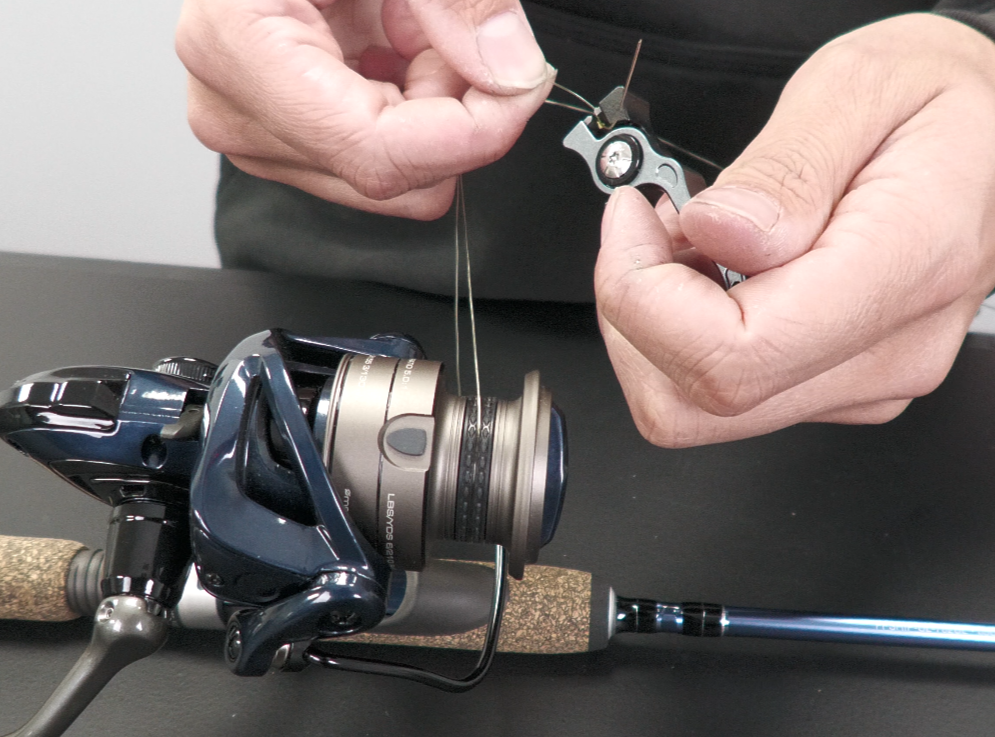
The arbor knot secures your line to the reel spool. It is simple and holds well under tension.
- Wrap the line around the reel spool.
- Tie an overhand knot around the main line.
- Tie a second overhand knot at the tag end.
- Pull both knots tight against the spool.
- Trim the tag end close to the knot.
Testing Knot Security
Always test your knot before fishing. A secure knot avoids losing fish or gear.
| Test Method | What to Check |
| Pull Test | Line should not slip or loosen |
| Visual Inspection | Knots look tight and neat |
| Water Test | Knots hold after wetting the line |
| Re-tie if Needed | Replace knots that slip or fray |
Adjusting Line Tension
Adjusting line tension is key to successful fishing. It helps control the fish and protects the line from breaking.
Too much tension can snap the line. Too little tension lets fish escape. You must find the right balance.
Drag Settings For Different Fish
Drag controls how much resistance a fish feels when pulling the line. Different fish need different drag settings.
Set the drag lower for small fish to avoid breaking the line. For big fish, increase drag to tire them out.
- Small fish (trout, panfish): Light drag setting
- Medium fish (bass, walleye): Moderate drag setting
- Large fish (catfish, pike): Heavy drag setting
Fine-tuning For Casting Distance
Line tension also affects how far you can cast. Too tight a line can shorten your cast.
Loosen the tension slightly to let the line flow smoothly. This helps you cast farther and more accurately.
- Check the reel tension knob before casting
- Adjust tension to match your casting style
- Practice casting to find the best tension
Maintaining Your Setup
Keeping your line fishing rod in good condition helps you fish better. Regular care stops problems before they start.
Two key parts of maintenance are cleaning and inspecting the line, and replacing worn sections. Both keep your setup working well.
Cleaning And Inspecting Line
Clean your fishing line after every fishing trip. Dirt, salt, and debris can damage it over time. Use fresh water and a soft cloth to wipe the line gently.
- Rinse the line with fresh water to remove salt and dirt
- Use a soft cloth to wipe the line along its length
- Check for cracks, nicks, or frays on the line
- Look for discoloration that may show damage
- Dry the line completely before storing your rod
Replacing Worn Sections
Replace parts of the line that show wear. Worn sections can break and cause you to lose fish. Changing the line keeps your setup strong.
| Signs of Worn Line | Action |
| Frays or nicks visible | Cut out the damaged section and retie |
| Line feels rough or weak | Replace the entire line spool |
| Line color faded or uneven | Inspect closely and replace if needed |
| Line twists or tangles often | Check guides and replace line as needed |

Credit: mossyoakgamekeeper.com
Credit: www.fishusa.com
Frequently Asked Questions
How Do I Choose The Right Fishing Line For My Rod?
Selecting the right line depends on your fishing style and target species. Match line strength to rod capacity. Use monofilament for versatility and fluorocarbon for invisibility. Braided lines offer high strength with low stretch. Always check rod specifications before choosing a line.
What Is The Best Way To Spool A Fishing Rod?
Start by attaching the line to the reel spool securely. Keep tension on the line while winding. Spool evenly to avoid line twists and tangles. Fill the spool about 80% full to prevent overfilling and line damage. Proper spooling ensures smooth casting and retrieval.
How Often Should I Replace The Fishing Line?
Replace your fishing line every few months or after heavy use. Exposure to sun, water, and abrasion weakens the line over time. Change line if you notice frays, discoloration, or loss of strength. Regular replacement improves performance and reduces the chance of losing fish.
Can I Use Any Line Type On Any Rod?
Not all lines suit every rod. Check the rod’s recommended line weight and type. Using the wrong line can reduce casting efficiency and cause damage. Match line type to your fishing conditions and rod specifications for best results.
Conclusion
Tying your fishing line properly improves your catch rate. It keeps the line strong and prevents breaks. Practice the steps slowly to get it right. Use the right knots and check your work. A well-lined rod makes fishing more fun and less frustrating.
Keep your gear ready and enjoy your time by the water. Small efforts lead to better fishing results every time. Simple tips, big difference.