Are you struggling to keep your roses healthy and blooming beautifully? Choosing the right plant food can make all the difference in growing vibrant, fragrant roses that catch everyone’s eye.
But with so many options out there, how do you know which one is truly the best for your roses? You’ll discover simple, effective ways to feed your roses so they thrive season after season. Keep reading, and you’ll soon have the secret to stunning roses right at your fingertips.
Choosing Plant Food For Roses
Roses need good plant food to grow healthy and bloom well. Choosing the right food helps roses get the right nutrients.
There are many types of plant food. Knowing their differences helps you pick the best one for your roses.
Types Of Plant Food
Plant food comes in many forms. Some are made for slow feeding. Others work fast to feed plants quickly.
Common types include granular, liquid, and spikes. Each type has good uses for roses in different situations.
- Granular fertilizers release nutrients slowly
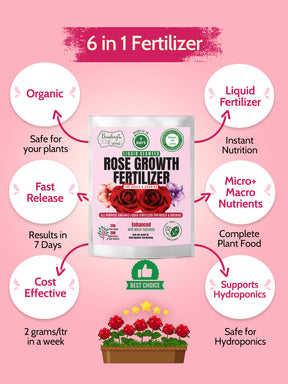
- Liquid fertilizers feed plants quickly
- Spike fertilizers provide steady nutrition
Organic Vs. Synthetic Options
Organic plant food comes from natural sources like compost. It helps soil improve over time.
Synthetic fertilizers are made with chemicals. They give nutrients fast but do not improve soil health.
- Organic feeds soil microbes and plants
- Synthetic acts quickly to boost plant growth
- Organic releases nutrients slowly
- Synthetic can be stronger but risks overfeeding
Granular Vs. Liquid Fertilizers
Granular fertilizers come as small pellets or crystals. They release nutrients slowly as you water or rain.
Liquid fertilizers mix with water and feed plants fast. They are easy to apply but need more frequent use.
- Granular lasts longer in soil
- Liquid works faster for quick results
- Granular is good for steady feeding
- Liquid is ideal for quick boosts or foliar feeding
Key Nutrients For Rose Growth
Roses need the right nutrients to grow strong and healthy. Good plant food gives roses what they need to bloom well.
Understanding these nutrients helps you pick the best food for your rose plants.
Role Of Nitrogen
Nitrogen helps rose plants grow lush green leaves. It supports strong stem growth. Without enough nitrogen, roses may look weak and pale.
Importance Of Phosphorus
Phosphorus is key for root growth and flower development. It helps roses build strong roots and produce bright blooms.
Potassium Benefits
Potassium improves rose plants’ ability to resist diseases. It also helps with water regulation and overall plant health.
- Enhances flower color and size
- Improves drought tolerance
- Boosts disease resistance
- Supports nutrient uptake
Micronutrients To Consider
| Micronutrient | Function |
|---|---|
| Iron | Helps make chlorophyll for green leaves |
| Magnesium | Supports photosynthesis and leaf health |
| Calcium | Strengthens cell walls and root growth |
| Boron | Assists in flower and fruit development |
Best Fertilizer Ingredients For Roses
Roses need the right nutrients to bloom beautifully. Choosing the best plant food can make a big difference in their growth.
There are various ingredients that benefit roses. Understanding these can help you select the ideal fertilizer.
Natural Ingredients
Natural ingredients are great for roses. They enrich the soil and promote healthy growth.
- Bone meal provides phosphorus for strong roots.
- Compost adds essential nutrients and improves soil structure.
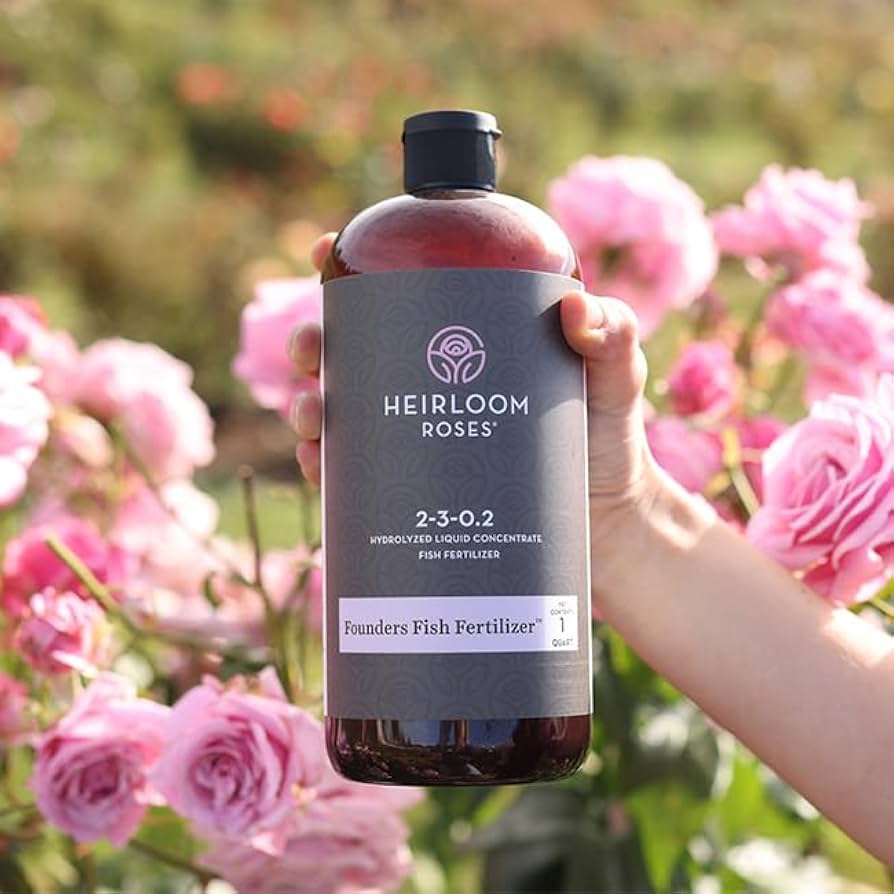
- Fish emulsion supplies nitrogen for lush leaves.
Chemical Additives
Chemical additives can also benefit roses. They offer targeted nutrients for specific needs.
- Nitrogen boosts leaf growth and overall health.
- Phosphorus encourages robust root development.
- Potassium helps in flowering and disease resistance.
Slow-release Formulas
Slow-release formulas provide nutrients over time. This ensures a steady supply for the roses.
These formulas reduce the need for frequent feeding. They are convenient for busy gardeners.

Credit: www.amazon.com
Feeding Schedule For Healthy Roses
Roses need regular feeding to grow strong and bloom well. A good feeding schedule helps keep them healthy all year.
Choosing the right plant food and feeding at the right times improves rose growth and flower quality.
Seasonal Feeding Tips
Feed roses differently in each season. This matches their growth stages and weather changes.
In spring, use a balanced fertilizer to support new growth. Summer needs more potassium for blooms. Reduce feeding in fall.
- Spring:Balanced fertilizer (NPK 10-10-10)
- Summer:Potassium-rich fertilizer (NPK 5-10-10)
- Fall:Light feeding or stop to prepare for dormancy
Frequency Of Application
Feed roses every 4 to 6 weeks during the growing season. This keeps nutrients steady without overfeeding.
Apply fertilizer less often in cooler months. Overfeeding can harm roots and slow growth.
- Feed every 4 weeks in spring and summer
- Feed every 6 weeks in early fall
- Stop feeding in late fall and winter
Adjusting For Climate And Soil
Soil type and climate affect how often and what you feed your roses. Sandy soil drains fast and needs more frequent feeding.
In hot climates, feed lightly but often. Cooler climates need fewer feedings but richer nutrients.
| Condition | Feeding Tips |
|---|---|
| Sandy Soil | Feed every 3-4 weeks with organic fertilizer |
| Clay Soil | Feed every 6 weeks, avoid overwatering |
| Hot Climate | Light feeding every 3-4 weeks |
| Cool Climate | Feed less often with nutrient-rich fertilizer |
Common Mistakes In Rose Feeding
Feeding roses the right way helps them grow strong and bloom well. Many gardeners make simple mistakes that hurt their plants. Learning what not to do can save your roses from harm.
Below are common errors in rose feeding. These tips help you avoid problems and keep your roses healthy.
Overfertilizing Risks
Giving too much fertilizer can burn rose roots and stop blooms. Roses need balanced feeding. Too much fertilizer causes weak stems and leaf damage.
- Leaves turn yellow or brown at edges.
- Growth becomes soft and spindly.
- Plants may stop flowering.
- Soil salt buildup can harm roots.
Underfeeding Signs
Roses need enough nutrients to grow well. Underfeeding shows in slow growth and poor blooms. Lack of food makes leaves small and pale.
| Symptom | Cause | Effect on Roses |
|---|---|---|
| Small leaves | Not enough nitrogen | Weak growth |
| Pale or yellow leaves | Low iron or magnesium | Less photosynthesis |
| Few flowers | Insufficient phosphorus | Reduced blooming |
Improper Application Techniques
How you apply fertilizer matters. Wrong methods waste nutrients and hurt roses. Applying on leaves or in dry soil can cause damage.
- Apply fertilizer near the roots, not on leaves.
- Water the soil after feeding to help absorption.
- Do not feed roses during very hot or dry weather.
- Use slow-release fertilizers to avoid quick nutrient spikes.
Supplementing With Compost And Mulch
Roses need good nutrients to grow strong and bloom well. Compost and mulch help feed the soil. They also keep the soil healthy and moist.
Using compost and mulch together gives roses the best chance to thrive. These natural supplements improve the soil and protect the roots.
Benefits Of Compost
Compost adds organic matter and nutrients to the soil. It helps roses grow deep roots and resist diseases. Compost also improves soil texture and water retention.
- Supplies essential nutrients slowly
- Enhances soil structure and drainage
- Feeds helpful microorganisms
- Reduces the need for chemical fertilizers
- Improves moisture retention in dry weather
Using Mulch To Retain Nutrients
Mulch covers the soil around rose plants. It keeps the soil cool and moist. Mulch stops weeds from growing and stealing nutrients.
| Mulch Type | Benefit |
| Wood Chips | Break down slowly and add nutrients |
| Straw | Lightweight and good for moisture retention |
| Leaves | Free and rich in organic matter |
| Grass Clippings | Quick nutrient release but use thin layers |
Diy Composting Tips
You can make your own compost at home. Use kitchen scraps and garden waste. Turn the pile often to add air. Keep it moist but not wet.
- Collect vegetable peels, coffee grounds, and eggshells
- Add dry leaves, shredded paper, and small branches
- Mix the materials in a compost bin or pile
- Turn the compost every few days for air flow
- Wait a few months until dark soil forms
Special Considerations For Different Rose Types
Roses vary in type, and each kind needs special care. Choosing the right plant food helps them grow strong and bloom well.
Understanding the needs of different rose types guides you to pick the best fertilizer and feeding schedule.
Hybrid Teas
Hybrid tea roses need balanced nutrition to produce large, single blooms. They benefit from fertilizers rich in phosphorus for flower growth and potassium for overall health.
- Use a fertilizer with a balanced NPK ratio like 10-10-10 or 12-12-12.
- Feed every 4 to 6 weeks during the growing season.
- Avoid too much nitrogen to prevent excess leaf growth over flowers.
Climbing Roses
Climbing roses grow vigorously and need nutrients that support strong stems and many blooms. They require more nitrogen than hybrid teas to fuel leaf and cane growth.
| Fertilizer Element | Purpose | Recommended Amount |
|---|---|---|
| Nitrogen (N) | Supports leaf and stem growth | Higher than phosphorus and potassium |
| Phosphorus (P) | Helps root and flower development | Moderate level |
| Potassium (K) | Improves disease resistance | Moderate level |
Shrub Roses
Shrub roses are hardy and less demanding. They do well with organic plant foods that release nutrients slowly to support steady growth.
Try organic options like:
- Compost
- Manure
- Bone meal
- Fish emulsion
Troubleshooting Nutrient Deficiencies
Roses need the right nutrients to grow healthy. Lack of nutrients causes problems in leaves, blooms, and stems.
Understanding these issues helps you choose the best plant food for roses. Fixing nutrient deficiencies improves your rose garden.
Yellow Leaves And Chlorosis
Yellow leaves often show that roses miss important nutrients. Chlorosis is when leaves turn yellow but veins stay green.
This happens when roses lack iron or magnesium. Both nutrients help leaves make food from sunlight.
- Iron deficiency causes yellow leaves with green veins
- Magnesium lack makes yellow between leaf veins
- Check soil pH; wrong pH stops nutrient uptake
- Use plant food with iron and magnesium
Poor Blooming Issues
When roses bloom poorly, they may lack phosphorus or potassium. These nutrients support flower growth and strength.
Too much nitrogen also causes fewer flowers but lots of leaves. Balance nutrients for best blooms.
- Phosphorus helps make more flowers
- Potassium improves flower size and color
- Limit nitrogen to avoid leafy plants without flowers
- Apply bloom-boosting fertilizer in growing season
Weak Stem Problems
Weak or thin stems show a lack of calcium or boron. These nutrients keep stems strong and healthy.
Without them, stems break easily and plants may fall over. Good soil and proper fertilizing prevent this.
- Calcium builds strong cell walls in stems
- Boron helps move nutrients inside the plant
- Add calcium-rich fertilizers if stems are weak
- Use balanced plant food with micronutrients
Top Recommended Plant Foods For Roses
Roses need the right food to grow healthy and bloom well. Choosing the best plant food helps your roses get strong roots and bright flowers.
This guide shows popular plant foods for roses, easy homemade recipes, and places to buy them.
Popular Commercial Brands
Many gardeners use commercial rose fertilizers. These products contain nutrients roses need in balanced amounts.
- Espoma Rose-tone: A natural fertilizer with slow release nutrients.
- Miracle-Gro Water Soluble Rose Plant Food: Quick feeding with easy application.
- Jobe’s Organics Rose & Flower Fertilizer Spikes: Convenient spikes for steady feeding.
- Dr. Earth Organic Rose Fertilizer: Organic mix with beneficial microbes.
- Osmocote Smart-Release Plant Food: Long-lasting with controlled nutrient release.
Homemade Fertilizer Recipes
You can make plant food at home using simple ingredients. These recipes are gentle and safe for roses.
- Banana Peel Fertilizer: Chop banana peels and bury near the rose roots for potassium.
- Eggshell Fertilizer: Crush eggshells and mix into soil to add calcium.
- Compost Tea: Steep compost in water for 24 hours, then water your roses with it.
- Used Coffee Grounds: Mix coffee grounds lightly into soil for nitrogen.
- Fish Emulsion: Dilute fish emulsion in water and feed roses for quick nutrient boost.
Where To Buy
You can find rose plant foods at many stores and online shops. Choose places with good reviews.
- Garden centers and nurseries often stock commercial rose fertilizers.
- Big box stores like Home Depot and Lowe’s have many plant food options.
- Online retailers offer a wide selection and delivery to your door.
- Local farmers markets may sell natural and homemade fertilizers.
- Specialty organic stores carry eco-friendly products for roses.

Credit: www.gardeningcharlotte.com
Credit: www.bombaygreens.com
Frequently Asked Questions
What Nutrients Do Roses Need Most In Plant Food?
Roses primarily need nitrogen, phosphorus, and potassium for healthy growth. Nitrogen boosts leafy growth, phosphorus supports blooms, and potassium strengthens roots and disease resistance.
How Often Should I Feed Roses With Plant Food?
Feed roses every 4 to 6 weeks during the growing season. Regular feeding promotes continuous blooming and healthy foliage. Avoid overfeeding to prevent root burn.
Can Organic Plant Food Improve Rose Health?
Yes, organic plant food enriches soil naturally and improves rose health. It provides slow-release nutrients and enhances soil microbes, leading to stronger and more vibrant roses.
Is Liquid Or Granular Plant Food Better For Roses?
Both are effective; liquid feeds act quickly, granular feeds last longer. Use liquid for immediate nutrient boost and granular for sustained feeding. Choose based on your rose care routine.
Conclusion
Choosing the right plant food helps roses grow healthy and strong. Roses need nutrients like nitrogen, phosphorus, and potassium. Balanced fertilizers support vibrant colors and many blooms. Organic options improve soil and feed roses gently. Regular feeding keeps roses blooming through the season.
Test your soil to pick the best food type. Healthy roses bring beauty and joy to any garden. Remember, consistent care makes a big difference. Your roses will thank you with bright, fresh flowers.