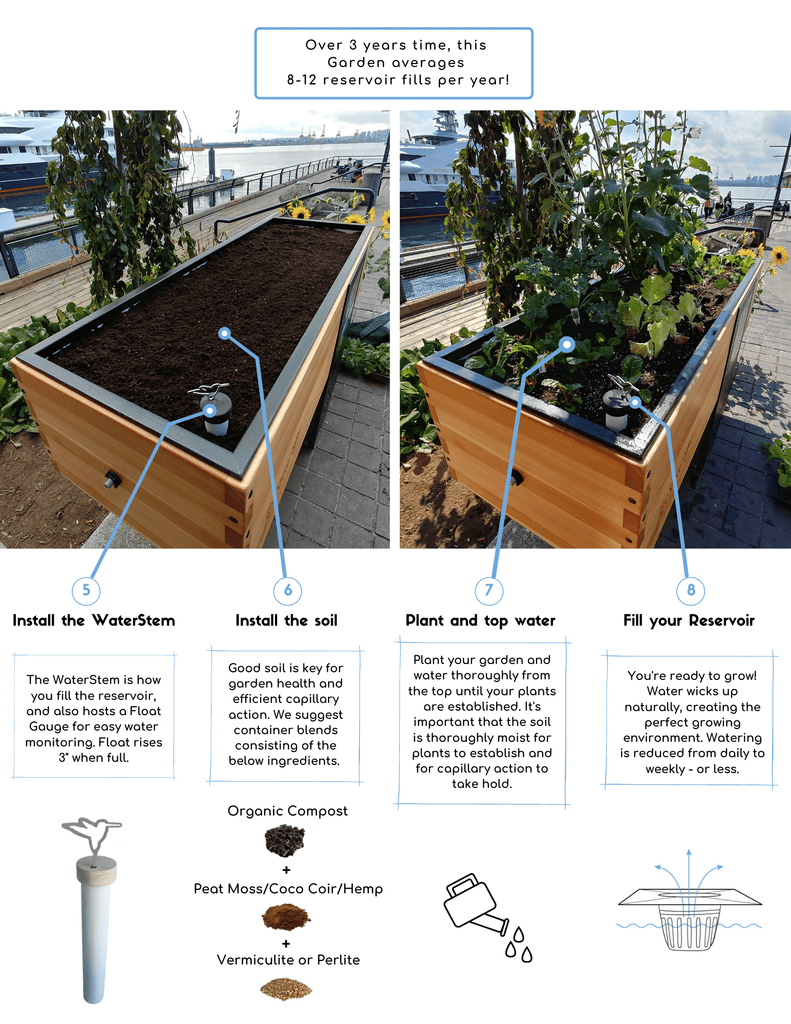
Are you tired of forgetting to water your plants or worried about leaving them dry when you’re away? Imagine having a planter that takes care of your plants almost by itself.
With DIY self-watering planters, you can make this happen easily and affordably. These smart planters save you time, keep your plants healthy, and reduce water waste. Keep reading, and you’ll discover simple steps to create your own self-watering planter that fits your space and style perfectly.
Your plants will thank you!
Benefits Of Self Watering Planters
Self watering planters help plants grow with less effort. They use a water reservoir to keep soil moist.
These planters are great for beginners and busy gardeners. They make caring for plants easier and more efficient.
Water Conservation
Self watering planters save water by reducing waste. Water goes directly to the roots, not spilled on leaves or soil surface.
This system uses water slowly and evenly. It stops water from evaporating quickly, helping you use less water overall.
- Reduces water runoff and spills
- Minimizes evaporation losses
- Helps plants absorb water better
Healthier Plants
Plants stay healthy with steady water supply. This prevents overwatering or underwatering, which can harm roots.
Self watering planters keep soil moist and fresh. Roots get oxygen and water, which helps plants grow strong and green.
- Prevents root rot caused by too much water
- Stops plants from drying out
- Promotes steady plant growth
Time Savings
These planters need less frequent watering. You can spend less time watering and more time enjoying your plants.
They are perfect for busy people or those who travel. Plants get water even when you forget or are away.
- Reduces daily watering chores
- Keeps plants hydrated during trips
- Allows for easy garden maintenance
Materials Needed
Creating self watering planters is easy and fun. You need simple materials that you can find around your home or garden.
Gathering the right supplies will help your plants grow with less effort. Let’s look at the key materials needed for your project.
Recycled Containers
Use recycled containers to save money and help the environment. They can hold water and soil for your plants.
- Plastic bottles
- Old jars or tins
- Used buckets or tubs
- Milk cartons
- Broken pots
Wicking Materials
Wicking materials draw water from the reservoir to the soil. Choose materials that absorb water well and last long.
| Material | Description |
| Cotton rope | Easy to find and absorbs water quickly |
| Old shoelaces | Good absorbency and easy to thread |
| Strip of cloth | Use natural fibers for best results |
| Rag strips | Recycled fabric pieces work well |
Soil And Plants
Choose the right soil and plants for your self watering planter. The soil must hold moisture but drain well.
- Potting soil with good drainage
- Succulents and herbs that need less water
- Vegetables like lettuce or spinach
- Small flowering plants
Step-by-step Construction
Creating a self-watering planter is a fun and simple project. It helps keep your plants hydrated without frequent watering.
This guide will walk you through building your own self-watering planter. Follow the steps and enjoy your thriving plants.
Preparing The Container
Choose a container that suits your plant’s size. Ensure it is deep enough for roots to grow.
Drill holes at the bottom for drainage. This prevents water from accumulating and rotting roots.
Setting Up The Water Reservoir
Use a smaller container or a plastic bottle for the reservoir. Place it at the bottom of your main container.
The reservoir stores water and keeps the soil moist. Make sure it fits snugly in the main container.
Installing The Wick
The wick pulls water from the reservoir to the soil. Use a cotton rope or a strip of fabric for this.
Place one end of the wick in the reservoir. Stretch the other end into the soil area.
Adding Soil And Plants
Fill the container with potting soil. Make sure it is light and well-draining.
Plant your chosen plants in the soil. Water them lightly to get started.
- Ensure the wick is covered with soil.
- Do not overfill the reservoir.
- Check water levels regularly.
Best Plants For Self Watering Planters
Self watering planters make plant care easier. They supply water when plants need it most.
Choosing the right plants helps you get the best results. Some plants thrive better in these planters.
Herbs
Many herbs do well in self watering planters. They enjoy steady moisture without being waterlogged.
- Basil grows quickly and likes consistent water.
- Mint thrives with steady moisture but keep it contained.
- Parsley prefers damp soil and benefits from self watering.
- Cilantro needs even watering for best growth.
Succulents
Succulents need less water but some fit self watering planters well. They avoid drying out too fast.
| Succulent Type | Watering Frequency | Notes |
| Aloe Vera | Low | Use planters with good drainage |
| Haworthia | Low to Medium | Likes moist soil but not soggy |
| Jade Plant | Low | Water sparingly; avoid overwatering |
Vegetables
Vegetables with moderate water needs grow well in self watering planters. They stay hydrated for longer.
Here are some vegetables good for these planters:
- Lettuce – prefers moist soil for crisp leaves.
- Spinach – grows fast with steady water supply.
- Tomatoes – need regular water but watch for root rot.
- Peppers – enjoy consistent moisture but avoid waterlogging.
Maintenance Tips
Keeping your DIY self-watering planter in good shape ensures your plants grow well. Simple care routines help prevent problems and save time.
Here are easy tips on refilling, cleaning, and fixing common issues with your planter.
Refilling Water
Refill the water reservoir often to keep plants hydrated. Check water levels every few days, especially in warm weather.
- Use clean water to avoid blockages.
- Fill the reservoir until it reaches the indicated level.
- Do not overfill to prevent spills and root rot.
- Top up water more frequently during hot seasons.
Cleaning The Planter
Regular cleaning stops mold and algae growth. It also keeps water flowing well through the planter system.
| Part | Cleaning Method | Frequency |
| Water reservoir | Empty and rinse with mild soap and water | Once a month |
| Soil container | Remove dead roots and old soil, replace with fresh soil | Every 3 months |
| Wicks or tubes | Soak in warm water and scrub gently | Every 2 months |
Troubleshooting Common Issues
Check these common problems if your planter is not working well. Fix them quickly to help your plants stay healthy.
- Water not reaching soil:Clear any blockages in the wick or tubes.
- Water leaking:Check for cracks in the reservoir and seal if needed.
- Plant wilting:Make sure the reservoir has enough water and soil is moist.
- Foul smell:Clean the planter parts and replace old water.

Credit: www.familyhandyman.com
Eco-friendly Advantages
Do it yourself self watering planters help the environment in many ways. They are simple to make and save resources.
These planters support eco-friendly gardening by reducing waste and saving water. They also help grow plants sustainably.
Reducing Plastic Waste
DIY self watering planters often reuse old containers. This stops plastic from being thrown away.
Using what you have lowers the need to buy new plastic pots. This helps cut down plastic pollution.
- Reuse bottles, jars, or containers
- Keep plastic out of landfills
- Lower demand for new plastic products
Lowering Water Usage
Self watering planters use water efficiently. They deliver water directly to plant roots where it is needed most.
This reduces water loss from evaporation or runoff. It helps save water in dry areas and during droughts.
- Water stays in soil longer
- Plants get steady moisture
- Less frequent watering needed
Promoting Sustainable Gardening
Building your own self watering planter teaches green habits. It encourages using natural and recycled materials.
This way of gardening grows healthy plants without harming nature. It supports long-term care for the environment.
- Use organic soil and compost
- Reuse containers and tools
- Grow plants with less waste
Creative Design Ideas
Building your own self watering planters lets you add style to your garden. These planters save time by watering plants automatically. You can design them to fit your space and taste.
Explore creative ideas that use vertical space, recycled materials, and decorative touches. These tips help you create unique and useful planters at home.
Vertical Gardens
Vertical gardens use walls or fences to grow plants upwards. This saves floor space and looks great. You can make vertical self watering planters with pockets or stacked containers.
- Use hanging pockets with built-in water reservoirs
- Stack small pots with a drip irrigation system
- Attach recycled bottles on a wooden frame
- Install a vertical pipe system with holes for plants
Upcycled Planters
Upcycled planters reuse old containers to create self watering pots. This is good for the environment and your budget. You can turn many items into planters with water storage.
| Container Type | How to Make Self Watering |
| Plastic Bottles | Cut in half, invert top as water funnel |
| Old Buckets | Drill holes and add a water reservoir inside |
| Wooden Crates | Line with plastic, add water reservoir below soil |
| Food Tins | Add wicks and water storage inside |
Decorative Finishes
Decorate your planters to match your style. Paint them, add patterns, or use natural textures. Finishing touches make your planters stand out and blend with your space.
Decoration Ideas for Self Watering Planters:
- Use waterproof paint for bright colors
- Wrap with jute rope or fabric for a rustic look
- Glue mosaic tiles or stones for texture
- Stencil patterns or plant names on pots

Credit: www.youtube.com

Credit: amysmartgirls.com
Frequently Asked Questions
What Are Self Watering Planters And How Do They Work?
Self watering planters have a reservoir that supplies water to plants gradually. They reduce watering frequency and maintain consistent soil moisture. This system helps plants grow healthier by preventing over or underwatering.
How Can I Make A Diy Self Watering Planter?
Use recycled containers, a water reservoir, and a wick or soil tube. Assemble by placing the reservoir below the soil with the wick connecting water to roots. It’s simple, cost-effective, and ideal for beginners.
What Are The Benefits Of Self Watering Planters?
They save water, reduce maintenance, and promote healthy plant growth. These planters prevent root rot by providing steady moisture. They also save time and are perfect for busy gardeners.
Which Plants Thrive Best In Self Watering Planters?
Herbs, vegetables, and houseplants like basil, tomatoes, and peace lilies do well. Plants needing consistent moisture benefit most. Avoid those preferring dry soil, like succulents or cacti.
Conclusion
DIY self-watering planters save time and keep plants healthy. They reduce watering frequency and help plants grow strong. Creating your own planter is easy and fun. You only need simple materials and a little effort. These planters suit busy people and beginners alike.
Try making one and see the difference yourself. Your plants will thank you with vibrant growth. Start today and enjoy hassle-free gardening at home. Simple steps lead to great results. Why wait? Your garden deserves this smart touch.