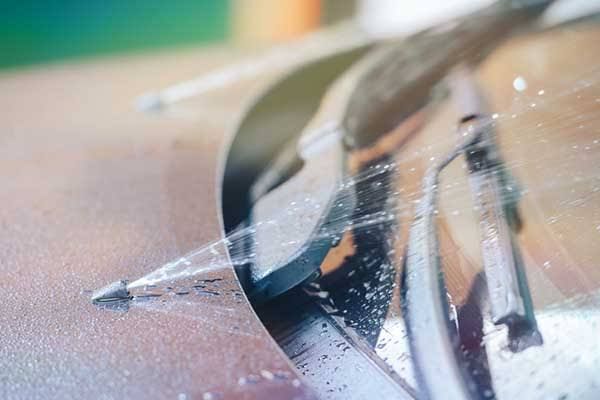
Have you ever tried to clean your windshield, only to find that the wiper sprayers aren’t working? It’s frustrating when your view gets blurry, and those tiny nozzles just won’t spray water.
But don’t worry—you can fix this yourself without spending a dime on a mechanic. You’ll learn simple, effective ways to unclog your windshield wiper sprayers quickly. Keep reading to get your sprayers working like new and enjoy a clear, safe drive every time.

Credit: www.amazon.ca
Common Causes Of Clogged Sprayers
Windshield wiper sprayers help keep your windshield clean. Sometimes, they stop working well. Clogged sprayers are a common problem.
Understanding what causes these blockages can help you fix the issue fast. Three main reasons cause sprayers to clog.
Dirt And Debris Buildup
Dirt, dust, and small debris can enter the sprayer nozzles. This buildup blocks water flow and lowers spray pressure.
- Dust from the road
- Leaves and small twigs
- Insects caught in the nozzle
- Residue from car wax or polish
Frozen Nozzles
In cold weather, water in the sprayer nozzles can freeze. Ice blocks the spray holes and stops water from coming out.
| Cause | Effect |
| Freezing temperatures | Water freezes inside nozzle |
| Ice formation | Sprayer blockage |
| Frozen nozzle | No water spray |
Blocked Hoses
The hoses that carry fluid to the sprayers can get clogged. Dirt or damage inside the hose reduces or stops fluid flow.
Signs of blocked hoses include:
- Weak or no spray from one side
- Fluid leaks under the car
- Visible cracks or wear on hoses
Credit: www.91wheels.com
Tools Needed For Fixing Sprayers
Windshield wiper sprayers can get clogged from dirt or debris. Fixing them needs simple tools you can find at home or buy easily.
This guide shows the basic cleaning supplies and specialized tools you need. These tools help clear the blockage and make the sprayers work again.
Basic Cleaning Supplies
Basic cleaning supplies help remove dirt and grime from sprayer nozzles. These items are common and affordable.
Using these supplies carefully can clear minor blockages and improve sprayer spray patterns.
- Clean water for rinsing the nozzles
- A soft cloth or microfiber towel
- A small pin or needle to clear nozzle holes
- Dish soap to remove grease or sticky dirt
- A spray bottle with diluted vinegar for mineral deposits
Specialized Tools
Specialized tools help when the clog is tough or deep inside the sprayer system. These tools work better than just cleaning supplies.
They make the cleaning process faster and help avoid damage to the sprayer parts.
- Compressed air canister or air compressor to blow out dirt
- Thin wire or a fine brush made for cleaning small tubes
- Plastic tubing or syringe to flush cleaning solution inside sprayer lines
- Replacement sprayer nozzles if the old ones are broken or too clogged
- Small adjustable wrench to disconnect sprayer hoses safely
Step-by-step Cleaning Process
Windshield wiper sprayers can get clogged with dirt and debris. This affects their performance. Learn how to clean them step-by-step. Ensure clear visibility while driving.
Follow these easy steps to unclog your windshield wiper sprayers. Keep your windshield clean and clear.
Inspecting The Nozzles
First, check the nozzles for any visible blockages. They are usually located on the hood near the windshield.
- Look for dirt or grime build-up around the nozzle openings.
- Use a pin or needle to gently remove any blockages.
- Ensure nozzles are aligned correctly for optimal spray coverage.
Clearing Dirt And Debris
Once you inspect the nozzles, it’s time to clear any dirt or debris. This step ensures the sprayers function correctly.
Use compressed air to blow out any stubborn particles. Hold the can upright and aim at the nozzle openings.
Flushing The System
Finally, flush the system to remove any remaining debris. This keeps the entire spray system clean and effective.
| Action | Details |
| Fill the reservoir | Use a cleaning solution or water |
| Run the sprayers | Activate until the fluid runs clear |
| Check for leaks | Ensure no fluid leaks from hoses |
By following these steps, your windshield wiper sprayers will work efficiently. Enjoy a clear view while driving in any weather.
Preventive Tips To Avoid Clogs
Clogged windshield wiper sprayers reduce visibility and safety. You can stop clogs by using the right fluids and caring for the system.
Simple habits protect your sprayers and keep them working well all year.
Using Proper Washer Fluid
Choosing the right washer fluid helps avoid dirt and deposits that block sprayers. Avoid plain water or homemade mixes.
- Use fluids made for windshield washers.
- Pick fluids with cleaning agents for grime and bugs.
- Check for antifreeze properties in cold climates.
- Refill with fresh fluid regularly.
Regular Maintenance
Regular checks stop clogs before they start. Clean the sprayer nozzles and hoses often.
| Task | How Often | Method |
| Check for blockages | Monthly | Spray fluid and watch flow |
| Clean nozzles | Every 3 months | Use a pin or needle to clear holes |
| Inspect hoses | Every 6 months | Look for cracks or leaks |
Protecting Nozzles In Winter
Winter brings ice and snow that block sprayers. Protect nozzles to keep fluid flowing.
- Use washer fluid with antifreeze to stop freezing.
- Park in a garage or covered spot to avoid ice buildup.
- Clear ice gently from nozzles with warm water, not sharp tools.
- Test sprayers after cold nights to catch issues early.
When To Seek Professional Help
Windshield wiper sprayers can stop working properly for many reasons. Sometimes, you can fix the problem yourself. Other times, the issue needs expert attention.
Knowing when to call a professional saves time and prevents damage. Read on to learn key signs that mean it is time to seek help.
Persistent Sprayer Issues
If your sprayers keep clogging or not spraying despite cleaning, a deeper problem may exist. This can include blocked hoses, faulty pumps, or electrical faults.
- Sprayers do not spray even after unclogging
- Fluid leaks under the hood near the sprayer system
- Sprayer pump makes unusual noises
- Sprayers work only intermittently or weakly
These signs suggest the system needs professional inspection and repair. Attempting complex fixes without experience may cause more damage.
Replacing Sprayer Components
Some sprayer parts wear out over time and require replacement. Professionals know how to replace these components safely and correctly.
| Component | Signs It Needs Replacing | Why Professionals Help |
| Sprayer Nozzles | Constant clogging or uneven spray | Proper fit and alignment needed |
| Sprayer Pump | No fluid spray despite fluid in tank | Requires testing and electrical handling |
| Hoses | Leaks or cracks visible | Correct hose type and secure connections |
Replacing parts yourself can cause leaks or poor spraying if done wrong. Experts have the tools and knowledge for safe replacements.

Credit: www.youtube.com
Frequently Asked Questions
How Do I Unclog Windshield Wiper Sprayers Effectively?
To unclog sprayers, use a pin or needle to clear nozzle holes gently. Flush with water or vinegar to remove debris. Repeat if needed for smooth spray.
What Causes Windshield Wiper Sprayers To Get Clogged?
Dirt, debris, and mineral buildup from hard water cause clogging. Using low-quality washer fluid can also leave residue inside nozzles.
Can I Use Household Items To Clean Wiper Sprayer Nozzles?
Yes, vinegar or baking soda solutions effectively dissolve mineral deposits. Use a pin for stubborn blockages and rinse with water afterward.
How Often Should I Check And Clean Wiper Sprayer Nozzles?
Inspect sprayers every 3-6 months or after heavy dirt exposure. Regular checks prevent blockages and ensure clear windshield visibility while driving.
Conclusion
Cleaning clogged windshield wiper sprayers keeps your view clear. Small blockages cause poor spray performance. Use simple tools and gentle pressure to clear nozzles. Regular checks help avoid dirt buildup and freezing. Clear sprayers improve safety during rain and snow.
A little effort saves time and money later. Keep your car ready for any weather. Easy steps make maintenance quick and effective. Your windshield deserves clear, strong spray every drive.