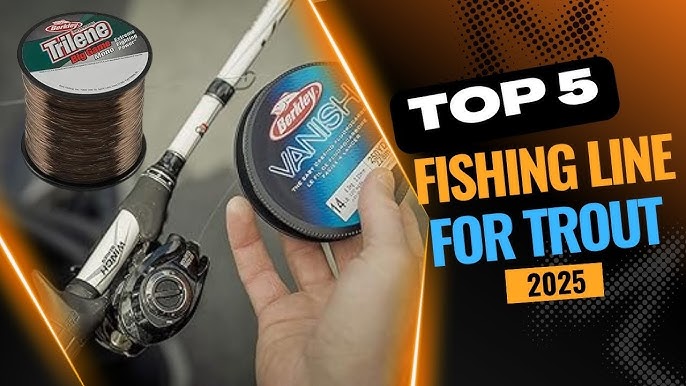
When it comes to trout fishing, choosing the right line can make all the difference between a frustrating day and an unforgettable catch. You might wonder, what is the best line for trout fishing that gives you control, sensitivity, and strength?
Finding the perfect line isn’t just about brand or price—it’s about what works best for your style and the conditions you face. You’ll discover simple, practical tips to help you pick the ideal trout fishing line that boosts your chances of success every time you cast.
Keep reading to unlock the secrets that can change your fishing game forever.
Types Of Trout Fishing Lines
Choosing the right fishing line is key for trout fishing success. Different lines suit different water and fishing styles.
This guide explains three common types of trout fishing lines. You will learn their features and when to use them.
Monofilament Lines
Monofilament lines are made from a single strand of nylon. They are flexible and easy to handle for beginners.
These lines stretch under pressure, which helps absorb the shock from a trout’s pull. They are also affordable and widely available.
- Good stretch for fighting fish
- Visible in water, so use light colors
- Best for general trout fishing
Fluorocarbon Lines
Fluorocarbon lines are nearly invisible in water. Trout find it harder to see this line, making it a good choice for clear water.
They are more resistant to abrasion and have low stretch. This helps with better hook setting and sensitivity.
- Low visibility in water
- Strong and abrasion resistant
- Less stretch than monofilament
Braided Lines
Braided lines are made from woven fibers. They have very little stretch and high strength for their size.
These lines are thin and strong, allowing longer casts and better control. They are good for heavy cover or deep water fishing.
- Very strong and thin
- Almost no stretch
- More visible in water, so use a leader

Credit: www.youtube.com
Factors Influencing Line Choice
Choosing the right fishing line is important for catching trout. Different conditions affect which line works best.
Knowing the main factors helps anglers select a line that improves their fishing experience and success.
Water Clarity
Clear water means trout can see the line easier. Anglers should pick a line that blends with water color.
- Use light-colored or clear lines in clear water.
- Use darker lines in murky or stained water.
- Fluorocarbon lines work well because they are less visible underwater.
Casting Distance
Long casts need lines that fly smoothly through the air. Thin and flexible lines cast farther.
Thicker lines may reduce casting distance but add strength for larger fish.
Line Visibility
Low line visibility helps avoid spooking trout. Fluorocarbon is less visible than nylon or braided lines.
| Line Type | Visibility in Water | Best Use |
| Monofilament | Moderate | General fishing |
| Fluorocarbon | Low | Clear water, wary trout |
| Braid | High | Heavy cover, strong fish |
Abrasion Resistance
Abrasion resistance helps the line last longer near rocks and debris. Strong lines resist fraying and breaking.
Use these tips for abrasion resistance:
- Choose braided lines for tough cover.
- Fluorocarbon lines resist abrasion better than monofilament.
- Check your line often for damage.
Best Line Strength For Trout
Choosing the right line strength is important for trout fishing. The strength affects how well you can catch different sizes of trout.
Finding the right balance will make your fishing experience better. Let’s explore how to match line strength to trout size.
Light Vs. Heavy Lines
Light lines are often preferred for trout fishing. They are less visible in the water and offer a natural presentation.
Heavy lines can be useful in certain conditions. They are stronger and can handle larger fish, but they may be more visible.
- Light lines: 2-6 pound test for clearer waters
- Heavy lines: 8-12 pound test for murky or rough waters
Matching Line To Trout Size
Smaller trout need lighter lines for a more subtle approach. This increases your chances of a successful catch.
Larger trout require stronger lines. This ensures the line can handle the weight and fight of the bigger fish.
| Trout Size | Recommended Line Strength |
| Small | 2-4 pound test |
| Medium | 4-8 pound test |
| Large | 8-12 pound test |

Credit: fishboxapp.com
Top Line Brands For Trout Fishing
Choosing the right fishing line is key for trout fishing success. The line affects how you feel the bite and how far you can cast.
This guide looks at top brands in monofilament, fluorocarbon, and braided lines for trout fishing.
Popular Monofilament Brands
Monofilament lines are easy to use and stretch well. They work great for beginners and in clear or murky water.
Many anglers trust these brands for trout fishing:
- Stren Monofilament – Known for smooth casting and good knot strength
- Berkley Trilene XL – Offers good abrasion resistance and low memory
- Sunline Super FC Sniper – Provides strong knots and durability
Leading Fluorocarbon Options
Fluorocarbon lines are nearly invisible underwater. They resist abrasion and sink faster than other lines.
These fluorocarbon brands are popular for trout fishing:
- Seaguar InvizX – Clear and strong with low stretch
- Berkley Vanish Fluorocarbon – Good sensitivity and abrasion resistance
- Sunline FC Sniper – Offers toughness and smooth casting
Recommended Braided Lines
Braided lines have no stretch and high strength. They help anglers feel even the smallest bites.
These brands offer quality braided lines for trout fishing:
- PowerPro Spectra Fiber – Thin diameter and strong for long casts
- Sufix 832 Advanced Superline – Smooth and durable with good knot strength
- Berkley Fireline – Resistant to abrasion and easy to handle
Tips For Maintaining Fishing Lines
Keeping your fishing line in good shape helps catch more trout. Lines can wear out or get damaged over time. Simple care extends their life and strength.
Use these tips to store, inspect, and replace your fishing line properly. Good habits protect your gear and improve your fishing trips.
Proper Storage
Store fishing lines in a cool, dry place away from direct sunlight. Sunlight and heat can weaken the line. Keep spools in sealed containers or bags to avoid dust and moisture.
- Keep lines away from chemicals like insect repellent
- Use line holders or spools to prevent tangles
- Store lines separately by type and strength
Regular Inspection
Check your fishing line before every trip. Look for cracks, frays, or discoloration. Damaged lines can break easily and cause lost fish.
| Damage Type | Signs to Look For |
| Fraying | Loose strands or fuzziness on the line |
| Discoloration | Faded or dark spots along the line |
| Cracks | Small splits or breaks in the line surface |
Replacing Old Lines
Change your fishing line regularly. Old lines lose strength and stretch more. Replace lines that show damage or have been used for many trips.
- Remove the old line carefully from your reel
- Check the reel for dirt or damage before adding new line
- Spool the new line evenly and tightly
- Test the line’s tension before fishing
Credit: thewildprovides.com
Frequently Asked Questions
What Is The Best Fishing Line For Trout?
The best fishing line for trout is a lightweight monofilament or fluorocarbon. These lines offer good sensitivity and invisibility underwater, improving your chances of catching trout. Choose a 4-8 lb test line for better casting and control.
Should I Use Braided Or Monofilament Line For Trout?
Monofilament is preferred for trout fishing due to its stretch and invisibility. Braided lines are stronger but more visible and less forgiving. Monofilament helps in delicate presentations, which is crucial for spooky trout in clear water.
How Strong Should Trout Fishing Line Be?
A line strength of 4 to 8 pounds test is ideal for trout. This range balances strength and finesse, allowing you to handle trout without spooking them or breaking the line during the fight.
Why Is Fluorocarbon Line Good For Trout Fishing?
Fluorocarbon line is nearly invisible underwater, making it perfect for clear trout streams. It is abrasion-resistant and sinks faster, allowing better lure control and stealthy presentations to wary trout.
Conclusion
Choosing the right fishing line helps catch more trout. Thin, strong lines work best in clear water. Light lines make fish less cautious and more likely to bite. Always match your line to the fishing conditions. Test different lines to find what suits you.
Enjoy the process and learn from each trip. Trout fishing becomes easier with good gear and patience. Keep practicing, and your catch will improve over time.